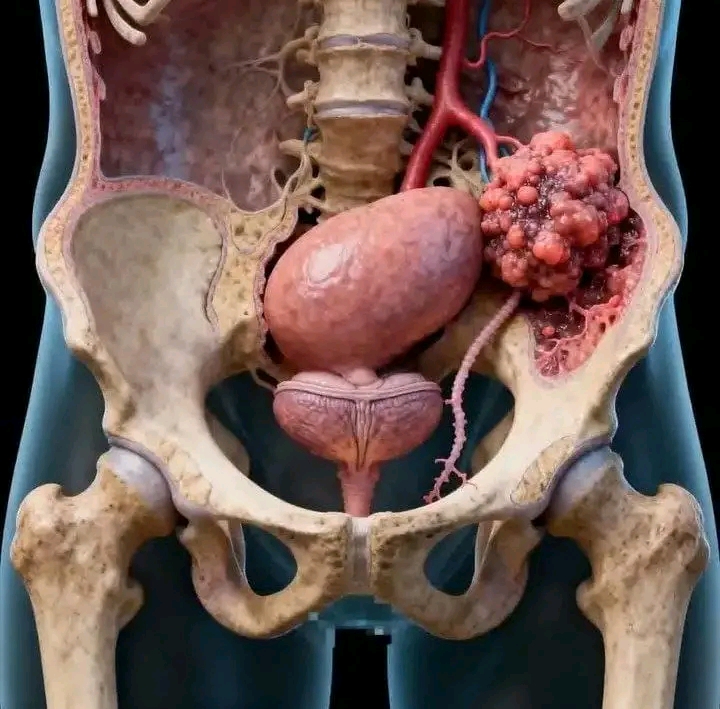
It sounds unsettling at first. Something ordinary, something most men never question, something done routinely at the end of the day. Yet according to urologists and medical researchers, certain everyday habits may quietly influence prostate health over time—without obvious warning signs.
Prostate cancer is now one of the most commonly diagnosed cancers in men worldwide. Advances in screening have helped detect it earlier, but doctors continue to emphasize that genetics alone do not explain why some men develop the disease while others do not. Increasingly, long-term lifestyle patterns are being examined as contributing factors.
The risk is not tied to intimacy itself. Instead, it lies in how the body responds afterward, how inflammation is managed, and how consistently men pay attention to subtle signals from their health.
Understanding the Prostate and Why Inflammation Matters
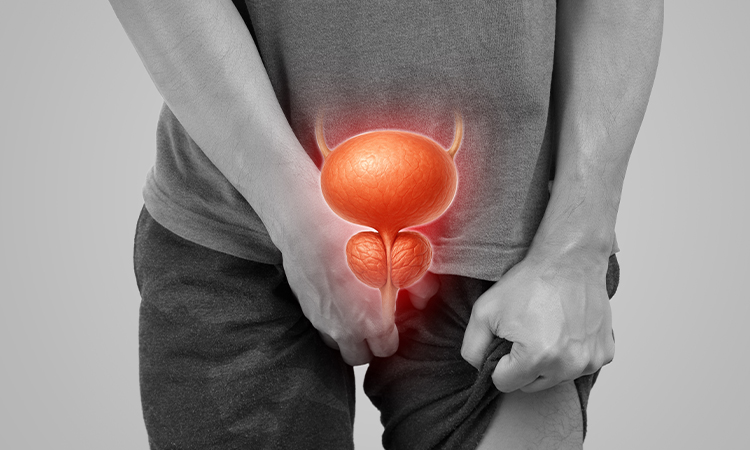
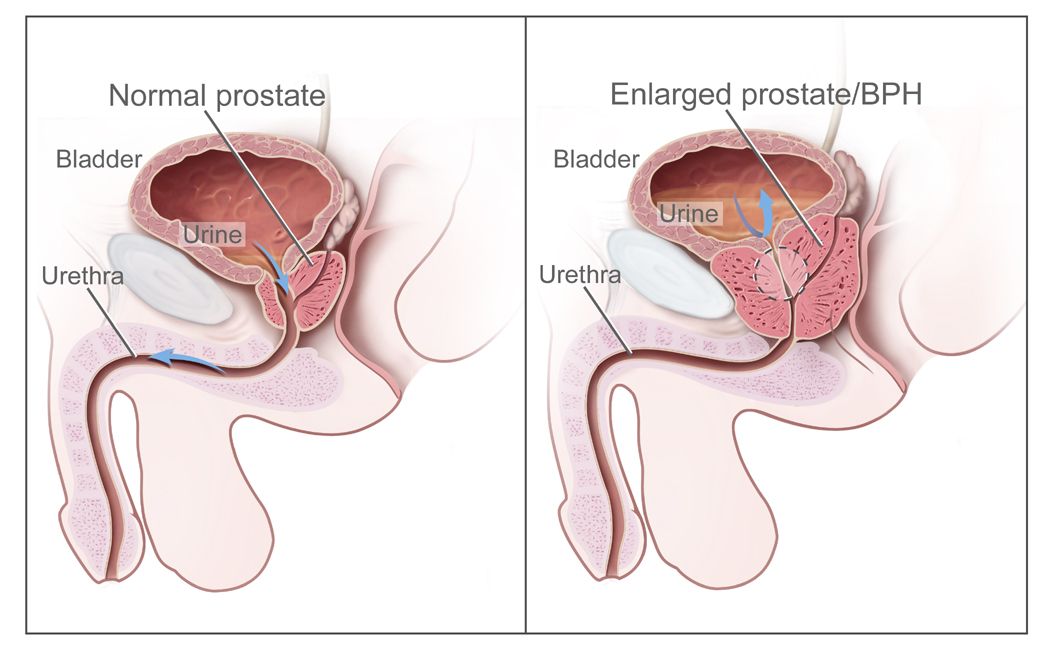
The prostate is a small gland located below the bladder and surrounding the urethra. Its role in reproductive health is well known, but its sensitivity to inflammation is often underestimated.
Medical specialists are clear: prostate cancer is not caused by sexual activity. However, chronic inflammation of the prostate—known as prostatitis—has been linked in multiple studies to an increased risk of abnormal cellular changes over time.
Inflammation is the body’s natural response to injury or infection. When it is short-lived, it helps with healing. When it becomes persistent, it can create an environment where cells are under constant stress. Over many years, this stress may increase the likelihood of errors in cell replication.
This is why urologists pay close attention to factors that cause repeated irritation of prostate tissue, even when symptoms seem mild or absent.
The Hidden Role of Undiagnosed Infections
One of the most overlooked risks to prostate health is the presence of undiagnosed infections. Many men assume that infections always cause pain or noticeable symptoms. In reality, this is not always the case.
Doctors report that low-grade bacterial infections or certain sexually transmitted infections can exist quietly for years. These infections may not interfere with daily life, but they can cause ongoing inflammation within the prostate.
Over time, persistent inflammation may contribute to changes in prostate cells. While this does not mean infection directly causes cancer, it does mean the prostate is placed under prolonged biological stress.
This is why regular medical checkups and honest conversations with healthcare providers are essential—even when there are no obvious symptoms.
Why Post-Intimacy Habits Deserve Attention
Many men are surprised to learn that habits after intimacy can influence prostate and urinary tract health.
Urologists commonly advise men to urinate shortly after sexual activity. This recommendation is not about discomfort or inconvenience—it serves a protective purpose. Urination helps flush bacteria out of the urethra, reducing the chance that microorganisms move upward into the prostate.
Men who consistently skip this step may unknowingly increase their risk of bacterial persistence and irritation. Over years, repeated exposure can contribute to chronic inflammation without producing immediate warning signs.
This simple habit is often overlooked, yet doctors describe it as an easy preventive measure that supports long-term prostate health.
Hygiene and Prostate Health Are Closely Linked
Proper hygiene plays a role far beyond basic comfort. Poor hygiene can increase exposure to bacteria that may enter the urinary tract and prostate.
Medical professionals stress that hygiene is not about extremes or anxiety—it is about consistency. Maintaining clean habits, especially around intimate activity, helps reduce the risk of introducing bacteria that the immune system must constantly fight.
When the immune system is repeatedly engaged in low-level defense, its ability to repair and regulate cells elsewhere may be weakened. Over time, this imbalance can affect tissues that are already sensitive, such as the prostate.
Sleep Quality and Hormonal Balance
Prostate health does not exist in isolation. It is influenced by sleep, hormones, and the body’s ability to regulate inflammation.
Poor sleep has been linked to weakened immune response and disrupted hormone levels. Testosterone, cortisol, and other hormones that influence cell growth and repair are regulated during sleep. When sleep is consistently disrupted, these systems may fall out of balance.
High stress compounds the problem. Chronic stress elevates inflammatory markers in the body and suppresses immune surveillance. Over long periods, this environment may allow abnormal cells to persist longer than they otherwise would.
Doctors increasingly recognize that prostate health is closely connected to overall lifestyle patterns, including sleep duration, sleep quality, and stress management.
The Impact of Age on Prostate Sensitivity
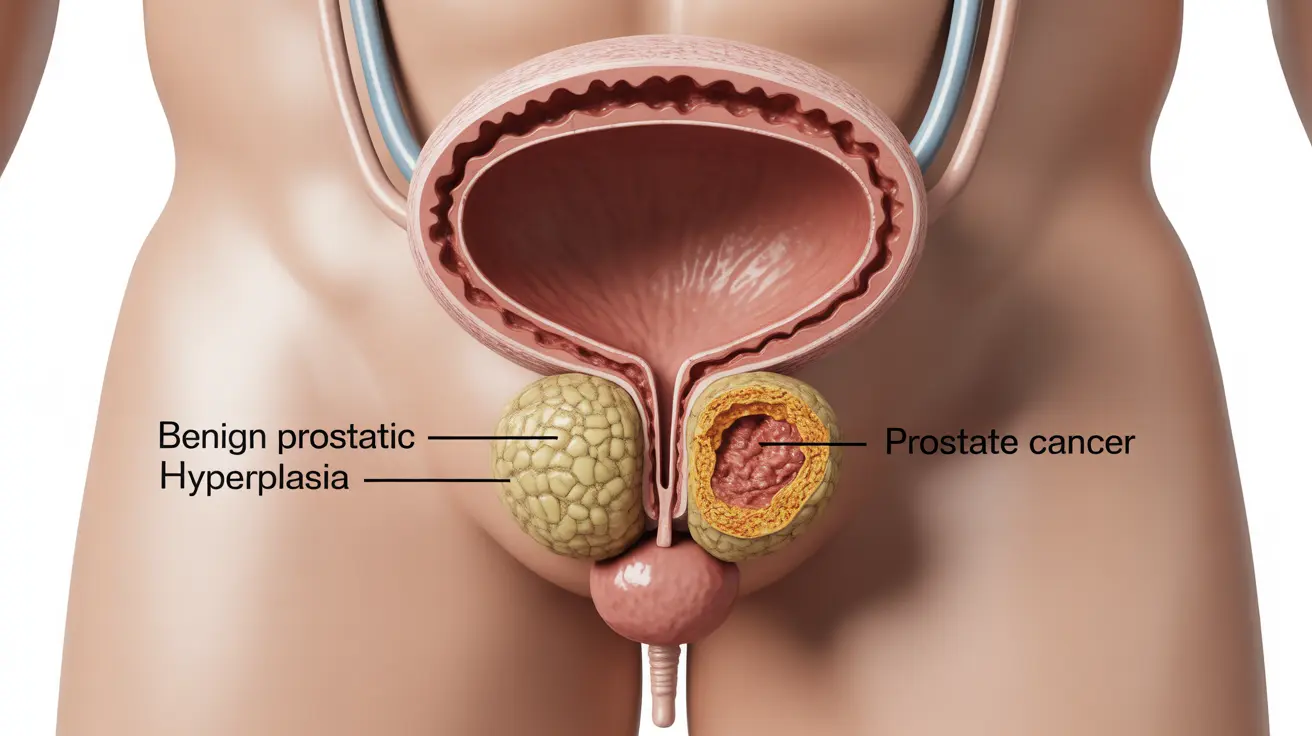
Age is one of the strongest risk factors for prostate cancer. After age 40, prostate tissue becomes more sensitive to hormonal fluctuations and inflammatory processes.
This increased sensitivity does not mean disease is inevitable. It does mean that habits which were harmless in younger years may have a greater impact later in life.
Medical professionals strongly recommend regular prostate-specific antigen (PSA) testing and physical examinations for men over 40, even if they feel healthy. Early changes in prostate health are often silent, and early detection significantly improves treatment outcomes.
Skipping screenings because of lack of symptoms is one of the most common reasons prostate issues are discovered late.
Why Prostate Cancer Develops Slowly
One of the most important messages doctors emphasize is that prostate cancer rarely appears suddenly. It typically develops over many years.
It is not caused by a single night, a single decision, or a single habit. Instead, it reflects long-term patterns: untreated infections, ongoing inflammation, chronic stress, disrupted sleep, hormonal imbalance, and delayed medical care.
Because the progression is slow, there is also time for prevention, intervention, and monitoring. Awareness is one of the most powerful tools men have to protect their health.
The Importance of Listening to Subtle Signals
Men are often conditioned to ignore mild discomfort or dismiss symptoms that do not interfere with daily function. This mindset can be risky when it comes to prostate health.
Subtle urinary changes, recurring pelvic discomfort, changes in sleep quality, or persistent fatigue may all be signals worth discussing with a healthcare provider. None of these automatically indicate cancer, but they may point to inflammation or infection that deserves attention.
Doctors encourage men to view health monitoring as a form of maintenance, not a reaction to crisis.
What Doctors Want Men to Remember
The message from medical professionals is not meant to alarm, but to inform.
Prostate cancer risk is influenced by long-term biological conditions, not isolated actions. Protecting prostate health involves:
Maintaining good hygiene and post-intimacy habits
Addressing infections promptly, even when symptoms are mild
Prioritizing sleep and managing stress
Monitoring hormonal health as part of aging
Scheduling regular screenings and checkups
These steps do not guarantee prevention, but they significantly reduce risk and improve the chances of early detection.
A Quiet Risk Is Still a Real Risk
One of the challenges of prostate health is that problems often develop without pain, urgency, or obvious disruption. What feels normal may not always be optimal.
That is why doctors stress awareness. Paying attention to patterns, asking questions, and taking preventive steps can make a meaningful difference over decades.
Sometimes, what you do not feel is exactly what deserves attention.
And sometimes, the most important health decisions are the ones made quietly, consistently, and long before any symptoms appear.