
There are not many foods in the natural world that manage to be simultaneously indulgent, nourishing, and genuinely good for the body — but dates are one of the rare exceptions. Sweet enough to satisfy a craving for something rich and satisfying, yet packed with an impressive array of vitamins, minerals, and beneficial compounds, dates have been a prized part of human diets for thousands of years across the Middle East, North Africa, and beyond. Today, as interest in whole foods and natural nutrition continues to grow around the world, dates are receiving the kind of scientific and culinary attention they have always deserved.
Whether you are looking for a smarter way to fuel your energy levels, support your digestive health, strengthen your heart, or simply enjoy something delicious without reaching for overly processed alternatives, dates offer a compelling and accessible solution. Here is a thorough look at why dates deserve a regular and prominent place in your kitchen — and how to make the most of everything they have to offer.
What Makes Dates a Nutritional Powerhouse
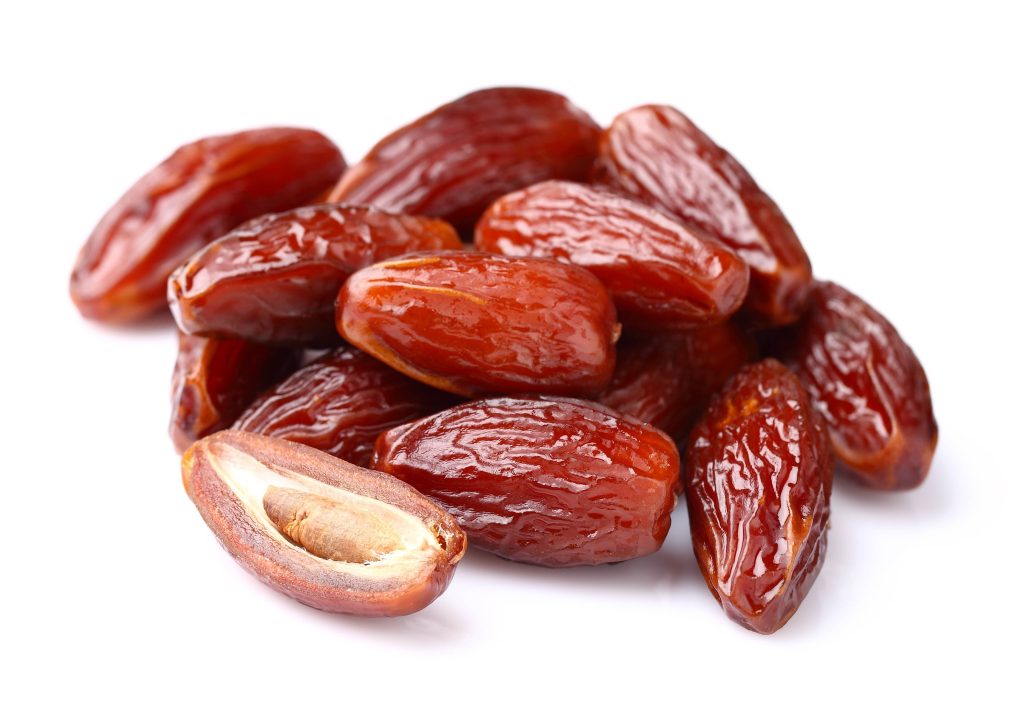
Before exploring the specific health benefits, it helps to understand what is actually inside a date. A single Medjool date — one of the most popular and widely available varieties — weighs approximately 24 grams and contains around 66 calories. Within that compact package you will find roughly 16 grams of natural sugar, 1.6 grams of dietary fiber, approximately 15 percent of the recommended daily value of copper, and around 5 percent of the daily value of potassium. Dates also contain meaningful amounts of magnesium, manganese, B vitamins, and a variety of antioxidant compounds.
This nutritional profile places dates in a category quite different from conventional sweet foods. Where refined sugar delivers calories with no accompanying nutritional value, dates deliver their sweetness bundled with fiber, minerals, and protective plant compounds that change how the body processes and responds to that energy entirely.
A Natural and Sustained Energy Source
One of the most immediately appreciated qualities of dates is the kind of energy they provide. The natural sugars found in dates — primarily glucose, fructose, and sucrose — are released into the bloodstream in a way that is modulated by the fiber content of the fruit, producing a more gradual and sustained rise in energy rather than the rapid spike and subsequent crash associated with refined sugars and heavily processed sweet foods.
This makes dates particularly well-suited as a pre-workout snack, a midday energy boost, or a natural way to power through an afternoon when energy begins to flag. Athletes and active individuals have long recognized the value of dates as a portable, natural fuel source that provides readily available carbohydrate energy without artificial additives, colorings, or preservatives. A small handful of dates before physical activity can provide the kind of immediate, clean energy that supports both endurance and performance.
Supporting Healthy Digestion
Dietary fiber is one of the most important and most consistently under-consumed nutrients in modern diets, and dates are a genuinely rich source. The fiber found in dates works in several complementary ways to support digestive health. It adds bulk to the contents of the digestive tract, supporting regular and comfortable bowel function. It slows the rate at which the stomach empties, which contributes to a prolonged feeling of fullness after eating and helps prevent the kind of rapid hunger that leads to overeating. And it feeds the beneficial bacteria that live in the gut, supporting the kind of healthy microbial environment that research increasingly links to overall physical and mental well-being.
For anyone who struggles with digestive irregularity or who simply wants to support long-term gut health through dietary choices, incorporating dates into daily eating is one of the most pleasant and effective approaches available.
Protecting and Strengthening the Heart

The potassium and magnesium content of dates makes them a valuable food for cardiovascular health. Potassium plays a central role in regulating blood pressure by helping to counterbalance the effects of sodium within the body. Diets that provide adequate potassium are consistently associated in research with healthier blood pressure levels and a reduced risk of cardiovascular events over time. Magnesium contributes to the healthy function of the heart muscle itself, supports proper electrical signaling within the heart, and helps maintain the flexibility and tone of blood vessel walls.
Beyond their mineral content, dates contain antioxidant compounds including flavonoids, carotenoids, and phenolic acids that help protect the cardiovascular system from the kind of oxidative damage and chronic inflammation that underlie many forms of heart disease. Regular consumption of antioxidant-rich foods is one of the most widely supported dietary strategies for long-term heart protection, and dates offer a particularly enjoyable way to increase antioxidant intake.
Supporting Bone Health
Several of the minerals found in dates — including calcium, phosphorus, magnesium, and manganese — play important roles in building and maintaining strong, healthy bones. As the body ages, maintaining adequate intake of these minerals becomes increasingly important for preserving bone density and reducing the risk of bone fragility. Dates provide a combination of these nutrients in a naturally occurring form that the body is well-equipped to absorb and utilize.
Magnesium in particular deserves attention in the context of bone health, as it is involved not only in the direct structural composition of bone tissue but also in the regulation of the hormonal signals that govern how bone is built and broken down over time. Many people do not consume sufficient magnesium through their regular diet, and dates represent a delicious and practical way to address that gap.
Brain Health and Cognitive Support
Copper, one of the minerals found in particularly notable quantities in dates, is essential for healthy brain function. It plays a role in the production of neurotransmitters, the chemical messengers through which brain cells communicate with one another, and it supports the health of the myelin sheath — the protective coating around nerve fibers that enables fast and accurate signal transmission throughout the nervous system. Research has explored connections between adequate copper intake and cognitive performance, and while this area of study continues to develop, ensuring sufficient copper through dietary sources is a straightforward and sensible approach to supporting brain health.
B vitamins, also present in dates, are similarly important for neurological health and cognitive function. They support energy metabolism within brain cells and play roles in the synthesis of the neurotransmitters that regulate mood, concentration, and mental clarity.
Natural Anti-Inflammatory Properties

Chronic low-grade inflammation is now recognized as a contributing factor in a wide range of serious health conditions, and one of the most effective and sustainable ways to combat it is through consistent dietary choices that provide the body with anti-inflammatory compounds. Dates are a meaningful source of several such compounds, including flavonoids and carotenoids, both of which have been studied for their ability to reduce markers of inflammation within the body.
Incorporating dates into a diet that already emphasizes whole plant foods, healthy fats, and a wide variety of colorful fruits and vegetables creates a cumulative anti-inflammatory effect that supports long-term health in ways that go well beyond any single nutrient or food.
A Smart Alternative to Refined Sugar
One of the most practical and immediate ways to benefit from dates in daily life is to use them as a natural replacement for refined sugar in cooking and baking. When blended into a smooth paste, dates can sweeten energy balls, baked goods, sauces, and dressings with a depth of flavor that refined sugar cannot match, while simultaneously contributing fiber, minerals, and antioxidants rather than empty calories.
Date syrup, made by simmering dates in water and straining the liquid, is a versatile natural sweetener that can replace conventional syrups in recipes and on the table. Whole dates stuffed with nut butter, soft cheese, or a simple walnut make a genuinely satisfying treat that bridges the gap between healthy eating and genuine culinary pleasure. Chopped dates added to oatmeal, yogurt, grain salads, or roasted vegetables bring natural sweetness and textural interest without any need for additional sweeteners.
Choosing and Storing Dates
Medjool dates are the variety most commonly available in Western markets and are prized for their large size, soft texture, and rich caramel-like flavor. Deglet Noor dates are somewhat smaller and drier in texture with a slightly more delicate sweetness, and they are often the variety found in baking recipes or sold in bulk. Both are nutritionally valuable and worth keeping on hand.
Fresh or semi-dried dates store well at room temperature for several weeks and can be kept in the refrigerator for several months without significant loss of quality. For longer storage, dates freeze extremely well and can be used directly from frozen in smoothies and blended preparations. Keeping a supply of good quality dates in the kitchen makes it easy to reach for a naturally sweet, genuinely nourishing option whenever the desire for something satisfying arises.
A Simple Addition With Meaningful Benefits
The appeal of dates as a dietary choice ultimately comes down to the rare combination of qualities they possess: they are genuinely delicious, deeply satisfying, nutritionally rich, widely available, easy to incorporate into everyday eating, and backed by a growing body of scientific research that continues to affirm what traditional diets across many cultures have long recognized.
Adding dates to your diet does not require dramatic changes to how you eat. A few dates alongside a handful of nuts as an afternoon snack, a date blended into a morning smoothie, or a simple stuffed date as an after-dinner treat are all it takes to begin experiencing the benefits that this remarkable fruit has been offering to people for millennia. Sometimes the most powerful nutritional choices are also the most enjoyable ones — and dates are a perfect example of exactly that.