There comes a time when many women begin to notice subtle changes. Energy may feel different. Sleep patterns may shift. Skin may not glow the same way it once did. These moments are not problems to fix but signals to understand.
Across cultures and generations, food has always been a quiet companion in times of change. Long before modern science, people turned to natural ingredients to support balance and well-being. Today, research continues to explore how certain foods may gently support the body, especially during periods of hormonal fluctuation.
Rather than dramatic solutions, the focus is shifting toward sustainable habits. And at the center of this approach is nutrition.
Understanding Hormonal Balance in a Natural Way
Hormones play a key role in regulating many processes in the body, including mood, metabolism, and skin health. One of the most important hormones for women is Estrogen.
Levels of estrogen naturally change over time, particularly during:
- Monthly cycles
- Perimenopause
- Menopause
These changes are completely normal. However, they may sometimes influence how a person feels day to day.
This is where certain foods may offer gentle support.
What Are Phytoestrogens?
Some plant-based foods contain compounds known as Phytoestrogens.
These natural substances do not replace hormones. Instead, they may interact with the body in mild ways that help support balance. Their effects vary depending on the individual, lifestyle, and overall diet.
From a scientific perspective, this area is studied within Nutritional Science, which continues to explore how diet influences long-term wellness.
/assets/images/provider/photos/2739830.png)
Why Food Matters More Than Ever
A balanced diet provides more than just energy. It supports:
- Skin health
- Bone strength
- Digestive function
- Emotional well-being
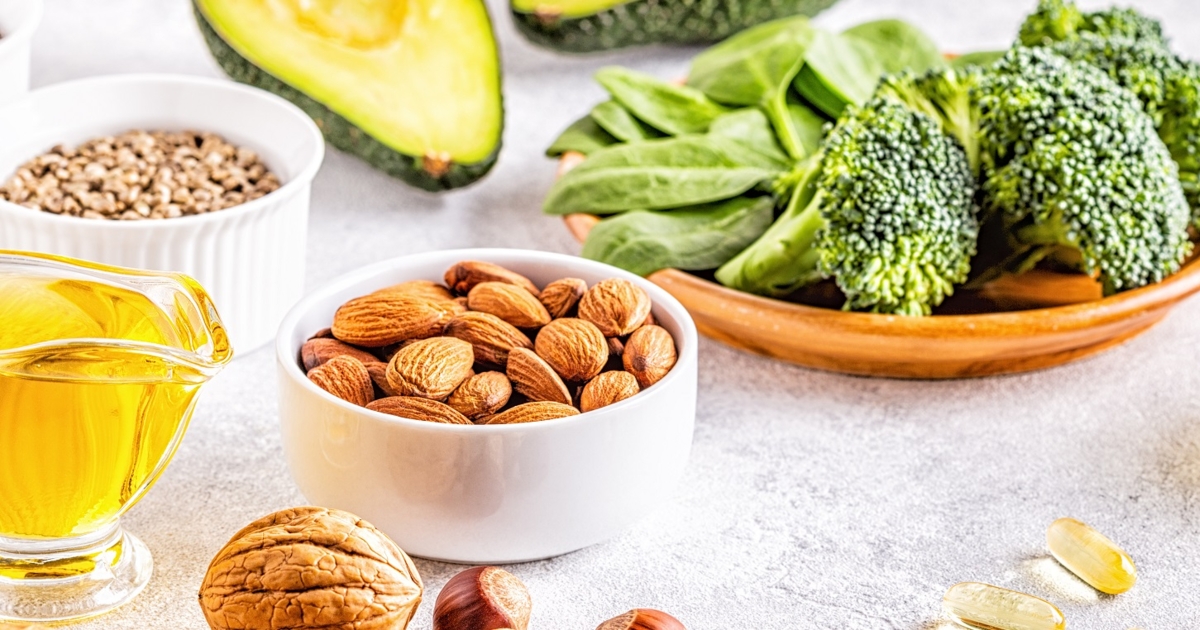
Foods rich in fiber, antioxidants, and essential nutrients often contribute to these benefits.
Rather than focusing on one “miracle” ingredient, the goal is to build a pattern of nourishing choices.
1. Flaxseeds: Small Seeds with Powerful Nutrients
Flaxseeds are one of the most widely discussed plant foods in relation to hormone support.
They contain:
- Lignans, a type of phytoestrogen
- Omega-3 fatty acids
- Soluble fiber
These nutrients may support heart health, digestion, and skin hydration.
For best results, ground flaxseeds are easier for the body to absorb. They can be added to smoothies, oatmeal, or yogurt without changing the flavor significantly.

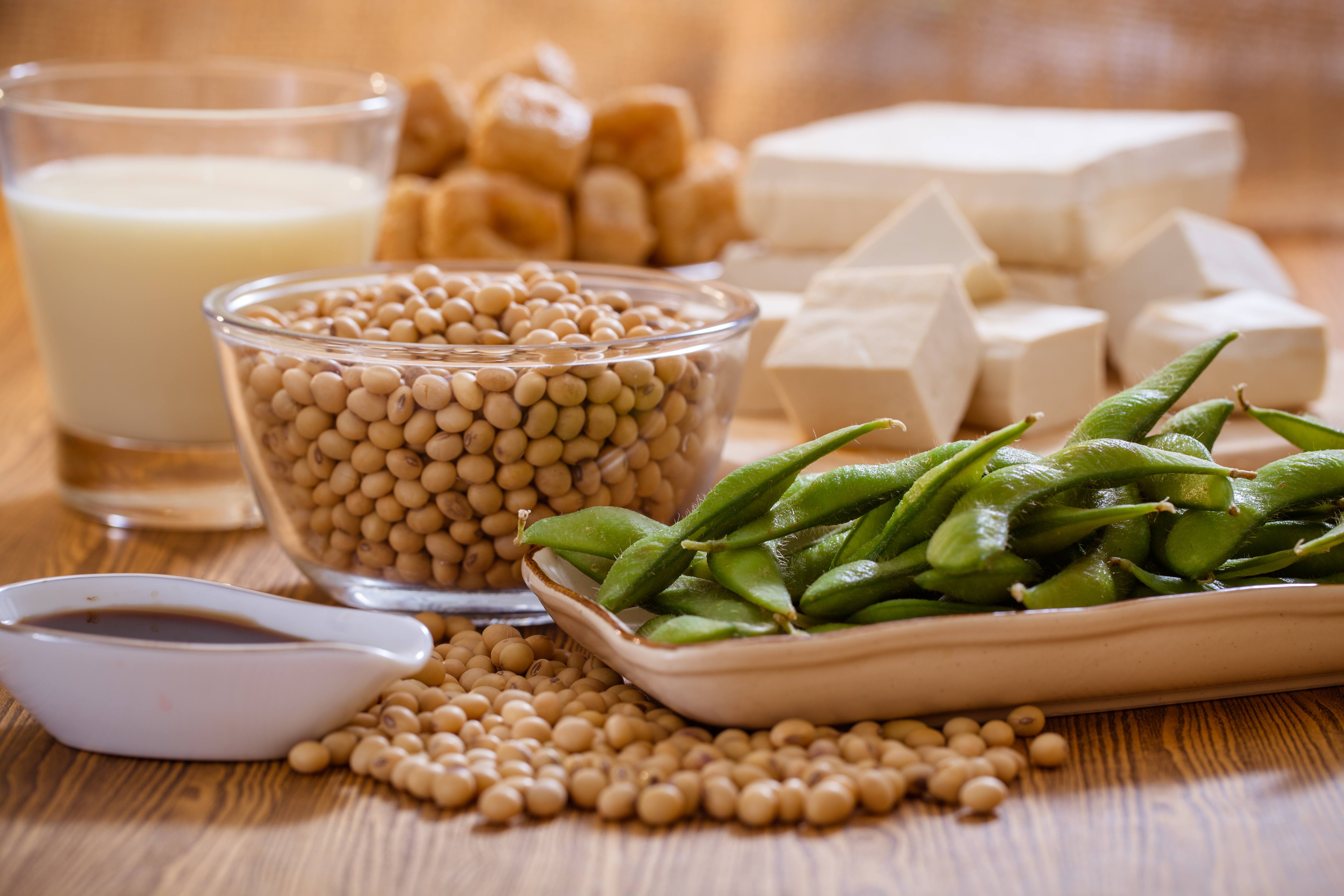
2. Whole Soy Foods: A Traditional Source of Balance
Soy-based foods have been part of traditional diets in many regions for centuries.
Options include:
- Tofu
- Tempeh
- Edamame
- Miso
These foods contain isoflavones, a group of plant compounds that have been studied for their potential role in supporting bone health and overall balance.
Fermented varieties such as tempeh and miso may also contribute to gut health, which plays an important role in how the body processes nutrients.
3. Chickpeas: Simple, Nourishing, and Versatile
Chickpeas are a staple in many cuisines and offer a wide range of benefits.
They provide:
- Plant-based protein
- Fiber
- B vitamins
- Minerals like zinc
These nutrients support steady energy levels, digestion, and skin health.
Chickpeas can be used in salads, soups, or blended into spreads, making them easy to include in daily meals.
4. Dried Apricots and Prunes: Naturally Sweet and Functional
Dried fruits like apricots and prunes are more than just a sweet snack.
They contain:
- Antioxidants
- Vitamin C
- Potassium
- Boron
Vitamin C supports collagen production, while boron contributes to maintaining strong bones.
Because dried fruits are naturally concentrated, moderate portions are recommended for balance.

5. Sesame Seeds: Tiny but Nutrient-Dense
Sesame seeds are small but packed with important nutrients.
They contain:
- Lignans
- Calcium
- Zinc
- Selenium
These nutrients support bone health, skin function, and metabolic processes.
Sesame seeds can be sprinkled on meals or used in products like tahini, making them a convenient addition to everyday cooking.
Looking Beyond Food: A Holistic Approach
While nutrition plays a major role, overall well-being is influenced by multiple factors.
Experts often highlight the importance of:
- Quality sleep
- Stress management
- Regular physical activity
- Hydration
These elements work together to support the body’s natural rhythms.
For example, the field of Endocrinology emphasizes how lifestyle habits interact with hormonal systems.
A Balanced Perspective on Expectations
It is important to approach dietary changes with realistic expectations.
Foods containing phytoestrogens:
- Do not act as direct hormone replacements
- May provide gentle support over time
- Work best as part of a balanced lifestyle
Individual responses can vary. What works well for one person may feel different for another.
Before making significant changes, consulting a healthcare professional is always a wise step.
Cultural Perspectives on Food and Balance
Across different cultures, certain foods have long been associated with vitality and balance.
For example:
- Seeds and legumes are often linked to nourishment and renewal
- Fermented foods are valued for digestive support
- Whole plant-based ingredients are associated with longevity
These traditions reflect a shared understanding that health is built over time through consistent habits.
Conclusion: Small Choices, Lasting Impact
There is no single solution for maintaining balance and well-being. Instead, it is the combination of small, mindful choices that shapes long-term health.
Adding nutrient-rich foods like seeds, legumes, and whole plant ingredients can be a simple and sustainable step forward.
In a world that often looks for quick results, it is worth remembering that the body responds best to patience and care.
Because true wellness is not about sudden change—
It is about the quiet, consistent decisions we make every day.
And perhaps that is what makes the journey meaningful: the understanding that even the smallest habits can support a stronger, more balanced life.
Sources
Awestories24. “Estrogen-supporting foods and balanced nutrition.” awestories24.press
Harvard T.H. Chan School of Public Health. Research on diet and health
Mayo Clinic. Guidance on nutrition and hormone balance
National Institutes of Health. Studies on phytoestrogens and nutrition