A Tourist’s Leap of Faith That Turned Into a Fight for Survival
Adventure tourism often promises unforgettable memories, adrenaline, and a sense of accomplishment. For many travelers, activities like bungee jumping symbolize courage and the desire to step beyond personal limits. But in rare cases, when safety systems fail, those moments can quickly transform into life-altering experiences.
In 2012, an Australian traveler named Erin Langworthy experienced such a moment while visiting southern Africa. What began as an exciting challenge ended with a dramatic and widely discussed accident that continues to be referenced in conversations about adventure safety and risk awareness.
Exploring Zambia and the Allure of Extreme Experiences
Langworthy was traveling through Zambia, a destination known for its natural beauty, wildlife, and adventure tourism opportunities. One of the region’s most famous attractions is the Zambezi River, which forms part of the border between Zambia and Zimbabwe and draws thrill-seekers from around the world.
Among the activities offered in the area, bungee jumping from a bridge above the river has long been marketed as a once-in-a-lifetime experience. The combination of height, scenery, and reputation has made it a popular stop for tourists looking to push their boundaries.
Like many travelers before her, Langworthy decided to take part, trusting the professional operators and safety systems designed to protect participants.
When a Routine Jump Took an Unexpected Turn
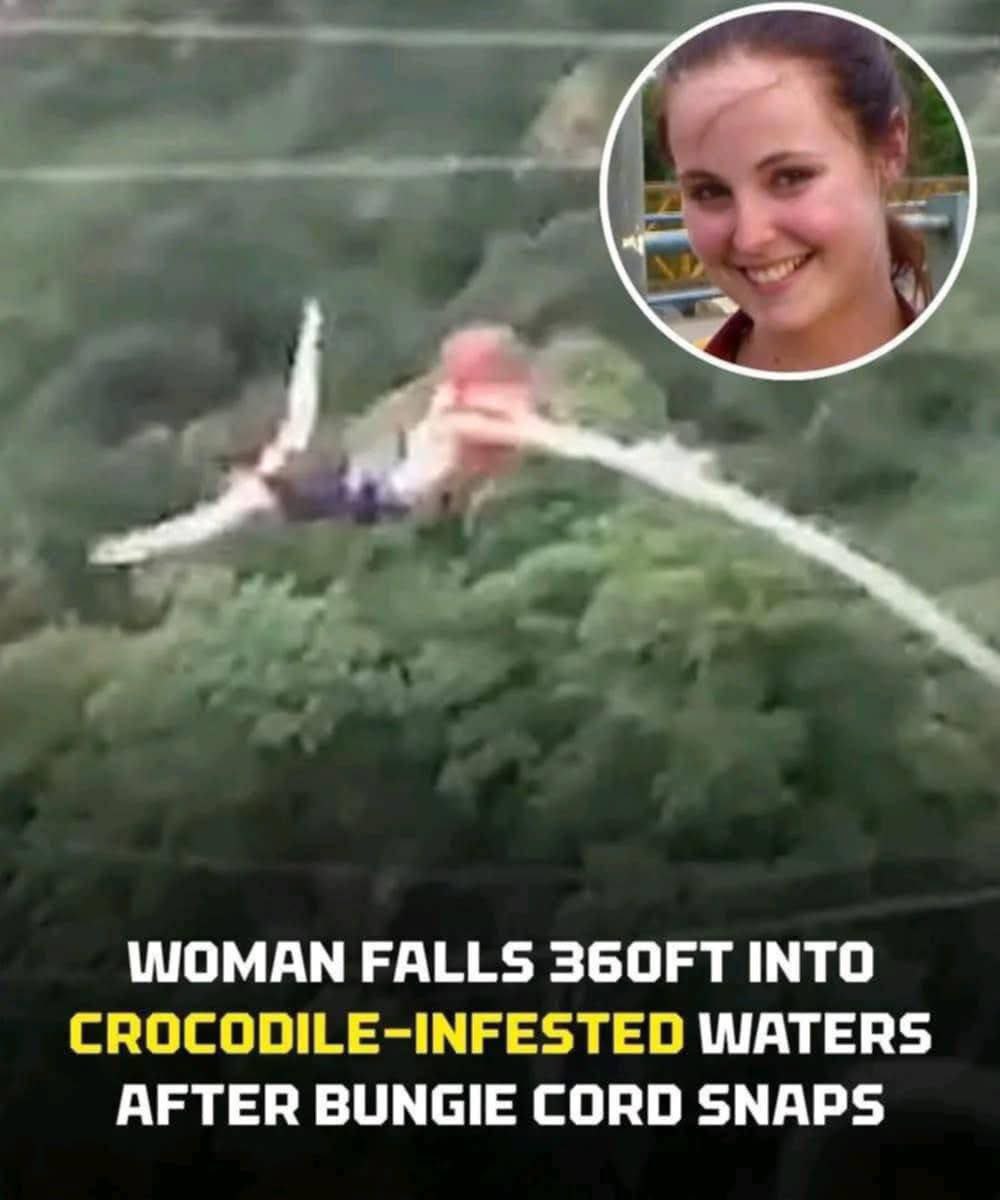
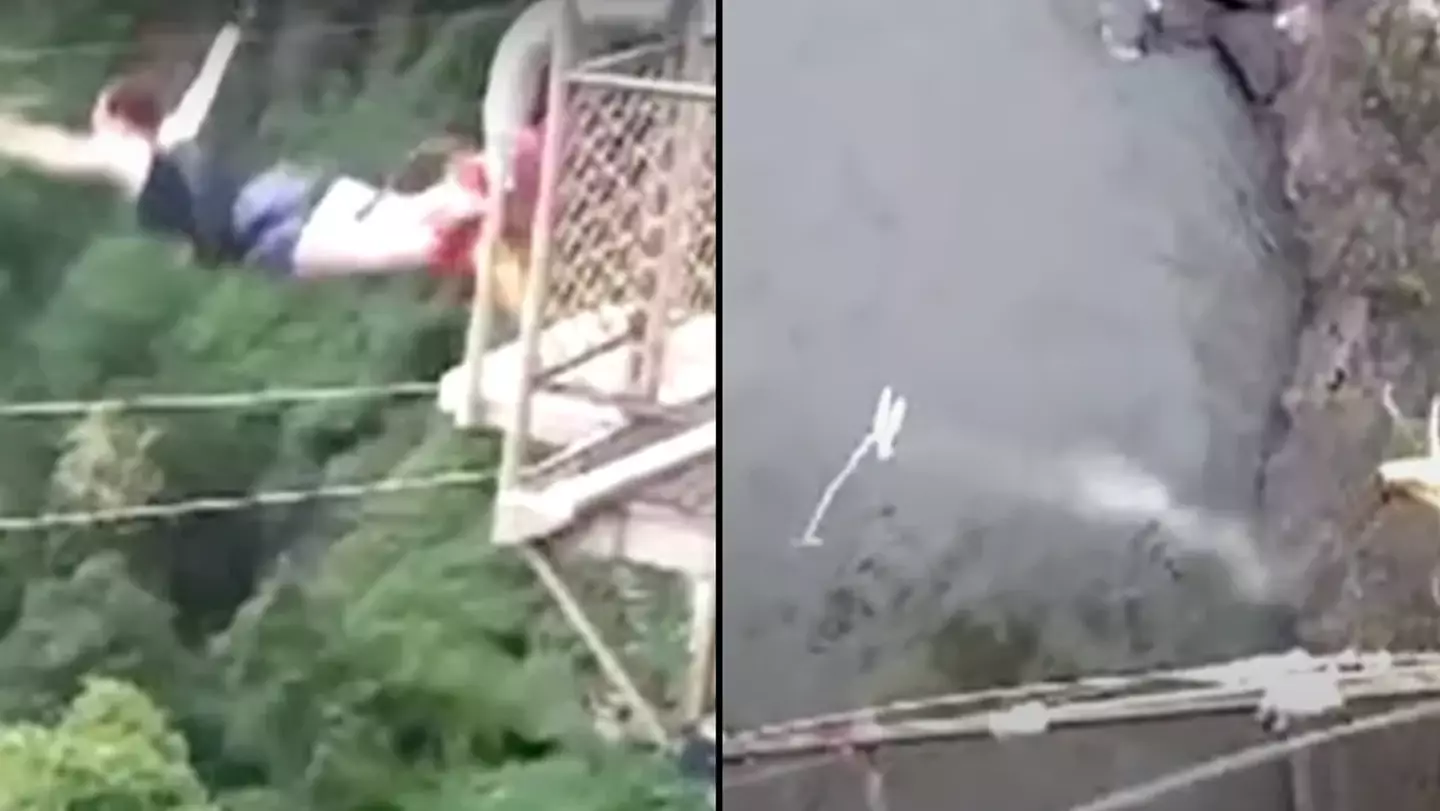
What was meant to be a carefully controlled descent changed abruptly when the bungee cord failed mid-jump. Instead of rebounding safely, Langworthy fell the full distance—estimated at around 360 feet—into the waters of the Zambezi River below.
The river is known for its strong currents and challenging conditions. While it is also home to wildlife, the immediate danger Langworthy faced was the force of the water and the disorientation caused by the fall.
Footage later shared online showed the moment the cord gave way, capturing the shock and disbelief of onlookers. The video quickly circulated, drawing international attention and sparking concern about adventure safety standards.
Fighting the Current in Unfamiliar Waters

After hitting the water, Langworthy was pulled along by the river’s current. Complicating the situation, her feet were still bound together by the safety harness, and parts of the bungee equipment remained attached.
Despite the physical strain and shock, she remained conscious and focused on staying afloat. According to later reports, she managed to free herself from parts of the equipment as it became caught on rocks beneath the surface.
Her ability to stay calm and continue moving likely played a crucial role in her survival. In situations like this, panic can be as dangerous as the environment itself.
Rescue and Emergency Response
Staff from the bungee operation quickly realized that something had gone wrong. A rescue team was dispatched, and one employee entered the river to assist her.
Langworthy was eventually pulled from the water and transported for medical treatment. She was taken to a hospital in Victoria Falls, where doctors assessed her injuries.
Remarkably, despite the severity of the fall, she survived with injuries that were considered manageable given the circumstances. Her survival was widely described as extraordinary, given the height of the fall and the conditions of the river.
How the Incident Was Reported Around the World

News outlets across multiple countries covered the story, often emphasizing both the dramatic nature of the accident and the unlikely survival. While headlines varied in tone, the core facts remained consistent: a safety failure occurred, and a tourist survived against significant odds.
Government travel advisories and tourism discussions briefly referenced the incident as an example of why travelers should carefully consider risk and ensure that adventure providers meet high safety standards.
The story also prompted renewed scrutiny of bungee jumping operations in the region, including equipment maintenance, inspection protocols, and emergency preparedness.
The Role of Safety Standards in Adventure Tourism
Adventure tourism depends heavily on trust. Participants rely on operators to follow strict safety procedures, conduct regular equipment checks, and prepare for emergencies.
While bungee jumping has a strong safety record globally, incidents like this highlight the importance of constant oversight. Even a single equipment failure can have serious consequences.
In response to similar incidents worldwide, industry groups have emphasized training, third-party inspections, and clear communication with participants about risks and safety measures.
Why Survivors’ Stories Capture Global Attention
Stories of survival often resonate deeply with audiences because they combine vulnerability, resilience, and unpredictability. Langworthy’s experience became more than a travel mishap; it was framed as a testament to human endurance and presence of mind under extreme stress.
At the same time, such stories can unintentionally encourage risk-taking if they are not presented responsibly. This is why many experts stress the importance of focusing not on spectacle, but on lessons learned and improvements made.
Reflections From the Traveler’s Perspective
In interviews following her recovery, Langworthy reportedly expressed gratitude for surviving and acknowledged the role of quick rescue efforts. Her reflections focused less on blame and more on recovery and moving forward.
Survivors of extreme accidents often describe a shift in perspective afterward, becoming more aware of how quickly circumstances can change. While travel and adventure remain valuable experiences, incidents like this underline the importance of informed decision-making.
Lessons for Future Travelers
For travelers considering adventure activities, the incident offers several important reminders:
Research operators carefully, including their safety records and certifications
Ask questions about equipment inspections and emergency procedures
Understand the physical and environmental risks involved
Listen closely to safety briefings and follow instructions
Adventure does not have to mean recklessness. Many thrill-seeking activities are conducted safely every day when proper standards are followed.
How the Industry Continues to Evolve
Since 2012, adventure tourism has continued to evolve, with increased emphasis on risk management and transparency. Many operators now provide more detailed briefings and invest heavily in updated equipment and staff training.
Incidents like Langworthy’s serve as reference points within the industry, reminding providers that public trust is fragile and must be earned through consistent safety performance.
A Story That Endures Beyond the Headlines
More than a decade later, the story remains a powerful example of how quickly an ordinary tourist experience can turn into a test of survival. It is remembered not only for what went wrong, but for what went right afterward—calm decision-making, swift rescue, and medical care.
While the images and headlines captured attention, the lasting value of the story lies in the conversations it continues to spark about safety, responsibility, and respect for nature’s unpredictability.
Conclusion: Adventure, Risk, and Responsibility
The 2012 accident involving Erin Langworthy stands as a sobering reminder that adventure tourism carries inherent risks, even when activities are professionally managed. Her survival was the result of personal resilience, timely rescue, and medical response—not a guarantee that similar outcomes will always occur.
For travelers and operators alike, the lesson is clear: preparation, caution, and respect for safety systems are essential. Adventure should inspire confidence and wonder, not complacency.
By approaching extreme experiences with awareness and responsibility, travelers can continue to explore the world while minimizing unnecessary risk—ensuring that stories of adventure remain stories of discovery, not disaster.