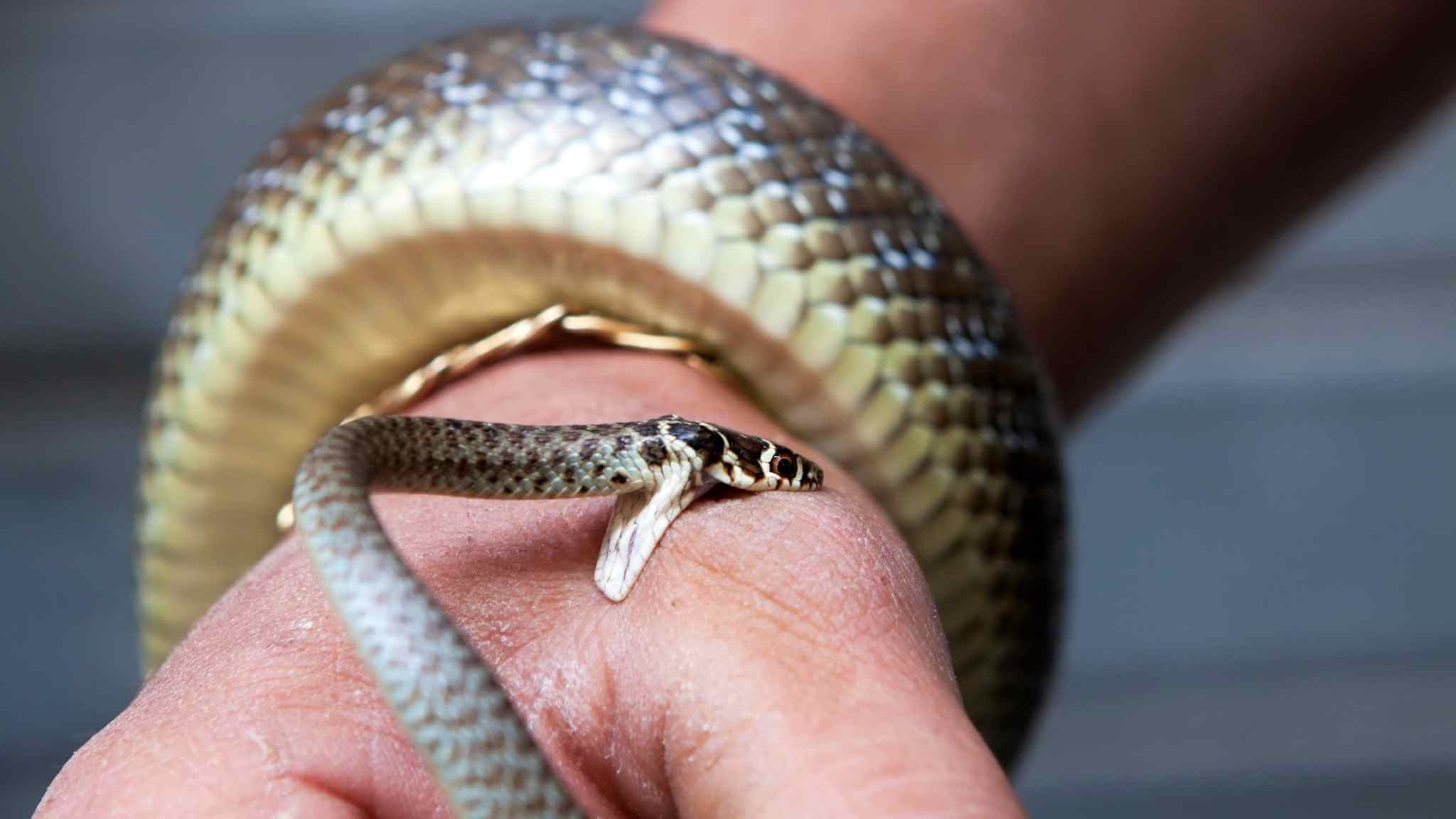
Snakebites are a medical emergency that require calm, fast, and informed action. While many encounters with snakes do not result in serious harm, the possibility of venom exposure means every bite must be treated as potentially dangerous. Health authorities and emergency medical organizations consistently emphasize that the right first response can significantly improve outcomes.
In countries with active outdoor industries such as farming, construction, and landscaping, snake encounters are more common during warmer months. According to data from the Royal Flying Doctor Service and the Australian Snakebite Project, Australia records roughly 3,000 snakebite incidents each year. Of these, about 500–600 require hospital treatment, and fatalities remain rare due to rapid medical care and effective antivenom systems.
Understanding how snakebites occur, how to recognize potential symptoms, and what to do immediately after a bite can make a critical difference.
Where and How Snakebites Commonly Happen
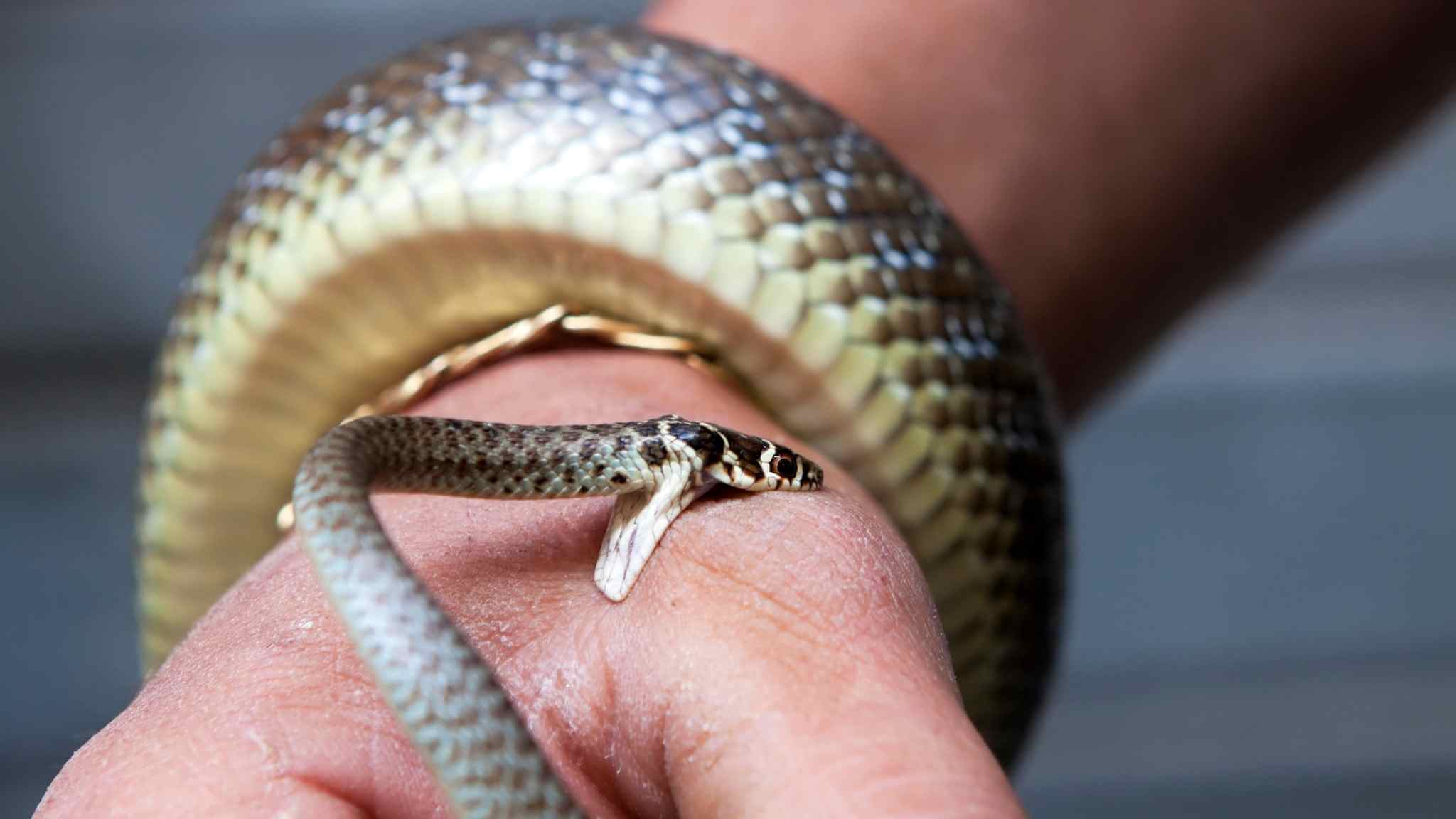
One of the most common misconceptions is that snakebites occur mainly in remote wilderness areas. In reality, studies show that many incidents happen close to home.
More than half of reported bites occur in residential or farm environments. Common situations include:
Walking through gardens or tall grass
Moving firewood, tools, or debris
Attempting to handle or remove a snake
Working outdoors without protective clothing
Snakes are often attracted to areas with water sources, shelter, or rodents. Properties with dense vegetation, wood piles, or unmanaged waste can unintentionally create ideal habitats.
Simple prevention measures recommended by public health and wildlife agencies include:
Keeping yards and storage areas tidy
Reducing rodent populations
Wearing boots, long pants, and gloves during outdoor work
Using a flashlight when walking outside at night
Medical reports also indicate that over 90% of bites affect the arms or legs, which reinforces the importance of protective clothing.
Understanding the Two Types of Snakebites
Dry Bite
A dry bite occurs when a snake strikes without injecting venom. Symptoms may include:
Pain at the bite site
Redness or mild swelling
Visible puncture marks
Even if symptoms seem minor, it is impossible to determine immediately whether venom was delivered. Medical evaluation is always required.
Venomous Bite
If venom is injected, symptoms may appear quickly or gradually depending on the species and the amount delivered. Warning signs can include:
Swelling or bruising around the bite
Nausea or vomiting
Headache or dizziness
Blurred vision or drooping eyelids
Difficulty breathing
Irregular heartbeat
Abdominal pain
Unusual bleeding or weakness
Some dangerous bites may initially appear painless or show very little local reaction, which is why all bites should be treated as serious.
First Aid Steps: What To Do Immediately
Emergency medicine guidelines emphasize that the goal of first aid is to slow the spread of venom through the lymphatic system while arranging rapid medical care.
1. Call for Emergency Medical Help
Contact emergency services immediately. Even if symptoms are mild, professional assessment and monitoring are essential because effects can worsen over time.
Do not wait for symptoms to develop.
2. Keep the Person Calm and Still
Movement increases the circulation of venom. The person should:
Lie down if possible
Remain calm and avoid panic
Keep the affected limb completely still
If outdoors, bring help and transport to the patient rather than asking them to walk.
3. Immobilize the Limb
Use a splint, stick, or rigid object to keep the bitten limb straight and supported. Immobilization helps slow venom movement.
4. Apply Pressure Immobilization Bandaging
Health authorities in Australia and many other regions recommend the pressure immobilization technique:
Place a pad or folded cloth directly over the bite site
Wrap a firm elastic bandage around the entire limb, starting at the fingers or toes and moving upward
The bandage should be firm but not cut off blood circulation
Keep the bandage in place until medical professionals remove it
This method helps restrict venom movement through the lymphatic system without stopping blood flow.
5. Do Not Wash the Bite
Venom traces left on the skin may help doctors identify the species using diagnostic tests. Washing the area can remove valuable evidence.
6. Do Not Attempt Dangerous First Aid Methods
Avoid the following actions, which are ineffective or harmful:
Cutting or incising the wound
Trying to suck out venom
Applying ice or chemicals
Using a tight tourniquet that stops blood flow
Applying electric shock
These methods can worsen tissue damage or delay proper treatment.
7. Do Not Try to Capture the Snake
Attempting to catch or kill the snake increases the risk of additional bites. Modern treatment protocols use broad-spectrum antivenoms and diagnostic testing, so identification at the scene is not necessary.
If safe, take a photo from a distance—but only if it does not delay medical care.
What Happens at the Hospital
Once medical care is reached, doctors may:
Monitor vital signs and symptoms
Perform blood tests to detect venom effects
Use venom detection kits (in some regions)
Administer antivenom if needed
Most patients recover fully when treatment is provided promptly.
Medical observation may continue for several hours because some symptoms develop gradually.
Why Staying Still Matters
Research from emergency medicine studies shows that physical activity after a bite significantly increases venom spread. Walking or running can accelerate circulation through the lymphatic system, which is why immobilization and calm positioning are critical.
In many cases, proper first aid before reaching the hospital is a key factor in patient outcomes.
Who Is Most at Risk
Data from the Australian Snakebite Project shows patterns that reflect occupational and lifestyle exposure. Higher-risk groups include:
Outdoor workers such as farmers and landscapers
People handling wildlife or attempting to remove snakes
Homeowners working in gardens or sheds
Individuals walking barefoot or without protective clothing
Men in working-age groups are statistically overrepresented, likely due to occupational exposure.
Seasonal Awareness
Snake activity increases during warmer months when reptiles are more active. During these periods:
Check outdoor areas before working
Avoid reaching into hidden spaces without visibility
Keep doors and windows screened
Store firewood away from living areas
Education and awareness are among the most effective prevention strategies.
The Importance of Preparedness
Workplaces and rural properties should include snakebite response in their safety planning. Recommended measures include:
First aid training for workers
Accessible compression bandages in first aid kits
Clear emergency communication plans
Knowledge of the nearest medical facility
Prepared environments respond faster and more effectively when incidents occur.
Common Myths About Snakebites
Several outdated beliefs persist despite medical evidence.
Myth: You should suck out the venom.
Fact: This is ineffective and can cause infection.
Myth: Tourniquets help.
Fact: Tight tourniquets can cause serious tissue damage.
Myth: If it doesn’t hurt, it isn’t dangerous.
Fact: Some serious bites cause little initial pain.
Myth: You must identify the snake.
Fact: Treatment does not require capturing the animal.
Public health agencies emphasize that following modern first aid guidelines is far more important than species identification.
Prevention Around the Home
Because many bites occur near residences, simple property management can reduce risk:
Keep grass short
Remove debris piles
Seal gaps under sheds or buildings
Store animal feed securely to avoid attracting rodents
Keep outdoor areas well lit
These measures make properties less attractive to both snakes and their prey.
A Calm Response Saves Lives
Snakebites can be frightening, but modern medical care has made fatal outcomes rare in regions with access to emergency services. The most important actions are simple:
Call for help immediately
Keep the person still and calm
Apply pressure immobilization
Avoid harmful traditional methods
Seek urgent medical care
With the right knowledge and preparation, most snakebite incidents can be managed safely and effectively.
Sources
Royal Flying Doctor Service – Snakebite statistics and rural emergency guidance
Australian Snakebite Project – Clinical research and epidemiology
Australian Government Department of Health – Snakebite first aid recommendations
Australian Resuscitation Council – Pressure immobilization technique guidelines
World Health Organization – Snakebite envenoming clinical guidance
St John Ambulance and Red Cross – First aid protocols for snakebite