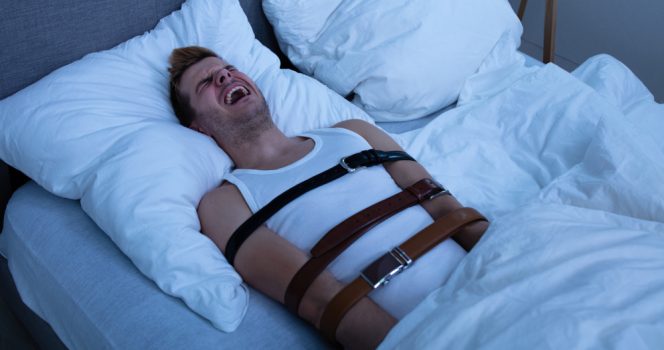
If you have ever woken up unable to move, speak, or call for help—despite being fully aware of your surroundings—you may have experienced sleep paralysis. The sensation can be deeply unsettling, especially the first time it happens. Many people describe a feeling of panic, pressure, or fear that lingers long after the episode ends. Because the experience feels so unusual and personal, people often hesitate to talk about it, assuming it is rare or even abnormal.
In reality, sleep paralysis is far more common than most people realize. Medical researchers estimate that nearly one in three people will experience at least one episode at some point in their lives. Understanding what sleep paralysis is, why it happens, and how to manage it can make the experience far less frightening.
What Sleep Paralysis Actually Is
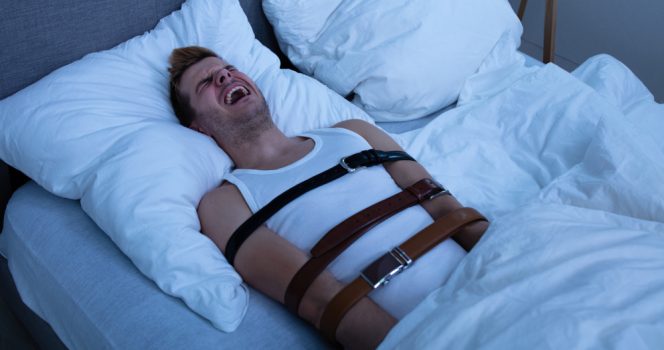
Sleep paralysis is a temporary condition that occurs during transitions between sleep and wakefulness. It usually happens either as you are falling asleep or as you are waking up. During an episode, your mind becomes conscious, but your body remains temporarily unable to move or speak.
Although the experience can feel alarming, sleep paralysis is considered a type of parasomnia, a category of sleep-related behaviors that occur during partial arousal from sleep. According to medical sources such as the Cleveland Clinic, sleep paralysis occurs when the brain and body are briefly out of sync during the sleep cycle. Episodes typically last anywhere from a few seconds to a couple of minutes, though they can feel much longer when fear is involved.
Importantly, sleep paralysis is not dangerous. It does not cause physical harm, does not damage the brain, and is not considered a disease. While it can be emotionally distressing, it is a natural and well-documented sleep phenomenon.
How Common Is Sleep Paralysis?
Despite how isolating it can feel, sleep paralysis is surprisingly widespread. Research suggests that approximately 30 percent of people will experience it at least once in their lifetime. Some people encounter it only once, while others may have recurring episodes over several years.
Sleep paralysis can affect people of all ages, though it often begins in adolescence or early adulthood. Students, shift workers, and people with irregular sleep schedules appear to be more vulnerable. While most individuals outgrow frequent episodes over time, others may continue to experience them intermittently throughout adulthood.
Common Symptoms and Sensations
The defining symptom of sleep paralysis is the inability to move or speak while being mentally awake. However, many people experience additional sensations that make the episode feel far more intense.
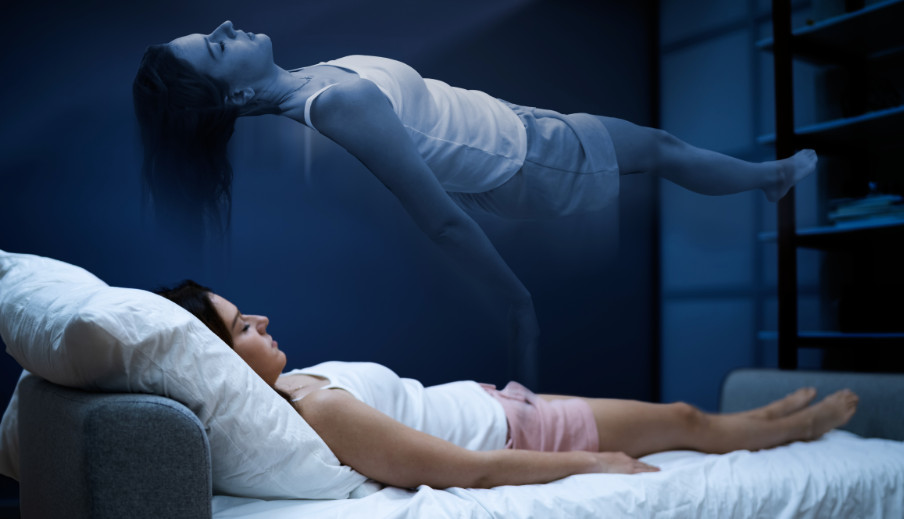
Common symptoms include a feeling of pressure on the chest, difficulty breathing, vivid hallucinations, and a strong sense of fear or panic. Some people report a sensation of floating or being outside their own body. Others describe the feeling that someone—or something—is present in the room.
Hallucinations during sleep paralysis can feel remarkably real. People may see shapes, hear voices, or sense movement nearby. These experiences are a result of dream imagery blending into wakefulness, not a sign of psychological illness. While deeply unsettling in the moment, they are harmless and temporary.
What Causes Sleep Paralysis?
To understand sleep paralysis, it helps to look at how sleep works. During rapid eye movement (REM) sleep—the stage when most vivid dreaming occurs—the brain temporarily reduces muscle activity. This natural process, called muscle atonia, prevents people from physically acting out their dreams.
Sleep paralysis occurs when the brain wakes up before the body regains full muscle control. The result is a brief period in which you are conscious but unable to move. This mismatch between mental awareness and physical mobility is the core cause of the condition.
Several factors can increase the likelihood of experiencing sleep paralysis. High stress levels, anxiety, poor sleep quality, irregular sleep schedules, and exhaustion are among the most commonly reported triggers. People who are sleep-deprived or dealing with significant emotional strain appear to be especially susceptible.
Sleep experts, including cognitive behavioral therapy specialists who focus on sleep health, note that disrupted routines and chronic fatigue often play a major role. While the exact cause can vary from person to person, improving overall sleep hygiene can significantly reduce the frequency of episodes.
A Condition Known for Centuries
Although sleep paralysis may feel like a modern concern, it has been documented for centuries. Ancient Persian medical texts described similar experiences as early as the 10th century. One of the first detailed medical accounts in Europe was recorded by a Dutch physician in 1664.
Across history, cultures around the world developed their own explanations for the phenomenon. In Japan, sleep paralysis is sometimes described as being “bound by steel.” In parts of China, it is known as “ghost pressure.” Various African traditions describe it as a supernatural presence sitting on the sleeper’s back.
These interpretations emerged long before modern sleep science offered physiological explanations. While cultural descriptions differ, the underlying experience remains remarkably consistent across time and geography.
Why the Hallucinations Feel So Real
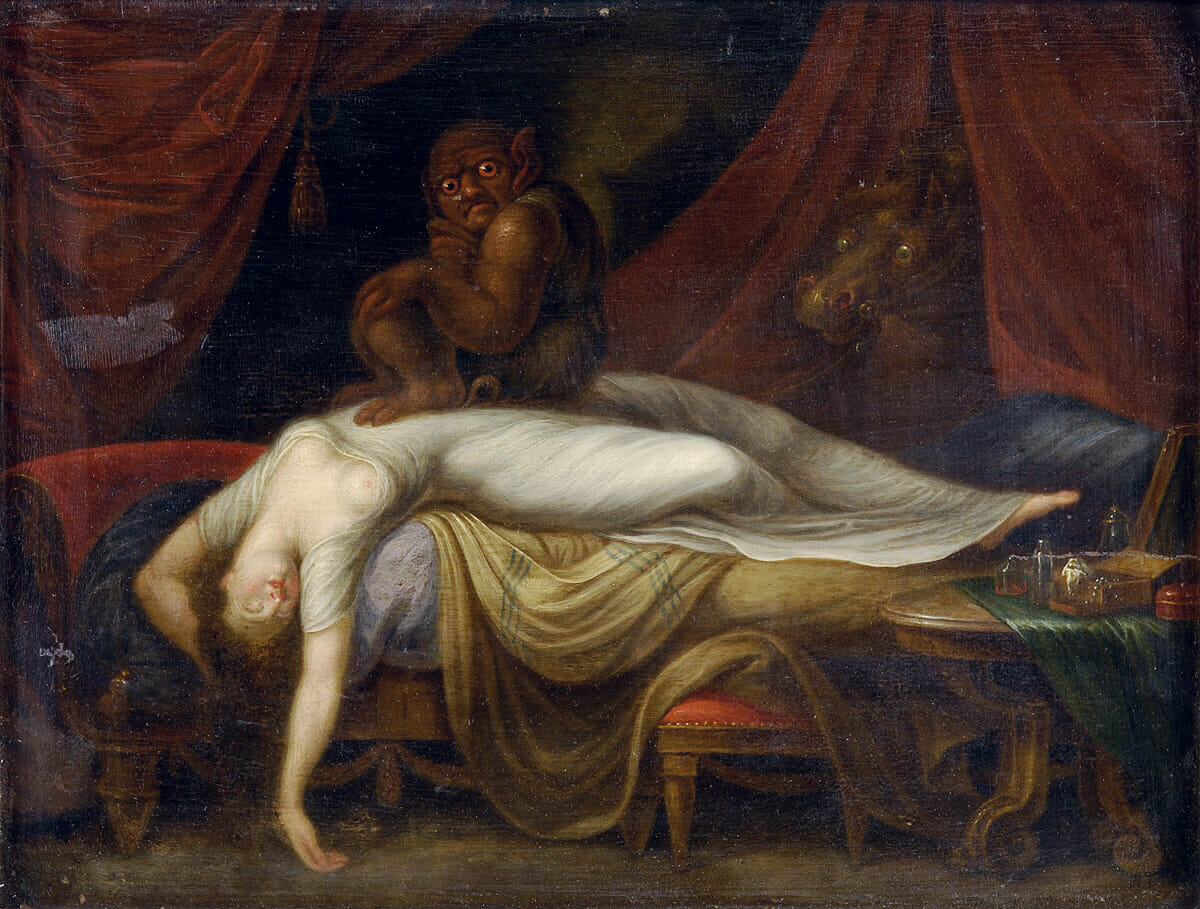
One of the most disturbing aspects of sleep paralysis is the vivid hallucinations some people experience. These can include seeing a figure in the room, hearing footsteps, or feeling pressure on the chest. The fear associated with these sensations can be intense, even for people who know what sleep paralysis is.
These hallucinations occur because the brain is partially dreaming while awake. The emotional centers of the brain are highly active during REM sleep, which explains why fear and panic can feel overwhelming. The rational parts of the brain, responsible for logical thinking, may not be fully engaged yet.
Public figures have spoken openly about their experiences with sleep paralysis, helping to reduce stigma and raise awareness. Artists, musicians, and creatives have described sensations of vibrations, floating, or being pulled into another state. While these accounts vary, they all reflect the same underlying sleep-related process.
How to Reduce the Risk of Sleep Paralysis
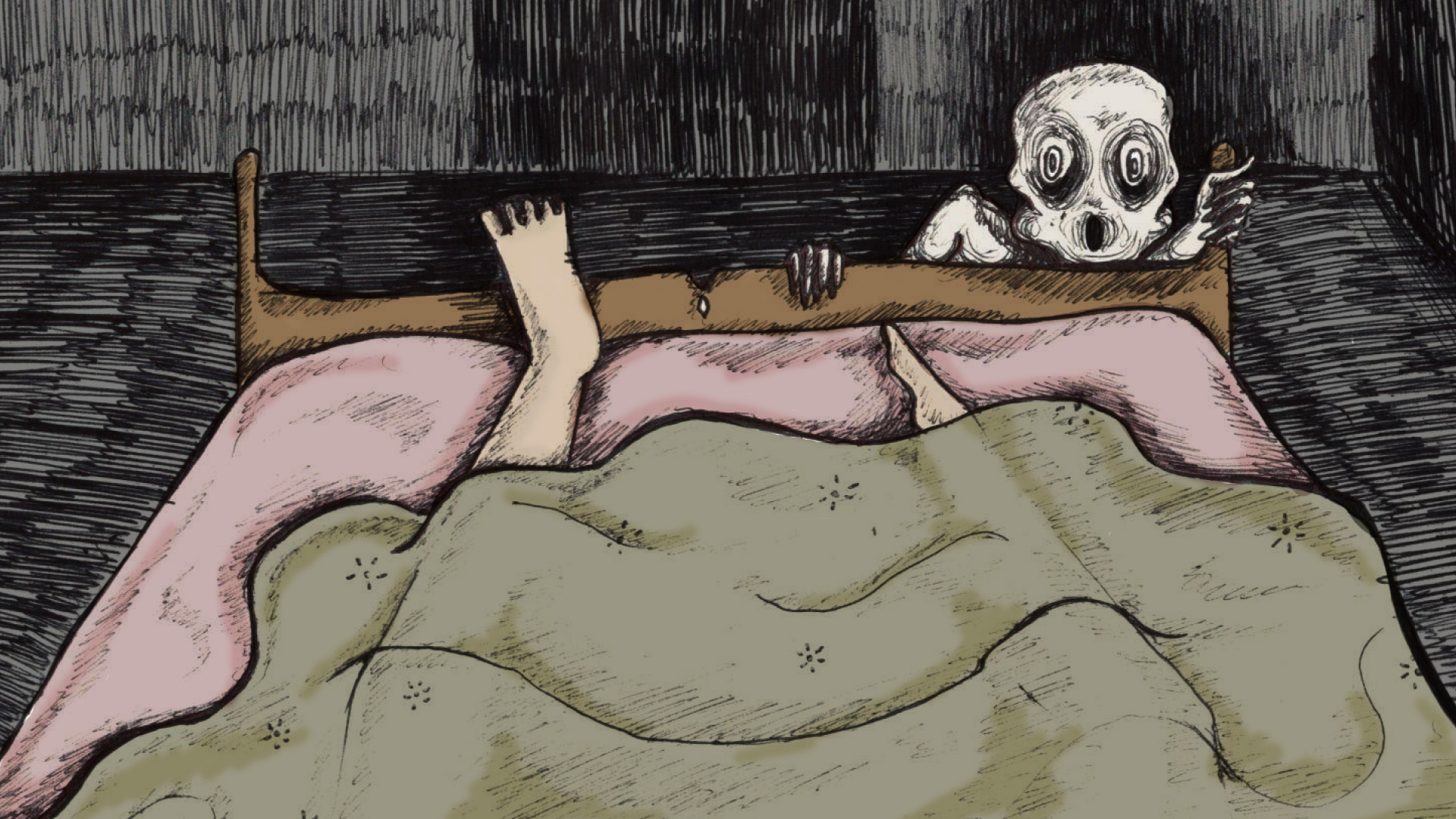
While sleep paralysis cannot always be prevented, there are practical steps that can reduce how often it occurs. Establishing consistent sleep habits is one of the most effective strategies.
Going to bed and waking up at the same time each day helps regulate the body’s internal clock. Reducing stress before bedtime, avoiding screens in the hour leading up to sleep, and creating a calm, comfortable sleeping environment can also make a meaningful difference.
Managing anxiety, addressing chronic exhaustion, and prioritizing rest are especially important for people who experience recurring episodes. In some cases, improving sleep quality alone is enough to significantly reduce symptoms.
What to Do During an Episode
If sleep paralysis does occur, staying calm can help shorten the experience. Focusing on slow, steady breathing may reduce panic. Many people find it helpful to concentrate on moving just one small part of the body, such as a finger or toe. Once a small amount of movement returns, full muscle control usually follows quickly.
Reminding yourself that the episode is temporary and harmless can also help reduce fear. While the sensations may feel intense, they will pass on their own.
Understanding Brings Reassurance
Sleep paralysis can be a deeply unsettling experience, especially for those encountering it for the first time. However, understanding what is happening in the brain and body can remove much of the fear. This condition is not a sign of danger, mental illness, or supernatural forces. It is a well-known, explainable part of human sleep physiology.
By sharing accurate information and encouraging open discussion, more people can recognize sleep paralysis for what it is and feel less alone when it happens. With awareness, preparation, and healthy sleep habits, this strange experience becomes far less terrifying—and far more manageable.