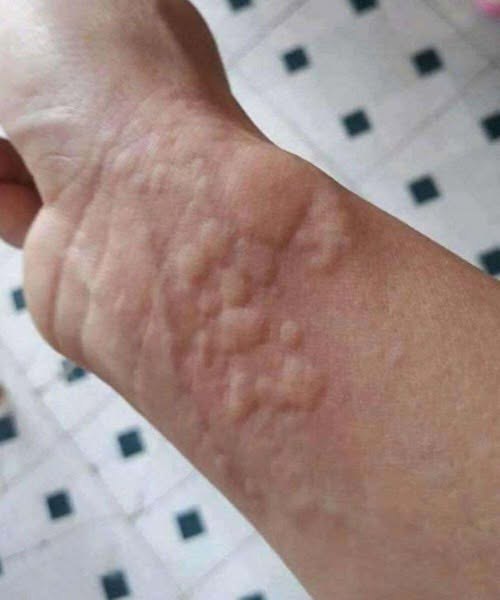
It often begins with something easy to dismiss. A patch of itchy skin. A few raised welts that look like a simple reaction to food, weather, or detergent.
But sometimes, the body sends signals that deserve immediate attention.
When hives appear together with changes in breathing, the situation may no longer be minor. It may be a sign of Anaphylaxis, a condition that requires urgent care.
Understanding the difference between a mild reaction and a serious one can help protect lives.
What Are Hives?
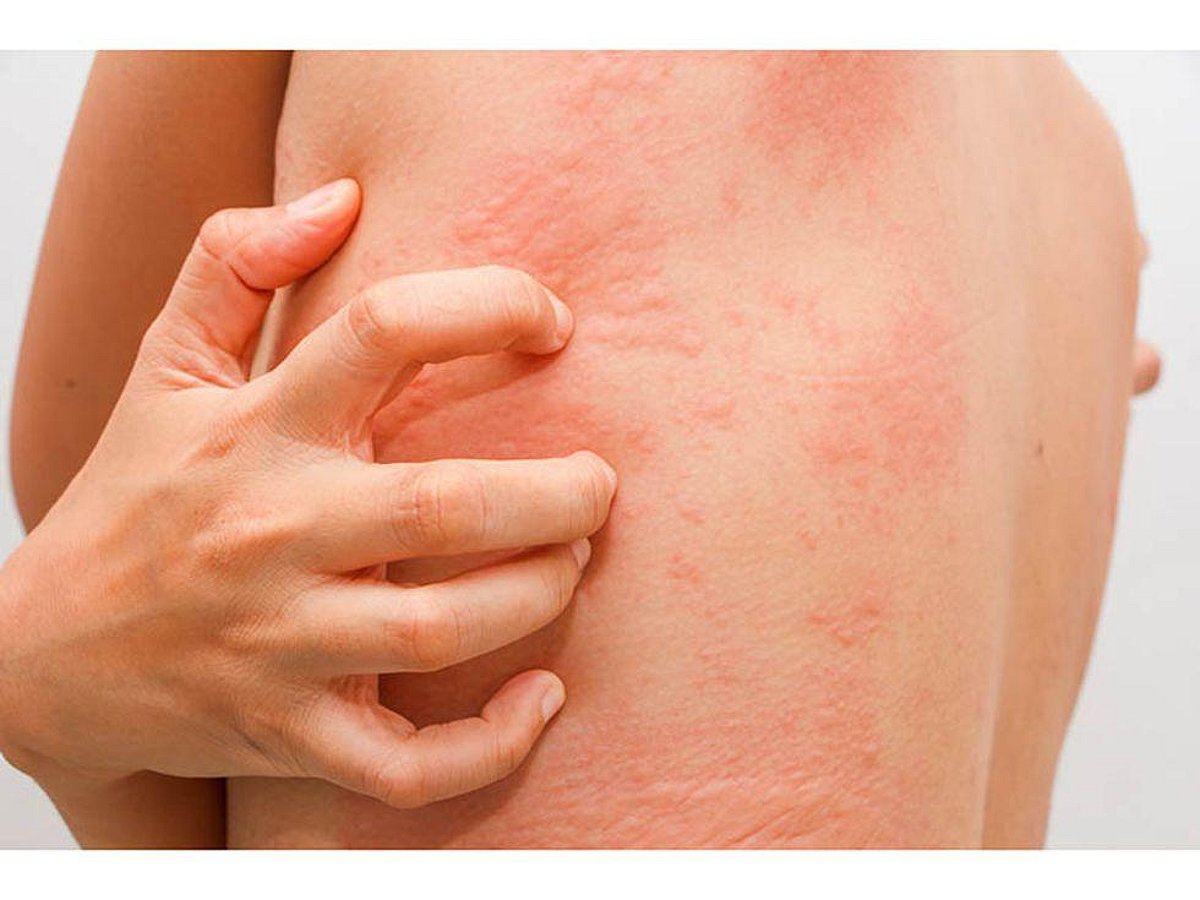
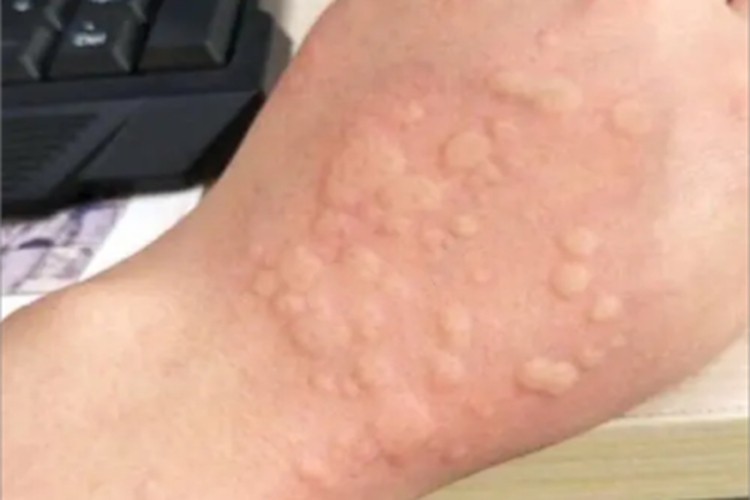
Hives are raised, itchy welts that can appear suddenly on the skin. They may be triggered by:
Food
Medications
Insect stings
Environmental factors
In many cases, hives are harmless and resolve on their own. However, they can also be part of a larger allergic response.
What Is Anaphylaxis?
Anaphylaxis is a rapid and systemic reaction of the immune system. It occurs when the body overreacts to a substance it mistakenly identifies as harmful.
This reaction can affect multiple systems at once, including:
Skin
Respiratory system
Circulatory system
Because it can progress quickly, recognizing early signs is critical.
Key Warning Signs to Watch For
The combination of symptoms is what matters most.
Skin Changes
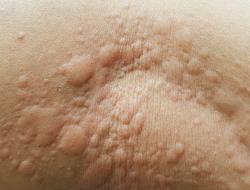
Hives spreading across the body
Redness or itching
Breathing Changes
Tightness in the chest
Wheezing or difficulty breathing
A feeling of throat discomfort or closing
Swelling
Lips, tongue, or face becoming swollen
When these symptoms appear together, they should be treated as a medical emergency.
Why Breathing Changes Are Serious
Skin reactions alone may be uncomfortable, but breathing changes indicate that the reaction is affecting the airway.
This can lead to:
Reduced airflow
Difficulty getting enough oxygen
Rapid worsening of symptoms
That is why the combination of hives and breathing difficulty is considered a critical warning sign.
The Role of Epinephrine
The primary emergency treatment for Anaphylaxis is Epinephrine.
Epinephrine works by:
Opening airways
Reducing swelling
Supporting blood circulation
People with known severe allergies are often prescribed an auto-injector for immediate use. Medical experts emphasize that it should be used at the first sign of breathing difficulty, not delayed.
Why Immediate Action Matters
One of the biggest risks in allergic emergencies is hesitation.
Some individuals may wait, hoping symptoms will pass. Others may underestimate the seriousness of the situation.
However, Anaphylaxis can escalate quickly. Acting early significantly improves outcomes.
The recommended response includes:
Use epinephrine if available
Call emergency services immediately
Stay with the affected person and monitor breathing
The Psychological Signal: Trusting Your Instincts
Many people report a sudden sense of anxiety or “something is wrong” feeling during severe allergic reactions.
This is not imagined. It is part of the body’s internal alarm system.
Recognizing and trusting this signal can help prompt faster action, especially when physical symptoms are still developing.
Common Triggers
Triggers for severe allergic reactions can vary widely and may include:
Certain foods such as nuts, seafood, or dairy
Medications
Insect stings
Environmental allergens
In some cases, a person may react to something they previously tolerated. This unpredictability is one reason awareness is so important.
Prevention and Preparedness
For those with known allergies, preparation can make a critical difference.
Helpful steps include:
Carrying prescribed emergency medication
Informing family, friends, or coworkers
Reading food labels carefully
Consulting healthcare providers for guidance
Even for those without known allergies, understanding the warning signs helps protect both yourself and others.
A Balanced Perspective
It is important to note that not all hives indicate a serious condition. Many cases remain mild and temporary.
However, the presence of breathing changes transforms the situation.
The key is not to panic, but to recognize when symptoms cross from minor to urgent.
A Reflection on Awareness
The human body communicates in subtle ways, and sometimes in urgent ones.
A simple skin reaction can be harmless. But when combined with breathing difficulty, it becomes a clear signal that immediate attention is needed.
Awareness is not about fear. It is about readiness.
Knowing what to look for, and how to respond, turns uncertainty into action. And in critical moments, that knowledge can make all the difference.
Sources
World Health Organization. “Severe Allergic Reactions and Emergency Response.”
Mayo Clinic. “Anaphylaxis: Symptoms and Causes.”
American Academy of Allergy, Asthma & Immunology. “Recognizing and Treating Anaphylaxis.”
Centers for Disease Control and Prevention. “Allergic Reactions and Emergency Care.”
National Health Service (UK). “Hives and Severe Allergic Reactions.”