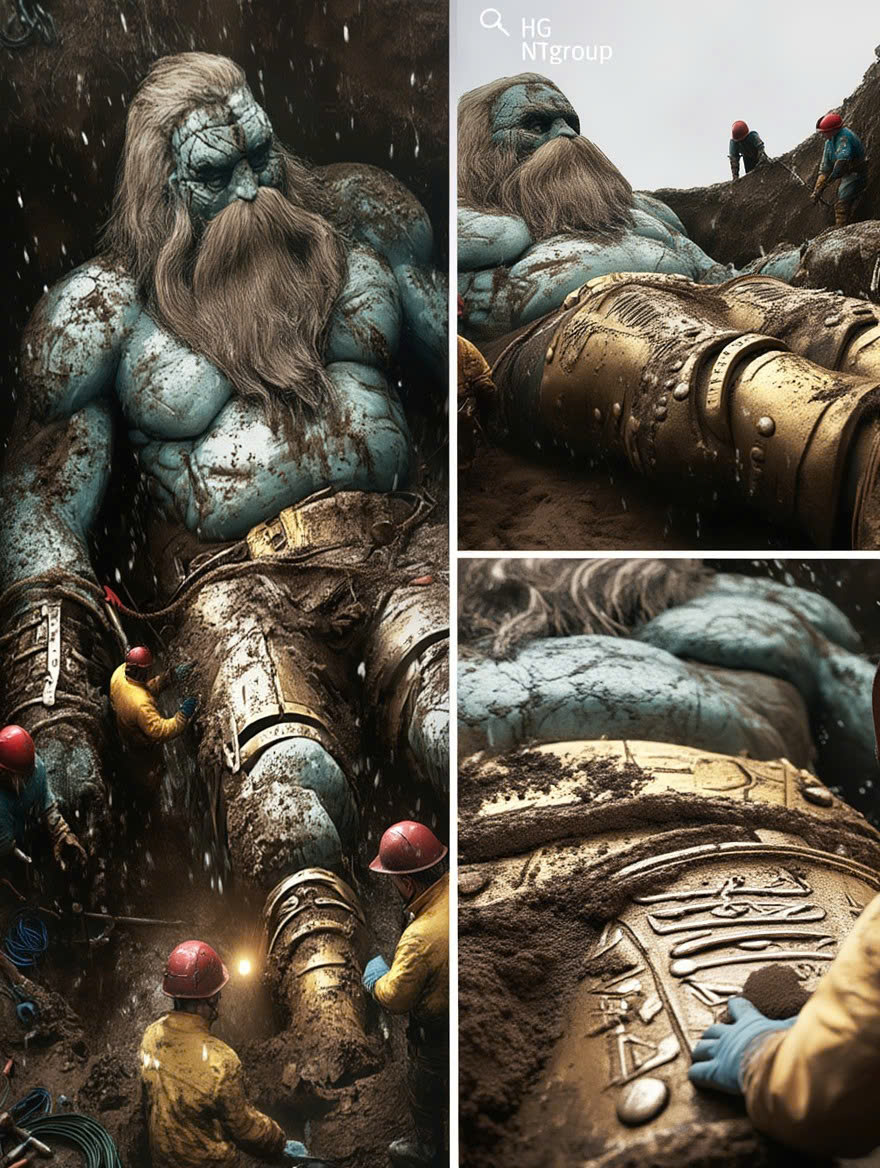
High above the clouds, where narrow paths wind through rugged peaks and mist drifts across ancient stone ruins, the Andes Mountains continue to inspire stories of hidden civilizations and forgotten worlds.
For generations, explorers, historians, and local communities have shared legends about sacred cities concealed deep within the mountains. Some tales speak of abandoned temples hidden by forests and time, while others describe entire settlements lost after environmental disasters, conflict, or the collapse of ancient societies.
Now, renewed online interest surrounding mysterious stone structures in the Andes has reignited global fascination. Reports describing massive carved stones, unusual architectural alignments, and weathered inscriptions have fueled speculation that undiscovered chapters of human history may still remain hidden among the mountains.
While some internet discussions have dramatically compared the alleged site to mythical lost civilizations such as Atlantis, archaeologists urge caution. Experts emphasize that extraordinary claims require evidence, and many viral interpretations go far beyond what current research actually supports.
Yet even without sensational theories, the real history of ancient Andean cultures is already remarkable enough to capture the imagination.
Why the Andes Fascinate Archaeologists
A Landscape Built for Mystery
Stretching along the western edge of South America, the Andes Mountains form one of the longest mountain ranges in the world.
The terrain is vast, steep, and often difficult to access. Dense forests, high altitude valleys, glaciers, and remote plateaus create natural barriers that have preserved archaeological sites for centuries.
Researchers explain that many areas remain only partially explored due to environmental challenges and limited excavation opportunities. This has contributed to the enduring idea that unknown ruins may still exist in isolated regions.
The mountains themselves also inspire mystery because changing weather, erosion, and shifting light conditions can dramatically alter how ancient structures appear.
Stone formations partially buried by vegetation or damaged by earthquakes may seem almost otherworldly when viewed through photographs or online videos.
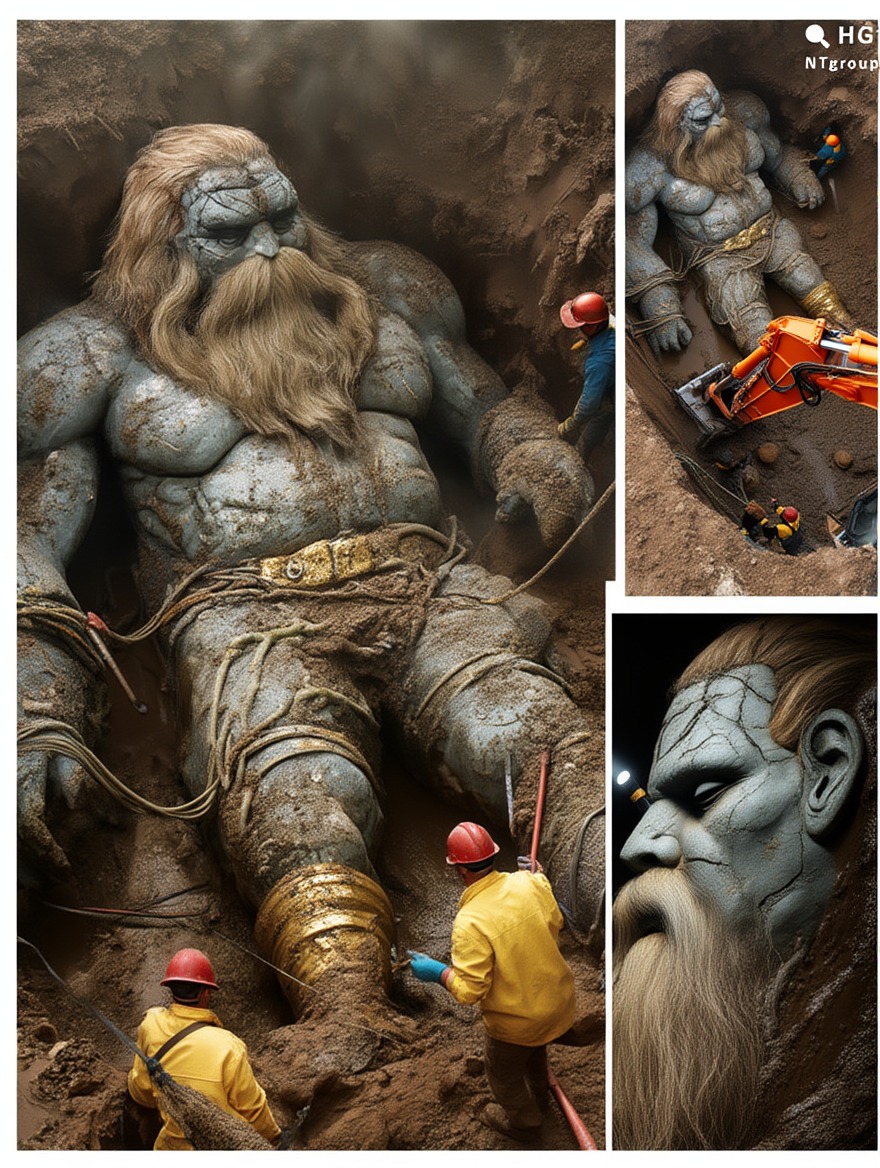
Ancient Civilizations Thrived in Extreme Conditions
What scientists do know is that ancient Andean civilizations achieved extraordinary levels of engineering, agriculture, and architecture long before modern technology existed.
Cultures throughout the region built terraced farming systems, complex road networks, ceremonial sites, and mountain cities capable of surviving in difficult high altitude environments.
The most famous example is likely Machu Picchu, the breathtaking Inca citadel perched high above the Sacred Valley in Peru.
Even today, archaeologists continue studying how ancient builders transported enormous stones, aligned structures with astronomical events, and developed sustainable systems within mountainous terrain.
The Appeal of Lost Civilization Theories
Why People Imagine Hidden Worlds
Whenever ancient ruins are discovered or rediscovered, speculation often follows.
Humans are naturally drawn to stories involving hidden cities, forgotten knowledge, and mysterious civilizations. These narratives combine exploration, uncertainty, and imagination in ways that feel deeply compelling.
Online discussions surrounding the recent Andes claims have included references to “Atlantus,” a nickname inspired by the legend of Atlantis. However, archaeologists emphasize that these comparisons are symbolic rather than scientific.
There is currently no verified evidence connecting Andean archaeological sites to mythical advanced civilizations or supernatural origins.
Still, such theories remain popular because they transform real history into something emotionally larger and more mysterious.
The Influence of Mythology and Folklore
Legends about hidden cities have existed throughout the Andes for centuries.
Stories of lost temples, sacred mountain settlements, and concealed treasures became woven into local folklore long before the modern internet amplified them globally.
One famous example is the legend of El Dorado, the mythical golden city sought by European explorers for generations.
Although no literal golden city was ever discovered, the legend reflected real Indigenous cultures whose wealth, craftsmanship, and ceremonial traditions amazed outsiders.
In many cases, myths grow around fragments of historical truth combined with imagination and storytelling.
What Archaeologists Actually Say
Extraordinary Engineering Was Real
Experts stress that ancient Andean societies were genuinely advanced in many practical ways.
The Inca civilization and earlier cultures developed sophisticated stone masonry techniques capable of withstanding earthquakes. Some structures were assembled so precisely that stones fit together without mortar.
Researchers also study evidence of astronomical alignment at ceremonial centers, where buildings may have been positioned to track solstices, seasonal changes, or celestial events.
None of this requires supernatural explanations. Instead, it reflects generations of observation, experimentation, and cultural knowledge.
The achievements of these civilizations remain impressive precisely because they were accomplished through human ingenuity.
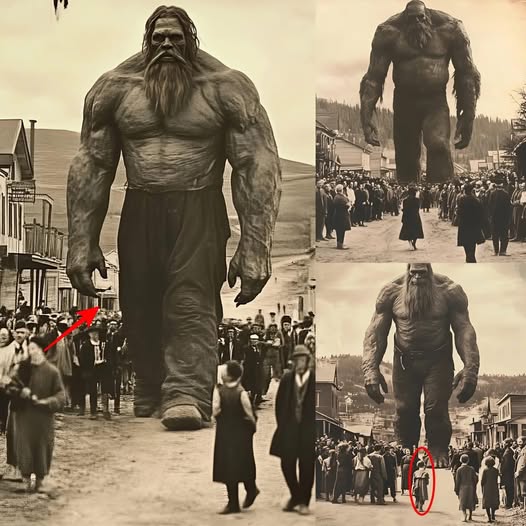
Why Ancient Ruins Sometimes Look “Impossible”
Modern viewers often underestimate what ancient societies could achieve without industrial machinery.
As a result, massive stone structures or unusual architectural designs may appear mysterious at first glance. Internet speculation sometimes fills gaps in understanding with dramatic theories involving lost technology or extraterrestrial influence.
Archaeologists caution that such interpretations can unintentionally diminish the accomplishments of real ancient cultures by implying humans could not have built these structures themselves.
In reality, centuries of archaeological research continue revealing how skilled and resourceful these civilizations truly were.
How Nature Changes Ancient Sites
Time Reshapes the Landscape
One reason ancient ruins seem mysterious is because nature dramatically transforms structures over long periods.
Earthquakes, erosion, landslides, vegetation growth, and climate shifts can partially bury or distort buildings, making them appear fragmented or unnatural.
In mountainous regions especially, harsh environmental conditions may hide entire sections of archaeological sites beneath rock, soil, or forest growth.
Researchers explain that some ruins discovered today likely appeared very different when originally inhabited.
Why Remote Areas Remain Understudied
Many parts of the Andes remain difficult to access even with modern technology.
Remote elevation, unstable terrain, and limited infrastructure can slow archaeological work considerably. Some locations require days of travel on foot before excavation teams can even begin research.
Because of these challenges, experts believe additional undiscovered or undocumented sites may still exist throughout the region.
This possibility continues fueling public fascination with the Andes as a landscape where history may still be waiting beneath the surface.
The Relationship Between Science and Mystery
Curiosity Drives Discovery
Scientists do not dismiss curiosity about ancient civilizations. In fact, curiosity itself often motivates archaeological exploration.
Many important discoveries began with local legends, oral traditions, or unusual observations later investigated through careful research.
However, archaeologists emphasize the importance of separating evidence based conclusions from speculation.
A site can be historically significant and culturally fascinating without requiring supernatural explanations.
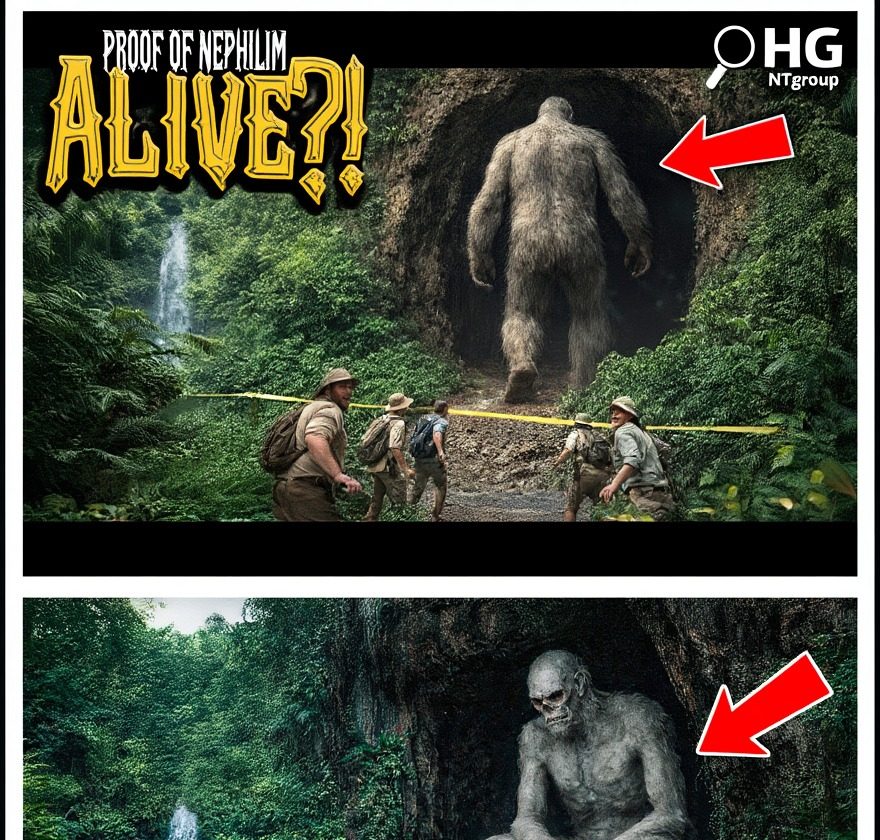
Why Mystery Stories Continue to Spread Online
The internet rewards dramatic storytelling. Claims involving hidden worlds, ancient secrets, or advanced lost civilizations naturally attract attention because they trigger wonder and imagination.
At the same time, real archaeology often moves slowly. Excavation, dating analysis, and peer reviewed research can take years before conclusions are confirmed.
This difference between fast moving online speculation and cautious scientific investigation creates tension between entertainment and evidence.
Humanity’s Forgotten History
Ancient Civilizations Were More Sophisticated Than Many Realize
One of the most important lessons from Andean archaeology is that ancient societies possessed extraordinary knowledge, organization, and creativity.
Too often, modern people assume technological sophistication belongs only to recent history. Yet ancient civilizations across the world developed astronomy, engineering, agriculture, architecture, and social systems adapted to complex environments.
The Andes offer powerful reminders of that reality.
Structures perched high in mountain ranges, carefully aligned ceremonial sites, and vast networks connecting remote regions all demonstrate impressive human capability.
Why the Past Still Feels Alive
Places like Andes Mountains continue inspiring fascination because they connect modern people to deep stretches of human history.
Walking among ancient stones surrounded by clouds and towering peaks naturally evokes questions about who once lived there, what they believed, and how much knowledge may still remain hidden.
Even when myths are exaggerated, they reflect genuine wonder about humanity’s past.
The Real Discovery Behind the Mystery
The idea of a forgotten civilization hidden in the Andes captures attention because it speaks to a universal desire to uncover lost stories and hidden truths.
Yet the most remarkable reality may not be the existence of secret worlds or mythical advanced societies. It may be the growing recognition that ancient human civilizations were already far more sophisticated than many once imagined.
Archaeologists continue exploring the Andes not to prove supernatural theories, but to better understand the ingenuity, resilience, and creativity of real people who thrived in one of the world’s most challenging environments.
Sometimes the greatest discoveries are not evidence of impossible mysteries, but reminders of how much human history still waits to be understood.
Sources
UNESCO World Heritage Centre: Machu Picchu
National Geographic Archaeology