Some stories remind us that behind every emergency call is a chance to change someone’s future.
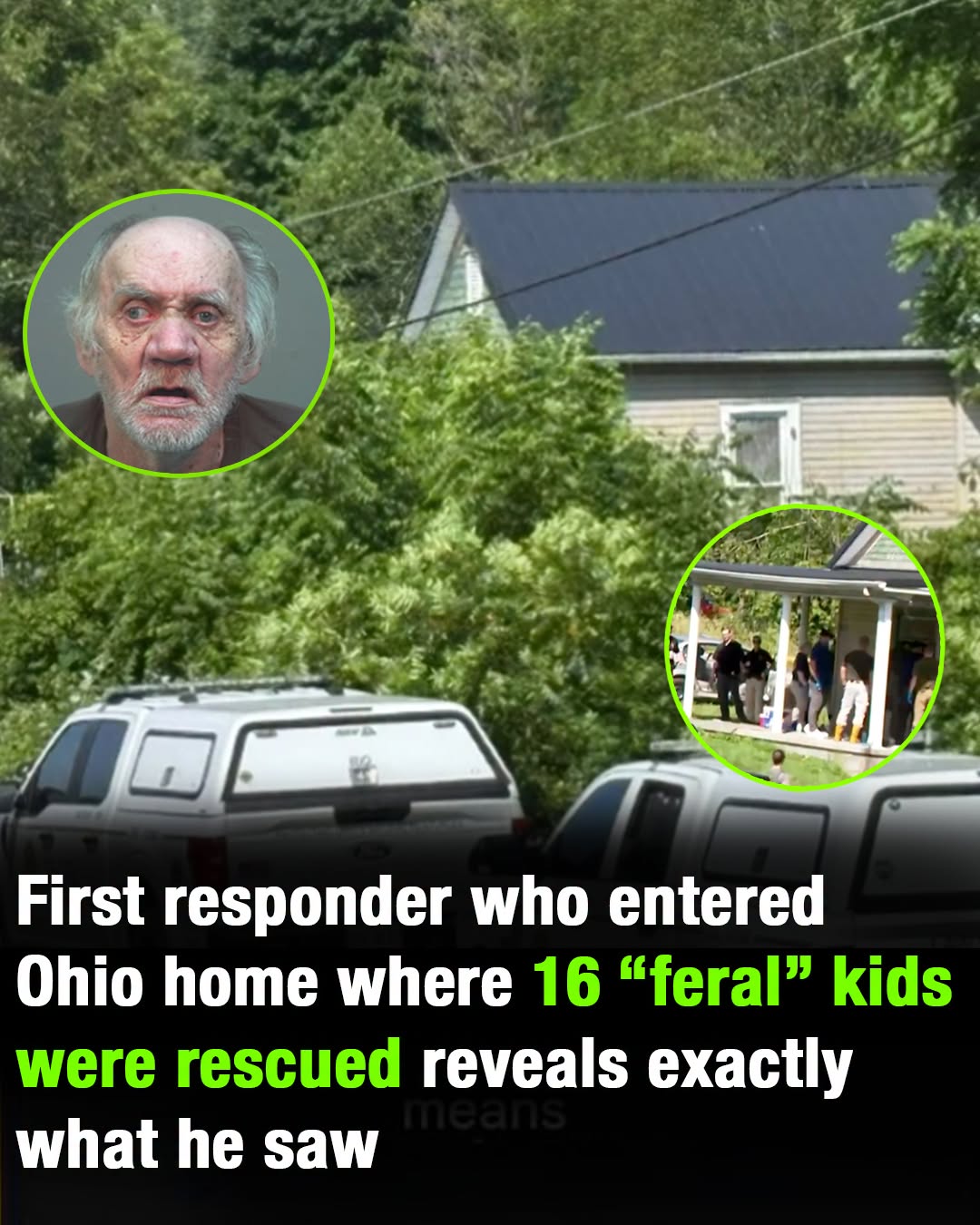
On a summer morning in rural Ohio, first responders arrived at a property expecting another routine investigation. Instead, they encountered a situation that would leave a lasting impression on everyone involved. Authorities discovered 16 children ranging in age from toddlers to teenagers who were in need of immediate care and support. According to investigators, many of the children had experienced prolonged isolation and challenging living conditions.
For the emergency personnel, the mission quickly became about providing reassurance, safety, and hope. One first responder later recalled that the children sat quietly during the drive to medical facilities, unsure of what would happen next. That image has remained with many of those who participated in the rescue.
While legal proceedings continue and allegations are still being examined through the court system, the story has sparked conversations across the country about child welfare, community responsibility, and the critical role of first responders.
Understanding the Ohio Child Welfare Investigation
Authorities reported that the investigation began after concerns about children living at a rural property in Vinton County, Ohio.
According to public statements from law enforcement officials, officers entered the home on June 30 and located 16 children between the ages of 18 months and 18 years. Officials described the environment as unsafe and said several children required immediate medical evaluation.
Investigators also stated that many of the children had limited interaction with the outside world over several years. These findings remain part of an ongoing investigation, and the allegations will ultimately be addressed through the legal process.
The children were transported to medical facilities where healthcare professionals could assess their condition and provide appropriate treatment and support.

The First Responders’ Perspective
Emergency responders are trained to remain calm during difficult situations, but some incidents remain unforgettable.
One acting fire public information officer shared that transporting several of the children to the hospital became one of the most emotional experiences of his career.
He described the children as unusually quiet during the journey.
Rather than asking questions or expressing excitement, they reportedly sat silently, uncertain about where they were going or what would happen next.
For many first responders, moments like these reinforce that emergency work extends far beyond physical rescue. Offering reassurance, creating a sense of safety, and treating people with dignity are equally important aspects of their profession.
Why Child Welfare Cases Can Be Complex
Child welfare investigations are among the most sensitive cases handled by law enforcement and social service agencies.
Unlike emergencies involving accidents or natural disasters, these situations often require cooperation among multiple organizations, including:
- Law enforcement
- Medical professionals
- Child protective services
- Mental health specialists
- Family courts
- Community organizations
The primary goal is always the safety and long-term well-being of children while ensuring that legal procedures are followed fairly.
Because every family situation is unique, investigations can take months before all facts are fully established.
The Importance of Due Process
Although authorities have filed criminal charges against several family members, the legal system requires that allegations be evaluated through established judicial procedures.
Defense attorneys involved in the case have emphasized that every individual is entitled to the presumption of innocence until proven otherwise in court.
This principle serves as an important reminder that public attention should not replace the legal process.
While the circumstances described by investigators have generated widespread concern, the courts are responsible for determining legal responsibility based on evidence.
How Isolation Can Affect Children’s Development
Experts in child development have long emphasized the importance of social interaction during childhood.
Children typically learn through everyday experiences such as:
- Attending school
- Playing with peers
- Talking with adults
- Participating in family activities
- Exploring their communities
When opportunities for regular interaction are significantly limited over extended periods, children may require additional educational, emotional, and developmental support.
Every child responds differently to challenging circumstances, which is why individualized care plans are often developed after rescue situations.

The Role of Healthcare Professionals
Following rescue operations involving children, medical teams focus on far more than physical health.
Comprehensive evaluations may include:
Physical Health Assessments
Doctors examine overall health, nutrition, and any medical needs requiring treatment.
Emotional Support
Mental health professionals help children process unfamiliar environments and build trust gradually.
Developmental Evaluations
Specialists assess learning, communication, and developmental milestones to determine appropriate educational support.
Long-Term Planning
Recovery often involves collaboration among pediatricians, psychologists, educators, and social workers to create personalized care strategies.
Why First Responders Often Carry Emotional Memories
Emergency personnel witness situations that most people never encounter.
Although they receive professional training, many responders acknowledge that certain incidents remain deeply memorable.
Healthcare organizations increasingly recognize the importance of supporting emergency workers through:
- Peer support programs
- Professional counseling
- Stress management resources
- Critical incident debriefings
Providing emotional support for responders helps ensure they remain healthy while continuing to serve their communities effectively.
Community Awareness Matters
Many child welfare cases come to light because concerned community members report unusual circumstances.
Teachers, healthcare providers, neighbors, relatives, and local organizations all play important roles in recognizing situations where children may need assistance.
Most child protection agencies encourage people to report concerns when they believe a child’s safety or well-being may be at risk.
Early intervention can often connect families with resources before challenges become more serious.
The Power of Compassion During Recovery
Recovery is rarely immediate.
Children adjusting to new environments may need time to become comfortable with routines that many people take for granted.
Simple experiences can gradually help rebuild confidence, including:
- Regular meals
- Safe places to sleep
- Consistent daily schedules
- Access to education
- Opportunities for recreation
- Supportive relationships
Professionals emphasize that healing often happens through patience rather than dramatic moments.
What This Story Teaches About Child Protection
Although the details of this investigation continue to emerge, several broader lessons stand out.
Every Child Deserves Safety
Regardless of background or circumstances, children benefit from stable environments where they can learn, grow, and develop healthy relationships.
Communities Matter
Effective child protection depends on cooperation among families, educators, healthcare providers, neighbors, and public agencies.
First Responders Serve Beyond Emergencies
Police officers, firefighters, emergency medical personnel, and healthcare workers often provide reassurance during some of life’s most uncertain moments.

Recovery Takes Time
Physical care represents only one step in a much longer process that may include education, counseling, healthcare, and ongoing family support.
Looking Beyond the Headlines
High-profile investigations often generate widespread media attention because they involve vulnerable individuals and raise important questions about community responsibility.
However, headlines rarely capture the long-term efforts that follow.
Behind every rescue are professionals who continue working for months or years to support children’s education, emotional well-being, healthcare, and future opportunities.
These quieter chapters rarely receive the same attention, yet they are often where meaningful progress occurs.
A Reminder of Human Compassion
The Ohio investigation has prompted conversations about child protection, emergency response, and community responsibility across the United States.
While legal proceedings continue and the facts will ultimately be evaluated by the courts, one aspect remains clear: countless professionals devoted their time and expertise to ensuring that vulnerable children received immediate care and support.
Stories like this remind us that compassion is often expressed through steady, everyday service rather than dramatic moments. From first responders and healthcare workers to social workers and educators, many people dedicate their careers to helping others during difficult times.
They also remind us that curiosity should always be accompanied by empathy. Rather than focusing solely on extraordinary circumstances, we can learn more by understanding the systems, professionals, and communities that work together to protect children and create opportunities for brighter futures.
Sources
- Associated Press (AP)
- ABC News
- CBS News
- Vinton County Sheriff’s Office (official statements)
- Ohio Attorney General’s Office
- Newsner: First responder who entered Ohio home where 16 children were rescued reveals what he saw
- Child Welfare Information Gateway (U.S. Department of Health & Human Services)
- American Academy of Pediatrics (AAP) on child development and trauma-informed care