Most of us fall into bed at the end of the day without giving much thought to how we actually sleep. After hours of work, family responsibilities, daily chores, and the quiet exhaustion that builds by evening, sleep often feels less like a deliberate activity and more like a necessity we surrender to. We turn off the lights, lie down in whatever position feels comfortable, and let fatigue do the rest.
For many people, the primary goal is simple: get enough rest to make it through the next day. The finer details—posture, position, alignment—rarely cross the mind. As long as sleep happens, it feels like a success.
However, research into sleep health suggests that how we sleep may influence more than just comfort. During the hours we rest, the body continues to work: digesting food, circulating blood, regulating hormones, repairing tissues, and supporting immune function. Because of this, even something as subtle as sleeping position may affect how efficiently these processes occur.
One aspect that has received increasing attention is the side of the body a person sleeps on. While comfort and personal preference will always matter most, several studies and sleep experts suggest that sleeping on the left side may offer certain physiological advantages for some people.
Understanding Sleep Positions
Most adults naturally favor one of three general sleeping positions: on the back, on the stomach, or on the side. Among side sleepers, there is often a consistent preference for either the left or the right side. These preferences usually develop unconsciously over time, influenced by comfort, habit, or even early childhood patterns.
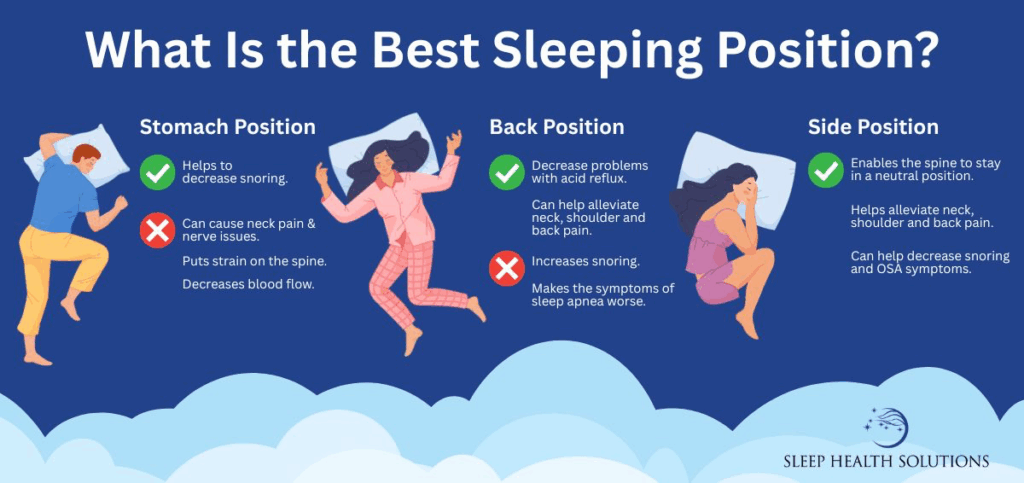
Back sleeping can help keep the spine aligned but may worsen snoring or sleep-related breathing issues for some individuals. Stomach sleeping may reduce snoring but can strain the neck and lower back. Side sleeping, which is the most common position, is often recommended for general comfort and spinal alignment—particularly when supported by an appropriate pillow and mattress.
Within side sleeping, however, left and right positions are not identical from an anatomical perspective.
Left-Side Sleeping and Digestive Comfort
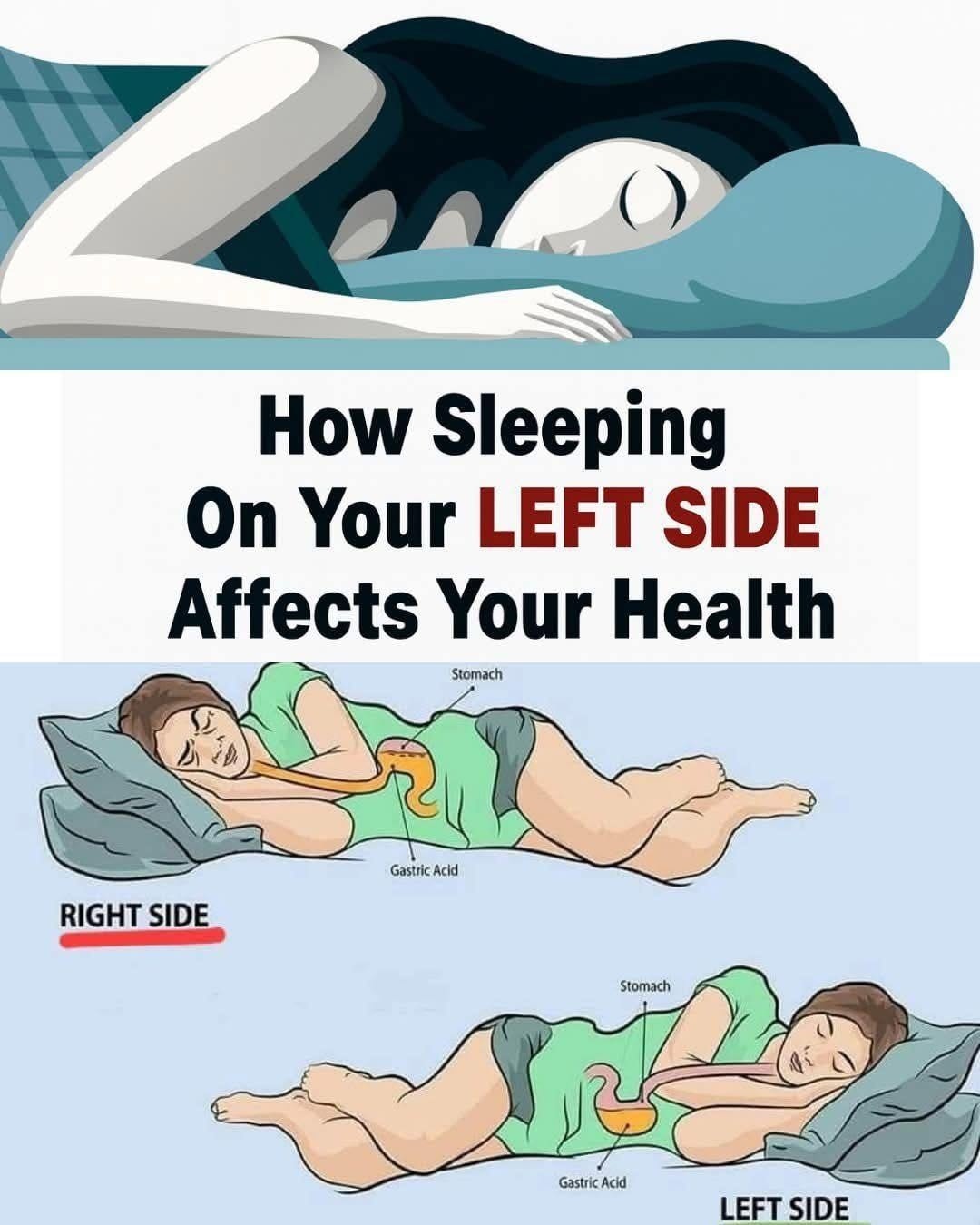
One of the most commonly cited benefits of sleeping on the left side relates to digestion, particularly for individuals who experience nighttime heartburn or acid reflux.
The stomach and esophagus are positioned in such a way that lying on the left side helps keep stomach contents below the opening to the esophagus. This orientation may reduce the likelihood of stomach acid flowing upward, which is what causes the burning sensation many people associate with reflux.
For individuals diagnosed with acid reflux or gastroesophageal reflux disease (GERD), doctors often recommend left-side sleeping as part of broader lifestyle management. While it is not a cure, this position may help reduce discomfort during the night and improve sleep quality.
Supporting the Body’s Natural Filtering Systems

The body relies on several organs to filter waste, manage fluids, and support immune health. Among these are the spleen and the liver, both of which play essential roles in maintaining balance within the body.
The spleen, located on the left side of the abdomen, helps filter blood and supports immune function by removing old or damaged blood cells. Sleeping on the left side may encourage improved circulation to this organ, allowing it to perform its role more efficiently.
The liver, on the other hand, is located primarily on the right side of the body and is responsible for processing nutrients, breaking down substances, and helping the body eliminate waste. When a person sleeps on the left side, gravity may reduce pressure on the liver, potentially supporting more efficient metabolic and detoxification processes overnight.
While these effects are subtle and vary from person to person, they illustrate how sleeping position can interact with the body’s internal layout.
Pregnancy and Left-Side Sleeping
Left-side sleeping is often specifically recommended for pregnant women, particularly during the later stages of pregnancy. As the uterus grows, it places increasing pressure on surrounding organs and major blood vessels.
Sleeping on the left side helps improve circulation by reducing pressure on the large vein that returns blood from the lower body to the heart. This position supports healthy blood flow to both the mother and the developing baby.
Medical organizations and sleep experts generally advise pregnant individuals to avoid prolonged back sleeping in the third trimester, as it may restrict circulation in some cases. Side sleeping—especially on the left—is widely considered the safest and most supportive position during pregnancy.
Encouraging Healthy Bowel Function
Another potential benefit of left-side sleeping relates to bowel movement and digestive transit. The junction between the small and large intestines is positioned on the left side of the abdomen.
When a person sleeps on their left side, gravity may assist the movement of waste through this area, potentially supporting more regular bowel movements. While this effect should not be overstated, some people report improved digestive comfort and consistency when adopting this position.
Digestive health is influenced by many factors, including diet, hydration, physical activity, and stress. Sleeping position alone will not resolve digestive issues, but it may play a supporting role in overall comfort.
Is Left-Side Sleeping Right for Everyone?
Despite the potential benefits, left-side sleeping is not a universal solution. Comfort remains the most important factor in healthy sleep. A position that causes pain, numbness, or frequent waking may ultimately do more harm than good.
Side sleeping can sometimes contribute to shoulder or hip discomfort, particularly if the mattress or pillow does not provide adequate support. People with certain joint conditions may find it difficult to stay on one side for extended periods.
Additionally, some individuals naturally shift positions multiple times during the night. This is normal and often beneficial, as it reduces pressure on any one area of the body.
The goal should not be to force a specific position, but to remain aware of how your body responds. If left-side sleeping feels comfortable and supportive, it may be worth incorporating more often. If it causes discomfort, there is no reason to insist on it.
Tips for More Comfortable Side Sleeping
For those interested in trying left-side sleeping, a few adjustments can make the transition easier:
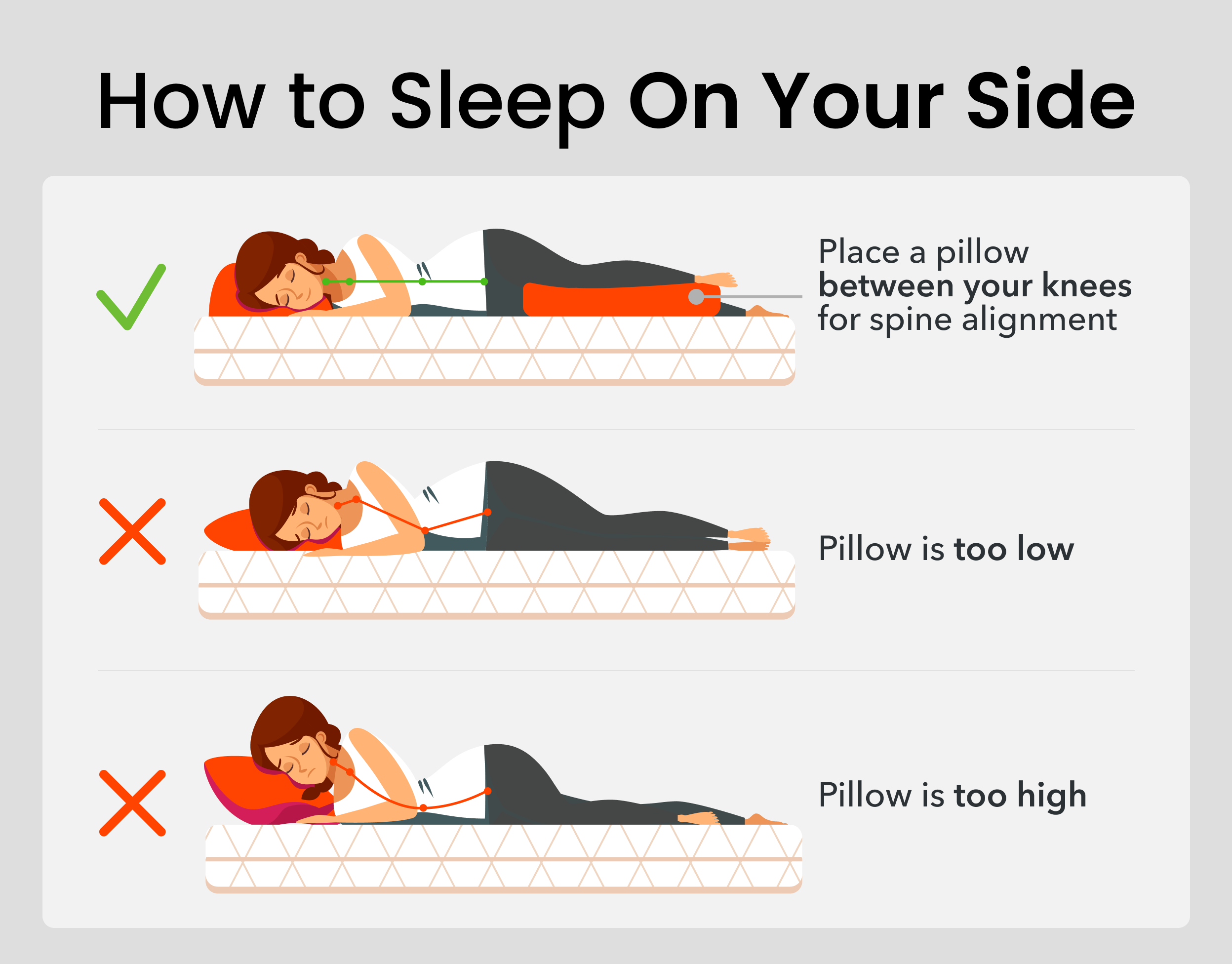
– Use a supportive pillow that keeps the neck aligned with the spine
– Place a pillow between the knees to reduce strain on the hips and lower back
– Choose a mattress that supports side sleeping without excessive pressure points
– Avoid heavy meals close to bedtime, especially if reflux is a concern
Small changes can make a noticeable difference in comfort and sleep quality.
The Bigger Picture of Sleep Health
Ultimately, sleep health is shaped by a combination of factors: duration, consistency, environment, and comfort. Sleeping position is just one piece of a larger puzzle.
Getting enough rest, maintaining a regular sleep schedule, managing stress, and creating a calm bedtime routine all play essential roles in how restorative sleep feels. No single position will compensate for chronic sleep deprivation or an unhealthy sleep environment.
That said, becoming more aware of how your body responds to different sleeping positions can empower you to make small, meaningful improvements.
Listening to Your Body
There is no “perfect” sleeping position that applies to everyone. Bodies are different, needs vary, and comfort should always come first. The idea behind exploring left-side sleeping is not to impose a rule, but to offer information that may help some people sleep a little better.
If you wake up feeling rested, free of pain, and ready for the day, your body is likely doing what it needs to do—regardless of which side you slept on.
Still, it never hurts to be curious. Sometimes, a small shift in habit can lead to better rest, improved comfort, and a more refreshed start to the morning.
So tonight, when you finally crawl into bed after another full day, you might pause for just a moment and notice how you settle in. Your body may already know exactly what it needs.