Your Nails: A Scientific Diary of Health and Resilience
Introduction: The Hidden Signals in Our Fingernails
Fingernails are a familiar feature, noticed dozens of times in daily life from mundane chores to moments of self-care. Despite their constant visibility, most people overlook their deeper significance, treating nails mainly as a means for self-expression or functionality. In reality, fingernails are potent biological indicators—complex, dynamic records reflecting our internal health far beneath their glossy surfaces. Ignoring their subtle variations, such as ridges and lines, could mean missing crucial clues about our well-being.
The Anatomy and Growth of Nails
Scientifically, fingernails are formed from layers of keratin, a protein synthesized in the nail matrix located just beneath the cuticle. This matrix is responsible for new nail cells, which push older cells outward, creating the visible nail plate. Nails grow at an average rate of 3 millimeters a month, although this varies with age, health, and environmental factors. Both fingernails and toenails are considered “barometers” of health by dermatologists and physicians because they grow slowly and are sensitive to disruptions in overall bodily function.
Nails as Health Indicators: The Science Behind Their Signals
Nail changes often result from physiological stresses or nutritional fluctuations. Unlike surface injuries that heal rapidly, nails display evidence of underlying issues for months as the affected portion continues to move outward. As such, medical professionals look at the nails’ color, texture, and pattern—reading them as “living dashboards” chronicling our body’s recent history.
Vertical Ridges: Tracking Nutritional and Environmental Influences
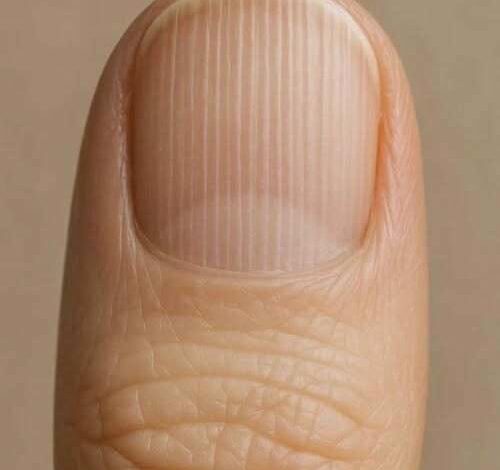
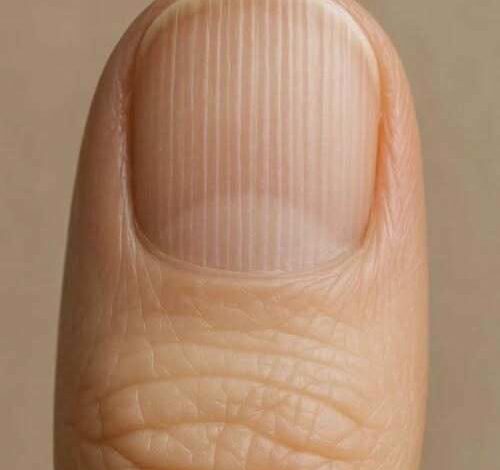
One of the most common nail abnormalities is the appearance of vertical ridges, also known as longitudinal striations. While popular belief holds these ridges are simply signs of aging, their cause may be more nuanced. As the nail matrix ages and slows production, ridges naturally become more noticeable. However, experts at the Mayo Clinic and the American Academy of Dermatology highlight that nutritional imbalances—such as deficits in iron, B-vitamins (especially biotin), and essential minerals—can contribute to irregular ridge patterns.
When your diet lacks the nutrients needed for cell regeneration, the body prioritizes vital organs and reduces the resources allocated for nails, skin, and hair. Vertical ridges, therefore, are not just aesthetic concerns but physical records of periods when nutritional support was suboptimal. Chronic illnesses, hormonal shifts, and environmental stressors like dehydration or exposure to harsh chemicals can also manifest through these subtle nail changes.
Horizontal Lines (Beau’s Lines): Markers of Major Health Events
Another important diagnostic clue is the presence of horizontal grooves or depressions known as Beau’s lines. These lines typically indicate interrupted nail growth resulting from a significant physical stress—such as high fever, viral infections, major surgery, severe emotional shock, or even systemic illnesses like diabetes or severe eczema. The medical literature recognizes Beau’s lines as “chronological markers,” recorded in the nail plate at the time of the health event.
Because fingernails grow slowly, the position of Beau’s lines can be used to estimate when the health disturbance occurred—often weeks or months in the past. For example, if the line appears halfway down the nail, it likely reflects an incident from several weeks prior. This makes nails unique among bodily indicators, providing a delayed but lasting record of significant health alterations that would otherwise go unnoticed after symptoms resolve.
The Importance of Context: Interpreting Nail Changes Safely
It is essential, caution experts, to interpret nail changes within the broader context of overall health rather than jumping to conclusions based solely on appearance. Not all ridges, lines, or discolorations portend serious problems. Medical professionals recommend considering additional symptoms—such as chronic fatigue, persistent pain, or unexplained weight loss—alongside nail abnormalities. If dramatic changes occur suddenly, such as deep pitting, unusual discoloration, or lines coupled with systemic symptoms, prompt evaluation by a healthcare provider is warranted.
Self-diagnosis can be risky; only a clinician can correlate nail findings with blood tests, underlying medical conditions, and other physical signs. Dermatologists often use nail changes as entry points for investigation and may order tests for deficiencies, autoimmune diseases, or circulatory disorders based on the nail’s story.
Supporting Nail Health: Nutrition, Hydration, and Protection
Preventive care for nails mirrors overall wellness strategies. The strongest, healthiest nails result from a balanced, nutrient-rich diet. Leafy greens, lean protein, nuts, and seeds provide the necessary amino acids, vitamins, and minerals for regular, smooth nail growth. Biotin, iron, and zinc are particularly essential—deficiencies in these nutrients often lead to brittleness, poor growth, or visible abnormalities.
Hydration is equally important. Nails are sensitive to water balance; dry, brittle nails can be an early sign of dehydration. Drinking adequate fluids assists cellular metabolism and helps retain moisture in the nail matrix. Dermatologists also emphasize minimizing exposure to harsh chemicals found in cleaning products, soaps, and nail polish removers, which strip protective lipids from the nail plate.
Physical trauma, repeated biting or picking, and chronic pressure (as from tight gloves or repeated tapping on screens) can damage the nail matrix, leading to deformations or discolorations over time. Simple protective measures—using gloves for chores, and moisturizing hands and cuticles—can aid recovery and strengthen nails against routine environmental insults.
Nails and Systemic Illness: Early Warning Signs and Diagnostic Value
Beyond cosmetic implications, certain nail changes may serve as harbingers of systemic illness. For instance, clubbing (rounded, enlarged nails), spooning (concave nails), or sudden color changes may suggest pulmonary, cardiovascular, or metabolic disorders. White spots, while often benign and related to minor trauma, can sometimes signal zinc deficiency. Yellow or thickened nails may indicate fungal infection, but on rare occasions point toward underlying respiratory conditions.
The World Health Organization and other public health bodies note that, in some cases, nails are important diagnostic clues for chronic diseases. Early detection based on nail changes can prompt further investigation and intervention, potentially improving long-term outcomes for patients.
The Psychology of Nail Care: Shifting From Aesthetics to Wellness
In many cultures, nails are primarily regarded as tools for enhancing personal appearance, often covered up or altered through cosmetic procedures. Yet, a growing movement among health professionals and wellness advocates urges a shift toward mindful observation and proactive nail care, recognizing nails as diagnostic tools rather than mere accessories.
This approach transforms self-care routines: instead of focusing exclusively on polish, filing, or buffing, individuals are encouraged to regularly check for changes in nail structure, color, and integrity. Education about the medical significance of nail signs is increasingly integrated into public health campaigns, and experts suggest that routine nail checks should be part of comprehensive wellness assessments.
Expert Perspectives and Societal Trends
According to dermatologists interviewed by Mayo Clinic and reported by BBC, nail health is gaining attention in medical research and public discourse. However, misconceptions persist: many people still seek aesthetic remedies for visible ridges or lines without considering their biological significance. Experts emphasize the importance of understanding nail changes as signals needing meaningful response—namely, improved nutrition, lifestyle adjustments, and, when appropriate, clinical evaluation.
Around the world, cultural norms shape attitudes toward nail care, with some societies promoting elaborate nail art and others valuing natural aesthetics. Nevertheless, the role of nails as health trackers is universally recognized by the medical community, and awareness campaigns are spreading through social media, health magazines, and primary care offices.
Conclusion: Reading the Story in Your Fingertips
The next time you glance at your hands, pause to observe your nails more closely—not merely for their appearance, but for the subtle tales they tell about your body’s biology, recent stresses, and nutritional adequacy. They are silent yet resilient chroniclers, continuously documenting your physical and mental well-being. By recognizing your nails as a diary of health and resilience, and responding thoughtfully to their messages, you empower yourself to practice proactive, science-based wellness.
If you notice changes in your nails, consider your overall lifestyle, hydration, nutrition, and stress levels. Consult with a healthcare professional for persistent or concerning symptoms, as only an expert can provide accurate diagnosis and guidance. Transforming nail care from superficial to scientific not only enhances your health, but allows you to participate in a meaningful conversation with your own biology—one that can lead to greater self-understanding and longevity.
Sources
- BBC
- Reuters
- Mayo Clinic
- World Health Organization (WHO)
- Centers for Disease Control and Prevention (CDC)
- The Guardian
- American Academy of Dermatology
Disclaimer: This content is intended for entertainment purposes only and is not based on real events.