Understanding Colorectal Cancer: Symptoms, Patient Experience, and the Importance of Early Detection
Colorectal cancer stands as one of the most significant health concerns in the United States and globally. According to recent data, colorectal cancer is the second leading cause of cancer-related deaths in the U.S., with approximately 153,020 people diagnosed in 2023 and over 52,000 lives lost to the disease. These statistics, validated by authoritative bodies such as the American Cancer Society, underline the urgent need for public awareness and proactive healthcare behaviors concerning this highly treatable—yet often deadly—disease.
What is Colorectal Cancer?
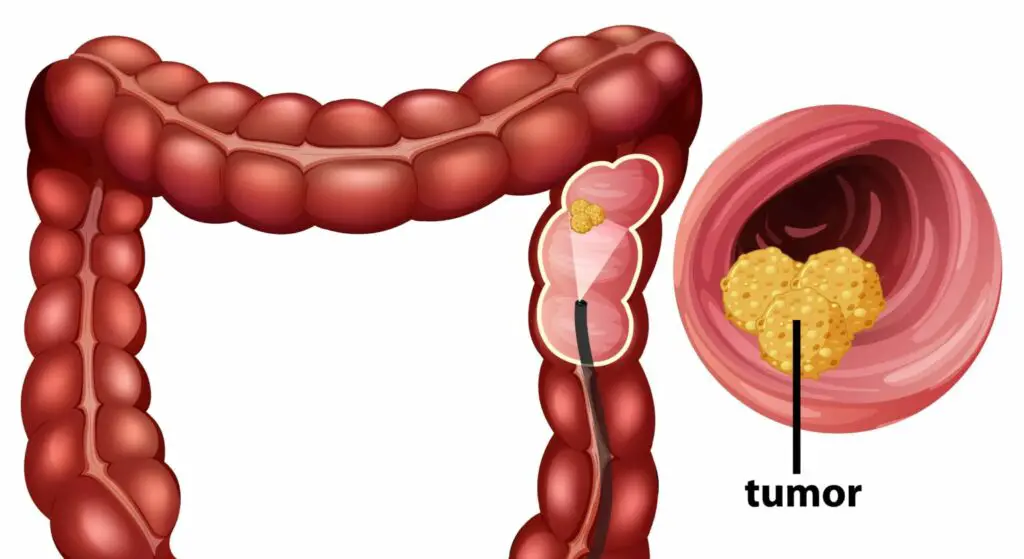
Colorectal cancer originates in the colon or rectum, the final part of the digestive tract. The majority of colorectal cancers begin as growths on the inner lining of the colon or rectum, known as polyps. While polyps are common and usually benign, certain types can transform into cancerous cells over time. Detecting and removing these polyps is a critical step in preventing cancer from developing. As medical experts emphasize, not all polyps cause problems, but identifying those that could turn malignant through regular screening is essential for prevention.
A Personal Journey: Radwah Oda’s Story of Resilience
Patient stories can bring attention to symptoms often overlooked or dismissed. Radwah Oda, a woman from Texas and a mother of one, has used social media platforms to detail her journey with colon cancer. By candidly discussing her symptoms and diagnosis on TikTok, Oda has helped raise awareness about the subtle signs that can indicate colorectal cancer and the importance of not ignoring them.
Raising Awareness Through Social Media
Oda openly discussed the changes she noticed in her body, hoping her experience would prompt others to take symptoms seriously and seek medical attention promptly. Her advocacy reflects a broader movement among patients and advocates using digital platforms for public health education, a trend recognized by the medical community as beneficial in breaking down stigma and increasing early detection rates.
Recognizing the Symptoms: What Patients Need to Know
Changes in Stool Appearance and Bowel Habits
One of the earliest symptoms Oda identified was a noticeable change in the shape and appearance of her stool. She described her stool becoming more pencil-shaped, a common change that can signal a blockage or narrowing in the colon caused by polyps or a tumor. Initially dismissing this change as unimportant, Oda later realized it was an early warning sign.
Oda also observed small amounts of blood in her stool, which she mistakenly attributed to hemorrhoids. This is a frequent misconception, as both colorectal cancer and benign conditions like hemorrhoids can cause rectal bleeding. However, persistent or unexplained blood in the stool should always be evaluated by a healthcare professional. Furthermore, Oda described a constant sensation of incomplete bowel emptying, expressing, “Every time I used the bathroom, I felt like I still needed to go. I kept pushing and pushing, but nothing would come out.” This persistent urge can be a symptom of irritation or blockage in the colon or rectum.
Unexplained Abdominal Pain
Unexplained, persistent pain is another key symptom associated with colorectal cancer. In Oda’s case, the pain began under her right breast—a location she initially thought might be related to her clothing. However, as the pain persisted and was not relieved by simple measures, further investigation revealed it was an indicator that the cancer had metastasized to her liver. This symptom demonstrates how cancer can spread to other parts of the body before being diagnosed, underlining the importance of recognizing and acting on unusual pain.
Chronic Fatigue and Changes in Energy Levels
Oda reported overwhelming fatigue, despite resting and napping during the day. “I would still need to nap several times during the day, and nothing really helped,” she noted. Chronic fatigue is frequently reported across various forms of cancer, including colorectal cancer. It can result from anemia due to slow, internal bleeding or from the body’s systemic response to the growing tumor. Persistent exhaustion unrelieved by rest warrants further exploration by a healthcare provider.
Additional Symptoms: Weight Loss and Appetite Changes
Alongside the above symptoms, Oda experienced sudden, unexplained weight loss and a loss of appetite. Unintentional weight loss of more than five percent of body weight over a six- to twelve-month period can be an early indicator of several cancers, including colorectal cancer. Oda admitted that, like many, she initially blamed these symptoms on a “really bad stomach bug,” illustrating how easy it is for patients to overlook or rationalize early cancer symptoms.

The Importance of Early Detection and Regular Screening
Medical experts stress that colorectal cancer is often preventable and highly treatable when caught early. The American Cancer Society recommends that individuals at average risk begin regular screenings at age 45, earlier if there are risk factors such as a family history of colorectal cancer or certain genetic predispositions. Screening modalities include colonoscopy, fecal immunochemical tests (FIT), and stool DNA tests.
The rationale behind early screening is the slow progression of colorectal cancer. Many polyps and cancers develop over several years, providing a window of opportunity for detection and removal before cancer spreads. Research consistently shows that screening reduces both the incidence and mortality of colorectal cancer.
Who is at Risk?
Several factors can increase the risk of developing colorectal cancer:
- Age: Most cases are in people over 50, though rates in younger adults are rising.
- Family History: Having a parent, sibling, or child with colorectal cancer increases risk.
- Personal History: A history of polyps, inflammatory bowel disease, or certain inherited syndromes (e.g., Lynch syndrome, familial adenomatous polyposis).
- Lifestyle Factors: Diets high in processed or red meats, low physical activity, obesity, smoking, and excessive alcohol use.
- Race and Ethnicity: African Americans have the highest rates of colorectal cancer among all racial groups in the U.S.
Reducing risk through healthy lifestyle choices and adhering to screening guidelines remains essential.
Expert Opinions on Colorectal Cancer Awareness
Health organizations worldwide are encouraging greater awareness of colorectal cancer symptoms and the importance of routine screening. According to the World Health Organization (WHO) and Centers for Disease Control and Prevention (CDC), early detection saves lives. Dr. William Dahut, the chief scientific officer at the American Cancer Society, recently emphasized, “Screening is one of the most powerful tools we have in the fight against colorectal cancer. When polyps are found and removed, or cancers are identified at an early stage, we can dramatically improve survival rates.”
Internationally, health agencies often run public campaigns during Colon Cancer Awareness Month to educate citizens about symptoms like rectal bleeding, changes in bowel habits, abdominal discomfort, tiredness, and unintended weight loss. A recent report from The Guardian highlighted that some countries have seen rising rates of colorectal cancer in younger adults, prompting new research into potential causes such as dietary shifts, sedentary lifestyles, and environmental exposures. Across societies, reducing stigma around bowel health and empowering individuals to speak honestly with healthcare providers remains a core challenge.
The Societal Impact and Need for Destigmatization
Colorectal cancer’s effects extend beyond the patient, touching families, communities, and healthcare systems. As exemplified by Radwah Oda’s experience, sharing individual journeys can foster community support and decrease stigma around cancer discussions. Patient advocates, healthcare professionals, and survivors all play a role in encouraging open dialogue, ensuring people know that seeking medical help for bowel symptoms is necessary—not embarrassing.
Patient advocacy groups and international health organizations recommend the following if you develop any concerning symptoms:
- Monitor changes and record the duration and frequency of symptoms.
- Schedule timely consultations with your healthcare provider.
- Know your family history and discuss personal risk factors with your doctor.
- Do not delay recommended cancer screening and follow-up.
Conclusion: Empowering Individuals Through Knowledge
Colorectal cancer is a significant but treatable threat to public health. The narrative of Radwah Oda demonstrates the importance of listening to your body, advocating for yourself and others, and raising awareness so that more lives can be saved through timely intervention. With incidence rising in younger populations and many symptoms easily confused with unrelated conditions, public education and routine screening remain the most effective tools we have. By destigmatizing discussion and supporting ongoing research and awareness efforts, individuals and societies can take critical strides in reducing the burden of colorectal cancer.
If you or a loved one are experiencing symptoms such as changes in bowel habits, blood in your stool, unexplained abdominal pain, fatigue, unintended weight loss, or appetite loss, consult a healthcare provider without delay. Early action, as recommended by medical professionals worldwide, can save lives.

Sources
- American Cancer Society: What is Colorectal Cancer?
- CDC: Colorectal Cancer
- World Health Organization: Cancer Facts
- The Guardian: Colorectal Cancer Coverage
Disclaimer: This content is intended for entertainment purposes only and is not based on real events.