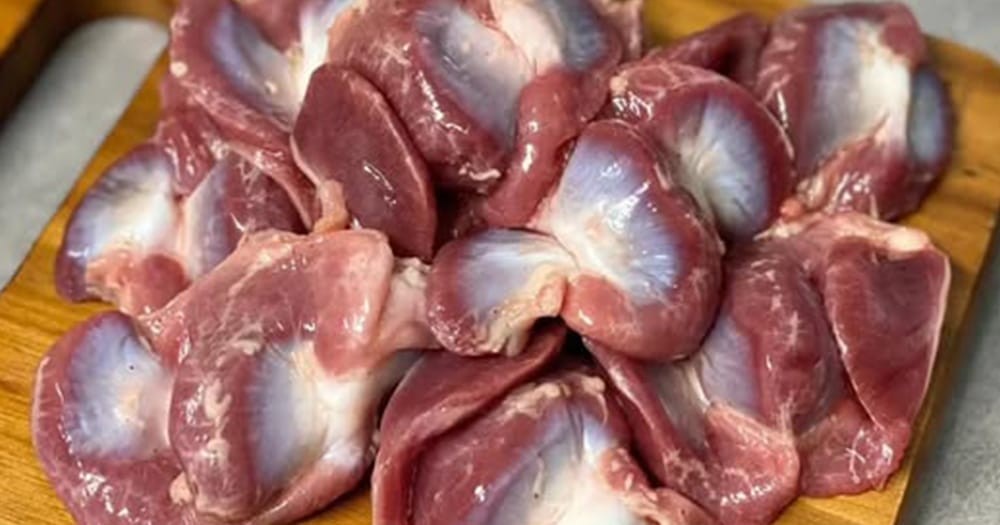
Chicken Gizzards: The Best-Kept Secret in Affordable Nutrition
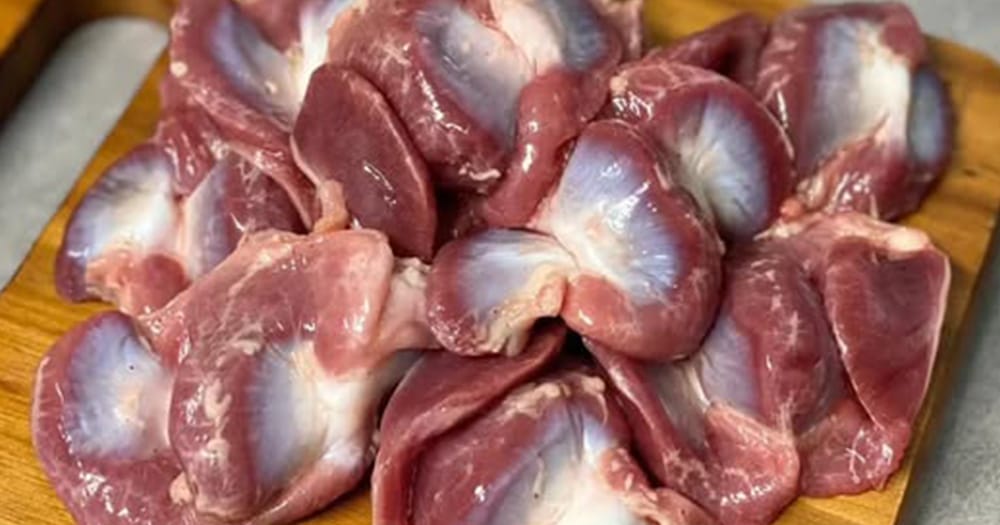
Chicken gizzards might just be the best-kept secret in the food world. Inexpensive, packed with nutrients, and far more versatile than commonly assumed, these small but mighty organs have been overlooked in many modern kitchens.
Despite being rich in protein, vitamins, and minerals, chicken gizzards are often ignored simply because they fall into the “offal” category—an outdated label that does little justice to their culinary and nutritional value.
If you’re searching for a protein powerhouse that’s also budget-friendly, chicken gizzards deserve a place in your grocery cart. This comprehensive guide examines everything from their biological function to their health benefits, cooking methods, and potential risks—providing all the evidence you need to make an informed (and delicious) decision.
What Is a Chicken Gizzard?
The gizzard is one of the key organs in a bird’s digestive system, acting as a muscular “food processor.” Since birds lack teeth, they rely on the gizzard to grind up seeds, grains, and other tough food components that pass through their digestive tract. The gizzard’s thick, muscular walls contract repeatedly to break down ingested food, sometimes aided by small stones or grit the bird has swallowed.
From a culinary perspective, chicken gizzards are a lean, richly flavored cut of meat with a characteristic firm and slightly chewy texture. This texture softens considerably when the gizzards are cooked correctly, revealing their tender and savory qualities. They are popular in cuisines around the world, especially in regions where little of the animal goes to waste.
Why Chicken Gizzards Deserve a Place in Your Diet
1. Exceptional Source of Protein
Gizzards are a concentrated source of protein, offering approximately 20 grams per 3-ounce serving. This makes them particularly important for athletes, fitness enthusiasts, or anyone aiming to increase their protein intake without breaking the bank. Protein is crucial for muscle repair, immune function, and overall metabolic health.
2. Low in Fat, High in Nutritional Gains
Unlike many cuts of meat, chicken gizzards are naturally low in fat—containing less than three grams per 3-ounce serving. Most of this fat is unsaturated, which is preferable for heart health. For individuals monitoring their caloric or saturated fat intake, gizzards offer a lean and satisfying alternative to fatty meats.
3. Packed With Essential Vitamins and Nutrients
- Vitamin B12: Vital for nerve health, red blood cell production, DNA synthesis, and energy metabolism.
- Niacin (Vitamin B3): Supports metabolic health, helps maintain healthy cholesterol levels, and promotes skin integrity.
- Choline: Supports brain development, memory, and liver function. Choline is considered especially important during pregnancy and early development.
- Other Nutrients: Chicken gizzards also deliver vitamin C, riboflavin (B2), magnesium, copper, and manganese, all of which are necessary for various cellular processes and organ functions.
4. Rich in Iron, Zinc, and Selenium
Chicken gizzards are an excellent source of iron, helping prevent iron-deficiency anemia and supporting energy levels. They also contain zinc, important for immune function and wound healing, and selenium, an antioxidant mineral involved in thyroid and cellular health.
For those at risk of iron deficiency (such as menstruating individuals, pregnant women, or vegetarians adding animal products), gizzards provide a cheap, bioavailable source of dietary iron.
5. Highly Affordable and Accessible
In today’s world of rising food prices, chicken gizzards remain one of the most affordable options for accessing high-quality animal protein. They’re typically available at most grocery stores and butcher shops, often priced significantly lower than chicken breast or beef cuts. This accessibility makes gizzards a practical solution for families, students, and anyone shopping on a budget.
How to Properly Cook Chicken Gizzards
Although the flavor and nutrition of chicken gizzards are noteworthy, their texture can be off-putting if not cooked with care. Fortunately, a range of preparation methods can bring out the best in gizzards’ taste and texture.
1. Boiling and Stewing for Tenderness
Slow simmering or boiling is one of the most reliable ways to prepare chicken gizzards. Allow them to simmer in seasoned water, broth, or with herbs and vegetables for 30 to 45 minutes. This breaks down connective tissues, making them tender enough for use in soups, stews, or even as a standalone dish.
2. Deep Frying for Crispy Texture
For a crunchy and flavorful result, chicken gizzards can be coated in seasoned flour or breadcrumbs and deep-fried until golden brown. This method is especially popular in Southern and American bar cuisine, often served alongside dipping sauces as a satisfying snack or appetizer.
3. Sautéing or Stir-Frying for Quick Meals
Pre-cooked or parboiled gizzards can be quickly sautéed or stir-fried with onions, bell peppers, and assorted spices. This method provides a fast, high-protein meal option that pairs well with rice, grains, or noodles for a complete dish.
4. Grilling for Smoky Flavor
Marinating chicken gizzards in soy sauce, garlic, vinegar, or other spices and grilling them over high heat imparts a savory, smoky character. This technique is popular in cuisines like Filipino street food and yields deliciously charred results. Serve with fresh vegetables or a dipping sauce for extra flavor.
5. Slow Cooking for Ultimate Softness
The slow cooker is an excellent tool for breaking down chicken gizzards’ tougher fibers. By stewing gizzards with broth, aromatics, and vegetables for several hours, you enable the gizzards to reach a melt-in-your-mouth level of tenderness. This method is ideal for batch cooking or meal prepping.
Must-Try Recipes Featuring Chicken Gizzards
- Gizzard Adobo: Traditional Filipino dish braised in soy sauce, vinegar, garlic, and bay leaves for a deep, tangy taste.
- Spicy Stir-Fried Gizzards: Quickly sautéed with chili paste, vegetables, and herbs for a spicy kick.
- Gizzard Soup: Hearty, filling soups featuring chicken gizzards simmered with root vegetables and aromatics.
- Gizzard Tacos: Crispy or sautéed gizzards are tucked into corn tortillas with fresh salsa and lime for a fusion twist.
- Gizzard Salad: Chilled or warm, gizzards can be sliced and served atop green salads with tomatoes, herbs, and a tangy vinaigrette.
Cooking Tips: Addressing the Texture
Texture is the primary reason some people shy away from chicken gizzards. Their natural chewiness can be mitigated by proper cooking—specifically, boiling or slow-cooking to tenderize before applying high-heat methods (like frying or grilling) for added flavor or crispness.
Marinating can also help, as acidic ingredients like vinegar, citrus juice, or yogurt break down some of the tougher proteins. Experiment with different herbs, spices, and seasoning blends to discover the flavor profile you enjoy most.
As with all foods, it’s advisable to consume gizzards in moderation—particularly for those watching cholesterol intake, as organ meats tend to contain higher cholesterol levels than muscle meats. One serving of cooked chicken gizzards provides less than one gram of saturated fat, though, making them a relatively heart-friendly protein when prepared as part of a balanced diet.
Potential Health Considerations and Risks
While few studies focus exclusively on chicken gizzards, several points warrant consideration:
- Cholesterol Content: Like other organ meats, gizzards contain cholesterol. Most healthy adults can enjoy them in moderation without significant risk, but those with elevated cholesterol or existing heart conditions should consult a healthcare professional or registered dietitian.
- Purine Content: Chicken gizzards, along with other organ meats, are relatively high in purines, compounds that can worsen symptoms in individuals with gout by raising uric acid levels. People with gout or a history of uric acid kidney stones should limit their intake.
- Antibiotic Use in Poultry Farming: Conventionally raised chickens are sometimes treated with antibiotics, which can contribute to antibiotic resistance if overconsumed. According to The Guardian, antibiotic-resistant bacteria are a growing global health concern. Opting for certified organic or antibiotic-free chicken gizzards can help mitigate this risk.
- Food Safety: As with all poultry products, ensure gizzards are cooked thoroughly to an internal temperature of at least 165°F (74°C) to prevent foodborne illness.
Global and Cultural Appreciation for Chicken Gizzards
Chicken gizzards are celebrated in cuisine across the world. In the Philippines, adobo made with gizzards is a cherished comfort food. In several African countries, gizzards are grilled and given as special treats or as tokens of respect. Southern United States cuisine embraces fried gizzards, while in South America and Asia, they play starring roles in broths and street food.
Part of the sustainable food movement, gizzards are a great example of nose-to-tail eating—reducing food waste and making the most of every part of the animal.
Expert Opinions on Including Gizzards in Your Diet
Registered dietitians generally endorse chicken gizzards as part of a balanced diet, citing their affordable protein, vitamins, and minerals. However, they advise moderation due to cholesterol and purine content, especially for those with specific dietary risks. Harvard Health and the Centers for Disease Control and Prevention (CDC) both recommend careful handling and full cooking of all poultry products for safety.
Conclusion: Discover the Value of Chicken Gizzards
Chicken gizzards offer significant nutritional, culinary, and economic benefits. Whether you are looking for a new protein source, hoping to expand your culinary horizons, or aiming to cook on a budget, gizzards are an excellent option. Cooked with care and enjoyed in moderation, they may quickly become a staple in your kitchen.
If you’re ready to explore something new, try one of the cooking suggestions above next time you shop. You may discover a new favorite protein that satisfies your palate—and your wallet.
Would you try chicken gizzards? Share your thoughts and recipes!
Sources
- Reuters
- BBC
- Al Jazeera
- The Guardian
- World Health Organization (WHO)
- Centers for Disease Control and Prevention (CDC)
- Mayo Clinic
- Medical News Today
- Livestrong
- Arthritis Foundation
Disclaimer: This content is intended for entertainment purposes only and is not based on real events.