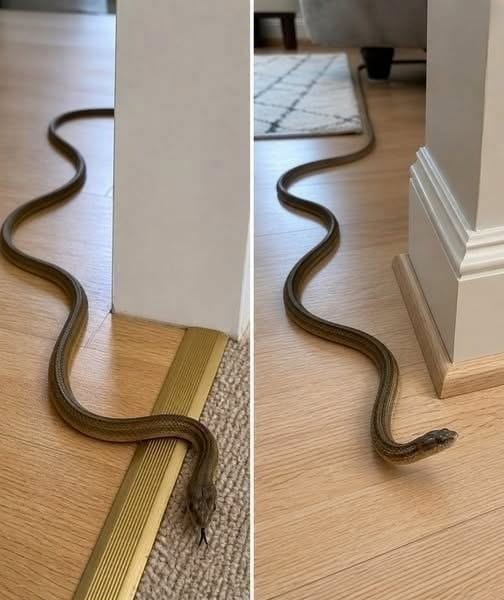
What feels like a terrifying scene straight out of a thriller is, from the animal’s perspective, a routine quest for basic necessities. Slithering under exterior doors, gliding through narrow foundation cracks, or following utility pipes, snakes enter human habitations when outdoor conditions become challenging. Basements, laundry rooms, and quiet storage areas offer stable temperatures, moisture, and hiding spots, especially when an underlying rodent or insect population has quietly turned a residence into a foraging destination. While understanding these ecological drivers does little to immediately comfort someone staring at a reptile in their hallway, it replaces blind panic with calm, rational response strategies.
Myth, Symbolism, and Cultural Perceptions of Snakes in Human Spaces
Throughout human history, serpents have occupied a complex, dual role in global mythology, folklore, and cultural storytelling. Across ancient civilizations, snakes were simultaneously revered as symbols of rebirth, wisdom, and healing—embodied by figures like the Rod of Asclepius—and viewed with deep caution due to their secretive nature and silent movement.
In various Indigenous and agricultural traditions, encountering a snake near a dwelling was often interpreted as an omen. Some cultures viewed house snakes as quiet protectors that kept rodent populations away from stored grain, while others associated them with hidden secrets or sudden shifts in fortune.
In modern society, these deep-seated cultural anxieties often amplify the shock of indoor encounters. Because snakes possess a morphology entirely different from mammalian pets, human psychological responses tend toward immediate alarm. Exploring the cultural roots of our apprehension helps bridge the gap between instinctual fear and objective scientific understanding.
Scientific Perspectives: The Ecological Drivers of Indoor Encounters
To understand why a cold-blooded animal navigates indoor environments, we must examine reptile physiology and behavioral ecology. Herpetologists and wildlife biologists emphasize that snakes are ectotherms, meaning they rely on external environmental temperatures to regulate their internal body heat.
Scientific research highlights several primary reasons snakes wander into human structures:
-
Thermoregulation and Weather Extremes: During periods of extreme summer heat or bitter winter cold, snakes seek microclimates that offer stable temperatures. Basements, crawlspaces, and masonry foundations provide thermal insulation against harsh weather.
-
Foraging and Prey Availability: Snakes are obligate carnivores. If a home harbors mice, rats, crickets, or beetles, resident predators will follow scent trails left by potential prey directly into garages, pantries, and cellars.
-
Moisture and Hydration: Especially during dry summer months, snakes actively search for damp environments. Leaking pipes, condensation around laundry units, or damp basement floors attract thirsty reptiles seeking fresh water.
-
Shelter and Security: Cryptic animals instinctively seek out dark, confined spaces where they can conceal themselves from larger predators while digesting meals or undergoing ecdysis (shedding skin).
Recognizing that snakes enter homes out of biological necessity rather than malice shifts our perspective from viewing them as malicious intruders to recognizing them as transient wildlife reacting to environmental cues.
Immediate Safety Protocols: What to Do When You Spot a Snake Indoors
When an unexpected reptile appears inside living quarters, knowing how to respond calmly ensures the safety of both human occupants and the animal. Wildlife management professionals recommend a structured, measured approach:
-
Maintain Safe Distance and Stillness: Step back immediately. Avoid making sudden movements, as snakes react to ground vibrations and visual motion. Never attempt to handle, corner, or provoke an unidentified snake.
-
Protect Children and Pets: Calmly guide children and domestic pets into another room and close the door to prevent curious animals from investigating or cornering the reptile.
-
Contain the Area: If possible, close doors leading out of the room or place a rolled towel beneath doorways to keep the snake contained within a single, observable space.
-
Contact Wildlife Professionals: Leave identification and removal to local animal control officers, professional pest management services, or licensed wildlife rehabilitators who possess the specialized equipment required for safe extraction.
Practical Habitat Modification: Turning Your Home into Unfavorable Territory
While individual snakes can occasionally find their way indoors, property owners can take proactive, non-chemical steps to discourage reptiles from approaching residential structures in the first place. Transforming your immediate surroundings from an attractive habitat into hostile territory involves targeted environmental management:
-
Seal Entry Points: Inspect building foundations, windowsills, and exterior doors. Use expandable foam, silicone caulk, or sturdy hardware cloth to seal gaps, cracks, and gaps around utility pipes larger than a quarter-inch.
-
Manage Yard Vegetation: Keep grass neatly mowed, trim low-hanging shrubbery away from exterior walls, and clear dense brush piles, woodstacks, or thick mulch beds that offer ideal hiding spots for small prey and snakes alike.
-
Address Rodent Populations: The most effective deterrent for snakes is removing their food source. Secure garbage bins in tightly sealed containers, store pet food indoors, and implement humane rodent control measures to eliminate mice and rats.
-
Eliminate Excess Moisture: Repair leaky spigots, clear clogged gutters, and ensure proper drainage away from foundation walls to reduce the damp microclimates that attract amphibians and reptiles.
A Reflection on Human Curiosity, Coexistence, and the Natural World
Encounters with wild animals in our living spaces remind us that human habitations exist within broader, interconnected ecosystems. While our homes are designed to be secure sanctuaries, the natural world occasionally crosses our thresholds, challenging our sense of separation from the environment.
Approaching these unexpected moments with scientific curiosity rather than panic allows us to view wildlife through a lens of balanced understanding. By maintaining secure structures, managing environmental attractants, and respecting the boundaries of local fauna, we foster a harmonious relationship with the natural world—ensuring that our homes remain peaceful, safe, and thoughtfully prepared.
Sources and References
-
Partners in Amphibian and Reptile Conservation (PARC). (2023). Understanding and Managing Snakes Around Human Dwellings. PARC Technical Publications.
-
University of Florida IFAS Extension. (2022). Dealing with Snakes in and Around Residential Areas. Florida Cooperative Extension Service.
-
Journal of Herpetology. (2021). Behavioral Ecology and Thermoregulatory Movements of Colubrid Snakes in Sub-Urban Environments. Society for the Study of Amphibians and Reptiles.