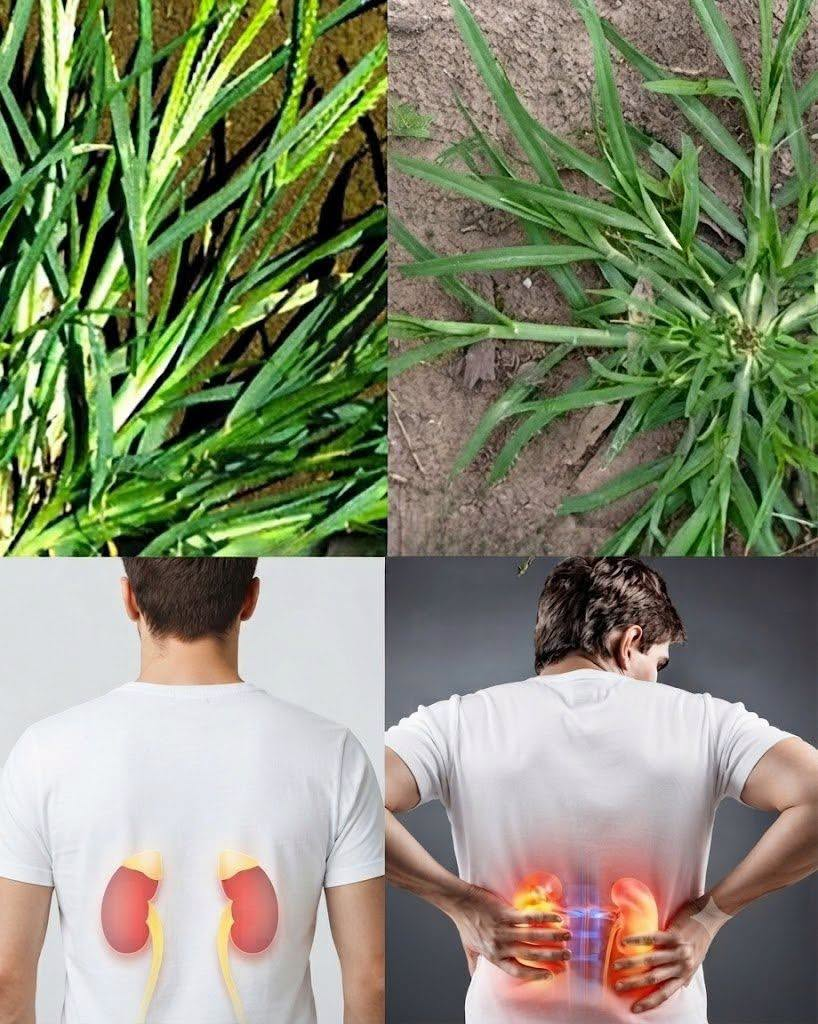
A Common Plant with an Uncommon Story
On a quiet morning walk through a field or along the edge of a country road, it is easy to overlook the countless green plants growing beneath our feet. Many are dismissed as ordinary weeds, removed from gardens without a second thought. Yet throughout history, some of these humble plants have played meaningful roles in traditional healing, local culture, and everyday life.
One such plant is goosegrass. Found across much of the world, goosegrass has long been collected by families, herbal practitioners, and rural communities. For generations, people brewed its leaves into teas, prepared simple herbal infusions, or included it in traditional wellness practices. While modern medicine has transformed healthcare, interest in traditional botanical knowledge continues to grow as researchers explore how historical practices compare with scientific evidence.
Goosegrass is not considered a miracle remedy, nor should it replace professional medical care. Instead, its enduring popularity offers a fascinating example of how culture, observation, and science can come together to deepen our understanding of nature.
What Is Goosegrass?
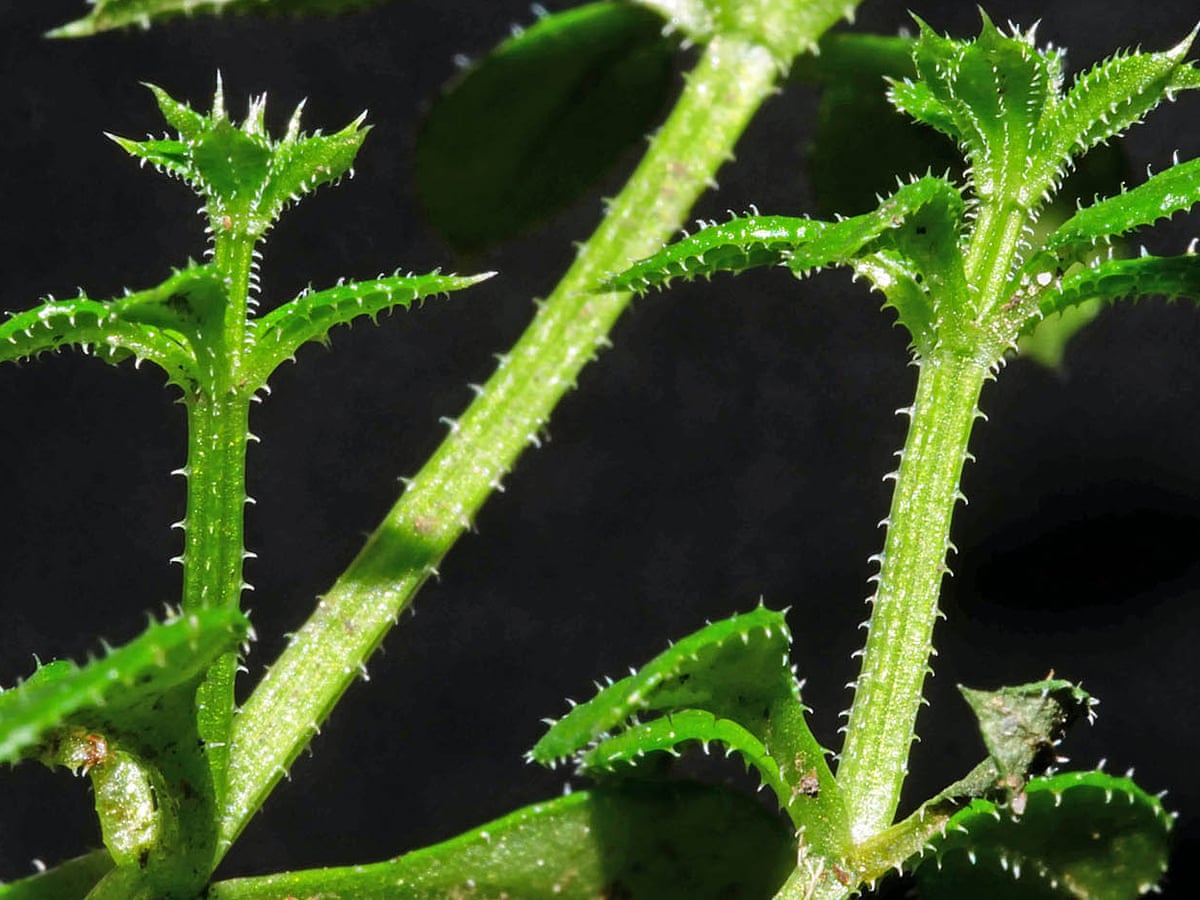
The name “goosegrass” is commonly used for Galium aparine, also known as cleavers, catchweed bedstraw, sticky weed, or sticky willy. It belongs to the Rubiaceae family and grows naturally throughout Europe, Asia, North America, and many other temperate regions.
The plant is easily recognized by its slender stems covered with tiny hooked hairs that allow it to cling to clothing, animal fur, and neighboring plants. Its narrow leaves grow in circular whorls around the stem, while small white flowers appear during the growing season before developing into tiny burr-like seeds.
Although many gardeners consider goosegrass a nuisance because of its sticky texture, herbal traditions have viewed it quite differently for centuries.
Goosegrass in Traditional Herbal Practices
Long before laboratories existed, communities relied heavily on observation and experience. Plants that appeared helpful were passed down through generations as part of local knowledge.
Goosegrass earned a respected place in many traditional herbal systems because it was abundant, easy to identify, and simple to prepare.
Some of its most common historical uses included:
Herbal Teas
One of the oldest traditions involved drying the stems and leaves before steeping them in hot water. Families often prepared goosegrass tea as part of seasonal wellness routines.
These teas were commonly enjoyed during spring, when many cultures associated fresh herbs with renewal after winter.
Traditional Cleansing Practices
Various European folk traditions regarded goosegrass as a plant associated with cleansing and renewal. Herbal practitioners sometimes recommended it as part of seasonal wellness rituals.
Modern science does not confirm many of these historical beliefs, but they remain an interesting part of cultural history.
Skin Applications
Historical records describe goosegrass being crushed into poultices or combined with other herbs for external use on the skin.
These traditional applications reflected the practical knowledge available at the time rather than modern clinical evidence.
Goosegrass Around the World
The story of goosegrass changes depending on where you travel.
Europe
European herbal texts dating back centuries describe goosegrass as a familiar countryside herb. It frequently appeared in traditional household remedies and spring herbal preparations.
Its sticky stems also made it memorable for children, who often used the plant playfully by tossing it onto friends’ clothing.
Asia
In several parts of Asia, goosegrass has appeared in traditional herbal systems, where it has been valued as one component among many botanical preparations.
Herbal traditions generally emphasize balance, meaning goosegrass was rarely viewed as a standalone solution.
North America
As European settlers brought herbal knowledge overseas, goosegrass became incorporated into local folk medicine. Indigenous communities also developed their own understanding of similar native plants based on regional ecosystems.

What Does Modern Science Say?
Interest in medicinal plants has increased significantly during the past few decades. Scientists now analyze thousands of botanical species to better understand their chemical composition.
Goosegrass has attracted attention because researchers have identified naturally occurring compounds such as:
-
Flavonoids
-
Polyphenols
-
Tannins
-
Organic acids
-
Various antioxidant compounds
Laboratory studies suggest these compounds may possess interesting biological properties. However, it is important to distinguish between laboratory findings and proven medical treatments.
Many experiments have been conducted in test tubes or animal models rather than large human clinical trials.
As a result, researchers generally agree that more evidence is needed before drawing conclusions about potential health benefits.
The Importance of Evidence-Based Research
Plants have contributed to many important medicines throughout history. Aspirin, for example, traces its origins to willow bark, while other medications have been developed from naturally occurring compounds.
However, not every traditional remedy becomes an approved treatment.
Health experts encourage careful evaluation through scientific methods that include:
-
Controlled laboratory research
-
Safety assessments
-
Clinical trials
-
Independent replication of results
This process helps determine whether a traditional practice is effective, safe, and appropriate for broader use.
Goosegrass remains an interesting subject for botanical research, but it should not be viewed as a substitute for evidence-based healthcare.
Why Traditional Knowledge Still Matters
Although science continues to evolve, traditional knowledge remains valuable for several reasons.
First, it preserves cultural heritage. Recipes, herbal practices, and plant identification techniques often reflect generations of shared experience.
Second, traditional uses sometimes inspire scientific discovery. Researchers frequently investigate plants that have long histories of human use because they may contain biologically active compounds worthy of further study.
Finally, these traditions remind us that people throughout history carefully observed the natural world long before modern laboratories existed.
Even when modern evidence does not fully support historical beliefs, those traditions remain an important part of human history.
Harvesting Goosegrass Responsibly
For people interested in learning about wild plants, responsible harvesting is essential.
Experts recommend:
Choose plants growing away from roads, industrial areas, and locations that may contain pollutants.
Only harvest when you are completely confident in plant identification.
Take only small amounts so local ecosystems remain healthy.
Avoid collecting protected or endangered species.
Never consume wild plants without reliable identification and appropriate guidance.
Sustainable harvesting helps preserve biodiversity while respecting the natural environment.
Goosegrass Beyond Herbal Traditions
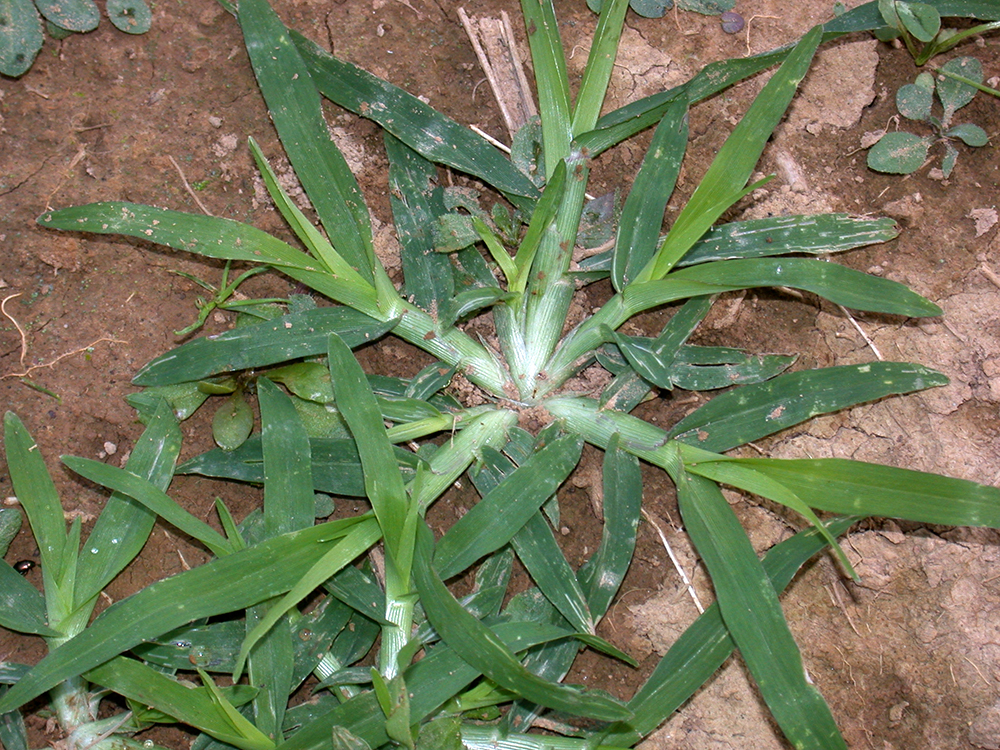
Goosegrass has served practical purposes beyond traditional wellness.
Historically, the hooked stems were sometimes used to stuff mattresses because they created surprisingly soft bedding once dried. This connection even inspired one of the plant’s older English names: “bedstraw.”
Some rural communities also used goosegrass as animal forage, while others roasted its seeds as a coffee substitute during times when coffee beans were scarce.
These everyday uses demonstrate how resourceful people became when working with the plants available around them.
Why Interest in Wild Plants Is Growing Again
In recent years, public curiosity about edible plants, herbal traditions, and sustainable living has expanded significantly.
Several factors contribute to this renewed interest:
People enjoy reconnecting with nature.
Many want to learn about traditional cultural practices.
Scientists continue publishing new botanical research.
Home gardening and foraging have become popular hobbies.
Social media has introduced younger generations to forgotten plants.
Despite this enthusiasm, experts consistently encourage critical thinking. Not every claim shared online is supported by scientific evidence, making reliable sources especially important.
Separating Curiosity from Extraordinary Claims
Stories about medicinal plants often become exaggerated over time.
A single promising laboratory study may eventually be repeated online as though it proves dramatic health effects. Important details are sometimes lost during this process.
Responsible reporting requires acknowledging uncertainty.
Current research suggests goosegrass contains interesting natural compounds worthy of continued study. At the same time, researchers emphasize that existing evidence remains limited, and no major medical authority recommends goosegrass as a treatment for specific diseases.
Understanding this distinction allows readers to appreciate both traditional wisdom and modern scientific standards.
A Plant That Connects Past and Present
Perhaps the greatest value of goosegrass is not found in dramatic headlines but in its remarkable history.
For centuries, ordinary families noticed this sticky green plant growing nearby and found practical ways to include it in daily life. Today, scientists continue exploring its chemistry while historians preserve the stories surrounding its traditional uses.
Whether viewed through the lens of folklore, botany, or modern research, goosegrass reminds us that even the most familiar plants may hold fascinating histories waiting to be rediscovered.
Conclusion
Goosegrass demonstrates how a modest wild plant can become part of cultural tradition, scientific curiosity, and everyday history all at once. While modern evidence has not confirmed many historical claims associated with the plant, ongoing research continues to explore its natural compounds with careful scientific methods.
Rather than seeing goosegrass as either an overlooked miracle or merely an unwanted weed, it may be most meaningful to appreciate it as a symbol of humanity’s long relationship with nature. Across generations, people have looked to the plants around them for inspiration, comfort, and understanding. That curiosity remains just as important today, encouraging us to balance respect for traditional knowledge with the careful pursuit of scientific evidence.
Sources
National Center for Complementary and Integrative Health (NCCIH): https://www.nccih.nih.gov
Royal Botanic Gardens, Kew – Plants of the World Online: https://powo.science.kew.org
Royal Horticultural Society (RHS): https://www.rhs.org.uk
Encyclopaedia Britannica: https://www.britannica.com
U.S. National Library of Medicine (PubMed): https://pubmed.ncbi.nlm.nih.gov