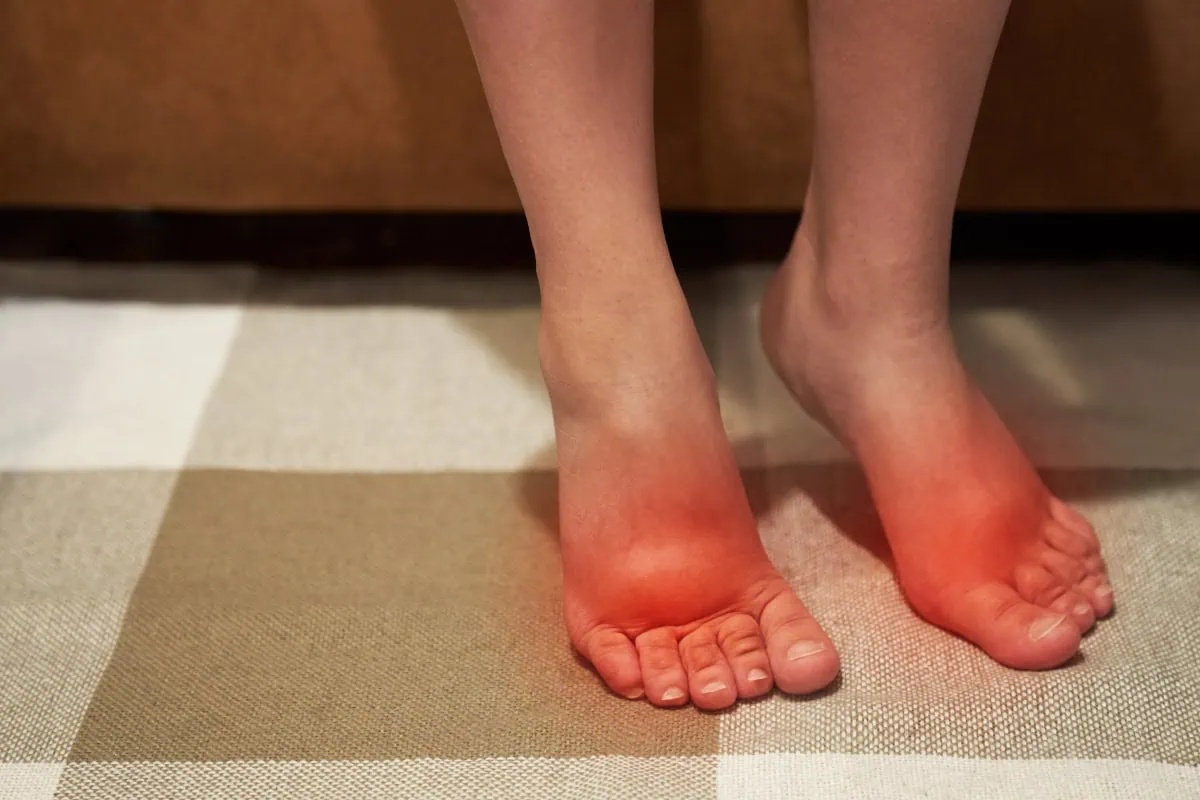
You come home after a long, draining day. You sit down, kick off your shoes — and then you notice it. Your ankles look puffy. Your socks have left deep, uncomfortable grooves in your skin. Even your rings feel tighter than usual.
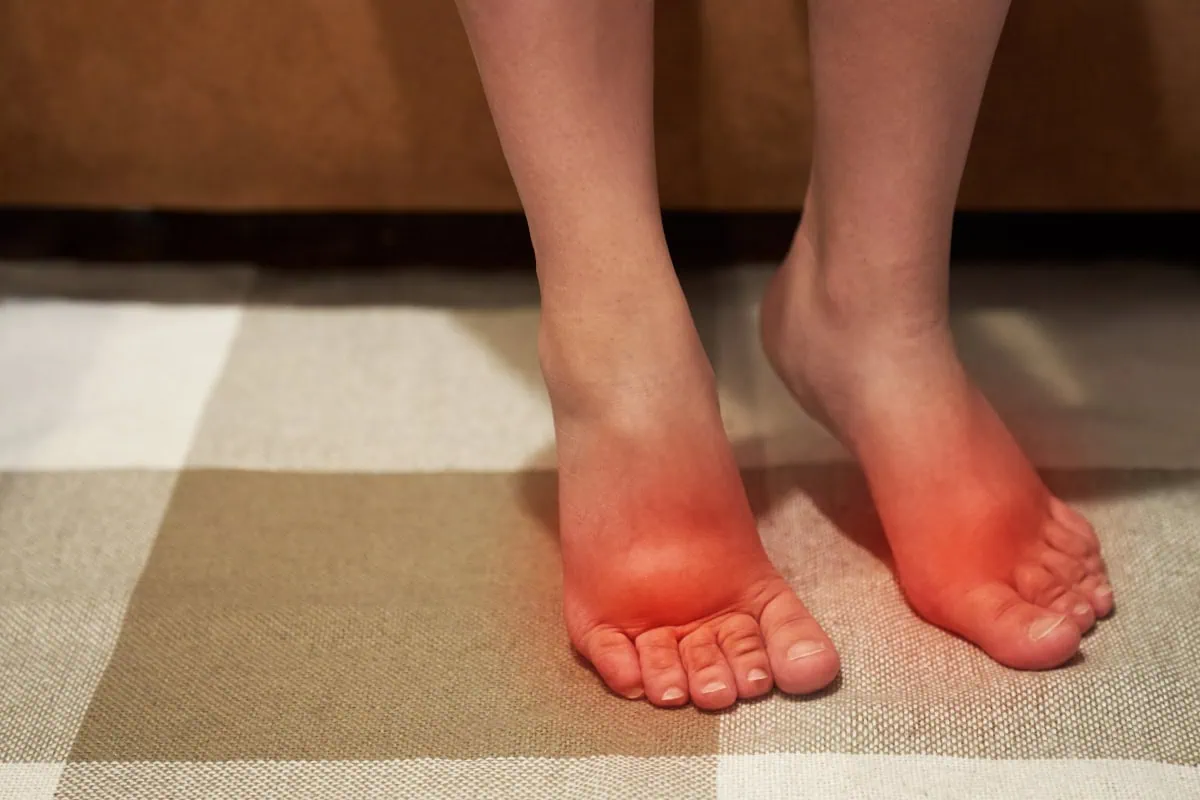
This kind of swelling in the legs, feet, or ankles — known medically as edema — affects millions of people around the world. And while it can sometimes be entirely harmless, it is never something you should dismiss without a second thought.
Mild swelling may simply result from sitting or standing for extended periods, warm weather, or hormonal shifts throughout the month. But sometimes, the body uses swelling as a quiet, persistent signal that something deeper deserves attention. Circulation concerns, kidney function, and cardiovascular health can all influence how much fluid accumulates in your tissues. Recognizing that signal early — and responding thoughtfully — can make a meaningful difference in how you feel day to day.
The encouraging news is that your diet can play a powerful role in restoring healthy fluid balance. Certain nutrients support blood vessel integrity, help stabilize electrolytes, and assist the kidneys in doing what they do best: filtering and eliminating excess fluid. When these internal systems work efficiently together, swelling becomes far less frequent and far more manageable.
Before exploring those nutrients, it helps to understand what is actually happening in the body when edema develops.
Understanding Why Swelling Happens

Edema occurs when fluid leaks out of blood vessels and begins collecting in the surrounding tissues. Think of it like traffic congestion inside the body: flow slows, pressure builds, and extra fluid settles where gravity naturally pulls it — into the lower legs, ankles, and feet.
The most common contributors include prolonged sitting or standing, which weakens the calf muscle’s natural pumping action that pushes blood back upward. A high-sodium diet causes the body to retain water, increasing pressure within blood vessels. Hormonal fluctuations related to menstruation, pregnancy, or menopause also affect how the body regulates fluid. Certain medications — including some blood pressure treatments, anti-inflammatory drugs, steroids, and hormonal therapies — can trigger water retention as a side effect. And underlying health conditions affecting the heart, liver, or kidneys can impair circulation and fluid filtration.
Mild, occasional swelling is often manageable through lifestyle and nutritional adjustments. However, sudden, severe, or one-sided swelling warrants prompt medical evaluation, as it can indicate a more serious underlying condition.
1. Potassium — Nature’s Counterbalance to Sodium
Potassium and sodium work as a team to regulate fluid movement in and out of cells throughout the body. When potassium levels are insufficient, sodium becomes dominant in the equation — and because water follows sodium, this imbalance encourages fluid to accumulate in tissues, producing that familiar puffiness.
Restoring adequate potassium intake helps the body strike a healthier balance, reducing the tendency toward water retention. Some of the richest dietary sources include bananas, sweet potatoes, avocados, spinach, and white beans. Nutrition guidelines generally suggest aiming for approximately 3,400 milligrams daily for men and 2,600 milligrams for women, ideally obtained through whole foods rather than supplements. Potassium supplements should only be taken under medical supervision, as excessively high levels can affect heart rhythm and create serious health concerns.
2. Magnesium — The Mineral That Supports Relaxation and Balance
Magnesium is involved in hundreds of biochemical processes in the body, including muscle and nerve function, energy production, and healthy blood vessel tone. It also plays a meaningful role in reducing water retention, particularly the kind associated with hormonal changes during the menstrual cycle.
Research has found that adequate magnesium intake can ease the bloating, leg heaviness, and general puffiness that many women experience premenstrually. Good dietary sources include pumpkin seeds, almonds, dark leafy greens such as spinach and Swiss chard, black beans, and dark chocolate with a cocoa content of 70 percent or higher. For most people, obtaining magnesium through a varied whole-food diet is both safe and effective.
3. Omega-3 Fatty Acids — Foundational Anti-Inflammatory Support

Chronic, low-grade inflammation is one of the less obvious contributors to fluid leakage from blood vessels into surrounding tissues. Omega-3 fatty acids are among the most well-studied nutrients for calming this kind of systemic inflammation, which is why they are relevant to the conversation about edema.
Beyond their anti-inflammatory properties, omega-3s support cardiovascular health more broadly — strengthening the heart’s pumping efficiency and promoting healthy circulation, both of which are essential for preventing fluid accumulation in the extremities. The most concentrated food sources are fatty fish such as salmon, mackerel, and sardines. Plant-based sources include flaxseeds, chia seeds, and walnuts. Nutrition experts commonly recommend eating fatty fish at least twice per week. Fish oil supplements can be a useful addition for some individuals, though it is always wise to discuss this with a healthcare provider, particularly for anyone taking medications that affect blood clotting.
4. Vitamin B6 — A Fluid and Hormone Regulator
Vitamin B6, also known as pyridoxine, plays an important role in kidney function and the regulation of hormones that influence fluid balance. Clinical research has demonstrated that adequate B6 intake can significantly reduce fluid retention associated with hormonal fluctuations, particularly during the premenstrual phase of the cycle.
This vitamin is found in a wide variety of foods, making deficiency relatively uncommon in people who eat a balanced diet. Particularly good sources include chickpeas, tuna, chicken breast, bell peppers of all colors, and sunflower seeds. While research on fluid retention has sometimes used doses in the range of 50 to 100 milligrams daily, high-dose B6 supplementation carries its own risks and should only be undertaken under medical guidance.
5. Bioflavonoids — Protectors of Blood Vessel Integrity
Bioflavonoids are a broad class of plant compounds that help strengthen capillary walls and reduce their permeability — meaning they help prevent fluid from leaking out of blood vessels and pooling in surrounding tissue. This mechanism makes them directly relevant to reducing leg swelling, particularly the kind that stems from compromised vessel integrity.
Many bioflavonoids are naturally found alongside vitamin C in whole plant foods, and the two nutrients appear to amplify each other’s benefits. The most accessible sources include citrus fruits — particularly the white pithy layer just beneath the peel, which is especially rich in these compounds — as well as buckwheat, apples, green tea, and berries of all varieties. A simple and pleasant way to increase bioflavonoid intake is to simmer lemon peel in hot water for several minutes, creating a mild, warming tea that delivers a concentrated dose of these beneficial compounds.
Supporting Habits That Work Alongside Good Nutrition
Nutrients alone can help considerably, but they tend to work most effectively when combined with daily habits that support circulation and fluid management. Even a five-minute walk activates the calf muscle pump that moves blood back toward the heart. Elevating the legs above heart level for fifteen to thirty minutes each day reduces pressure and encourages fluid to drain from the lower extremities. Staying well-hydrated — counterintuitively — actually helps prevent the body from holding onto excess fluid, since dehydration triggers a conservation response. Compression garments designed for the legs can be particularly helpful during long workdays, travel, or pregnancy. And reducing intake of heavily salted and processed foods addresses one of the most significant dietary contributors to water retention.
Common Misconceptions Worth Addressing
Several popular beliefs about swelling and fluid retention deserve gentle correction. So-called detox teas that claim to flush water weight offer only temporary effects at best, and some carry real risks with regular use. Apple cider vinegar, despite its widespread promotion as a fluid-balancing remedy, lacks solid scientific support for this specific claim. Swelling is not a condition exclusive to older adults — it is common among young adults, frequent travelers, and pregnant individuals as well. And taking higher doses of vitamins in hopes of faster results is a genuinely dangerous misconception; excess amounts of certain nutrients can place additional strain on the kidneys and liver.
When to Seek Medical Attention
While most mild swelling responds well to nutritional and lifestyle changes, certain symptoms call for professional evaluation without delay. One leg that is noticeably larger than the other, redness, warmth, or pain in a swollen limb, sudden difficulty breathing, swelling that leaves a lasting indentation when pressed, and swelling in anyone with a known heart, kidney, or liver condition are all situations that warrant a doctor’s assessment. A simple ultrasound examination or blood test can quickly rule out more urgent underlying causes.
You do not have to accept heavy, uncomfortable legs as a permanent feature of daily life. Real, sustainable relief comes not from quick-fix promises but from consistently nourishing the systems that keep your body in balance. When those systems are properly supported, your steps become lighter — and you move through your days with more ease and energy than you might have thought possible.
This article is intended for general informational purposes only and does not constitute medical advice. Always consult a qualified healthcare professional before making changes to your diet, supplement regimen, or health routine.