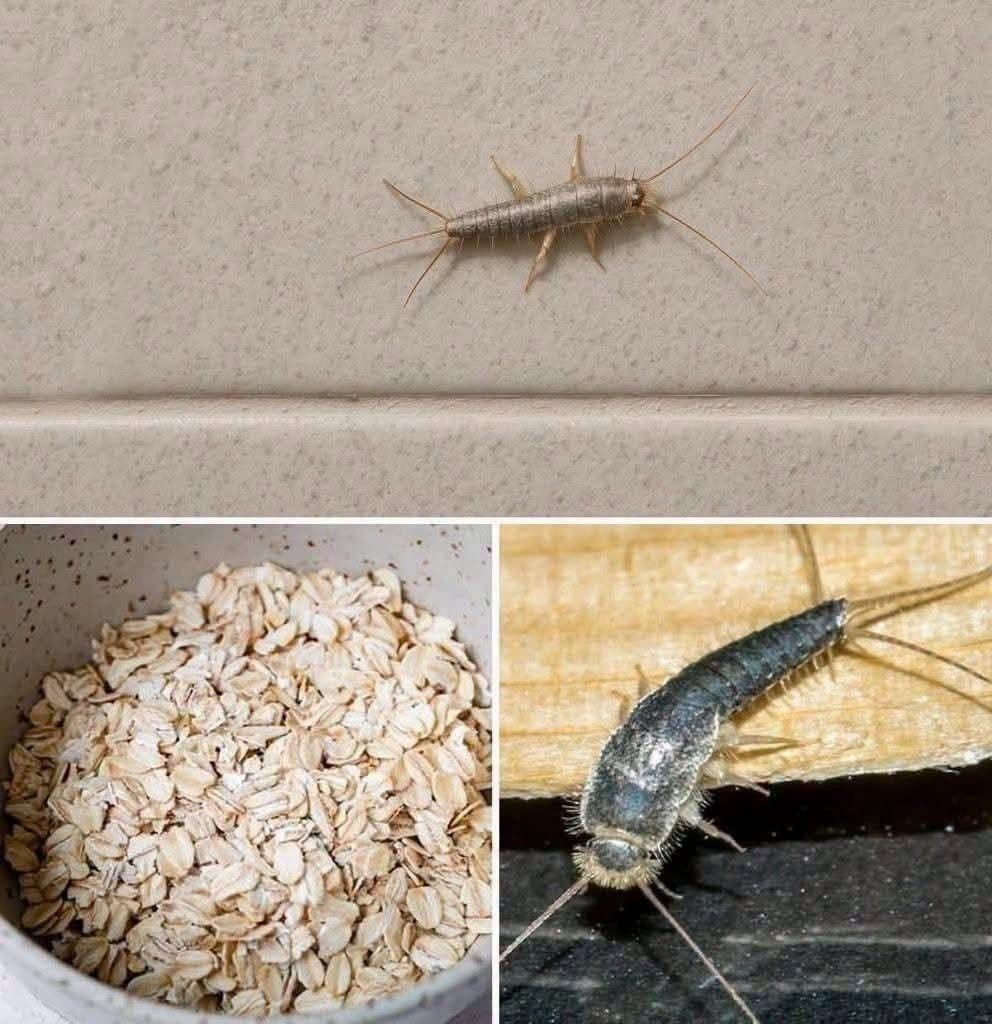
Have you ever noticed a tiny silver-colored insect quickly disappearing along a bathroom wall or beneath a kitchen cabinet after dark?
You may have just spotted a silverfish.
These small, wingless insects are easy to overlook. They have flattened, tapered bodies, long antennae, and several bristle-like appendages at the rear. Their quick movements can make them surprisingly difficult to catch sight of for more than a few seconds.
The good news is that silverfish are not generally considered dangerous to people or household pets.
However, seeing them repeatedly can tell you something useful about your home.
Rather than being a simple sign of an unclean house, silverfish are often associated with moisture, humidity, darkness, and sheltered spaces. If they begin appearing regularly, they may be an indication that certain areas of the home are providing exactly the conditions these insects prefer.
Why Silverfish Appear at Night
Silverfish are primarily nocturnal, which means they are most active after dark.
During the day, they can remain hidden in cracks, gaps, storage areas, and other quiet locations. When the house becomes darker and less active, they may emerge in search of food and suitable places to move around.
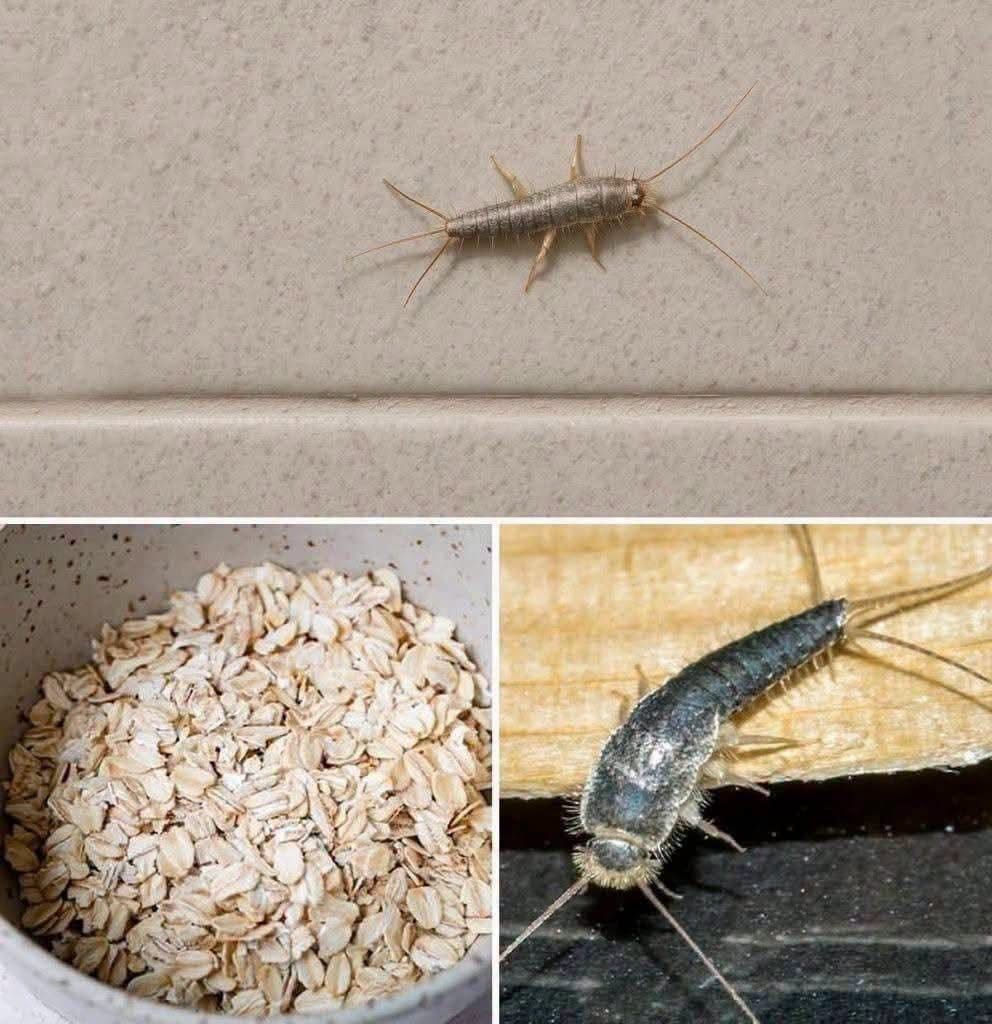
Their distinctive appearance makes them relatively easy to recognize once you know what you’re looking for.
They are typically small, silvery or gray in appearance, with elongated bodies that taper toward the rear. Their antennae are noticeably long, and their movement can be remarkably quick.
That sudden flash of silver across the floor is often what gives them away.
Where Silverfish Like to Hide
Silverfish generally prefer locations that provide moisture, darkness, and protection from disturbance.
Common areas include:
-
Bathrooms
-
Kitchens
-
Basements
-
Laundry rooms
-
Closets
-
Areas around plumbing
-
Storage spaces
-
Gaps and cracks around walls or flooring
Bathrooms can be particularly attractive because regular use of showers and sinks can increase humidity.
Poor ventilation can make the situation even more favorable.
A small leak beneath a sink, condensation around plumbing, or consistently damp conditions can create the kind of environment silverfish find comfortable.
Seeing One Doesn’t Necessarily Mean You Have an Infestation
Finding a single silverfish does not automatically mean that your home has a serious insect problem.
An occasional insect can enter from another area or simply find a suitable hiding place inside the house.
The more useful question is whether sightings become frequent or widespread.
If you regularly notice silverfish in the same room, see them in several areas, or continue finding them over an extended period, it may be worth looking more closely at the conditions inside your home.
Repeated sightings can sometimes be a clue that moisture or humidity needs attention.
Look for Moisture Before Blaming Dirt
One common misconception is that silverfish automatically indicate poor household cleanliness.
That isn’t necessarily the case.
Silverfish are strongly associated with environmental conditions, particularly humidity and moisture. A clean, well-maintained home can still provide suitable conditions for them if certain areas remain damp or poorly ventilated.
Instead of immediately assuming the problem is dirt, check the environment.
Look underneath sinks.
Inspect areas around pipes.
Pay attention to bathroom ventilation.
Check basements, laundry spaces, and other areas where moisture may accumulate.
If you notice condensation, damp surfaces, or a persistent musty environment, addressing those conditions may make the space less attractive to silverfish.

Simple Ways to Make Your Home Less Appealing
Reducing excess moisture is one of the most practical steps homeowners can take.
Good ventilation can help bathrooms and other humid rooms dry more quickly. Exhaust fans, open doors or windows when appropriate, and regular airflow can all help reduce lingering humidity.
Leaks should also be addressed promptly.
A small plumbing leak may seem insignificant, but persistent moisture can affect the surrounding environment and create favorable hiding conditions for insects.
Keeping storage areas organized can help as well.
Silverfish prefer dark, undisturbed spaces, so reducing clutter and periodically checking stored materials can make it easier to notice potential problems.
Don’t Ignore Repeated Sightings
A silverfish moving quickly across the bathroom floor may seem like nothing more than a minor nuisance.
And occasionally, that’s exactly what it is.
But repeated sightings can provide useful information.
Instead of focusing only on the insect itself, consider what might be attracting it.
Is the room unusually humid?
Is there a slow leak?
Does a particular area stay damp?
Are there many dark, undisturbed storage spaces?
These questions can help you identify environmental conditions that may be contributing to the problem.
A Tiny Insect Can Offer a Useful Household Clue
Silverfish may not be welcome guests, but their presence can sometimes serve as a small reminder to pay attention to the condition of your home.
They are not usually a threat to people or pets, yet frequent sightings can point toward moisture, humidity, or sheltered areas that deserve a closer look.
So the next time you see a tiny silver flash disappear beneath a cabinet at night, don’t panic.
Instead, take a moment to inspect the surroundings.
Sometimes the smallest signs around the house can draw attention to something that would otherwise go unnoticed.
And in the case of silverfish, that message may simply be: this area could use a little less moisture and a little more airflow.