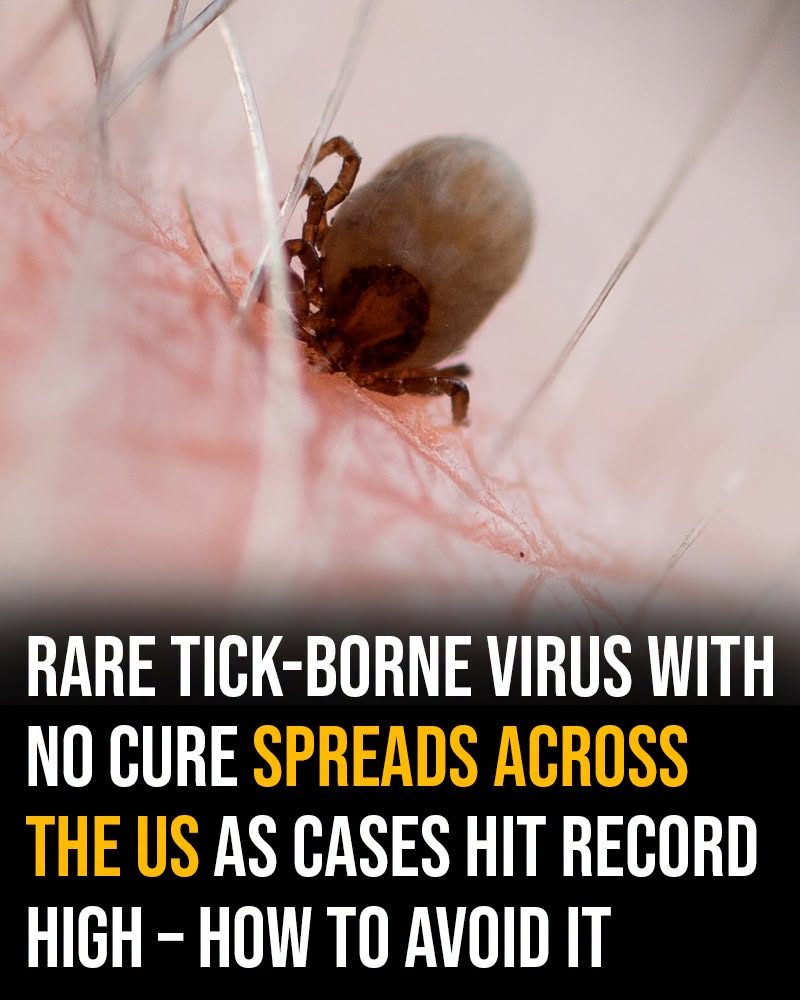
A family enjoys a summer hike through a peaceful woodland trail. The air is warm, birds are singing, and the landscape feels inviting. After returning home, everyone checks for ticks—a simple habit many outdoor enthusiasts know well. While most tick bites never lead to serious illness, health experts continue to encourage vigilance because ticks can carry several different diseases.
One of the rarest is Powassan virus, a tick-borne virus that has received increased attention following a rise in reported U.S. cases. Although infections remain uncommon, public health officials emphasize that awareness and prevention are the best tools for reducing risk.
This article explains what Powassan virus is, how it spreads, what symptoms may occur, and the practical steps you can take to help protect yourself and your family.
What Is Powassan Virus?
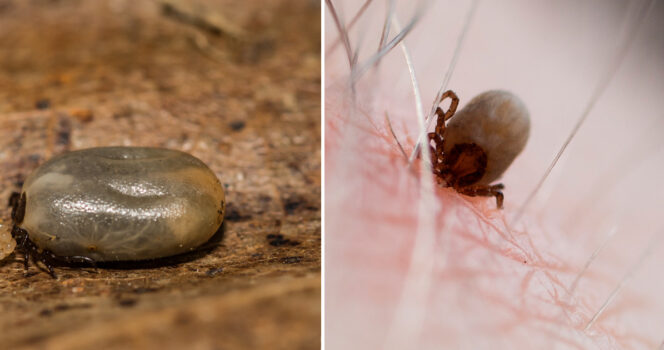
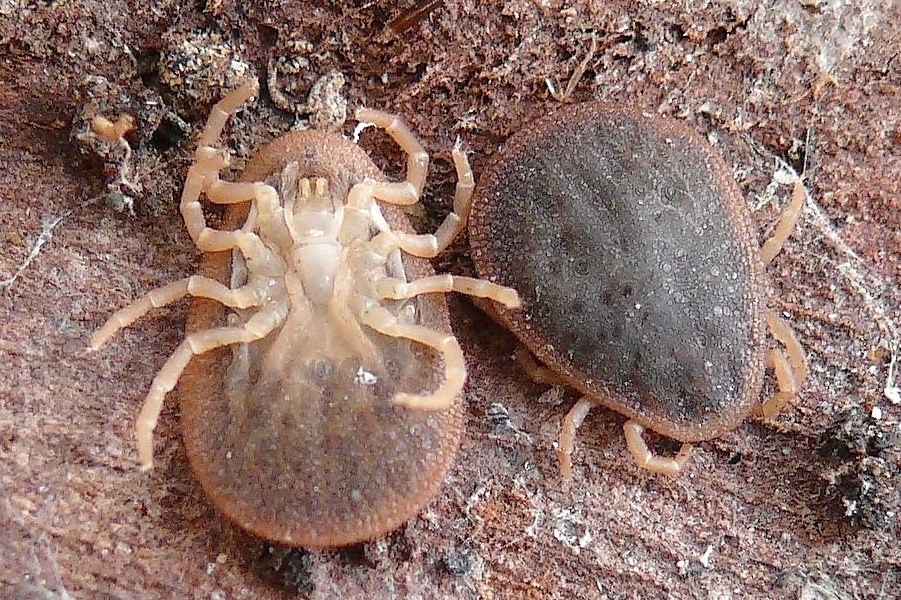
Powassan virus (POWV) is a virus transmitted primarily through the bite of infected Ixodes ticks, commonly known as blacklegged ticks or deer ticks in many parts of North America.
The virus was first identified in 1958 and has remained relatively rare compared with other tick-borne illnesses.
Unlike bacteria that cause illnesses such as Lyme disease, Powassan virus is caused by a virus, which means antibiotics are not effective against it.
Fortunately, infections remain uncommon, even in areas where ticks are present.
Why Has It Been in the News?
Recent surveillance data from U.S. public health authorities indicate that the number of reported Powassan virus cases increased during 2025 compared with historical averages.
Although this increase has attracted attention, experts emphasize an important point:
The disease is still considered rare.
Improved surveillance, greater public awareness, expanded testing, and environmental factors may all influence the number of reported cases from year to year.
Researchers continue studying why case numbers fluctuate over time.
How Is Powassan Virus Transmitted?
Powassan virus spreads through the bite of an infected tick.
The primary species involved include:
Blacklegged Tick (Ixodes scapularis)
This tick is also known for transmitting Lyme disease in many regions.
Groundhog Tick (Ixodes cookei)
This species can carry Powassan virus but bites humans less frequently.
Squirrel Tick (Ixodes marxi)
Although capable of carrying the virus, human bites are relatively uncommon.
One notable characteristic of Powassan virus is that transmission may occur more quickly than some other tick-borne diseases.
Because of this, prompt tick prevention remains especially important.
Where Is Powassan Virus Found?
Cases have been reported primarily in parts of:
- Northeastern United States
- Great Lakes region
- Upper Midwest
- Portions of southeastern Canada
Tick populations vary depending on local climate, wildlife, vegetation, and seasonal conditions.
Public health agencies continue monitoring these geographic patterns each year.
Symptoms of Powassan Virus
Many people exposed to the virus may experience no symptoms at all.
When symptoms develop, they often appear between one and four weeks after an infected tick bite.
Common symptoms may include:
- Fever
- Headache
- Fatigue
- Weakness
- Vomiting
These symptoms are not unique to Powassan virus and can occur with many viral illnesses.
Because symptoms vary considerably, healthcare professionals evaluate each patient individually
Possible Serious Illness
In some individuals, Powassan virus can affect the central nervous system.
According to the U.S. Centers for Disease Control and Prevention (CDC), more serious illness may involve inflammation affecting the brain or surrounding tissues.
Possible neurological symptoms can include:
- Confusion
- Difficulty speaking
- Problems with coordination
- Seizures
It is important to remember that severe illness remains uncommon, and not every infection progresses this way.
Anyone experiencing concerning neurological symptoms should seek prompt medical evaluation.
Is There a Cure?
Currently, there is no specific antiviral medication approved to cure Powassan virus.
Treatment focuses on supportive medical care.
For milder illness, healthcare providers may recommend:
Rest
Allowing the body time to recover.
Hydration
Maintaining adequate fluid intake.
Symptom Management
Over-the-counter medications may help relieve fever or discomfort when appropriate, following medical guidance.
People with more severe illness may require hospital-based supportive care tailored to their individual needs.
How to Reduce Your Risk
Fortunately, several practical measures can significantly reduce the likelihood of tick bites.
Use EPA-Registered Insect Repellent
Apply insect repellents according to label directions when spending time in wooded or grassy areas.
Wear Protective Clothing
Long sleeves, long pants, and closed shoes provide additional protection.
Light-colored clothing may also make ticks easier to spot.
Stay on Established Trails
Avoid brushing against tall grass, leaf litter, and dense vegetation whenever possible.
Perform Tick Checks
Carefully examine your body, clothing, children, and pets after outdoor activities.
Pay particular attention to:
- Behind the knees
- Under the arms
- Around the waist
- Scalp
- Neck
- Behind the ears
Shower After Outdoor Activities
Showering within two hours after spending time outdoors may help remove unattached ticks.
Protect Pets
Dogs and outdoor animals can carry ticks into the home.
Veterinarians can recommend appropriate tick prevention products based on your pet’s needs.

What Should You Do After a Tick Bite?
Finding a tick does not necessarily mean you will become ill.
If you discover a tick:
- Remove it promptly using fine-tipped tweezers.
- Grasp the tick close to the skin.
- Pull upward steadily without twisting.
- Clean the bite area with soap and water.
- Monitor for symptoms over the following weeks.
If you develop fever, persistent headache, unusual neurological symptoms, or other concerning illness after a tick bite, contact a healthcare professional for medical advice.
Why Tick Awareness Matters
Ticks are capable of transmitting several different diseases depending on geographic location.
Public health education focuses on prevention because avoiding tick bites reduces the risk of multiple illnesses simultaneously.
Simple outdoor habits—such as using repellent, checking for ticks, and wearing appropriate clothing—provide broad protection during hiking, gardening, camping, and other outdoor activities.
Balancing Awareness With Perspective
News about emerging infectious diseases can understandably attract attention.
However, experts consistently emphasize that Powassan virus remains rare, even with recent increases in reported cases.
For most people, enjoying outdoor activities safely is entirely possible with sensible preventive measures.
Rather than creating unnecessary concern, increased public awareness encourages informed decisions that reduce health risks.
Conclusion
Powassan virus is an uncommon but important tick-borne illness that reminds us of the value of prevention during outdoor activities. Although recent reports indicate an increase in documented cases, infections remain rare, and simple protective measures can greatly reduce the risk of tick bites.
Health experts recommend focusing on practical prevention strategies such as using insect repellent, wearing protective clothing, checking for ticks after spending time outdoors, and seeking medical advice if concerning symptoms develop after a tick bite.
Human curiosity naturally leads us to pay attention when new health stories appear in the news. By relying on evidence-based guidance rather than fear, we can better understand emerging diseases while continuing to enjoy nature safely and responsibly.
Sources
- U.S. Centers for Disease Control and Prevention (CDC). Powassan Virus. https://www.cdc.gov/powassan
- Cleveland Clinic. Powassan Virus: Symptoms, Causes & Prevention. https://my.clevelandclinic.org
- National Institute of Allergy and Infectious Diseases (NIAID). Tick-Borne Diseases. https://www.niaid.nih.gov
- Mayo Clinic. Tick Bites: Prevention and Care. https://www.mayoclinic.org
- Environmental Protection Agency (EPA). Using Insect Repellents Safely and Effectively. https://www.epa.gov/insect-repellents