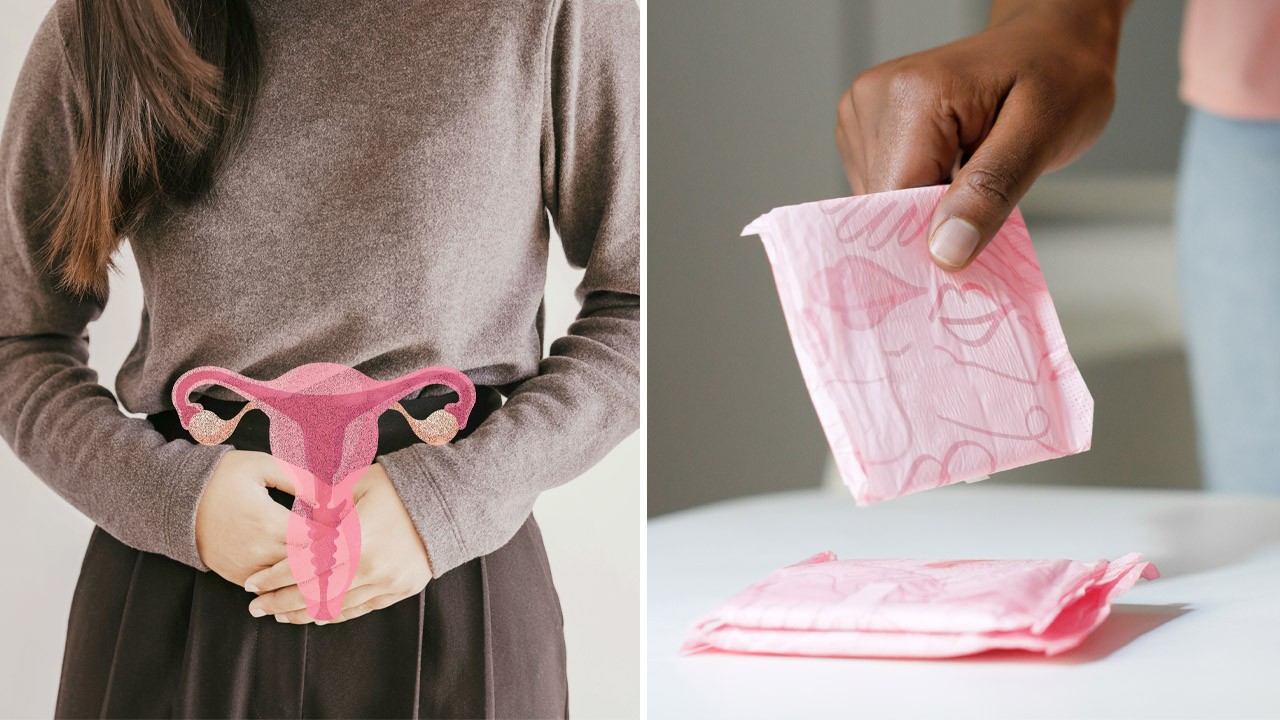
Experts Warn Against ‘Period Scooping’: Understanding the Risks and Safe Menstrual Hygiene Practices
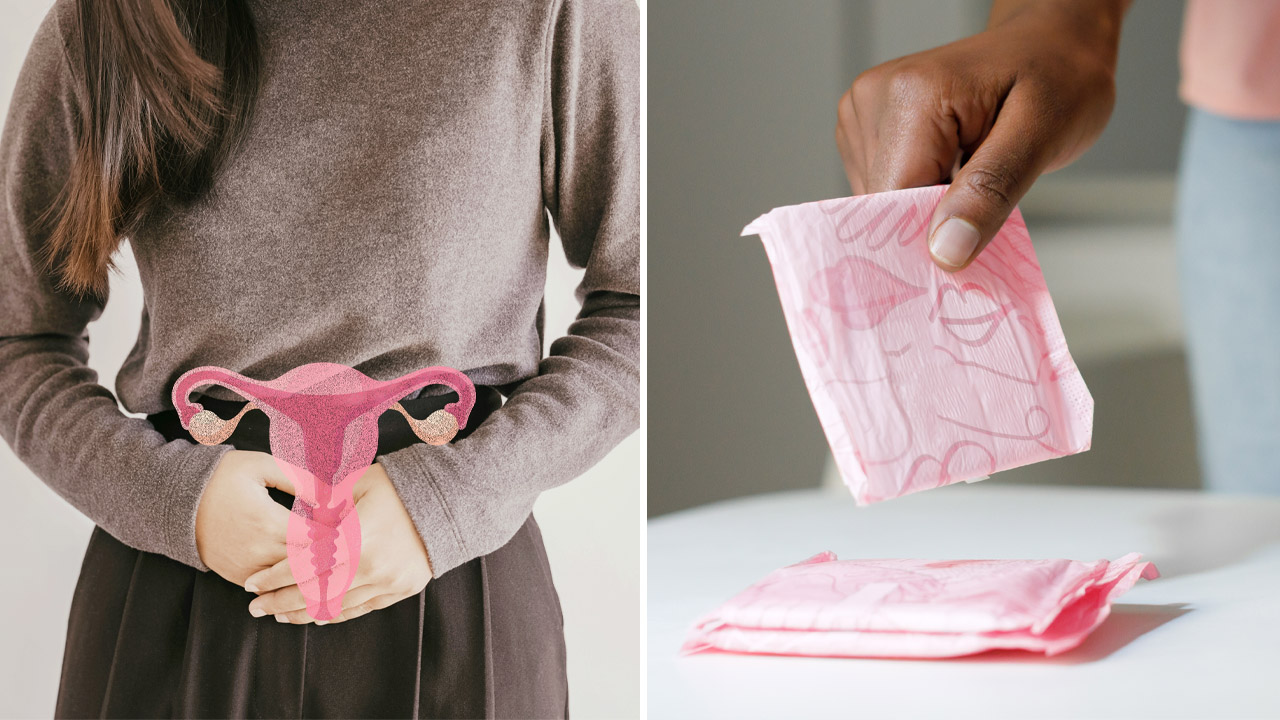
Menstruation, commonly referred to as having a period, is a natural and important biological process experienced by billions of women and people with uteruses globally. It can be accompanied by discomfort, pain, fatigue, and inconvenience. Over the years, individuals have employed a wide variety of approaches and techniques to help manage their periods, from using hot compresses for pain to relying on prescription medications. Recently, however, a controversial trend known as “period scooping” has gained traction online, prompting medical experts to voice strong warnings against the practice. This article aims to offer a comprehensive, evidence-based exploration of period scooping, why experts caution against it, and what safe menstrual hygiene truly entails.
The Modern Landscape of Menstrual Management
Throughout history and across cultures, menstruation has been managed through an evolving array of techniques. Today, options abound: disposable and reusable pads, tampons, menstrual cups, period underwear, pain relievers, hormonal contraceptives, and even minimally invasive medical interventions. Period-management choices are often personal, shaped by access to products, cultural beliefs, and individual experience of symptoms.
Amidst this landscape, social media has emerged as a powerful influence, shaping menstrual health discussions and sometimes introducing ideas and practices that may fall outside mainstream medical advice. One such concept, period scooping, has become a recent topic of debate and concern.
What Is “Period Scooping”?
“Period scooping” refers to the act of actively removing menstrual blood from the vagina, typically with fingers or objects, often during a shower or bath. The intent is to “scoop out” or physically remove blood clots and menstrual fluid, with the belief that this can make periods pass more quickly or simply make them easier to manage. The practice shares features with vaginal douching, which involves flushing or washing the inside of the vagina with water or solutions, often in the belief that it promotes cleanliness.
Discussions around period scooping have increasingly appeared on online forums and social networks like Reddit and TikTok. Users report sometimes feeling relief by removing visible clots before they soil pads or tampons, or even believing that “scooping out” menstrual blood can shorten the duration of their period. A Reddit user cited in coverage of the trend shared: “When I’m in the shower I kind of try ‘scooping’ the blood out – I feel like I can ‘wash away’ gobs of blood before they get on my pad. Part of me also hopes this might make my period shorter even though I know that’s not likely.”
Some proponents say they have conditions such as endometriosis, a disorder in which tissue similar to the uterine lining grows outside the uterus and may make menstrual bleeding heavier and more uncomfortable. “I do this also since I have endometriosis and really I can’t help but do anything I can to get the clots of blood out as soon as possible. I am going to pass them one way or the other, so may as well be in the shower,” one commenter wrote.
Despite its popularity in online circles, healthcare professionals emphasize that there are significant risks associated with physically removing menstrual blood and that the practice is not supported by scientific evidence.
Medical Perspective: Understanding Menstrual Physiology
To understand why period scooping is discouraged, it’s vital to first review the biology of menstruation:
- The menstrual cycle involves thickening of the endometrium (the lining of the uterus) in preparation for pregnancy. If pregnancy does not occur, hormonal changes signal the shedding of this lining through the cervix and then the vagina, resulting in menstrual bleeding.
- The uterus contracts to expel its contents, and the cervix acts as the anatomical passage through which menstrual blood, mucus, and occasional clots exit the body. The flow of menstrual blood is regulated by hormonal and physical processes and largely cannot be hastened by manual intervention.
- The vagina is a self-cleaning organ, naturally populated by beneficial bacteria (mainly lactobacilli) that help maintain a healthy, slightly acidic environment.
Dr. Christie Cobb, an obstetrician-gynecologist, emphasized, “The duration of the menstrual cycle is determined by the shedding of the uterine lining, which passes through the cervix and the vagina prior to leaving the body. Removing what is in the vagina with the fingers is essentially the same as inserting and immediately removing a tampon. It might flush what is present in the moment, but will not change the flow from the uterus.” (SELF)
Expert Warnings: Health Risks of Period Scooping
Leading gynecologists and health organizations strongly caution against inserting fingers or objects into the vagina to “scoop” out menstrual fluid or blood clots. Here are the primary reasons for concern:
Risk of Infection
The vagina maintains its own delicate microbial balance. According to Dr. Rupa Parmar, GP and medical director of Midland Health, “Having a balanced pH level ensures your vagina is healthy and infection-free, but in some cases, it can become unbalanced. Things like infections, hormonal changes, and sex can cause a change in the vagina’s environment, but so can douching or washing with harsh soaps.” Disrupting this environment by manual intervention risks introducing bacteria or removing healthy bacteria, potentially leading to infections such as thrush (yeast infection) or bacterial vaginosis.
Douching, which involves flushing the vagina internally, is similarly discouraged by organizations like the Centers for Disease Control and Prevention (CDC) and the American College of Obstetricians and Gynecologists (ACOG), as it is associated with increased rates of pelvic inflammatory disease (PID), reproductive tract infections, and a disrupted vaginal microbiome.
Physical Injury
Inserting unprotected fingers, nails, or any objects into the vagina risks causing scratches, abrasions, or even deeper trauma to the sensitive vaginal walls and cervical tissue. “This is definitely not something to be attempted at home. First, there is the risk of injury from scrapes or cuts to the vaginal mucosa or cervix from fingernails,” Dr. Cobb advises. Breaks in the vaginal skin can also increase susceptibility to infections and make menstruation more uncomfortable.
No Effect on Menstrual Duration
A widespread myth is that by removing menstrual blood manually, it is possible to shorten the duration of periods. The reality, supported by robust medical research, is that bleeding occurs as a result of uterine shedding, which cannot be sped up by extracting blood that has already traveled through the cervix to the vagina. As Dr. Cobb explains, manual removal only clears blood present at that moment, akin to changing a pad or tampon, and will not alter the uterine process or end menses faster. Trying to manipulate the vaginal canal does not change the underlying biological process. Adjustments in period length can sometimes be achieved safely by hormonal contraception in consultation with a healthcare provider—never by physical scooping.
Cultural and Societal Views on Menstruation
The enduring stigma and secrecy around menstruation in many societies may help explain the appeal of do-it-yourself methods like period scooping. In several cultures, periods are subject to taboos and misinformation, leading to confusion about what is “normal” or “clean” and prompting people to turn to unconventional or even risky behaviors in their search for relief or acceptance. Open, evidence-based conversations about menstrual health are essential for challenging myths and empowering individuals to make safe choices.
Menstrual hygiene education, promoted by the World Health Organization (WHO) and United Nations agencies, centers on the importance of safe, dignified management—including access to clean menstrual products and private washing facilities, and accurate information about the menstrual cycle and genital care. Safe practices do not include internal vaginal cleaning beyond what is required for medical procedures or product insertion (such as tampons or menstrual cups under hygienic conditions).
Safe and Effective Menstrual Hygiene Practices
- External Washing Only: Wash the vulva (external genitalia) with warm water and, if desired, mild unscented soap. Do not douche or attempt to internally wash the vagina, as it is self-cleaning.
- Use Menstrual Hygiene Products Safely: Change pads and tampons regularly (every 4-8 hours), use clean hands when handling menstrual products, and ensure any reusable product (like menstrual cups) is sanitized according to manufacturer instructions.
- Monitor for Signs of Infection: Be alert to new symptoms such as itching, unusual discharge, foul odor, pain, or fever during your period, and consult a healthcare provider if these occur.
- Seek Professional Guidance for Symptoms: For heavy, painful, or irregular periods, see a healthcare professional for evaluation and safe management options. Conditions like endometriosis, fibroids, and bleeding disorders are best addressed with specialist support, not home remedies.
- Foster Open Dialogue: Challenge myths and stigma by seeking and sharing accurate menstrual health information and supporting open conversations among peers and family.
If you are ever unsure about your menstrual health or personal hygiene, consulting a physician or experienced healthcare provider is the surest way to receive safe, effective, and nonjudgmental care.
International Health Organizations on Menstrual Health
The consensus from major health organizations around the world on internal vaginal cleaning is clear: it is unnecessary and often harmful. Both WHO and ACOG explicitly advise against douching, promoting external washing only. Period scooping is not recognized as a safe or medically effective practice for menstrual management.
Instead, global efforts are directed towards increasing access to safe, affordable menstrual products, eradicating stigma, and providing educational resources on period health—a perspective reflected in public health campaigns and comprehensive sexual education curricula.
Takeaways: Informed and Safe Menstrual Care
The rise of period scooping in popular discourse reflects broader attempts among menstruating individuals to gain a sense of agency over their bodies and reduce discomfort during their periods. However, there is no scientific evidence to support this method as safe or effective. In fact, experts warn that period scooping poses risks including infection, injury, and disruption of the vagina’s healthy microbiome, without conferring any true benefits.
Safe menstrual hygiene centers on external washing, the correct use of menstrual products, and consulting healthcare professionals for menstruation concerns—empowering individuals to manage their periods with confidence, dignity, and good health.
For those seeking ways to ease painful or heavy periods, or to alter their menstrual cycles, healthcare providers can outline evidence-backed options tailored to individual health profiles and lifestyles.
Sources
Disclaimer: This content is intended for entertainment purposes only and is not based on real events.