
When Savannah Combs learned she was expecting twins, she felt the same mixture of excitement and nervousness many parents experience. But doctors soon revealed something much rarer: both babies were diagnosed with Down Syndrome.
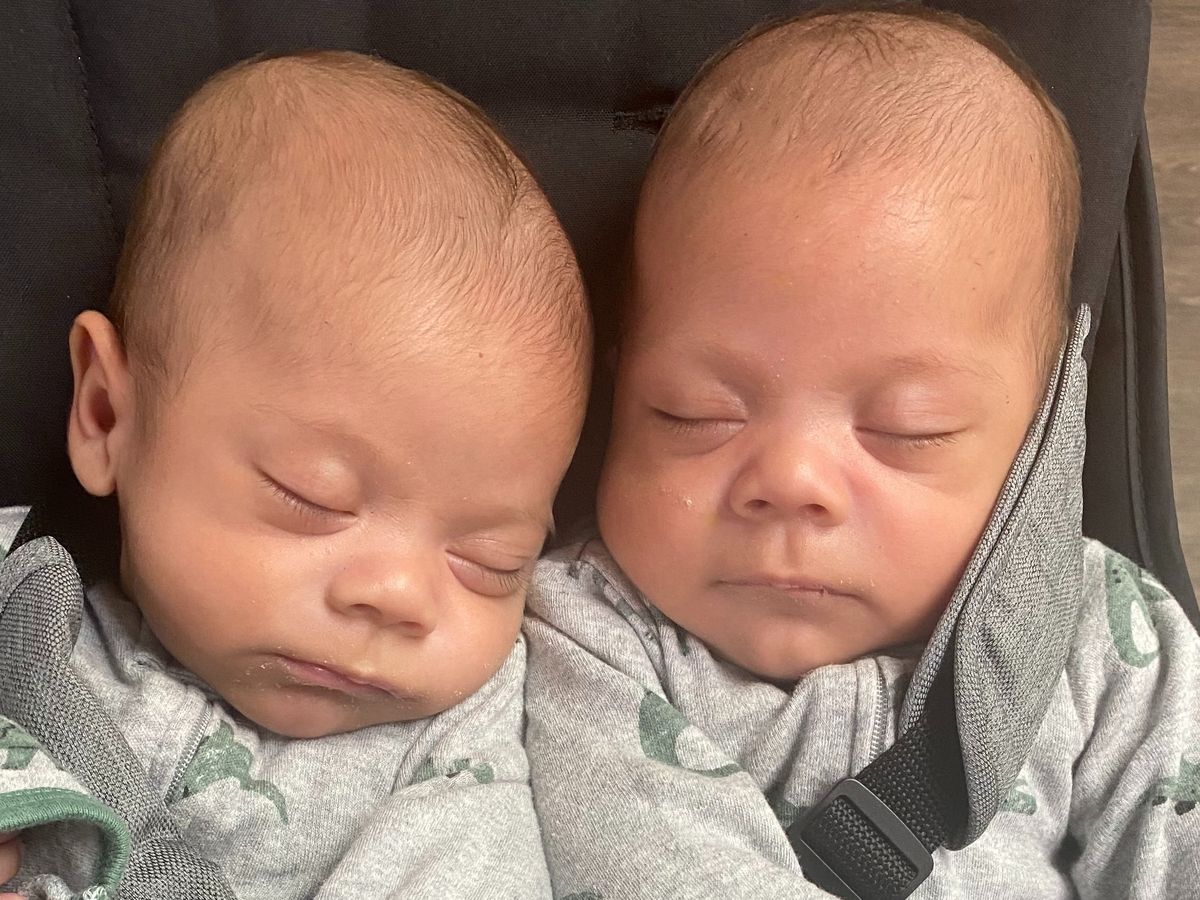
For some families, unexpected medical news can bring fear and uncertainty. Yet Savannah chose to focus on hope, love, and gratitude. Years later, photos and videos of her daughters, Kennadi Rue Ackerman and Mckenli Ackerman, have inspired millions online.
The story quickly spread across social media because it carried a message far bigger than rarity. It became a reminder that every child deserves love, opportunity, and acceptance.
Understanding the Rarity of Identical Twins
Twin births have become more common over recent decades, but identical twins are still relatively unusual.
Medical experts explain that identical twins occur when a single fertilized egg splits into two embryos. In Savannah’s case, the pregnancy was considered especially rare because both identical twins were born with Down Syndrome.
According to reports shared by the family, doctors described the combination as extremely uncommon. The twins were also classified as “mono di” twins, meaning they shared one placenta while developing in separate sacs.
Although rare medical stories often attract public curiosity, Savannah repeatedly emphasized that her daughters are children first, not simply a medical statistic.

A Challenging Pregnancy Filled With Hope
During her pregnancy, Savannah faced emotional conversations and difficult opinions from others. She later shared that some people questioned whether the babies would survive or encouraged her to make different decisions.
Despite those pressures, she remained determined to continue the pregnancy and give her daughters every possible chance.
Savannah described each prenatal appointment as a blessing because it allowed her to see her babies continuing to grow and develop.
Her husband, Justin Ackerman, was away at military boot camp during part of the pregnancy, making the experience even more emotionally intense for the young mother.
At 29 weeks pregnant, Savannah was admitted to the hospital before eventually delivering the twins earlier than expected.
Early Challenges After Birth
Because the twins arrived prematurely, they spent time in a neonatal intensive care unit before going home.
For many parents, this period can be emotionally exhausting. Hospitals, medical monitoring, and uncertainty often create stress and anxiety during the first weeks of a child’s life.
Yet Savannah continued documenting the family’s journey online with honesty and optimism.
Instead of focusing only on challenges, she celebrated every milestone, no matter how small. Videos showing the twins smiling, learning, and interacting together quickly gained attention across platforms like TikTok.
Viewers connected deeply with the girls’ joyful personalities and the family’s positive attitude.
Responding to Online Criticism
As the family’s visibility grew online, so did criticism from strangers.
Some users posted insensitive comments about the twins’ condition or questioned Savannah’s parenting choices. Social media can sometimes amplify negativity, especially toward families sharing personal experiences publicly.
Rather than responding with anger, Savannah answered critics calmly and confidently.
One of her most widely shared responses came after someone commented that they would not want children born with Down syndrome.
Savannah replied that her daughters were born to the right parents who would love them completely.
Her response resonated strongly because it shifted attention away from judgment and back toward compassion, acceptance, and unconditional love.

Changing Perceptions About Down Syndrome
Stories like Savannah’s play an important role in reshaping public understanding of Down Syndrome.
For many years, disabilities were often misunderstood or underrepresented in media and popular culture. Families raising children with disabilities sometimes faced isolation, stereotypes, or limited social support.
Today, increased awareness and visibility are helping change those perceptions.
Parents, educators, healthcare professionals, and advocacy organizations continue emphasizing that people with Down syndrome can participate meaningfully in schools, communities, workplaces, and family life.
Savannah frequently reminds followers that her daughters may develop at their own pace, but they are capable of learning, growing, and thriving like any other children.
The Importance of Representation Online
One reason the twins’ story became so popular is because representation matters.
Many parents of children with disabilities say seeing positive family stories online helps reduce feelings of isolation and fear. It also encourages broader public understanding.
The internet can sometimes spread negativity, but it can also create communities built around encouragement and empathy.
Through regular updates, Savannah shares ordinary moments that audiences everywhere can relate to:
Family time
Playful smiles
Celebrating milestones
Learning new skills
Sibling bonding
These everyday experiences help viewers focus on shared humanity rather than differences.
Why People Connected With the Story
The emotional power of the story comes from its simplicity.
At its core, it is not just about rare twins or medical diagnoses. It is about a mother proudly loving her children despite outside judgment.
Many people connected emotionally because the family’s journey reflects universal themes:
Parental devotion
Perseverance
Acceptance
Resilience
Compassion
The twins’ cheerful personalities and visible bond with their parents helped transform what could have been treated merely as a “viral story” into something genuinely uplifting.
Social Media and Modern Parenting
Savannah’s experience also reflects a broader reality of modern parenting in the digital age.
Parents who share family experiences online often receive both support and criticism from strangers. Viral attention can create positive awareness, but it also exposes families to public scrutiny.
Experts frequently encourage respectful conversations around disability awareness and remind social media users that real families stand behind viral headlines.
In Savannah’s case, supporters overwhelmingly rallied around the family, praising their openness and positivity.
Many viewers commented that the twins’ story helped challenge misconceptions they previously held about Down syndrome.
A Message of Acceptance and Hope
Perhaps the strongest message in this story is that every child deserves to be valued for who they are.
Savannah consistently speaks about her daughters not as limitations or burdens, but as joyful individuals with unique personalities and futures ahead of them.
Her photos and videos show children laughing, learning, cuddling, and exploring the world around them.
That visibility matters because it encourages society to move beyond stereotypes and embrace greater empathy and inclusion.
Conclusion
The story of Kennadi Rue Ackerman and Mckenli Ackerman became widely shared not simply because their condition is rare, but because their family’s message resonated deeply with audiences everywhere.
Through kindness, patience, and confidence, Savannah Combs responded to criticism by proudly celebrating her daughters and reminding people that beauty exists in many forms.
In a world often driven by judgment and online negativity, stories like this continue inspiring conversations about compassion, inclusion, and the importance of seeing people for who they truly are.

Sources
- National Down Syndrome Society
- Centers for Disease Control and Prevention (CDC) – Down Syndrome Information
- Mayo Clinic – Down Syndrome Overview
- Global Down Syndrome Foundation
- Newsner