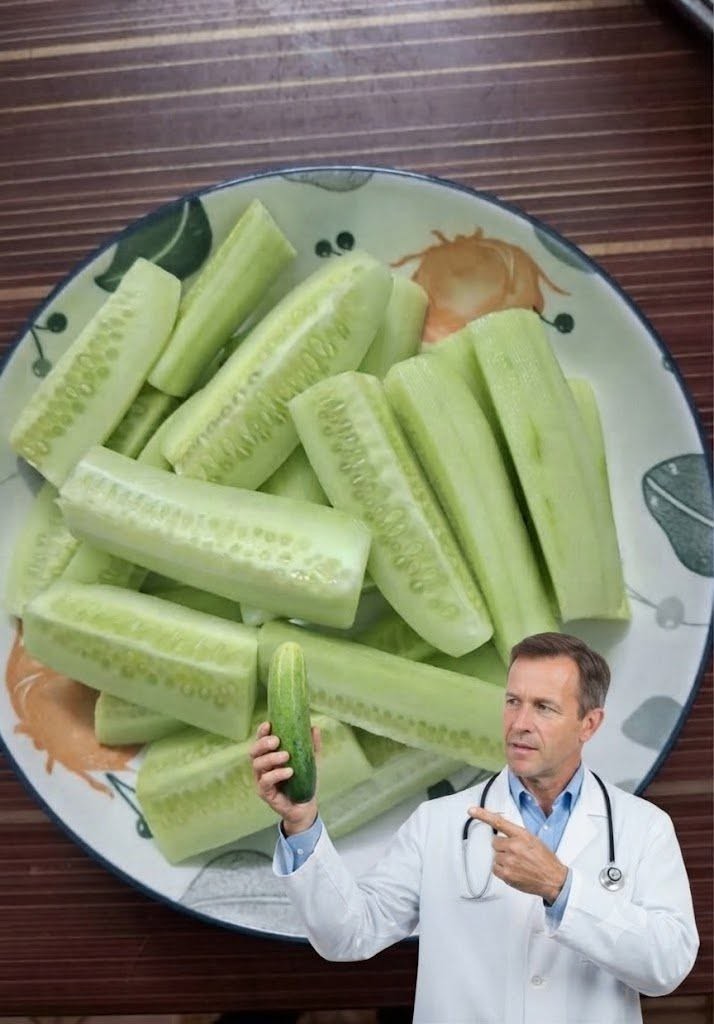
Cucumbers: Hydration, Health Benefits, and Their Role in a Balanced Diet
Introduction to Cucumbers as a Nutritious Food
Cucumbers are among the world’s most widely consumed vegetables, valued for their crisp texture, mild flavor, and hydrating qualities. Commonly added to salads, sandwiches, and beverages, cucumbers boast a nutritional profile that makes them an attractive addition to healthy eating patterns. They are low in calories, composed predominantly of water, and supply essential vitamins and minerals that support overall health. This article examines the role of cucumbers in nutrition, their specific health benefits, and how best to include them as part of a balanced, evidence-based diet.
Nutritional Profile of Cucumbers
Fresh cucumbers are composed of about 95% water, making them one of the most hydrating vegetables available. A typical cup (about 104 grams) of sliced, raw cucumber with peel contains roughly:
- 16 calories
- 0.8 grams of protein
- 3.8 grams of carbohydrates
- 0.2 grams of fat
- 0.5 grams of dietary fiber
- 17 micrograms of vitamin K (about 20% of daily needs)
- 193 milligrams of potassium (about 4% of daily needs)
- Small amounts of vitamin C, magnesium, and manganese
These nutrients, while provided in moderate quantities, contribute to the maintenance of bodily functions such as blood clotting, nerve activity, and bone health.
Hydration: The Main Advantage of Cucumbers
Proper hydration is essential for human health, as water supports digestion, body temperature regulation, circulation, and waste elimination. Cucumbers, because of their high water content, provide a refreshing means of supplementing daily fluid intake. While they should never replace direct water consumption, including cucumbers in meals and snacks can contribute to meeting hydration needs, especially in hot climates or for those who have difficulty drinking sufficient water.
Staying hydrated contributes to improved cognitive function, skin health, and energy levels. For those needing reminders to increase fluid intake, cucumber-infused water can be an appealing, palatable alternative to sugary drinks.
Weight Management and Portion Control
Cucumbers’ low calorie and high water makeup make them ideal for people aiming to maintain or reduce their weight. Replacing energy-dense snacks like chips or crackers with sliced cucumbers can significantly lower calorie consumption without sacrificing satiety. The natural crunch and refreshing taste help satisfy cravings for texture and flavor, supporting dietary adherence for those pursuing health or weight loss goals.
It is important to clarify, however, that cucumbers do not contain special compounds that “burn” fat or specifically induce loss of belly fat. Any claims to that effect are unsupported by scientific evidence. Their benefits stem primarily from enabling healthier snack choices and calorie regulation.
Digestive and Gastrointestinal Health
Dietary fiber is crucial for the maintenance of digestive regularity and prevention of constipation. Many cucumbers are consumed peeled, but eating them with the skin provides additional fiber, which helps form stool and supports gastrointestinal health. Fiber-rich diets have been associated with reduced risk for several diseases, including colorectal cancer, type 2 diabetes, and heart disease.
Some research indicates that the soluble fiber found in fruits and vegetables like cucumbers can help modulate blood sugar by slowing digestion, which is beneficial for those managing diabetes or metabolic disorders. However, cucumbers are not a cure or primary treatment for these conditions.
Key Vitamins and Minerals in Cucumbers
In addition to fiber and water, cucumbers provide several vitamins and minerals important for optimal health:
- Vitamin K: Essential for proper blood clotting and bone maintenance, vitamin K is present in significant quantities in cucumber skin. Consistent intake supports skeletal health and decreases risk of bone fractures.
- Potassium: This mineral helps regulate fluid balance, nerve signals, and muscle contractions. Diets rich in potassium are linked to lower blood pressure, which may reduce risk of stroke and heart disease.
- Antioxidants: Cucumbers contain plant compounds, such as flavonoids and tannins, that help prevent oxidative stress in the body. Antioxidants combat damage caused by free radicals, potentially lowering inflammation and the risk of chronic disease.
Safe Daily Consumption and Potential Side Effects
For most people, cucumbers are safe to eat daily and fit well within a varied diet. Nevertheless, as with all foods, moderation and awareness of personal tolerance are important. Eating large amounts of raw cucumber may cause digestive symptoms including bloating or burping for some individuals, particularly those sensitive to high-fiber foods or with certain gastrointestinal conditions.
Additionally, individuals prescribed fluid restrictions—such as people with chronic kidney disease—should monitor their total fluid intake, including that from high-water foods. Proper medical guidance should be followed to avoid overhydration in these cases.
Vitamin K plays a crucial role in medication interactions, especially for people taking anticoagulants like warfarin. Sudden changes in vitamin K consumption can interfere with medication effectiveness, so maintaining a consistent intake of cucumbers (and other vitamin K-rich foods) is advisable under healthcare supervision.
Fresh Cucumbers vs. Pickles and Cucumber Water
Many consumers enjoy cucumbers in pickled form or drink cucumber-infused water for variety. It is important to distinguish between fresh cucumbers and pickled variants:
- Pickles: While pickles share the base nutrition of fresh cucumbers, the pickling process adds significant sodium to the product. High sodium intake is associated with increased risk of hypertension and heart disease. For those sensitive to salt or managing blood pressure, fresh cucumbers are the healthier option.
- Cucumber water: Adding cucumber slices to water can make the beverage more enticing, promoting hydration. However, many purported “detoxifying” or “fat-burning” properties of cucumber water are not supported by clinical evidence. The human body’s liver and kidneys perform detoxification naturally and do not require enhancement by special drinks.
- Cucumber juice: Juicing cucumbers may reduce their fiber content compared to eating them whole. Whole cucumbers provide satiety and digestive benefits that juices cannot fully replicate.
Expert Perspectives on Cucumber Consumption
Dietetics experts and nutritionists generally agree that cucumbers can support health when included as part of a diverse and plant-rich diet. According to the United States Department of Agriculture (USDA) and organizations such as the Academy of Nutrition and Dietetics, fruits and vegetables—including cucumbers—should comprise half of each meal for optimal nutrient intake.
Health authorities, including the Centers for Disease Control and Prevention (CDC) and World Health Organization (WHO), recommend consuming a wide range of vegetables each day. While cucumbers contribute positively, dietary diversity ensures a broader spectrum of vitamins, minerals, and phytonutrients.
There is no universal guideline for the number of cucumbers to be eaten daily. Usually, a moderate serving (half to one whole cucumber, depending on size and preference) can fit easily into meals and snacks for most individuals, without negative consequences and while supporting overall vegetable intake.
Practical and Tasty Ways to Add Cucumbers to the Diet
One reason cucumbers are so often recommended is ease of preparation and versatility. Popular methods for enjoying cucumbers include:
- Fresh slices: Eaten plain or dusted with a pinch of salt or chili powder.
- Salads: Combined with tomatoes, leafy greens, avocado, and feta cheese for a balanced meal.
- Snacks: Dipped in hummus, Greek yogurt, or served alongside hard-boiled eggs for additional protein.
- Sandwich toppers: Adding crunch and hydration to wraps and sandwiches.
- Cucumber spears: Served with a mix of other raw vegetables for variety.
- Cucumber water: Enhancing water with thin slices of cucumber and citrus fruits.
Pairing cucumbers with sources of healthy fat (such as olive oil, avocado, or cheese) or protein (like eggs or legumes) can increase satisfaction and the nutrient profile of the meal.
Societal and Cultural Importance of Cucumbers
Cucumbers have featured in traditional diets and cuisines across the world for thousands of years. In some cultures, they are pickled for preservation and flavor, while in others, they are celebrated for their cooling properties—particularly in regions with hot weather. The ease of cultivation and rapid growth cycle also make cucumbers an accessible crop for home gardeners and a staple at local markets.
Health-conscious movements, such as the Mediterranean diet and plant-forward eating, often highlight cucumbers for their role in promoting fullness and dietary balance. Trends such as “spa water” or cucumber-infused beverages also reflect growing societal interest in hydration and wellness.
Conclusion: The True Value of Cucumbers in Healthy Living
Cucumbers are a simple yet valuable component of a healthy diet. Their greatest strengths lie in their water content, low calorie count, essential micronutrients, and versatility. While they are not a miracle superfood, cucumbers can support hydration, digestion, and the enjoyment of plant-based meals. The most substantial benefits result from including cucumbers consistently within a well-rounded diet rich in a variety of fruits, vegetables, whole grains, lean proteins, and healthy fats.
Consumers are encouraged to enjoy cucumbers as part of their daily meals, taking personal health needs and preferences into account. As always, for specific medical conditions, dietary adjustments should be guided by qualified healthcare professionals.
Sources
- Centers for Disease Control and Prevention (CDC)
- World Health Organization (WHO)
- Mayo Clinic
- BBC Health News
- Reuters Science & Health
- Nutrition.gov – Vegetables
- Academy of Nutrition and Dietetics
Disclaimer: This content is intended for entertainment purposes only and is not based on real events.