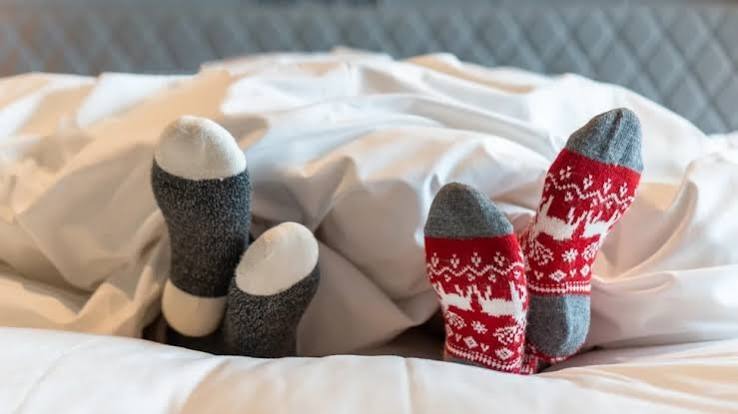
Sleeping With Socks: The Science Behind a Surprising Sleep Habit
Sleeping with socks is a bedtime habit that divides opinion. For some, socks offer warmth and comfort. Others prefer the sensation of bare feet, believing it helps them sleep better. While this preference is often attributed to personal comfort or the need for warmth, scientific evidence suggests that wearing socks to bed can influence core biological processes that affect our sleep quality.
What may seem like a trivial decision—whether to cover your feet before sleep—has wider implications. Researchers have investigated how this habit impacts temperature control, sleep onset, sleep cycles, circulation, hormonal shifts, and overall nighttime comfort. Understanding these dynamics can help individuals optimize their sleep routine for greater restfulness and well-being.
The Role of Temperature Regulation in Sleep Initiation
Sleep is a complex physiological process, requiring synchronization of multiple body systems. One of the most important signals for sleep initiation is the gradual lowering of core body temperature. As evening approaches, the body naturally prepares for restful sleep by cooling itself. This process signals the brain to transition from wakefulness into sleep, reducing alertness and encouraging relaxation.
Peripheral body parts, especially the feet, play a critical role in this nighttime cooling. Blood vessels in the feet function as natural radiators; when they widen—a process called distal vasodilation—they allow extra heat to escape from the body. Scientists have found that warming the feet can enhance this vasodilation, further facilitating the reduction of core body temperature and preparation for sleep.
How Socks Accelerate Sleep Onset
The notion that wearing socks could help you fall asleep faster seems counterintuitive. It’s logical to assume that warming the feet with socks might elevate body temperature, making it harder to transition into sleep. However, research points to the opposite effect. When the feet are warm, blood vessels near the skin surface expand, increasing blood flow and accelerating heat loss from the body’s core.
This enhanced heat dissipation facilitates the natural drop in core body temperature, sending a signal to the brain to secrete sleep-promoting hormones and transition into rest. Studies have shown that individuals who wear socks to bed often experience faster sleep onset compared to those who don’t. Even a minor reduction in the time it takes to fall asleep can improve sleep quality, especially for those with insomnia or frequent nighttime awakenings.
Connection Between Warm Feet and Melatonin Production
Melatonin is the hormone most closely linked to sleep regulation. It controls the circadian rhythm, helping the body distinguish between day and night. At dusk, as external light diminishes and core temperature declines, melatonin production increases, making us feel sleepy. By warming the feet, socks can assist the body in cooling down efficiently, reinforcing the natural release of melatonin.
This effect can be particularly beneficial for older adults, whose melatonin production decreases as they age. Habits that strengthen physiological sleep signals—such as warming the feet—can help mitigate age-related sleep disturbances and improve overall quality of rest.
Cold Feet as a Hidden Sleep Disruptor
Many people who struggle with sleep never consider that cold feet might be the cause. Even if the rest of the body feels comfortable, cold extremities can disrupt sleep by keeping the nervous system alert. When the body detects cold in the hands or feet, it triggers mild stress responses, increases muscle tension, and works to retain heat, all of which inhibit relaxation necessary for falling asleep.
Wearing socks eliminates the thermal discomfort signal caused by cold feet. By keeping the feet warm, the body can relax and transition more easily into sleep. This simple intervention could benefit individuals who suffer from restless nights or wake frequently due to discomfort.
Sleep and Circulation: Benefits for Specific Health Conditions
For people with circulation challenges, including those with Raynaud’s phenomenon, diabetes, age-related vascular changes, or chronic cold sensitivity, sleeping with socks can offer tangible benefits. Warm, breathable socks encourage blood flow to the feet, reducing symptoms like numbness, tingling, or aching that may otherwise interrupt sleep.
It is essential that socks are loose and made of breathable materials. Tight-fitting or synthetic socks may restrict circulation and trap moisture, which can negatively affect comfort and health. Soft, natural fibers—such as cotton, bamboo, or temperature-regulating wool blends—are recommended for optimal nighttime comfort.
Reduction in Nighttime Awakenings
Sleep quality is not solely determined by how fast we fall asleep; it also depends on staying asleep without disturbance. Micro-awakenings—brief interruptions to the sleep cycle—reduce the restorative benefits of sleep. According to research, stable body temperature throughout the night lowers the frequency of these awakenings, leading to deeper, more restorative sleep.
The role of socks in regulating foot temperature and comfort helps minimize sleep disturbances caused by feeling cold. This can improve the continuity of sleep, especially for individuals whose feet tend to cool down during the night.
The Significance for Older Adults
As people age, the body’s ability to regulate temperature diminishes. Older adults are more sensitive to cold and environmental fluctuations, which can make sleep more fragmented and decrease its restorative value. Wearing socks at bedtime is a gentle, non-pharmacological strategy to maintain warmth and comfort without relying on heavy blankets, which can lead to overheating or restricted movement.
Sleep specialists often recommend warm feet as part of healthy routines for aging populations. The habit helps compensate for physiological changes that make older adults more vulnerable to nighttime cold and sleep disruptions.
Socks and REM Sleep: Indirect Effects
REM (Rapid Eye Movement) sleep is the phase associated with dreaming, emotional processing, and memory consolidation. Uninterrupted sleep cycles are crucial for achieving adequate REM sleep. While scientific literature is limited regarding a direct connection between socks and REM sleep, it is well established that comfort and reduced nighttime awakenings promote longer, more stable REM periods.
By minimizing sleep disturbances through temperature regulation, socks may indirectly contribute to better REM sleep, supporting critical neurological functions and long-term health.
Psychological Comfort: Rituals and Relaxation
Psychological factors also play a role in sleep. Rituals and sensory cues can help the brain associate certain sensations, such as warmth and coziness, with relaxation and safety. For many, wearing socks creates a comforting environment and reinforces the body’s readiness for sleep. This effect can be likened to the soothing impact of weighted blankets, as familiarity and security can trigger relaxation responses.
However, this effect is subjective. Some may find socks restrictive or uncomfortable. The key is individual preference and listening to the body’s response to different bedtime routines.
When Socks May Not Be Ideal
Socks do not suit everyone. Individuals who are prone to feeling overly warm, or who sweat at night, may find socks exacerbate this discomfort. The choice of sock material is critical; breathable fabrics are ideal, while thick synthetic or compression socks may trap heat and moisture, leading to overheating and nighttime disturbances.
Experimenting with different sock types and paying attention to the body’s feedback is the best approach. If socks cause discomfort or sweating, they may not be the right solution for improving sleep.
Integrating Socks Into a Healthy Sleep Routine
Sleep hygiene refers to the collection of habits and routines that promote quality sleep. Recommendations include consistent bedtime schedules, minimizing screen exposure before sleep, using dim lighting in the evening, and maintaining a cool bedroom environment.
Many experts suggest that a cool room combined with warm hands and feet is the optimal combination for sleep. This approach promotes the natural drop in core body temperature while maintaining comfort, allowing the body to maximize sleep quality. Wearing socks is an easy, non-invasive way to achieve this balance.
Historical Context and Physiological Timelessness
Sleeping with socks is a tradition that predates modern heating systems. In colder climates and before the advent of central heating, wearing foot coverings was necessary for comfort. Now, as homes have become warmer, the practice may seem less essential but still offers physiological benefits. Modern research demonstrates that human biology has not changed; temperature regulation remains fundamental to sleep quality.
Understanding why this age-old habit works can help individuals make informed choices about their sleep environment, leveraging both personal comfort and scientific knowledge.
A Simple Step for Improved Sleep
Small changes can have significant impacts on sleep quality. For those who struggle to fall asleep, experience frequent awakenings, or wake feeling unrested, adding socks to a bedtime routine may be a simple intervention worth trying. Unlike medications or supplements, it requires minimal investment and carries no risk of side effects.
Sometimes, optimizing sleep comes down to harnessing the power of biology and simple habits. By understanding and supporting natural processes, individuals can achieve deeper, more restorative rest.
Conclusion
Sleeping with socks is more than a matter of comfort—it influences temperature regulation, circulation, hormonal release, and neurological relaxation. The evidence suggests this minor habit can meaningfully support sleep quality, particularly for those with cold feet or age-related changes in sleep physiology.
If wearing socks to bed helps you rest better, scientific findings validate your experience. For others, it may be worth exploring, especially if cold feet have been a barrier to restful sleep. What appears to be a simple choice is rooted in complex interactions between body systems, and leveraging these helps sleep do its restorative work.
Sources
Disclaimer: This content is intended for entertainment purposes only and is not based on real events.