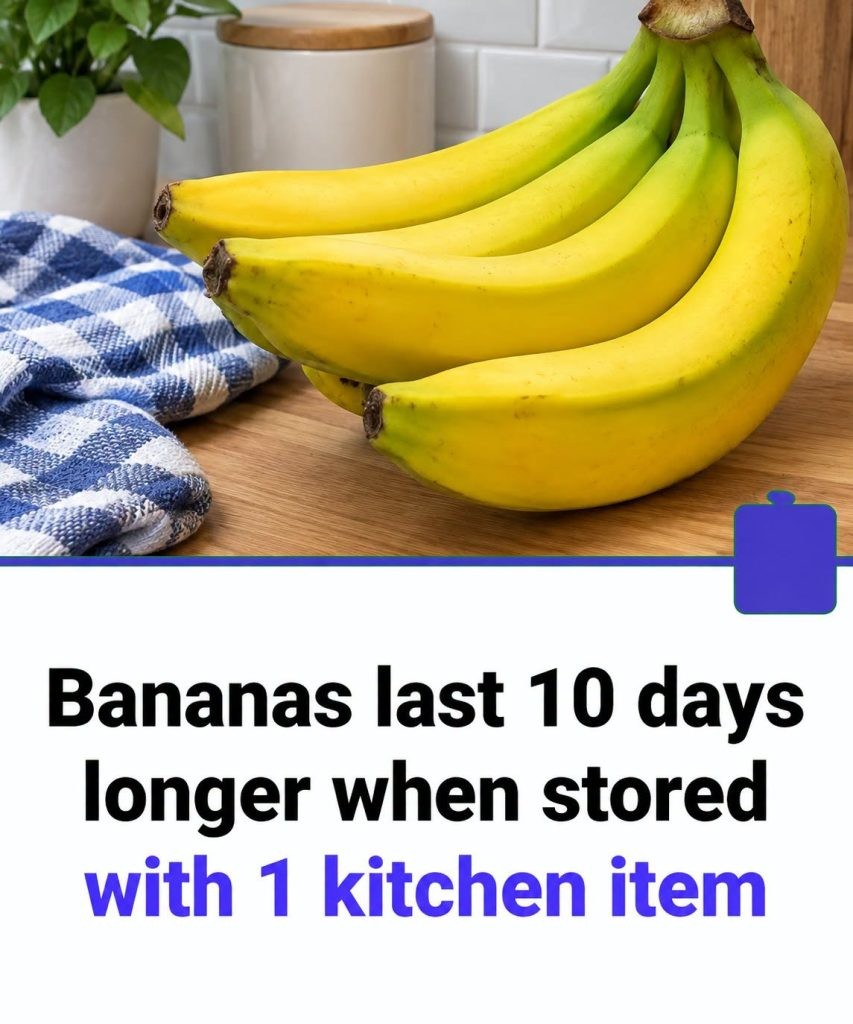
Why Bananas Ripen Too Quickly in the Fruit Bowl—and What to Do About It
Bananas are one of the world’s most popular fruits, celebrated for their convenience, natural sweetness, and nutritional value. Yet, many people share a common frustration: bananas seem to ripen—and spoil—much more quickly than expected, often turning from bright yellow to overripe brown in just a few days. The surprising culprit behind this swift transformation is often the humble fruit bowl sitting on your kitchen counter.
The Science of Banana Ripening: Ethylene Gas at Work
To understand why bananas ripen so quickly in a fruit bowl, it’s important to examine the underlying science. Bananas, like many other fruits, emit ethylene gas as a natural part of their maturation process. Ethylene is a plant hormone crucial for triggering many changes in texture, flavor, and aroma as fruits develop and eventually ripen.
According to the Food and Agriculture Organization of the United Nations (FAO), ethylene is central to the ripening of climacteric fruits—a category that includes bananas, apples, pears, avocados, peaches, and tomatoes. In bananas, ethylene accelerates the conversion of starches into sugars, softening the flesh and altering the skin’s pigment. This process, while essential for edible fruit, can quickly get out of hand under certain conditions.
Fruit Bowl Dynamics: How Mixed Produce Speeds Up Ripening
Many households place bananas with a variety of other fruits in decorative bowls for easy access and a visually appealing kitchen display. However, this common setup creates an ideal environment for concentrated ethylene activity. When bananas share close quarters with other ethylene-producing fruits like apples, pears, and avocados, they are exposed to increased levels of the gas, which further accelerates their ripening.
A study published in the journal Postharvest Biology and Technology explains that proximity and lack of ventilation allow ethylene to build up rapidly. While this can be helpful when intentionally ripening hard fruits—such as placing an unripe avocado next to bananas—it is less desirable when trying to prolong freshness. The result is bananas transitioning from firm and yellow to soft and brown much faster than if they were stored separately.
Where You Keep Bananas Matters
Storing practices significantly impact how quickly bananas spoil. In particular, grouping bananas with high-ethylene fruits in enclosed or poorly ventilated areas—like a crowded fruit bowl or plastic bag—traps the gas and intensifies its effects. Warm household temperatures, common in kitchens, can also speed up the ripening reaction.
John Chailakhyan, a noted plant physiologist, emphasized in his research that separation of produce can slow ethylene’s cumulative effect. The simple act of keeping bananas apart from other fruits is an effective strategy in prolonging their shelf life.
Banana Stems: The Secret Ethylene Hotspot
Most ethylene gas from a banana is released at the stem—the point where the fruit cluster attaches to the plant during growth. Wrapping the stems in plastic wrap, foil, or a reusable wax wrap creates a physical barrier that reduces the amount of ethylene escaping into the surrounding air.
Experts at the Mayo Clinic recommend this method as an easy, low-effort way to extend banana freshness. Properly applied, this practice can keep bananas firm and slow the onset of bruising by several days, and sometimes up to a week, compared to unwrapped counterparts.
Should You Keep Bananas in a Bunch or Separate Them?
It is common for people to break apart banana clusters to make single fruits more accessible. However, this can hasten ripening. Research conducted by the Fresh Fruit Portal indicates that bananas left in their natural bunch are less exposed to oxygen and are surrounded by less ethylene overall, resulting in a more gradual ripening process.
On the other hand, separating bananas can lead to uneven ripening and spoilage. Maintaining the integrity of the bunch, combined with stem wrapping, provides a double layer of defense against premature browning.
Can the Refrigerator Help?
Conventional wisdom suggests that bananas should be kept at room temperature. While it’s true that bananas do not ripen properly in cold environments, refrigeration can serve a useful purpose at a specific stage. Once bananas have reached the desired ripeness, placing them in the refrigerator helps preserve their interior freshness, even if the skins darken.
According to the Centers for Disease Control and Prevention (CDC), the cold slows the enzymatic processes that lead to browning, meaning the fruit itself stays edible and sweet for several more days. Refrigeration is best reserved for bananas that are already ripe to avoid the undesirable texture that results from chilling unripe bananas.
Additional Tips for Keeping Bananas Fresh Longer
- Hang Bananas: Using a banana tree or hook improves airflow and minimizes bruising, both of which slow ripening.
- Avoid Airtight Containers: Bananas need ventilation. Sealing them in bags or containers will create high-ethylene environments.
- Buy in Batches: Purchase bananas at staggered stages of ripeness so you always have some ready for eating and others that will last several more days.
- Freeze for Long-Term Storage: If bananas do become overripe, peel and freeze them for use in smoothies, baking, or desserts. This halts ripening completely.
- Keep Away from Sunlight: Store bananas out of direct sunlight and away from appliances that radiate heat, both of which accelerate aging.
Why Storing Bananas Properly Matters
Understanding the science and strategies behind banana ripening helps reduce food waste and saves money. According to the United States Department of Agriculture (USDA), Americans discard billions of pounds of produce every year, and bananas are one of the most commonly wasted fruits. Better storage techniques contribute to sustainability efforts and can support global efforts to improve food security.
Additionally, keeping bananas fresh ensures you retain their full nutritional value. Bananas are rich in potassium, vitamin B6, and fiber, making them an important part of a balanced diet. When stored improperly and wasted, these benefits are lost.
International Perspectives and Cultural Practices
Globally, people have developed unique ways to store bananas, shaped by climate, tradition, and technology. In tropical regions where bananas are grown, they are often left hanging in shaded outdoor areas to minimize bruising and slow natural ripening. In Japan and South Korea, commercial packaging and modified-atmosphere storage technologies are employed to regulate ethylene and extend shelf life for international shipping. These advanced methods uphold freshness in supermarkets, suggesting that even at home, simple storage adjustments can make a significant difference.
Understanding these global approaches offers ideas for adapting your own banana storage routine, reinforcing that careful handling—whether at the farm, store, or kitchen—makes a substantial impact on fruit longevity.
Expert Opinions and Future Directions
Postharvest technology experts stress that awareness of ethylene’s effects can help consumers make more informed choices. Researchers continue to explore new materials for wrapping stems and innovative packaging that captures or neutralizes ethylene gas. Smart fruit bowls and countertop storage devices with built-in venting systems and ethylene absorbers are emerging on the market, offering further possibilities for household fruit management and waste reduction.
Conclusion
Bananas are more than just a convenient snack—they are a nutritional powerhouse and a staple in diets around the world. The key to enjoying them at their best is understanding how storage conditions and ethylene gas influence the ripening process. Separating bananas from other fruits, wrapping their stems, maintaining the integrity of the bunch, and using the refrigerator at the right time are straightforward, evidence-backed methods for prolonging freshness. By putting these strategies into practice, it becomes simple to keep bananas at the ideal stage of ripeness, reduce unnecessary waste, and get the most from every bunch.
Sources
- BBC Future: How to Keep Bananas Fresh
- Reuters: How Do Bananas Ripen?
- The Guardian: How to Stop Bananas Going Off
- CDC
- Mayo Clinic
- FAO
- USDA
- Fresh Fruit Portal
Disclaimer: This content is intended for entertainment purposes only and is not based on real events.