
Waking up with a stuffy nose, a scratchy throat, or a persistent cough can make an ordinary day surprisingly uncomfortable.
You may feel as though something is constantly sitting at the back of your throat. Every cough seems to bring up more mucus, while congestion can make sleeping, talking, and even concentrating more difficult.
Phlegm and mucus are actually part of the body’s natural defense system. They help trap particles, allergens, and other irritants that enter the respiratory tract. The problem begins when illness, allergies, environmental irritants, or other factors cause mucus production to increase or become thicker than usual.
Fortunately, several simple habits may help make mucus easier to manage at home.
Drinking enough fluids, keeping the air comfortably humid, using saline for nasal congestion, and avoiding smoke and other irritants can all support respiratory comfort.
These approaches are not a substitute for medical treatment when an underlying condition requires attention. But for mild, temporary congestion, simple supportive measures can often make the experience more manageable.
What Exactly Are Mucus and Phlegm?
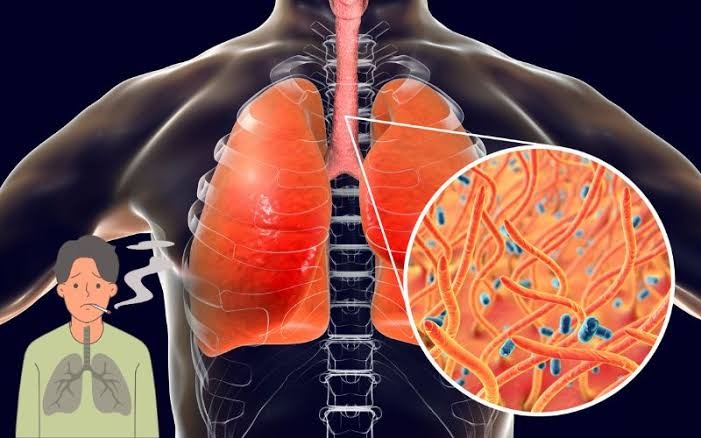
Although the words are often used interchangeably, mucus and phlegm are not exactly the same thing.
Mucus is a slippery substance produced by tissues throughout the body, including the nose, sinuses, throat, and respiratory tract. It helps keep surfaces moist and can trap particles and irritants.
Phlegm generally refers to mucus that is produced deeper in the respiratory tract and then brought up through coughing.
Under normal circumstances, the respiratory system continuously produces and clears mucus without us noticing.
When you have a cold, allergies, or another respiratory irritation, however, mucus production can increase.
It may also become thicker, making it feel more difficult to clear.
This is why congestion often feels much worse when you are sick.
Why Does Your Body Produce More Mucus?

Several factors can contribute to increased mucus production.
A common cold can cause inflammation in the nasal passages and respiratory tract. Allergies can have a similar effect when the immune system reacts to substances such as pollen, dust mites, or animal dander.
Environmental irritants can also play a role.
Cigarette smoke, air pollution, strong fragrances, and other airborne irritants may aggravate the respiratory system and contribute to coughing or mucus production.
Some respiratory conditions can also cause persistent phlegm.
For this reason, the cause matters.
A few days of congestion during a common cold is different from mucus that continues for weeks or repeatedly returns.
Drink Plenty of Fluids
One of the simplest things you can do when dealing with congestion is stay hydrated.
Water and other suitable fluids help maintain normal hydration, and warm beverages can also feel soothing when your throat is irritated.
You might choose water, warm tea, broth, or another nonalcoholic beverage you enjoy.
There is a common belief that drinking large amounts of water will automatically “flush out” mucus. The science is more nuanced than that.
However, staying adequately hydrated is important for normal body function, and warm liquids may help make respiratory secretions feel less uncomfortable.
You do not need to force yourself to drink excessive amounts.
Instead, drink regularly throughout the day and pay attention to your body’s normal thirst signals.
Try Warm Salt-Water Gargling
If mucus is collecting in your throat, gargling with warm salt water may provide temporary relief.
A simple solution can be made by mixing salt into warm water.
Gargling can help soothe an irritated throat and may help loosen mucus sitting in the back of the throat.
Be careful not to swallow the mixture.
This approach is particularly easy to try because it requires only two common household ingredients.
It is not a cure for the underlying cause of congestion, but it can be a useful comfort measure when your throat feels irritated.
Keep the Air Comfortably Humid

Dry indoor air can make the nose and throat feel uncomfortable.
Using a clean humidifier may help add moisture to the surrounding air.
Some people find that this makes breathing feel more comfortable, particularly during periods of nasal congestion.
However, humidifiers need regular cleaning.
A poorly maintained humidifier can allow microorganisms or mineral deposits to accumulate and become airborne.
Follow the manufacturer’s cleaning instructions and avoid making the room excessively humid.
Comfortably moist air is the goal.
Take a Warm Shower
A warm shower can be another simple way to create a more comfortable environment when you are congested.
The warm, moist air may temporarily help loosen nasal secretions and make breathing feel easier.
You do not need extremely hot water.
Very hot showers can irritate the skin and may increase the risk of burns or dizziness.
A comfortably warm shower is sufficient.
For some people, this can be especially helpful before bedtime when congestion is making it difficult to settle down.
Use Saline for Nasal Congestion
If much of your mucus is coming from your nose or sinuses, saline nasal spray or irrigation may help.
Saline solutions contain salt and water and do not contain the medications found in many conventional nasal products.
Nasal irrigation can help rinse mucus and other particles from the nasal passages.
If you use a neti pot or another nasal irrigation device, water safety is extremely important.
Use distilled, sterile, or appropriately treated water rather than untreated tap water. Clean and dry the device according to the manufacturer’s instructions.
Correct technique matters as much as the solution itself.
Honey and Warm Tea May Soothe the Throat
A warm drink containing honey can be comforting when coughing has left your throat irritated.
Honey has been studied for its potential to reduce coughing in certain situations, particularly in children over one year of age with upper respiratory symptoms.
It should never be given to infants younger than one year because of the risk of infant botulism.
Adults can add honey to warm water or tea if they enjoy the taste.
Adding lemon is also popular.
Lemon can provide flavor and acidity, but claims that lemon directly “breaks down” mucus are stronger than the available evidence supports.
The main benefit may simply be that a warm, pleasant drink encourages fluid intake and feels soothing.
Avoid Cigarette Smoke and Other Irritants
If you are already dealing with excess mucus, exposing your respiratory system to additional irritants may make things more uncomfortable.
Cigarette smoke is particularly important to avoid.
Secondhand smoke and other airborne pollutants can also irritate the respiratory tract.
Strong fragrances, aerosols, dust, and other irritants may bother some people as well.
If possible, keep your living space well ventilated and reduce exposure to substances that noticeably worsen your symptoms.
For people with allergies or asthma, identifying and reducing personal triggers can be especially useful.
What About Dairy Products?

You may have heard that dairy products automatically increase mucus production.
The evidence does not strongly support the idea that milk causes the body to produce substantially more respiratory mucus in most people.
Some people may nevertheless feel that milk or other dairy products leave a temporary coating or thicker sensation in the mouth and throat.
That sensation can be mistaken for increased mucus.
If dairy seems to make you personally uncomfortable when you are congested, you can temporarily choose alternatives.
But there is generally no need for everyone with a cold or cough to eliminate dairy products.
A balanced diet remains important while recovering from illness.
Does Spicy Food Help Clear Mucus?
Spicy foods sometimes make the nose run, which can create the sensation that congestion is clearing.
This effect is partly related to compounds found in hot peppers, such as capsaicin, which can stimulate sensory nerves.
However, spicy food is not a universal remedy for respiratory congestion.
It may irritate the throat or stomach in some people.
If you enjoy spicy foods and they make you feel more comfortable, moderate amounts may be fine. But there is no need to force yourself to eat them as a treatment.
Rest Is Still Important
When your body is dealing with an infection or another temporary illness, rest can be valuable.
It may be tempting to continue your normal schedule despite feeling unwell, but allowing yourself time to recover can make the overall experience easier.
Try to maintain a comfortable sleep environment.
If nasal congestion is making it difficult to sleep, some people find that elevating the head slightly can make nighttime breathing more comfortable.
However, persistent sleep disruption caused by congestion or coughing deserves attention, particularly if it continues beyond the expected course of a minor illness.
When Should You See a Healthcare Professional?
Most short-term mucus and phlegm associated with common respiratory illnesses improve with time.
However, persistent or worsening symptoms should not simply be ignored.
Consider contacting a healthcare professional if symptoms last longer than expected, repeatedly return, or interfere significantly with everyday activities.
Medical attention is particularly important if you experience significant difficulty breathing, persistent chest discomfort, confusion, severe weakness, dehydration, or other concerning symptoms.
People with chronic respiratory conditions, weakened immune systems, or other significant health concerns may also need medical advice sooner.
The color of mucus alone does not reliably determine whether an infection is bacterial or whether antibiotics are necessary.
A healthcare professional can consider the complete pattern of symptoms rather than relying on mucus color alone.
Natural Remedies Have Their Limits
The phrase “natural remedy” can sometimes make a treatment sound automatically safe or effective.
Natural does not necessarily mean risk-free.
Even common household ingredients can cause problems in certain circumstances.
Essential oils, for example, can irritate the respiratory system when inhaled improperly or used in excessive amounts.
Very hot steam can cause burns.
Improperly prepared nasal irrigation water can introduce harmful microorganisms.
Herbal products can also interact with medications.
For this reason, simple supportive measures such as hydration, saline, comfortable humidity, and rest are generally preferable to experimenting with complicated home treatments.
A Simple Approach to Managing Mucus
If you are dealing with ordinary short-term congestion, you do not need a complicated routine.
Start with the basics.
Drink fluids regularly.
Rest when you need to.
Use a saline nasal spray or properly prepared saline rinse for nasal congestion.
Keep indoor air comfortably humid if dry air bothers you.
Consider a warm shower or warm drink for temporary comfort.
Avoid cigarette smoke and other respiratory irritants.
And give your body time to recover.
These measures may not make mucus disappear immediately, but they can make the symptoms easier to tolerate while the underlying cause improves.
The Bigger Picture
Phlegm and mucus may be uncomfortable, but they are also reminders that the respiratory system is constantly working to protect itself.
Mucus helps trap unwanted particles and supports the body’s natural defenses.
The goal is therefore not necessarily to eliminate every trace of mucus.
Instead, the goal is to support normal clearance and reduce discomfort while paying attention to symptoms that may require medical evaluation.
Simple habits can sometimes make a meaningful difference in how comfortable you feel.
And perhaps the most important lesson is not to underestimate the basics.
Adequate hydration, good rest, clean air, appropriate humidity, and avoiding respiratory irritants may sound ordinary, but they can form a sensible foundation for managing mild congestion.
If symptoms persist or become more concerning, however, home remedies should not replace professional care.
Our bodies often have their own ways of handling temporary illnesses. The best approach is usually to support those natural processes while knowing when additional help is needed.
Sources
National Heart, Lung, and Blood Institute, information about the respiratory system and respiratory health. NHLBI
Centers for Disease Control and Prevention, respiratory illness guidance and general health information. CDC
U.S. Food and Drug Administration, information about nasal rinsing and safe water use. FDA
MedlinePlus, U.S. National Library of Medicine, health information about coughs, colds, and respiratory symptoms. MedlinePlus
National Center for Complementary and Integrative Health, information about complementary health approaches and safety. NCCIH