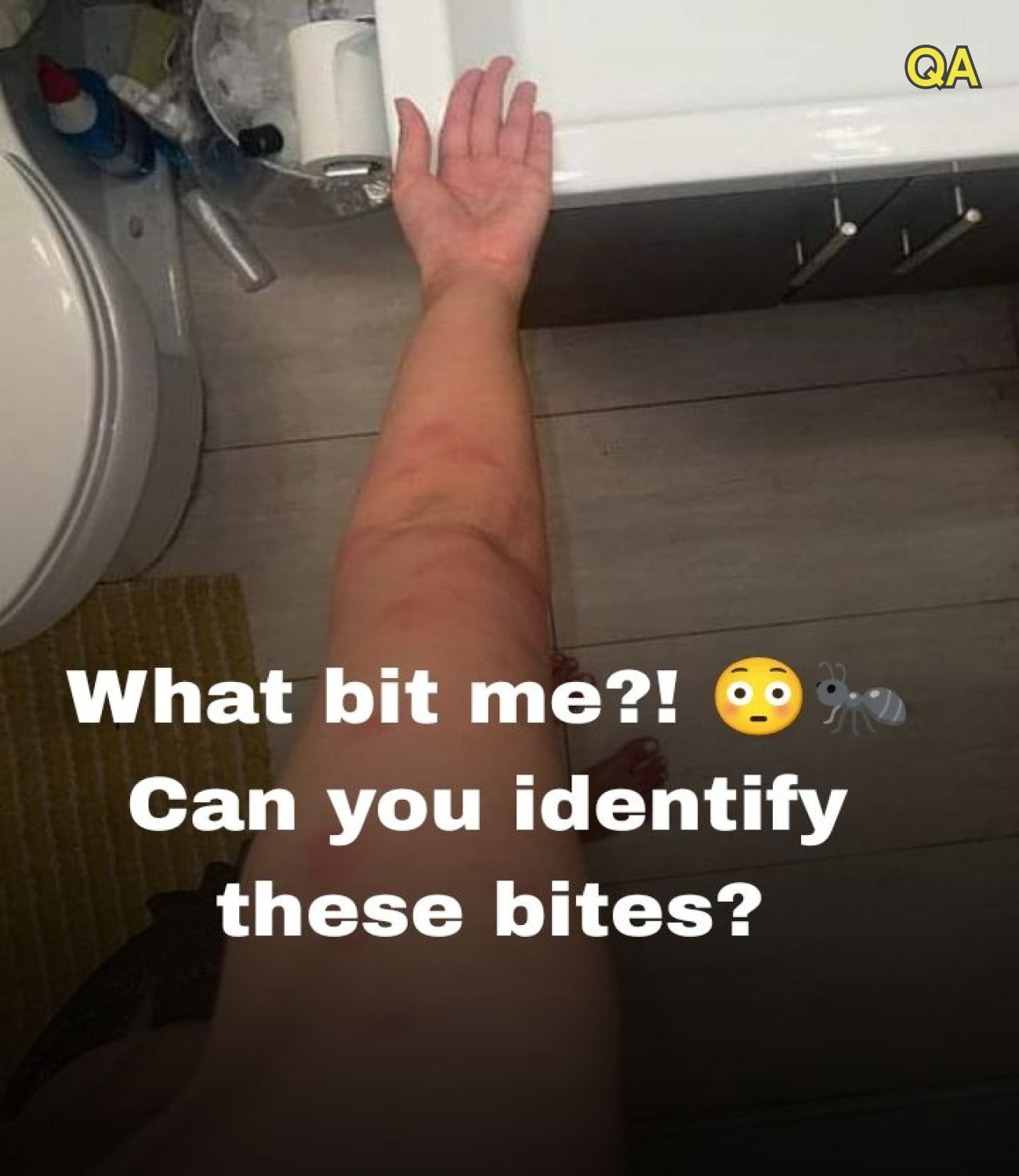
10 Common Bug Bites: How to Identify and Respond Safely
Bug bites are an inconvenient and sometimes distressing experience for people across the globe. For those with allergies or sensitivities, the ability to quickly identify a bug bite is more than a matter of comfort—it can be crucial for health. With increased travel, changes in climate, and more time spent outdoors, exposures to biting insects and bugs have become more frequent. This comprehensive guide examines the appearance, symptoms, and recommended responses to 10 common bug bites, integrating scientific knowledge, expert recommendations, and practical advice for prevention and care.
Why Recognizing Bug Bites Matters
Identifying the cause of a bug bite can help individuals take appropriate actions, ranging from simple home remedies to seeking urgent medical care. Allergic reactions, disease transmission, and secondary infections can result from some bug bites, making awareness and preparedness essential. Experts from organizations such as the CDC, WHO, and Mayo Clinic emphasize the importance of knowing which species are common in your region and understanding the specific risks associated with each.
1. Mosquito Bites
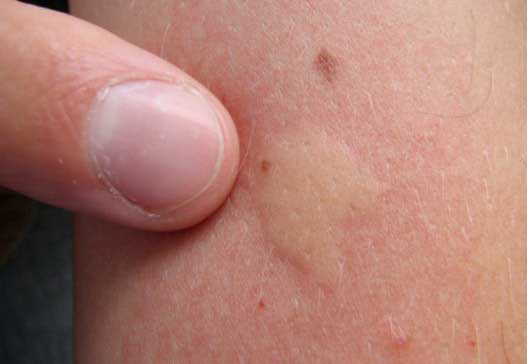
Mosquito bites are among the most familiar worldwide. These bites typically appear as small, round, puffy bumps that turn red and itchy soon after the mosquito feeds. Sometimes, the affected area may be slightly elongated, especially if a mosquito feeds for longer. The itchiness is caused by an immune response to proteins in the mosquito’s saliva, which also contains anticoagulants. Scratching mosquito bites is discouraged as it can worsen irritation and increase the risk of secondary infection.
Mosquitoes are not just a nuisance; they can transmit serious diseases, including malaria, dengue, Zika virus, and West Nile virus. According to the World Health Organization, mosquito-borne diseases are a major global public health concern. Identifying mosquito bites and taking preventive measures such as using insect repellent and nets is especially important in high-risk areas.
2. Flea Bites
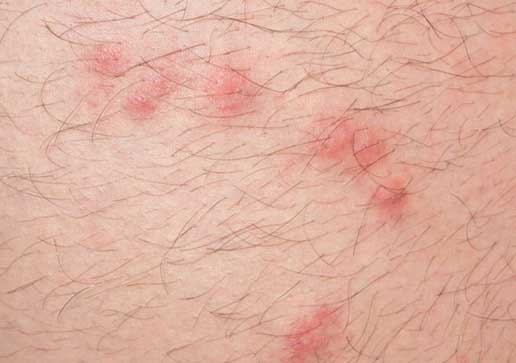
Fleas are small, wingless insects that thrive in homes with pets or in outdoor environments frequented by wild animals. Flea bites are characteristically clustered, appearing as groups of small, firm red spots. The bites are intensely itchy and often localized to the legs, ankles, and feet. A flea can bite several times in the same area, making the discomfort noticeable and persistent.
Continuous scratching of flea bites can lead to skin abrasions and, in some cases, bacterial infections. Fleas are known vectors of diseases such as plague and typhus, although these are rare in most modern environments. Effective flea control includes treating pets, cleaning bedding, and vacuuming regularly, as recommended by the Centers for Disease Control and Prevention.
3. Lice Bites
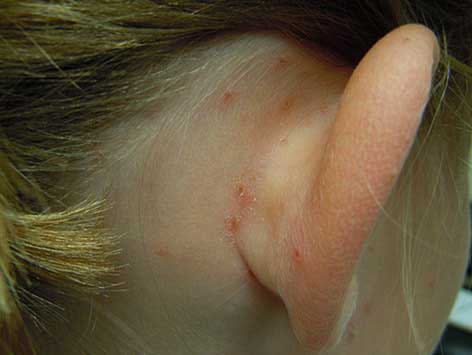
Lice, including head, body, and pubic lice, are parasites that feed on human blood. Their bites resemble small red spots similar to flea bites but are confined to specific body regions, such as the scalp, behind the ears, and the back of the neck. Itching is the prominent symptom, primarily due to the body’s reaction to lice saliva.
Lice infestations are a public health concern, especially in schools and communities with close contact. Prompt treatment of lice infestations with medicated shampoos and thorough cleaning of clothing and bedding can prevent spread. The CDC provides guidance on lice identification, treatment, and prevention strategies.
4. Bedbug Bites
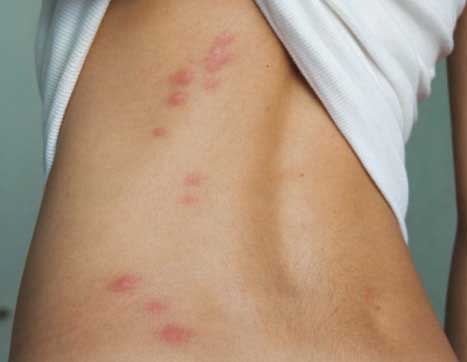
Bedbugs are small, flat insects that feed on human blood during the night. Their bites often appear redder and itchier than mosquito bites and tend to occur in linear or zigzag patterns. Multiple bites are common as bedbugs move along exposed skin while feeding.
If you suspect bedbug bites, it is important to inspect your bedding and mattress for signs of infestation. Bedbug bites are not known to transmit disease, but their presence causes psychological distress and allergic reactions for some people. Expert pest control is necessary to eliminate bedbug colonies, as highlighted by BBC News and public health agencies.
5. Tick Bites
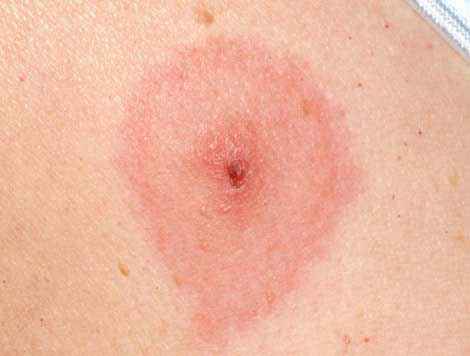
Ticks are arachnids that attach to the skin and feed on blood, often staying for hours or days. Tick bites are distinctive, typically characterized by a red ring around a dark center, which may also develop into the classic “bull’s-eye” rash in cases of Lyme disease.
Proper removal is critical: avoid squeezing the tick’s body, and use disinfectants such as rubbing alcohol before carefully pulling the tick out with tweezers. Experts recommend saving the tick in a sealed container for subsequent disease testing. The CDC warns that ticks can transmit Lyme disease, Rocky Mountain spotted fever, and more, making prompt identification and removal crucial for prevention.
6. Wasp Stings
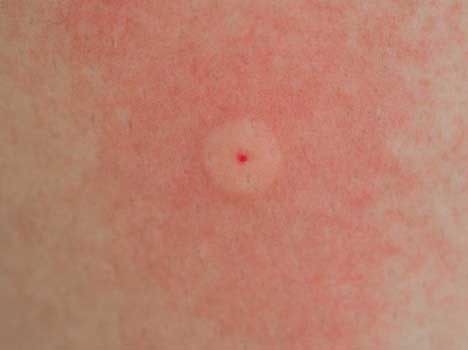
Wasps inject venom with their sting, causing immediate pain, swelling, and redness. The sting site often develops a prominent mark at the center, surrounded by an area of redness and swelling. Unlike bees, wasps can sting multiple times.
For most individuals, wasp stings resolve with home care, including cold compresses and antihistamines. However, severe allergic reactions, known as anaphylaxis, can occur and require urgent medical attention. Preventive measures include avoiding perfume, bright clothing, and sugary drinks when outdoors, as these attract wasps.
7. Hornet Stings
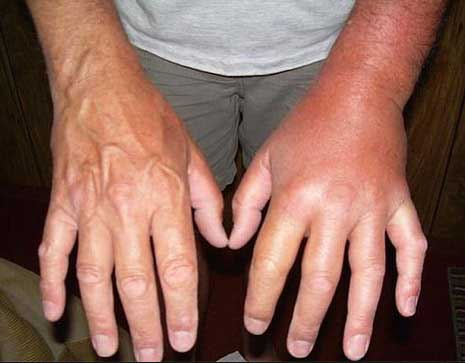
Hornets are a larger and more aggressive species of wasps. Their stings are extremely painful and result in a red, swollen area that may expand for several hours. Hornet venom can trigger strong local and systemic reactions, so it is important to monitor symptoms carefully.
Medical experts advise observing for signs of severe allergy, especially if swelling spreads, breathing difficulty occurs, or dizziness is present. In such cases, emergency care is required. Protective clothing and avoidance of areas with known hornet activity are key prevention strategies.
8. Bee Stings
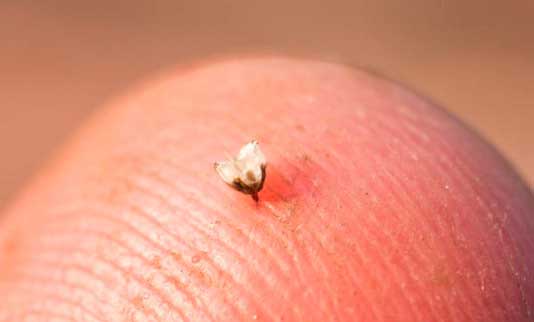
Bee stings are unique because the bee leaves its stinger embedded in the skin, often surrounded by a red, swollen area. Immediate removal of the stinger is important to reduce venom exposure and potential inflammation. Clean the area with soap and water and apply a cold compress.
Bee stings can cause mild discomfort or trigger severe allergic reactions. The Mayo Clinic recommends that people with known bee allergies carry epinephrine injectors as a precaution and seek medical help if symptoms escalate.
9. Red Ant Bites
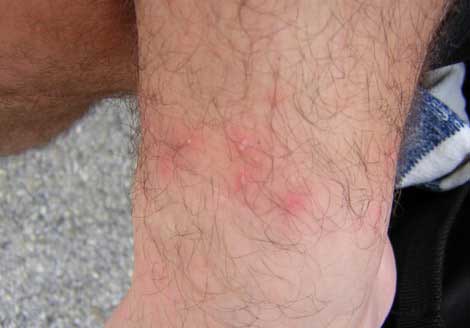
Red ants, particularly fire ants, deliver a quick, painful sting that feels like a sharp burn. The bite site may appear similar to flea bites—small, red, and occasionally grouped—but is distinguished by the immediate burning sensation rather than itchiness.
Red ant venom can cause local swelling and, occasionally, allergic reactions. Large numbers of bites may result in more significant symptoms. Preventing contact with ant mounds and reacting quickly to bites can reduce health risks.
10. Spider Bites
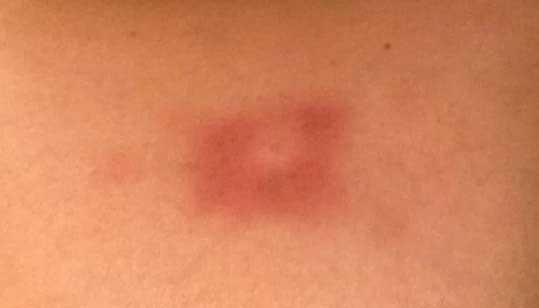
Spider bites range broadly in appearance and severity, depending on the spider species. Most spider bites are harmless and result in minor redness, swelling, and pain. Typically, spider bites are hard, red, and may cause both itchiness and discomfort. Sometimes, two small puncture marks are visible, indicating the spider’s fangs.
Certain spiders, such as the black widow and brown recluse, cause more serious symptoms, including tissue necrosis and systemic effects. It is important to monitor bite sites for worsening pain, spreading redness, fever, or ulceration. Seek medical care for any suspected dangerous spider bites.
How to Respond to Bug Bites
Immediate responses depend on the type of bite or sting. Generally, clean the area with soap and water, avoid scratching, and use topical treatments to relieve itching or pain. Over-the-counter antihistamines can help with allergic reactions. Monitor for signs of infection, such as increased swelling, pus, or fever.
Seek medical attention for bites causing severe pain, widespread rash, or systemic symptoms such as difficulty breathing, dizziness, or persistent vomiting. If a tick bite is suspected, removing the tick safely and storing it for testing is advised. Individuals with a history of severe allergies should carry emergency medication and inform loved ones about their risk.
Preventing Bug Bites
Preventive strategies are endorsed by public health organizations and include:
- Use EPA-approved insect repellents when outside, especially in wooded or grassy areas.
- Wear long-sleeved shirts and pants to minimize exposed skin.
- Ensure pets are treated for fleas and ticks regularly.
- Maintain clean living environments, including bedding and upholstery.
- Use mosquito nets and keep windows and doors sealed.
- Inspect bedding and furniture routinely for signs of bedbugs.
- Educate yourself and community members on immediate responses to allergic reactions.
International and Societal Impact
Bites from common insects and arachnids are not only a personal concern but also a public health issue attracting international scientific attention. Organizations like the WHO, CDC, and Mayo Clinic routinely publish information about prevention, identification, and emergency response strategies for bites and stings. Societies with high rates of tick, mosquito, or other bug-borne diseases have adopted community-wide interventions including insecticide spraying, education campaigns, and environmental controls.
Conclusion
Being able to identify bug bites is essential to ensure prompt and accurate responses that minimize health risks. Recognizing the specific symptoms of mosquito, flea, tick, spider, and other common bites allows for targeted treatment and prevention. Awareness, education, and adherence to expert guidelines can help individuals and communities manage bug bite risks, safeguarding health at home and abroad.
Sources
- World Health Organization: Mosquito-Borne Diseases
- Centers for Disease Control and Prevention: Fleas
- BBC News: Bedbugs
- CDC: Ticks
- Mayo Clinic
- The Guardian: Insects
- Reuters: Health
Disclaimer: This content is intended for entertainment purposes only and is not based on real events.