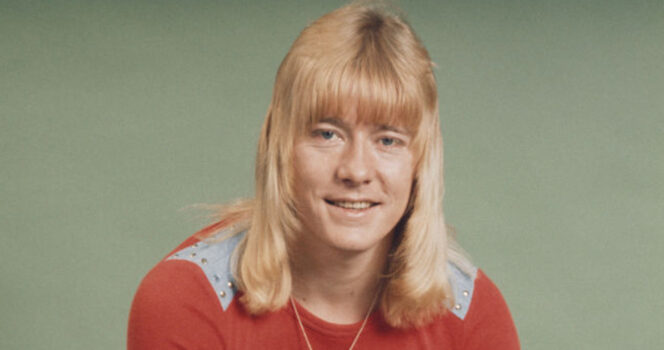
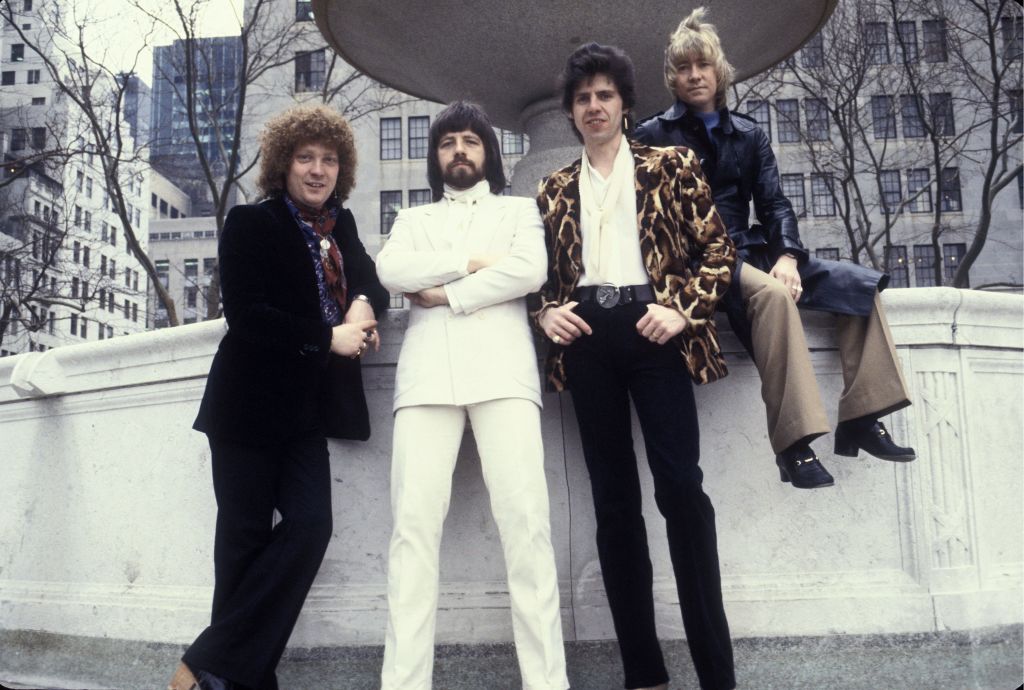
During the height of the 1970s rock explosion, Brian Connolly’s name was spoken with the same admiration reserved for the era’s biggest performers. As the charismatic frontman of The Sweet — the British glam-rock group behind hits like “The Ballroom Blitz,” “Fox on the Run,” and “Block Buster!” — Connolly appeared to embody the ideal blend of style, energy, and vocal strength.
The Sweet were more than a band with flashy outfits and radio-friendly hooks. They had a musical edge comparable to the heaviness of Deep Purple, the attitude of The Rolling Stones, and the melodic craftsmanship of The Beatles. Their records displayed an unexpected versatility that kept them relevant well beyond the typical pop-stardom life cycle. With 39 worldwide chart entries and more than 50 million records sold, they became a defining group of their decade.
At the center of their success stood Brian Connolly — blond, confident, and commanding on stage. His voice cut effortlessly through the rising wall of guitars that glam rock embraced, and his stage presence helped secure The Sweet’s popularity across Europe, North America, and Australia.
To millions of fans, Connolly looked like he had everything: fame, recognition, and a future as bright as the spotlight he lived under. But behind the scenes, his story was far more complicated.
A Childhood Marked by Uncertainty
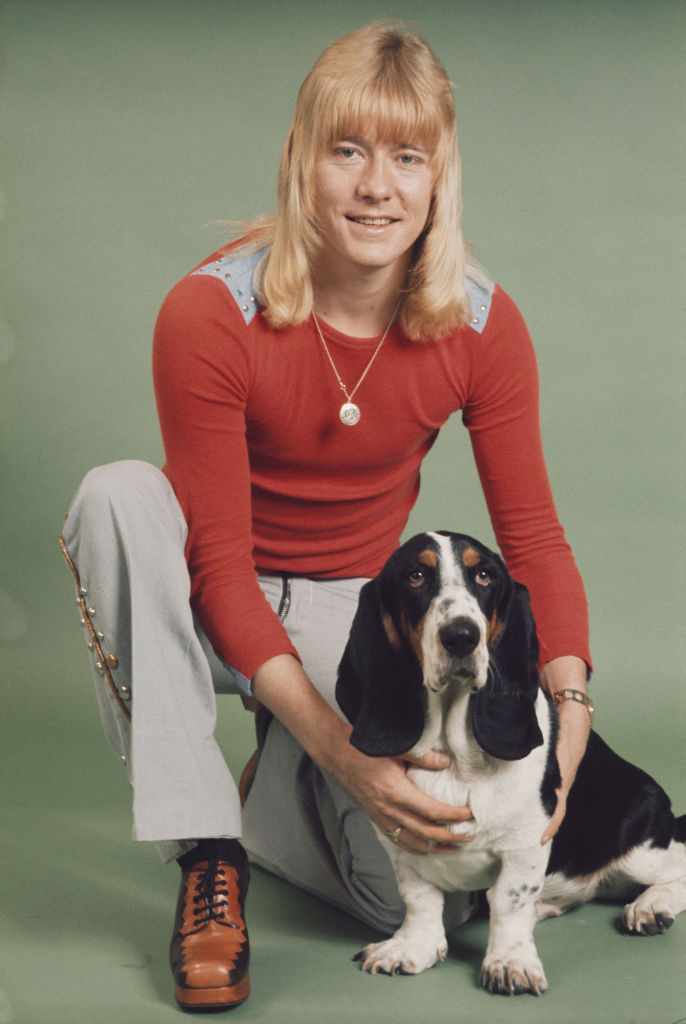
Brian’s early life began with questions he would never fully answer. Born in Scotland in 1945, he was abandoned as an infant and later adopted by a nurse and her husband. For years, he knew very little of his biological family. Only as an adult did he discover that he shared a father with actor Mark McManus, known for playing Detective Taggart on the long-running Scottish crime series.
These early gaps in his identity followed him into adulthood — a theme that resurfaced later when his fame began to fade. But before that decline, Connolly built a rising career through talent and persistence. By the mid-1960s, he was performing as a vocalist around the UK, gradually developing the stage presence that would eventually propel him into the global spotlight.
By the early 1970s, The Sweet had formed, refined their sound, and entered an extraordinary run of chart success that spanned most of the decade.
At the Height of Fame
At their peak, The Sweet were playing to massive crowds, releasing hits with regularity, and shaping glam rock’s evolving identity. Guitarist Andy Scott later confirmed how quickly their success escalated:
“A lot of money went through the bank accounts during that period. We moved into the millionaire status.”
Connolly’s image became inseparable from the band. With his distinctive blonde hair, sharp stage outfits, and instantly recognizable vocals, he became one of the most celebrated frontmen of the era. But the lifestyle that surrounded international touring and relentless pressure carried hidden risks.
Behind the scenes, Connolly was dealing with health challenges and the physical toll of touring, pressures that would worsen as the decade progressed.
The Turning Point
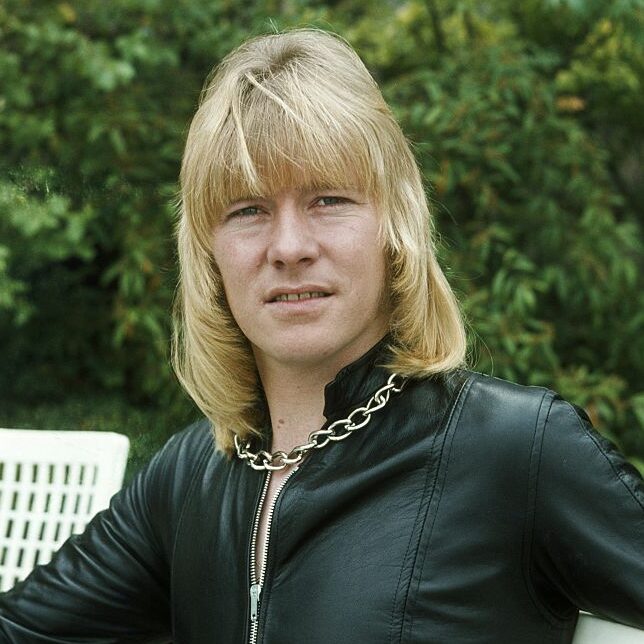
By the late 1970s, Connolly’s time with The Sweet was coming to an end. Desiring independence and facing increasing strain within the group, he left the band in 1979 to embark on a solo career. His departure coincided with growing personal struggles, including difficulties with alcohol that affected both his health and his reliability on stage.
Connolly himself later reflected on this period, acknowledging that he had underestimated the seriousness of his situation:
“Gradually, it just got out of hand. I always said that if I ever wanted to stop, I could — and I suppose I don’t know what would have happened if I had told myself, ‘I’ve had enough.’”
His solo singles achieved modest attention but never reached the momentum he experienced during The Sweet’s prime. For a performer accustomed to sold-out arenas, the contrast was stark.
Financial Pressure and Health Challenges
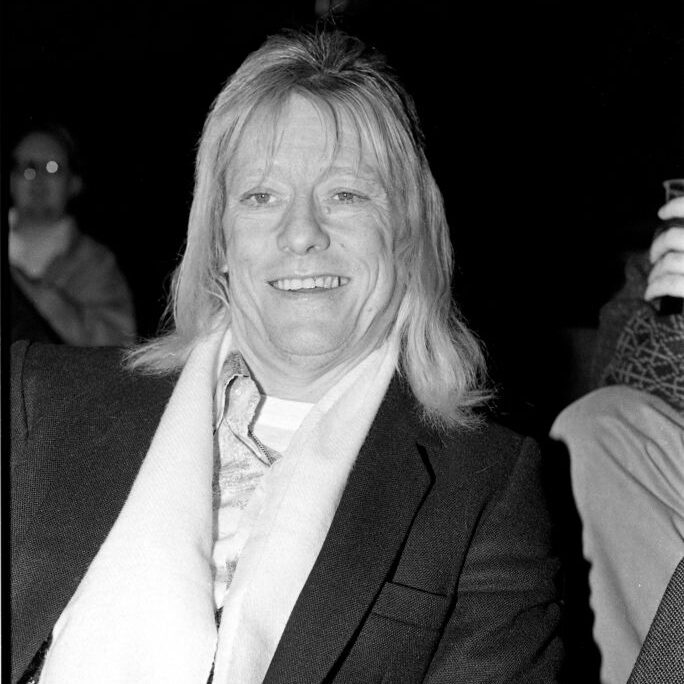
The early 1980s brought further complications. While preparing for a series of performances supporting Pat Benatar in 1983, Connolly faced a major financial setback: a multimillion-pound tax bill connected to royalties from The Sweet’s earlier success. To resolve the debt, he made the difficult decision to sell his home.
At the same time, his health began deteriorating rapidly. A medical emergency in 1981 led to a series of complications that continued to affect his mobility and vocal strength throughout the decade. Despite the setbacks, Connolly continued performing with a new lineup under the name “The New Sweet,” determined to stay connected to the world of music.
His commitment to touring was admirable, but the physical demands were increasingly difficult. A hospitalization during a 1990 tour underscored the seriousness of his condition. His schedule slowed, and the contrast between his vibrant stage presence of the 1970s and the limitations he now faced became more pronounced.
Legal Disputes and a Fragmented Legacy
As the 1990s began, disputes arose regarding the legal use of the band’s name. Eventually, two separate touring acts formed: “Brian Connolly’s Sweet” and “Andy Scott’s Sweet.” While the arrangement allowed each musician to continue performing, it also highlighted the fractured nature of their legacy.
Connolly’s performances during this era were marked by visible physical strain. Audience members and journalists alike noted his changed appearance and the effort it took to keep performing. Yet he remained committed to connecting with fans, offering heartfelt renditions of the songs that had defined his youth.
In 1995, he released a solo album titled Let’s Go. While it did not achieve widespread commercial success, it represented a personal milestone — a reminder of the creative drive that had fueled his early career.
The Final Years
Connolly participated in a 1996 documentary where he spoke candidly about the toll his health challenges had taken. Although he avoided graphic detail, he acknowledged that years of physical strain, touring exhaustion, and health complications had deeply affected him.
By this point, he was living quietly in a small neighborhood far removed from the stadiums he once filled. He continued to value his connection to music but faced the reality of declining health.
His final performance took place on December 5, 1996, at the Bristol Hippodrome. Despite the limitations he faced, he appeared determined to deliver what he could — a final connection with an audience that had followed him for decades.
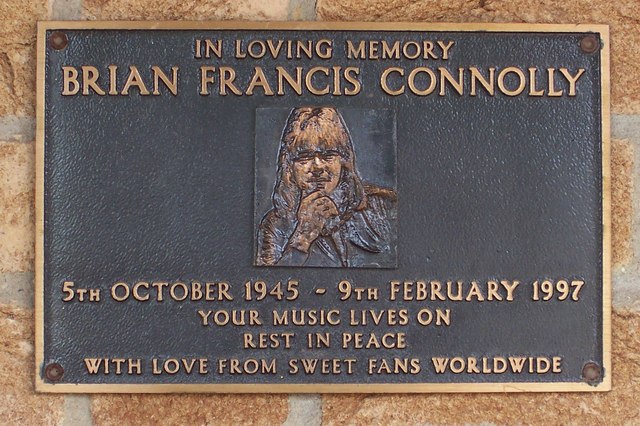
Just a few months later, on February 9, 1997, Brian Connolly passed away at the age of 51. His death followed years of medical complications. Fans mourned the loss of a voice that had helped define one of rock’s most memorable eras.
A memorial plaque now honors him at Breakspear Crematorium, placed there through donations made by fans who wanted his legacy to be remembered with respect.
A Legacy That Endures
Brian Connolly’s story is often described through the lens of rise and fall — a familiar pattern for many artists from the golden era of rock. But his life was more than the difficulties he faced. It was a testament to the power of music, the influence of charisma, and the enduring connection between performer and audience.
For fans around the world, Connolly remains the unforgettable voice of The Sweet — a reminder of how a single performer can shape the sound of an era and touch millions of listeners. His legacy continues in every replayed record, every cover, and every fan who grew up with his music.