What Are Silverfish? Understanding and Controlling a Common Household Pest
Introduction to Silverfish
Encountering a small, silvery insect skittering across your floor, especially at night, can be a surprising and somewhat unsettling experience. Silverfish are commonly found in homes across the world and their presence, though not dangerous, can indicate underlying issues such as excess moisture. Understanding what silverfish are, their habits, and ways to effectively control them is important for maintaining a healthy and comfortable living environment.
Physical Characteristics of Silverfish
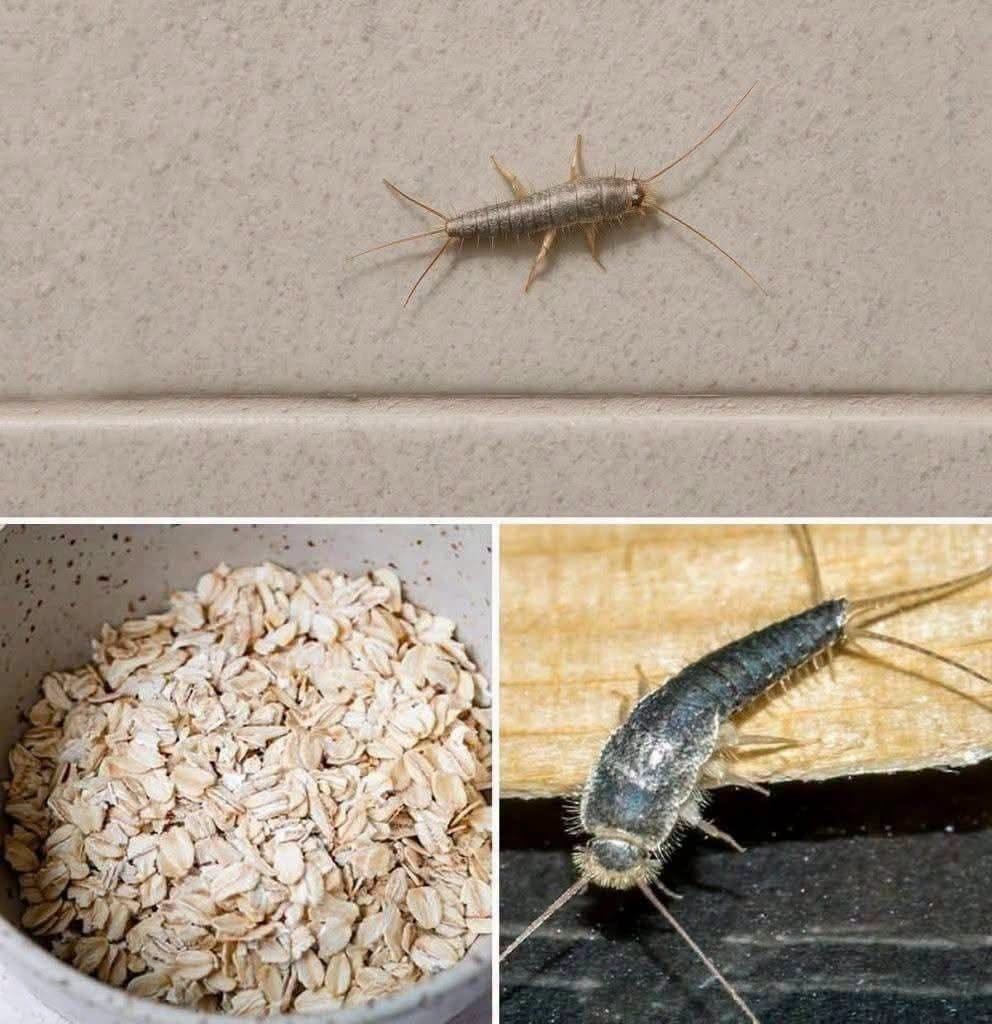
Silverfish, scientifically known as Lepisma saccharina, are primitive, wingless insects distinguished by their elongated, flattened bodies. Their appearance is marked by silvery, metallic scales and three long tail-like appendages at their rear, which give them a distinctive bristly look. Measuring approximately 12-19 millimeters in length, silverfish move in a rapid, wriggling manner that can be startling to homeowners, particularly when seen darting away as lights are switched on.
Are Silverfish Dangerous?
One of the most common concerns among homeowners encountering silverfish is whether these insects pose a health risk. According to expert sources such as the Centers for Disease Control and Prevention (CDC), silverfish do not bite, sting, or transmit diseases to humans or pets. Their impact is largely limited to nuisance and potential damage to property. Despite their unsettling presence, silverfish are harmless and do not contribute to indoor pollution or allergic reactions.
Why Do Silverfish Appear in Homes?
Silverfish thrive in environments characterized by high humidity and darkness. Typical locations include bathrooms, kitchens, basements, laundry rooms, and areas near leaking pipes or water heaters. Their preference for moist conditions is closely linked to their survival needs; excessive moisture facilitates their development and reproduction. Homes with inadequate ventilation, persistent leaks, or high relative humidity are particularly vulnerable to silverfish infestations.
Diet and Potential Damage
Unlike many other household insects, silverfish rely primarily on carbohydrates and starches for food. Their diet can include:
- Paper and Cardboard
- Wallpaper Glue
- Book Bindings
- Fabric (especially with starch-based sizing)
- Food crumbs and pantry items
Damage caused by silverfish tends to be gradual but noticeable over time. Infested items may show signs such as tiny holes, irregular feeding patterns, or shed skins. Valuable books, documents, and even clothing can be at risk if an infestation is left unchecked. While the threat to property is generally limited, certain situations—such as archival storage, libraries, or museums—require special vigilance and prevention strategies to avoid irreparable damage.
Signs of Silverfish Infestation
Spotting a single silverfish does not necessarily indicate an infestation. However, signs that may signal a hidden population include:
- Frequent sightings, especially at night
- Small holes or notches in paper and fabric items
- Yellowish stains or scales near affected materials
- Discarded exoskeletons (shed skins) within cracks or crevices
Repeated encounters with silverfish, especially in multiple rooms, suggest that their numbers may be increasing. Inspecting potential hiding places such as behind baseboards, inside bathroom cabinets, or around hot water pipes can help confirm their presence.
The Link Between Silverfish and Household Moisture
Experts widely agree that silverfish act as a biological indicator of excessive moisture within a building. Their ability to survive and multiply depends on relative humidity levels of 75% or higher. This means their presence is often connected to unresolved plumbing leaks, poor ventilation, or condensation problems. Addressing these underlying issues not only helps control silverfish populations but also improves overall indoor air quality and reduces the risk of mold and mildew.
Preventing and Controlling Silverfish
The most effective strategy to manage silverfish is environmental modification. Here are recommendations from pest control specialists and public health organizations:
- Reduce Moisture: Fix leaky pipes, faucets, and appliances. Improve ventilation in bathrooms, kitchens, and basements using exhaust fans or open windows when possible. Use dehumidifiers in areas prone to dampness.
- Seal Entry Points: Fill cracks, gaps, and holes around baseboards, sinks, and walls to limit their access and hiding spots.
- Maintain Cleanliness: Regularly vacuum carpets, wipe surfaces, and clean up food spills. Remove clutter such as stacks of paper, cardboard boxes, and old books.
- Monitor and Inspect: Check potential hiding areas for signs of silverfish activity. Use sticky traps to detect and gauge the extent of the population.
- Humidity Control: Maintain indoor humidity below 50% where feasible, which makes conditions unfavorable for silverfish and most household pests.
For severe infestations, professional pest management may be recommended. Licensed experts can provide targeted treatments and advice on long-term protection, especially in settings with valuable materials or ongoing moisture issues.
Silverfish in Various Regions
Silverfish are not limited to any one geographic area; they are widespread across continents, from North America to Europe, Asia, and Australia. The climate conditions that facilitate their survival—high humidity and moderate temperatures—are common to many regions. Internationally, silverfish are studied as an example of synanthropic insects, meaning they live in close association with human environments. Their role as indicators of indoor environmental quality is recognized in pest management guidelines issued by global health organizations.
Expert Perspectives and Research Findings
Entomologists and environmental health experts highlight the importance of addressing structural and environmental factors rather than simply treating the symptoms. According to the Mayo Clinic, reducing indoor humidity is not only beneficial for controlling pests but also for preventing respiratory issues related to mold or airborne allergens. Similarly, research published by reputable scientific outlets emphasizes that integrated pest management—combining sanitation, exclusion, and monitoring—is the most effective, safe, and environmentally responsible approach.
Societal Responses and Awareness
Many homeowners turn to online resources, local health departments, and pest control companies for guidance when faced with silverfish. Awareness campaigns often stress the importance of early intervention and routine inspection. Public libraries, museums, and archives develop specific protocols for preservation and pest management due to the vulnerability of paper and textile materials to silverfish damage. Manufacturers of building materials increasingly focus on designs that minimize moisture retention and facilitate airflow as part of broader efforts to improve indoor environmental quality.
Conclusion
Silverfish, though harmless to people and pets, serve as an important signal that a living environment may require attention, particularly in terms of moisture control. Their preference for humid, dark spaces and a carbohydrate-rich diet makes them persistent but manageable pests. Through careful monitoring, environmental modification, and informed preventive strategies, homeowners and institutions can significantly reduce the risk and impact of silverfish. Addressing moisture issues not only lessens the likelihood of infestation, but also contributes to long-term home health, cleanliness, and comfort.
Sources
Disclaimer: This content is intended for entertainment purposes only and is not based on real events.