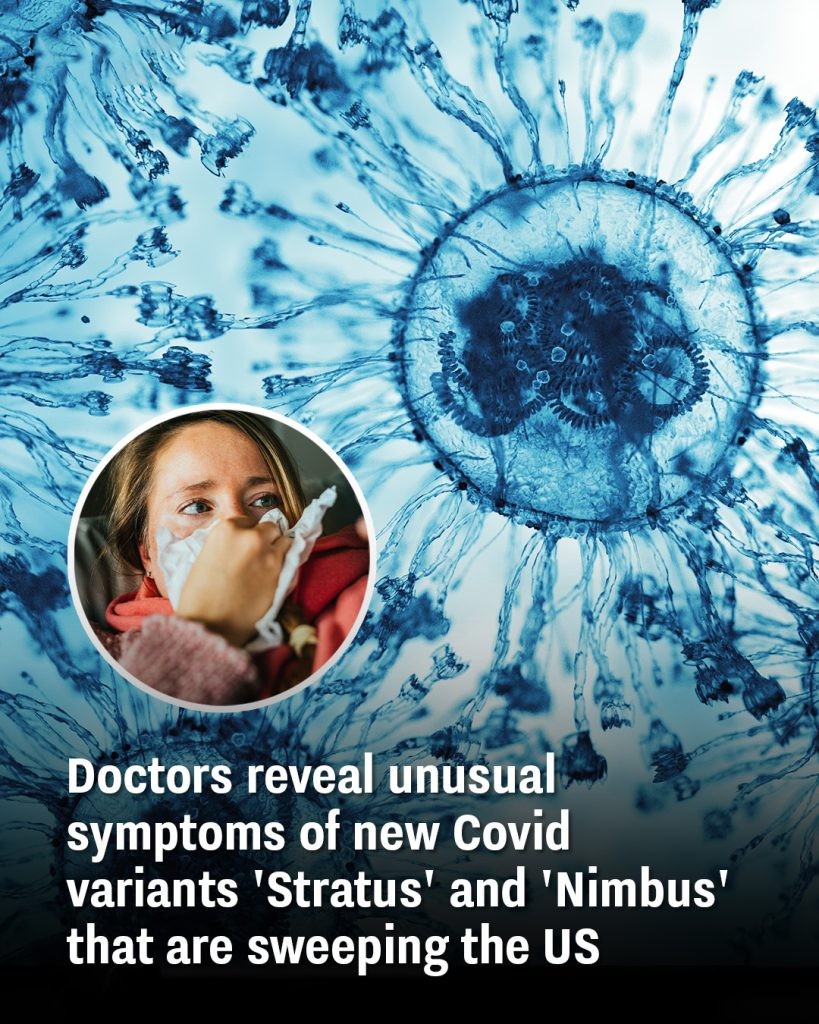
COVID-19 has changed dramatically since the earliest days of the pandemic.
New variants continue to appear as SARS-CoV-2 evolves, but that does not necessarily mean every new strain brings a new wave of severe illness. In 2026, health authorities are continuing to monitor several variants, including NB.1.8.1, often nicknamed “Nimbus,” and XFG, sometimes called “Stratus.”
The names may sound unfamiliar, but the symptoms associated with these variants are generally familiar.
Cough, congestion, fatigue, headache and fever remain among the symptoms people may experience after infection.
One symptom has attracted particular attention, however: an unusually painful sore throat that some people have described as feeling like “razor blades.”
That description can sound alarming, but it is important to remember that a sore throat is not unique to one COVID-19 variant. Similar symptoms can occur with many respiratory infections.
So what do we actually know about Nimbus and Stratus?
And should people be worried?
What Are the Nimbus and Stratus Variants?
NB.1.8.1 and XFG are lineages of SARS-CoV-2, the virus responsible for COVID-19.
The World Health Organization currently lists both NB.1.8.1 and XFG as Variants Under Monitoring. WHO has been tracking their genetic changes and global distribution as scientists collect more information.
According to WHO’s July 2026 data, XFG was the most prevalent variant among submitted sequences globally, accounting for about 28% during the week ending July 12. NB.1.8.1 accounted for approximately 22%.
These figures should be interpreted carefully because genomic surveillance has declined compared with earlier stages of the pandemic.
That means sequencing data do not represent every COVID-19 infection occurring around the world.
Still, the continued appearance of these variants demonstrates something scientists have expected all along:
SARS-CoV-2 continues to evolve.
Does Nimbus or Stratus Cause More Severe Illness?

This is perhaps the most important question.
At present, there is no clear evidence that either XFG or NB.1.8.1 causes more severe disease than other currently circulating SARS-CoV-2 variants.
WHO’s available assessment states that XFG, NB.1.8.1 and other variants currently being monitored do not appear to pose additional public-health risks compared with other circulating variants.
That is reassuring.
However, “not more severe” does not mean “completely harmless.”
COVID-19 can still lead to serious illness, particularly among people who are older, immunocompromised or living with certain underlying health conditions.
WHO continues to report that SARS-CoV-2 causes severe disease and death globally, although its overall impact on health systems is substantially lower than during the first years of the pandemic.
The important distinction is therefore between the characteristics of a variant and the individual risk faced by a particular person.
Why Do New Variants Spread So Easily?

Viruses naturally change as they reproduce.
Some genetic changes make little practical difference. Others may help a variant spread more efficiently or partially evade existing immunity.
XFG and NB.1.8.1 have genetic changes that scientists are monitoring closely because they can influence how the virus interacts with the immune system and human cells.
But greater transmissibility does not automatically mean greater severity.
A virus can become better at spreading without becoming more likely to cause severe disease.
This is one reason scientists track multiple characteristics rather than focusing only on how quickly a variant appears to be spreading.
WHO’s ongoing surveillance is designed to monitor precisely these questions: how variants are changing, where they are circulating, and whether those changes appear to affect public-health risk.
The Symptoms May Still Look Familiar
One of the reassuring aspects of the current variants is that their symptoms generally overlap with those seen with previous COVID-19 infections.
Depending on the individual, symptoms may include:
-
Fatigue
-
Cough
-
Fever
-
Headache
-
Nasal congestion
-
Runny nose
-
Sore throat
-
Muscle or body aches
-
Chills
-
Other respiratory symptoms
Not everyone experiences the same combination.
Some people may have relatively mild symptoms, while others can become significantly ill.
And because these symptoms overlap with influenza, common colds and other respiratory infections, symptoms alone usually cannot tell you which virus is responsible.
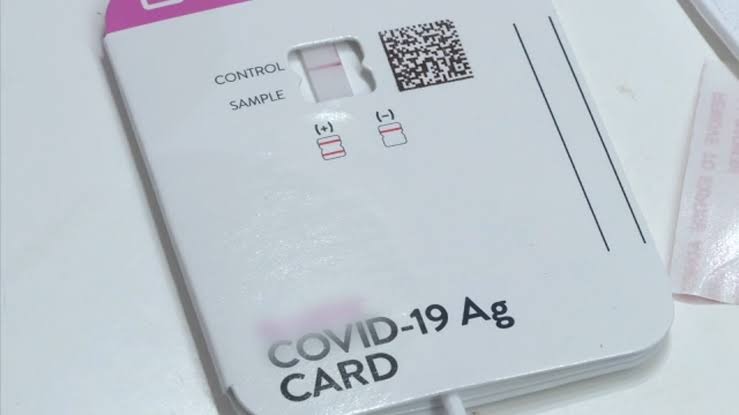
Testing may be necessary when knowing the cause matters for treatment, infection-control decisions or protecting vulnerable people.
What Is the “Razor Blade” Sore Throat?
Perhaps the most attention-grabbing description associated with recent COVID-19 coverage is the so-called “razor blade” sore throat.
The phrase is simply a way some patients have used to describe a particularly painful sore throat.
It is not an official medical term, and it is not a symptom exclusive to Nimbus or Stratus.
A severe sore throat can occur with different respiratory infections.
That is why people should not assume that experiencing throat pain automatically means they have one of these particular COVID-19 variants.
Nevertheless, a sore throat that is unusually painful, persistent or accompanied by other concerning symptoms deserves appropriate attention.
The same applies to any respiratory illness that appears to be worsening rather than improving.
Why Older Adults Remain More Vulnerable
Although current variants do not appear to carry an increased severity signal, COVID-19 remains more concerning for certain groups.
Older adults continue to have a greater risk of serious illness.
People with weakened immune systems can also face increased risk because their bodies may have more difficulty mounting an effective immune response.
Certain chronic medical conditions can further increase the likelihood of complications.
This is why the same infection can affect two people very differently.
A healthy younger adult may experience several days of relatively mild symptoms, while an older person or someone with significant underlying health problems may require much closer medical attention.
The variant name alone therefore cannot tell you how dangerous an infection will be for a particular individual.
Wastewater Is Helping Scientists Track COVID-19
One of the most interesting developments in modern infectious-disease surveillance is wastewater monitoring.
Instead of waiting for people to visit doctors or report positive tests, scientists can examine wastewater for traces of viral material.
This provides a way to monitor community-level transmission, including infections that might never be formally diagnosed.
Wastewater surveillance became especially valuable during the COVID-19 pandemic because many people experienced mild symptoms or never sought testing.
As testing habits have changed, environmental surveillance can provide another piece of the puzzle.
It is not a perfect measurement of the number of infected people, but it can help public-health authorities identify changes in viral activity.
WHO has emphasized that global surveillance has become more limited and that gaps in sequencing and reporting make it increasingly difficult to interpret trends quickly.
That makes multiple surveillance methods even more valuable.
Vaccination Still Plays an Important Role
As the virus evolves, vaccine recommendations and formulations can also change.
In May 2026, WHO’s Technical Advisory Group on COVID-19 Vaccine Composition recommended a monovalent LP.8.1 vaccine antigen for manufacturers, while noting that other antigens, including XFG and NB.1.8.1, could also be used if they demonstrate broad and robust protection against currently circulating variants.
WHO also emphasized that vaccination remains an important public-health measure and that people should not delay vaccination while waiting for a future formulation.
Exactly which vaccine is recommended can vary by country, age and individual risk factors.
For that reason, people should follow guidance from their local health authorities and healthcare professionals rather than relying on a variant nickname circulating on social media.
What Should You Do If You Develop Symptoms?
The basic approach to a respiratory infection remains sensible.
If you become sick, consider limiting close contact with other people, particularly those who are more vulnerable.
Rest and hydration can support recovery, while appropriate over-the-counter treatments may help manage common symptoms for people who can safely take them.
If you have risk factors for severe COVID-19, contacting a healthcare professional early can be especially important because some antiviral treatments work best when started soon after symptoms begin.
And if symptoms become severe or concerning, medical attention should not be delayed.
Warning signs can include difficulty breathing, persistent chest pain or pressure, new confusion, unusual difficulty staying awake, or other symptoms that feel significantly different from an ordinary respiratory illness.
COVID-19 Has Changed, But It Has Not Disappeared
One of the biggest misconceptions about COVID-19 is that the virus either remains exactly as it was in 2020 or has somehow disappeared.
Neither is true.
SARS-CoV-2 continues to circulate and evolve.
At the same time, immunity from vaccination and previous infection, improved clinical care and changes in the virus itself have contributed to a much different public-health situation than the one seen during the earliest waves.
WHO reported that the global impact on health systems has declined substantially compared with 2020–2021, even though severe disease and COVID-related deaths continue to occur.
That means the sensible response is neither panic nor complete indifference.
It is awareness.
The Most Important Thing to Remember About Nimbus and Stratus
The arrival of a new variant name can make headlines sound more frightening than the underlying evidence.
But names such as Nimbus and Stratus do not automatically mean a new health emergency.
As of the latest WHO assessments available in 2026, NB.1.8.1 and XFG remain variants under monitoring, without evidence that they pose additional public-health risks compared with other circulating variants.
They can still spread efficiently, and people can still become sick.
The familiar symptoms — fatigue, cough, congestion, headache, fever and sore throat — remain relevant.
And the painful “razor blade” throat that has received attention in recent reports is better understood as a description of symptom severity rather than a unique diagnostic sign.
The most vulnerable people should continue to take COVID-19 seriously.
For everyone else, staying informed, paying attention to symptoms and following current health guidance remains a sensible approach.
Final Thoughts

COVID-19 has taught the world an important lesson about viruses: they do not remain static.
They change, adapt and produce new lineages.
But every new name does not represent a new crisis.
Nimbus and Stratus are examples of the continuing evolution of SARS-CoV-2, and scientists are watching them precisely so that changes in transmission, severity and immune escape can be identified as early as possible.
For now, the evidence is more reassuring than alarming.
The symptoms remain largely familiar, the overall public-health risk has not been shown to be higher for these variants, and vaccination continues to be an important tool for reducing the risk of serious disease.
The best response is therefore simple:
Stay informed. Take respiratory symptoms seriously when appropriate. Protect people who may be more vulnerable. And remember that a changing virus does not necessarily mean a return to the worst days of the pandemic.
SEO Information
Focus Keyword: COVID-19 Nimbus and Stratus variants
Secondary Keywords:
NB.1.8.1 Nimbus, XFG Stratus, new COVID variants 2026, COVID symptoms, Nimbus COVID symptoms, Stratus COVID symptoms, COVID sore throat, razor blade sore throat, COVID variant symptoms, COVID-19 2026, SARS-CoV-2 variants, COVID wastewater monitoring
SEO Title:
New COVID Variants Nimbus and Stratus: Symptoms and What We Know
Meta Description:
Nimbus and Stratus are two COVID-19 variants being monitored in 2026. Here’s what health officials say about symptoms, spread, severity and risk.
Suggested Slug:covid-nimbus-stratus-variants-symptoms-2026
Sources