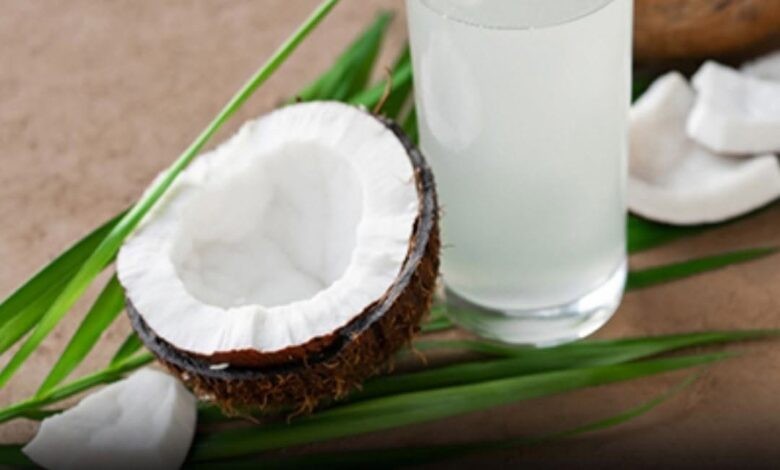
Coconut water has become increasingly popular worldwide as a refreshing beverage and a natural source of hydration. Touted for its clear taste and promoted as a healthier alternative to artificially sweetened sports drinks, coconut water is widely available in supermarkets and health stores. But as its consumption grows, medical professionals and nutrition experts emphasize the need to understand both its potential health benefits and the risks that come with excessive or inappropriate consumption.
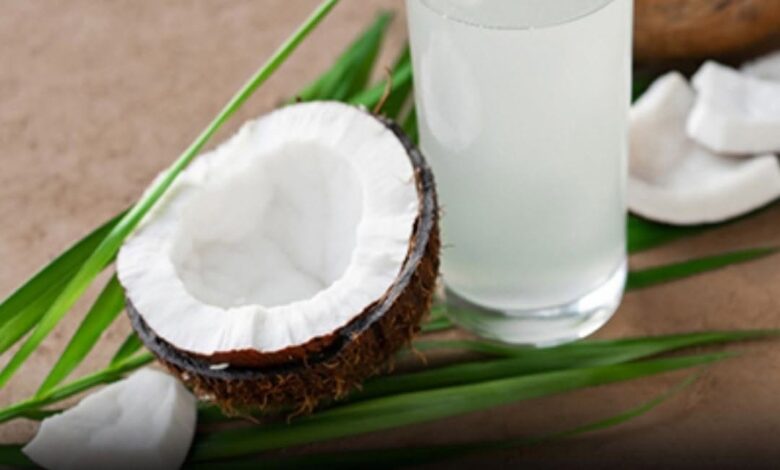
What Is Coconut Water?
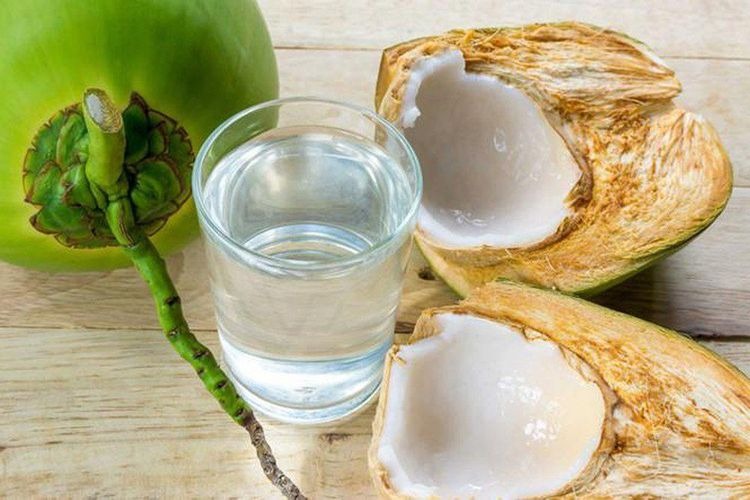
Coconut water is the clear, slightly sweet liquid found inside young, green coconuts. Unlike coconut milk, which is produced from pressing the grated meat of mature coconuts and contains significant fat, coconut water is low in calories and fat but rich in simple carbohydrates, mainly sugars, and several key electrolytes such as potassium, sodium, and magnesium. Thanks to this nutrient profile, coconut water has long been consumed as a source of hydration in tropical regions and is now marketed globally as a natural sports drink.
Nutritional Profile and Health Claims
Coconut water is often marketed for its purported health advantages, particularly in the context of hydration and exercise recovery. Its main nutritional components include:
- Water: Makes up over 90% of coconut water, making it naturally hydrating.
- Potassium: A typical 240ml (8-ounce) serving provides around 15% of the recommended daily intake, significantly more than many sports drinks.
- Magnesium and Sodium: Both help regulate fluid balance, nerve function, and muscle contractions.
- Carbohydrates (Sugars): Provide quick energy but are lower in quantity than many sodas or fruit juices.
For the average healthy individual, an occasional serving of coconut water can complement a balanced diet. Its electrolyte content may be beneficial after intense exercise, illnesses that cause fluid loss, or during hot weather to help replace lost minerals.
Potential Health Benefits
Scientific studies have explored several possible health benefits linked to moderate coconut water consumption:
- Hydration: Its electrolyte content helps replenish fluids, particularly after sweating or vomiting. Some studies suggest it is as effective as commercial sports drinks for mild fluid replacement.1
- Supporting Heart Health: The potassium in coconut water may help regulate blood pressure by counteracting sodium’s effects, potentially lowering hypertension risk.2
- Exercise Recovery: Due to its sugar and electrolyte composition, coconut water can help restore energy and prevent cramps post-exercise.3
- Antioxidant Properties: Some lab research indicates coconut water contains plant compounds that may reduce oxidative stress, but clinical evidence is limited.4
The Role of Potassium and Risks of Excess Consumption
While potassium is vital for normal nerve function, muscle contraction, and heart rhythm, blood potassium (known as serum potassium or “K+”) must be maintained within a narrow range. Healthy kidneys regulate potassium balance by filtering out excess. However, when kidney function is compromised or excessively high potassium is consumed, blood levels can rise (a condition known as hyperkalemia). Elevated potassium can disturb heart function and, in severe cases, become life-threatening.
Doctors especially caution certain groups:
- Individuals with Kidney Disease: Reduced kidney function impairs potassium excretion, raising the risk of hyperkalemia.
- People Taking Medication: Some blood pressure medications (ACE inhibitors, ARBs, potassium-sparing diuretics) can increase potassium retention.
- Those with Chronic Health Conditions: Individuals with heart disease, diabetes, or other metabolic disorders should seek medical advice before adding coconut water to their diets.
Symptoms of too much potassium in the blood can include weakness, numbness, irregular heartbeat, or even cardiac arrest in extreme cases. Generally, moderation is key, and the healthy public is unlikely to reach dangerous potassium levels through occasional coconut water alone. Problems may arise with chronic overconsumption, use as a primary fluid source, or in susceptible populations.
Food Safety: Ensuring Coconut Water Is Safe to Drink

Coconut water is often seen as pure and natural, but not every coconut or packaged drink is safe. The product is susceptible to spoilage, contamination, and quality variations that may occasionally lead to illness.

According to food safety experts, the following issues sometimes occur:
- Spoilage: Fresh coconut water can ferment if not kept refrigerated, resulting in a sour taste and risk of food poisoning.
- Contamination: Coconuts cracked open with unclean tools or stored in unhygienic environments may harbor dangerous bacteria or mold.
- Flavored or Sweetened Products: Packaged coconut water often contains added sugars, preservatives, and flavorings that can affect nutrition and safety.
- Imported or Poorly Labeled Products: Lapses in quality control and unclear labeling can pose a risk, especially when the sourcing or processing practice is unknown.
There have been rare but documented cases of severe illness linked to the consumption of spoiled or contaminated coconut water.5 Symptoms may range from stomach pain and vomiting to more serious problems depending on the type and level of contamination. These incidents are uncommon and usually preventable with careful storage and inspection before drinking.
Guidelines for Safe Consumption
- Check Packaging: Always check the expiration date and ensure that packaged coconut water containers have not been tampered with or appear swollen, which can indicate spoilage.
- Refrigerate After Opening: Once opened, coconut water should be refrigerated and consumed within a couple of days.
- Avoid Damaged Coconuts: If you are drinking fresh coconut water, visually inspect the coconut for cracks, mold, or discoloration before opening.
- Practice Good Hygiene: Use clean tools to open coconuts and wash hands beforehand.
- Be Wary of Added Ingredients: Pay attention to the ingredient list for any sweeteners or preservatives if you want a pure product.
- Consult With Your Doctor: If you have kidney disease, heart conditions, are taking certain medications, or are pregnant, talk to a healthcare provider before regularly consuming coconut water.
Expert Opinions and Research Insights
Leading dietitians and physicians generally agree that coconut water is a suitable, natural drink for healthy adults when enjoyed in moderation, especially in the contexts of hydration and exercise. The Mayo Clinic, for example, notes that coconut water is “fine for most people when used as part of a normal diet.” However, they stress the importance of reading labels for added sugars and being mindful of serving sizes.6
The World Health Organization (WHO) and the United States Centers for Disease Control and Prevention (CDC) have not issued formal advisories regarding coconut water, but food safety organizations recommend the same sensible precautions with coconut water as with any perishable natural beverage.
Internationally, coconut water is a dietary staple in many tropical countries, where it is widely consumed in its fresh form. However, Western markets tend to favor packaged or processed coconut water products, making quality control and ingredient transparency more crucial than ever.
Comparing Coconut Water to Other Beverages

Many consumers turn to coconut water as a substitute for sodas, fruit juices, or sports drinks. Each option offers distinct advantages and drawbacks:
- Sports Drinks: Often formulated for rapid hydration and replenishment of lost electrolytes but can be high in artificial additives and sugars.
- Fruit Juice: Provides vitamins but usually contains more sugar and calories than coconut water, typically without as large an electrolyte content.
- Water: Remains the healthiest daily fluid, calorie-free, and essential to normal physiological processes but lacks electrolytes unless specifically added.
Coconut water offers a middle ground: more flavor and electrolyte content than plain water, less sugar and artificial ingredients than most commercial beverages, but with unique risks for people with specific health needs.
Societal and International Reactions
The global coconut water market continues to expand rapidly, with consumers drawn to its image as a healthy and exotic drink. Celebrities and sports figures often endorse coconut water, contributing to its popularity. This growth has prompted international standards for safety and quality, especially in the context of exports and packaged sales.
Some health advocates encourage greater awareness and education about both the benefits and risks of coconut water. Regulatory bodies such as the U.S. Food and Drug Administration (FDA) and the European Food Safety Authority (EFSA) actively monitor imported products and issue recalls or advisories when necessary, supporting consumer protection efforts.
In developing nations, coconut water remains an affordable, accessible drink with both nutritional and cultural significance. Efforts continue to promote best harvest and hygiene practices to maximize public health benefits and minimize harm.
Conclusion: The Takeaway on Coconut Water
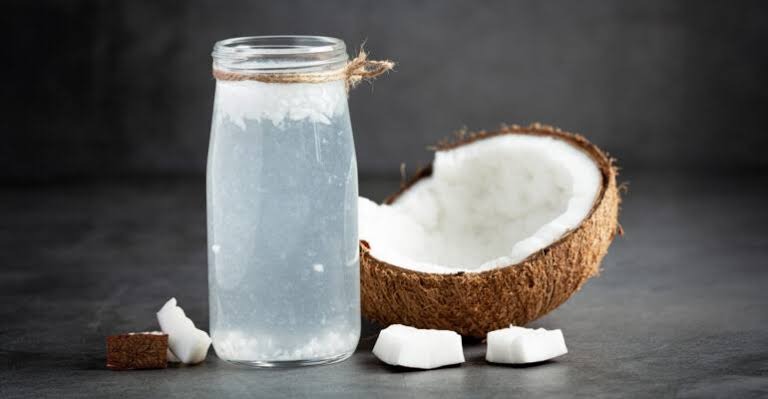
Coconut water can be a safe, nutritious, and hydrating drink for most people when consumed responsibly. Its blend of natural electrolytes and low-calorie content make it a desirable option for hydration after physical activity or on hot days. However, those with kidney problems, on certain medications, or with chronic diseases should consult their doctor before making coconut water a routine part of their diet. As with all natural foods, attention to quality and storage is essential. Understanding your individual health needs, reading product information, and following food safety practices allow you to enjoy coconut water while avoiding potential risks.
Sources
- Mayo Clinic: Coconut water: Is it good for you?
- Centers for Disease Control and Prevention (CDC)
- World Health Organization (WHO)
- BBC News: Coconut Water: Myth or Miracle?
- The Guardian: Should I be drinking coconut water?
- U.S. Food and Drug Administration (FDA) Food Recalls
Disclaimer: This content is intended for entertainment purposes only and is not based on real events.