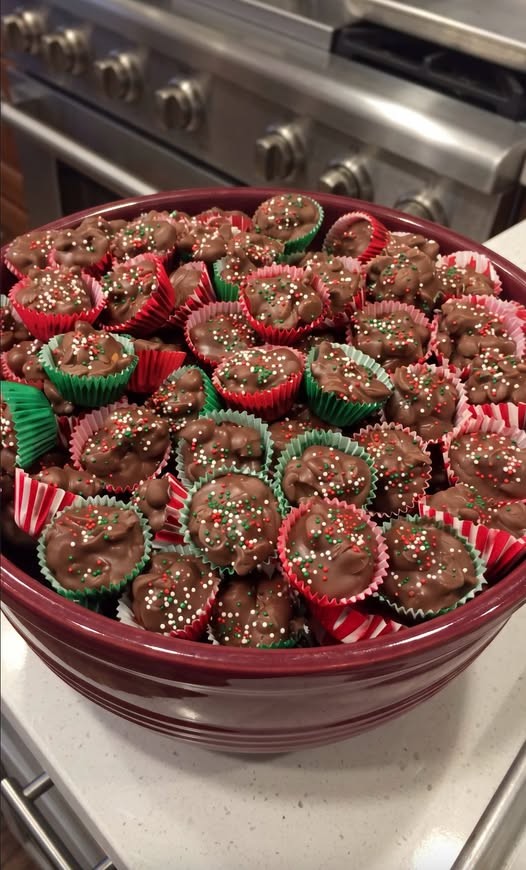
Crockpot Christmas crack is a popular name for a holiday-style candy that combines crisp crackers, a buttery brown-sugar caramel layer, melted chocolate, and optional festive toppings. Despite the playful name, the dessert is simply a sweet-and-salty confection designed to be broken into small pieces and shared at seasonal gatherings, packed into gift tins, or served alongside cookies and other holiday desserts.
The appeal of this treat is easy to understand. Saltine-style crackers bring a light crunch and gentle saltiness, while brown sugar and butter create a rich caramel-like coating. Chocolate adds a familiar finish and provides a surface for toppings such as crushed peppermint, chopped nuts, sprinkles, or flaky salt. The contrast between crisp, sweet, salty, buttery, and chocolatey elements is the central reason versions of this candy remain a common feature of holiday baking.
However, a reliable Crockpot Christmas crack recipe requires more than a broad list of ingredients. Accurate measurements, appropriate equipment, careful heating, and complete cooling are essential for achieving a candy that sets firmly and can be handled cleanly. Because slow cookers vary substantially in size and temperature performance, cooks should be cautious about treating general cooking-time estimates as universal instructions.
What Is Crockpot Christmas Crack?
Christmas crack is generally a layered cracker candy. Traditional versions are often prepared on a rimmed baking sheet, where crackers are covered with a cooked butter-and-sugar mixture, heated, and topped with chocolate. The final slab is chilled or allowed to cool before being broken into irregular pieces or cut into squares.
A crockpot or slow-cooker version adapts the concept for a countertop appliance. In many versions, crackers are arranged in the cooker insert while the brown sugar and butter mixture is prepared separately on the stovetop. Chocolate is then added after the caramel component has been applied. This means the preparation is not entirely hands-off: cooks still need to monitor the stovetop mixture, handle hot ingredients carefully, and ensure the chocolate melts smoothly.
The word “crack” in the dessert’s informal name refers to the brittle or snappy pieces created after the confection cools. It does not describe an ingredient or a separate cooking technique. For a more descriptive presentation, the treat may also be called chocolate caramel cracker candy, saltine toffee, or holiday cracker toffee.
The Flavor Profile: Why Sweet and Salty Works
Sweet-and-salty foods have broad appeal because salt can balance sweetness and make other flavors seem more pronounced. In this holiday candy, crackers provide both structure and salt, while butter and brown sugar supply the main sweet, caramel-like flavor. Semi-sweet chocolate often works especially well because it offers a less sugary contrast to the caramel layer than milk chocolate.
Brown sugar is important because it contains molasses, which contributes deeper flavor and moisture. Light brown sugar has a milder caramel character, while dark brown sugar usually provides a more noticeable molasses taste. Neither option is inherently better; the choice depends on whether a lighter or more robust caramel flavor is desired.
Butter contributes richness and helps create the texture associated with toffee-style candy. Unsalted butter can be useful when salted crackers are the base because it gives the cook more control over the final salt level. If salted butter is used, additional toppings such as flaky salt should be added sparingly.
Key Ingredients in Chocolate Caramel Cracker Candy
Crackers
Saltine crackers are a traditional choice because they are thin, crisp, and lightly salted. Their flat shape makes them easy to arrange in a single layer, and they absorb some of the buttery coating while retaining enough texture to create a crisp bite. Other crackers may be used, but substitutions can change the finished texture.
Whole-grain crackers can add a toastier flavor, though their stronger taste may compete with the caramel and chocolate. Gluten-free crackers may be suitable for people who avoid gluten, but their structure varies greatly among brands. A gluten-free option should be sturdy enough to hold warm caramel without immediately becoming soggy or falling apart.
Butter and Brown Sugar
Butter and brown sugar form the core caramel-like layer. This mixture must be heated carefully because sugar-based confections can change quickly as moisture evaporates and the ingredients become hotter. A short list of ingredients does not eliminate the importance of method: the ratio of butter to sugar, the heat level, and the cooking time all influence whether the layer sets properly.
Vanilla extract is often added for aroma and flavor. It supports the caramel notes but does not replace the functional role of butter or sugar. Spices such as cinnamon or nutmeg can also be used in modest amounts for a warmer seasonal profile.
Chocolate
Semi-sweet chocolate chips are a common topping because they balance the sweetness of the caramel. Dark chocolate may create a more intense cocoa flavor, while milk chocolate provides a sweeter, creamier finish. White chocolate can add visual contrast, especially when drizzled over a darker chocolate layer, but it behaves differently during melting and can be more sensitive to overheating.
Chocolate chips are formulated to retain their shape to some extent during baking, so they may need gentle stirring after softening to become spreadable. Chopped chocolate bars may melt more readily, although results vary by product. Regardless of the chocolate selected, it should be melted slowly and kept away from water.
Why Measurements and Slow-Cooker Size Matter
For candy-making, precise proportions are particularly important. The amount of cracker surface being covered determines how much caramel and chocolate are needed. If the caramel layer is too thin, some crackers may remain dry or the coating may not bind the layers well. If it is too thick, the candy may become overly soft, sticky, or difficult to portion.
Slow-cooker size is another important variable. A large oval cooker has a different base area from a smaller round cooker. The same number of crackers may fit tightly in one appliance but leave gaps in another, affecting coverage and layer thickness. A recipe should specify the cooker capacity, ideally along with the approximate dimensions of the usable base.
Slow cookers also differ in how quickly they heat and how hot their low and high settings become. For that reason, recipes should rely on observable signs of doneness rather than timing alone. A cooker that runs hot can overheat chocolate or cause the sugar mixture to cook differently from the intended result. One that runs cool may leave the chocolate insufficiently softened.
Understanding the Preparation Process
A dependable method for this type of holiday candy generally involves several stages. First, the cooker insert or chosen pan is prepared according to the appliance manufacturer’s guidance. If parchment is used, it should fit safely and should not interfere with the lid, heating element, or recommended use of the appliance.
Next, crackers are arranged in a relatively even layer. The butter-and-brown-sugar mixture is heated separately when the recipe calls for a stovetop caramel component. This stage deserves attention. Hot sugar mixtures can cause burns, and they should be handled with heat-safe utensils and kept away from children and pets.
After the caramel mixture is spread or poured over the cracker layer, chocolate is added and allowed to soften enough for spreading. The candy then needs ample time to cool until the chocolate and caramel are firm. Cooling is not merely a finishing detail; it is what allows the layers to become stable enough for slicing, breaking, stacking, or packaging.
Recipes that instruct cooks to stir a layered cracker candy should be considered carefully. Stirring can crush crackers and blend layers that are meant to remain distinct. A clear, tested process should explain whether the goal is a layered slab, a mixed snack-style candy, or another texture entirely.
Chocolate Melting and Moisture Considerations
Chocolate is sensitive to heat and moisture. Even a small amount of water can cause melted chocolate to seize, becoming thick, grainy, or difficult to spread. Cooks should use dry bowls, spoons, and spatulas when working with chocolate.
Slow cookers create an additional issue: condensation. Steam can collect under a lid and later drip onto food. If chocolate is being softened in a covered cooker, moisture from condensation may affect its texture. The best approach depends on the specific recipe and appliance, but any instructions about covering or uncovering the chocolate should be consistent and intentional.
Chocolate should also be protected from excessive heat. High temperatures can cause chocolate to scorch or become dull after it cools. Gentle warming and patient spreading are generally more reliable than prolonged cooking. If the chocolate does not soften as expected, it is better to reassess the method than to keep heating it indefinitely.
Holiday Toppings and Flavor Variations
One advantage of Crockpot Christmas crack is its flexibility. Toppings can change the appearance and flavor without altering the basic combination of crackers, caramel, and chocolate. Crushed peppermint candy creates a mint-chocolate profile and adds seasonal color. It is best added while the chocolate is still soft enough to hold it in place.
Chopped pecans, almonds, walnuts, or pistachios add a roasted flavor and more crunch. Anyone serving or gifting candy with nuts should clearly identify them, particularly when sharing with guests who may have food allergies. Sesame, coconut, dried fruit, or crushed pretzels are other possible toppings, although each changes the texture and ingredient profile.
Festive sprinkles provide color with little effect on flavor. Flaky sea salt can intensify the sweet-and-salty contrast, but it should be used thoughtfully because crackers may already contain substantial sodium. A light drizzle of white chocolate over set dark or semi-sweet chocolate can create an attractive finish for holiday trays.
Storage, Food Safety, and Gift Packaging
Finished candy should cool completely before it is placed in a container. Packaging warm pieces can trap moisture, cause chocolate to smear, and make individual portions stick together. Once firm, pieces can be stored in an airtight container, with parchment paper between layers to protect the coating.
Storage conditions depend on the ingredients, the temperature of the kitchen, and whether the candy includes perishable additions. In a warm environment, refrigeration may help the chocolate remain firm. If chilled, allow pieces to sit briefly before serving if condensation has formed on the container. For longer storage, freezing may be possible when candy is wrapped well to reduce exposure to air and odors.
For holiday gifts, choose a rigid container that prevents crushing. Small paper cups can keep pieces separate, while parchment liners help maintain a neat presentation. Include an ingredient label whenever possible, especially if the candy contains milk, soy, wheat, peanuts, tree nuts, or other common allergens. The U.S. Food and Drug Administration identifies milk, eggs, fish, crustacean shellfish, tree nuts, peanuts, wheat, soybeans, sesame, and other specified ingredients under federal food-allergen labeling requirements.
Making This Holiday Treat More Dependable
The central idea behind Crockpot Christmas crack is straightforward: a crisp cracker foundation paired with buttery caramel and chocolate. Yet a successful batch depends on a properly tested recipe, not only on appealing ingredients. Exact quantities, an identified slow-cooker size, consistent heating directions, and specific cooling guidance help turn a general concept into a repeatable holiday dessert.
Before making the candy for a party or gift exchange, it is sensible to choose a recipe from a reputable test kitchen, food publication, or university extension resource. Read the complete method before beginning, gather dry equipment, and consider how ingredient substitutions may affect texture. With careful preparation, this sweet-and-salty confection can be a practical addition to a cookie exchange, dessert platter, or seasonal gift box.
Sources
Disclaimer: This content is intended for entertainment purposes only and is not based on real events.