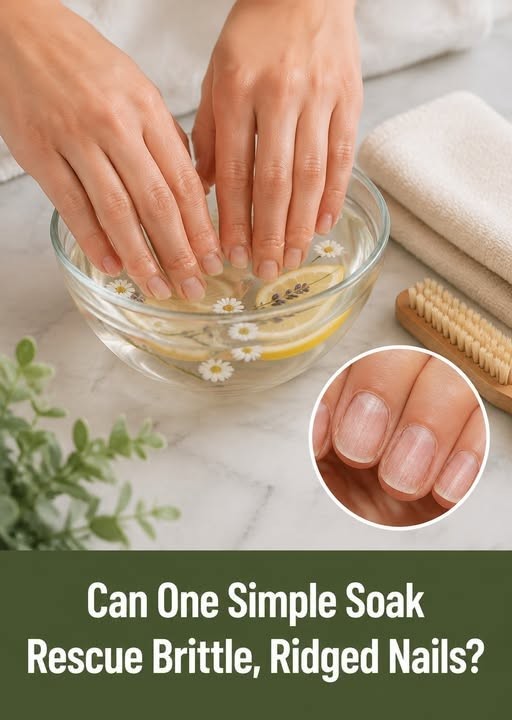
Brittle, Ridged, or Peeling Nails: Causes, Prevention, and Effective Care
Understanding Nail Structure and Health
Nails play a vital role in daily function and personal grooming, but their health can often be overlooked until problems arise. Brittle, ridged, or peeling nails are widespread concerns that impact people of all ages and genders. Understanding the underlying reasons for these changes is critical for effective nail care and for distinguishing between harmless issues and signs of systemic conditions. This article explores the science of nail health, common and less common causes of nail changes, evidence-based management strategies, and guidance on when to seek medical evaluation.
The Anatomy of Nails
Nails are protective structures made primarily of keratin, a hard protein also found in hair and outer layers of skin. The nail plate (the visible hard part) grows from the nail matrix, which sits beneath the cuticle. Healthy nails are typically smooth, strong, and free from splitting or deep grooves. The condition of the nail surface can reflect how well the nail plate is formed, as well as the impact of daily life events and exposures on nail integrity.
What Are Brittle, Ridged, or Peeling Nails?
Brittleness refers to nails that break or tear easily. Peeling implies separation into layers, typically at the tip, while ridged nails have lines or grooves along the nail surface. Vertical (longitudinal) ridges are the most frequent type and are typically a result of aging or drying. Horizontal (transverse) ridges, such as Beau’s lines, are less common and can sometimes suggest systemic stress or illness.
Common Causes of Nail Changes
For most people, everyday activities are responsible for changes in nail quality. Activities that stress the keratin layers over time contribute to brittleness or peeling, including:
- Repeated wetting and drying: Water exposure swells and shrinks the nail, damaging keratin bonds.
- Chemical exposure: Cleaning products, acetone solvents, and detergents strip natural oils, leaving nails dry and more prone to splitting.
- Frequent handwashing: Essential for hygiene, but excessive washing compromises nail integrity if not balanced with moisturizing routines.
- Cosmetic nail treatments: Gel and acrylic applications, frequent use of nail polish remover, or aggressive manicures can thin and weaken the nail surface.
Age is another natural contributor. As people grow older, nail growth slows, and natural oil production decreases, which can make nails appear more ridged or dull.
Home Remedies and Everyday Care
Many at-home strategies aim to improve the look and resilience of nails, though their effectiveness is often temporary. For example, soaking nails in olive oil or applying thick moisturizers to the nail plate and cuticles can temporarily increase flexibility and decrease the tendency to split. While such treatments provide surface hydration that helps with dryness, they do not reverse underlying keratin structure damage or permanently remove pre-existing ridges.
Research and expert opinion stress the importance of consistent, gentle care for meaningful improvement. Recommendations include:
- Wearing rubber or cotton-lined gloves when using cleaning products or washing dishes to reduce chemical and water exposure.
- Using fragrance-free hand creams, ointments, or cuticle oils regularly, especially after handwashing or bathing, to help maintain moisture.
- Trimming nails regularly and gently shaping tips with a soft file to prevent snags and tears.
- Avoiding metal tools under the nail and limiting aggressive buffing, which can thin nails permanently.
- Keeping nails natural when possible, minimizing the use of prolonged artificial nails or harsh nail treatments.
When Nail Changes Signify an Underlying Condition
Although most brittle, ridged, or peeling nails are benign, certain changes may warrant deeper evaluation. Noticeable shifts in color, new onset of pain, swelling, bleeding around the nail, or rapid onset of nail loss can be warning signs. Occasionally, nail abnormalities signal underlying health concerns such as:
- Iron deficiency anemia: This can cause brittle or spoon-shaped nails (koilonychia).
- Thyroid disorders: Both hypothyroidism and hyperthyroidism may alter nail texture and growth rate.
- Psoriasis: Besides skin lesions, psoriasis can affect nails, causing pitting, discoloration, and unusual thickening or separation.
- Fungal infections: Onychomycosis may cause nails to thicken, discolor, and become brittle or crumbly.
- Serious illness or systemic stress: Beau’s lines or sudden splitting can be seen after high fever, trauma, or metabolic disruptions.
If brittle nails are sudden in onset, severe, only affect one or two nails, or come with other unexplained changes in hair or skin, consulting a healthcare provider or dermatologist is advisable. Laboratory tests may help determine if a treatable medical condition is present.
Ridges and What They Mean
Vertical ridges (from the cuticle to tip) are common, especially as people age. The British Association of Dermatologists and the American Academy of Dermatology note that mild vertical ridges are typically not worrisome. These often reflect natural changes such as slower growth and slightly decreased cell turnover at the nail matrix.
Horizontal ridges or grooves, however, are more likely to indicate a past stressful event or illness, such as severe infection, recent surgery, or nutritional deficiency. If such changes follow an adverse health event or are persistent, they may require medical evaluation.
Diet, Supplements, and Nail Health
Nutrition is central to healthy nail growth. Diets lacking in protein, biotin (vitamin B7), iron, zinc, or magnesium may affect nail quality. That said, most people eating a balanced diet meet their nutritional needs without supplements.
Biotin supplements are sometimes marketed for stronger nails. While limited research suggests that biotin may benefit people with true deficiency or rare inherited nail disorders, high-quality evidence for widespread use is lacking. In addition, large doses of biotin can interfere with certain laboratory blood tests. Before starting any supplement, it is wise to consult a healthcare provider.
- Protein: Essential for keratin production; found in meat, fish, eggs, dairy, legumes, nuts, and seeds.
- Iron: Lean meats, beans, spinach, and fortified cereals are good sources.
- Zinc and Magnesium: Found in shellfish, beef, nuts, whole grains, and leafy greens.
Hydration matters, too—drinking enough fluids supports nail and skin health.
Myths and Facts about Nail Treatments
There are many misconceptions around nail care. Notably, nails do not “breathe”—they receive nutrients from the blood supply, not from the air. Polishes or gels do not suffocate fingernails but can dry them out if harsh chemicals are repeatedly used. Nail hardeners may be helpful for some, but many contain formaldehyde derivatives that, when overused, can increase brittleness.
Cutting cuticles is discouraged by experts; cuticles protect new nail growth from infection. Instead, gently pushing them back after moisturizing is preferred.
Practical Steps for Stronger, Healthier Nails
- Wear gloves for cleaning, dishwashing, or any work with harsh chemicals.
- Moisturize after every hand wash, focusing on nails and cuticles.
- Keep nails short and gently filed to reduce catching or trauma.
- Prefer acetone-free nail polish removers, and let nails rest from polish between applications.
- Use a mild shampoo and gentle hand soaps to reduce drying effects.
- Maintain a nutritious, varied diet to support overall nail and body health.
- Remember: The best results come from consistent care, not from quick fixes.
When to Seek Medical Advice
Most nail problems improve with attention to daily habits and protective care. Seek professional evaluation if you notice any of the following:
- Pain, redness, or swelling around the nail
- Pus, rapid changes in nail shape, discoloration, or separation from the nail bed
- Nail changes associated with other unexplained symptoms such as hair loss or fatigue
- History of underlying health conditions that might impact nail health (for example, diabetes, autoimmune conditions, or vascular disease)
For persistent or concerning changes, a dermatologist can recommend diagnostic tests or specific treatments—including antifungal therapy, topical steroids, or further investigation for internal disease.
Conclusion
Brittle, ridged, or peeling nails affect millions of people worldwide, usually as a result of everyday exposures or minor aging-related changes. The majority of nail problems are not serious, and simple preventive measures—including moisturizing, wearing gloves, and avoiding harsh chemicals—play a major role in promoting healthy nail growth. Attention to diet and overall wellness supports nails from the inside out. If nail changes remain unexplained or worrisome, a healthcare professional’s input is important for diagnosis and treatment.
Sources
Disclaimer: This content is intended for entertainment purposes only and is not based on real events.