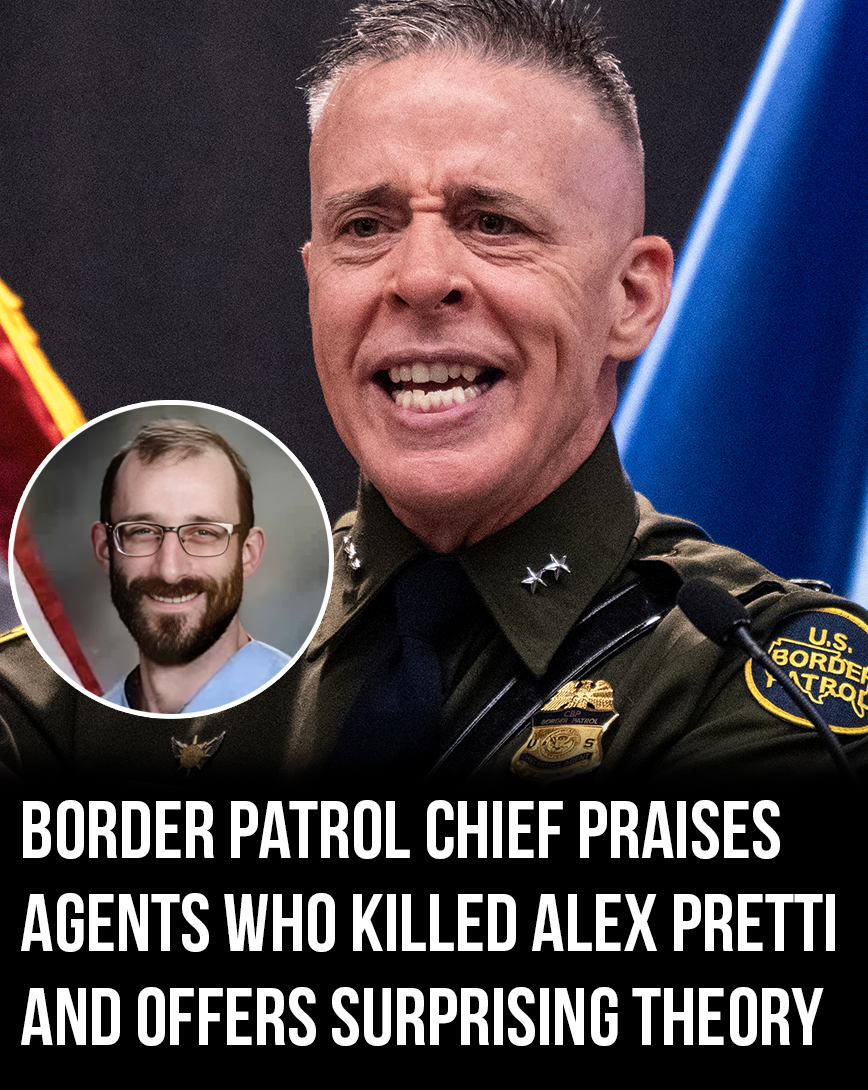
Border Patrol Chief Defends Agents in Fatal Shooting of Alex Pretti as Public Anger Grows
The fatal shooting of Alex Pretti, a 37-year-old intensive care unit nurse, has triggered widespread public reaction across the United States, intensifying debate over the conduct of federal law enforcement during protests and enforcement operations.
As demonstrations continue in multiple cities, a senior Border Patrol official has publicly defended the agents involved, describing their actions as appropriate while urging the public to wait for the outcome of an official investigation.
The comments, however, have further fueled controversy, particularly in light of widely circulated video footage and conflicting accounts surrounding the moments leading up to Pretti’s death.
A Death That Sparked National Attention
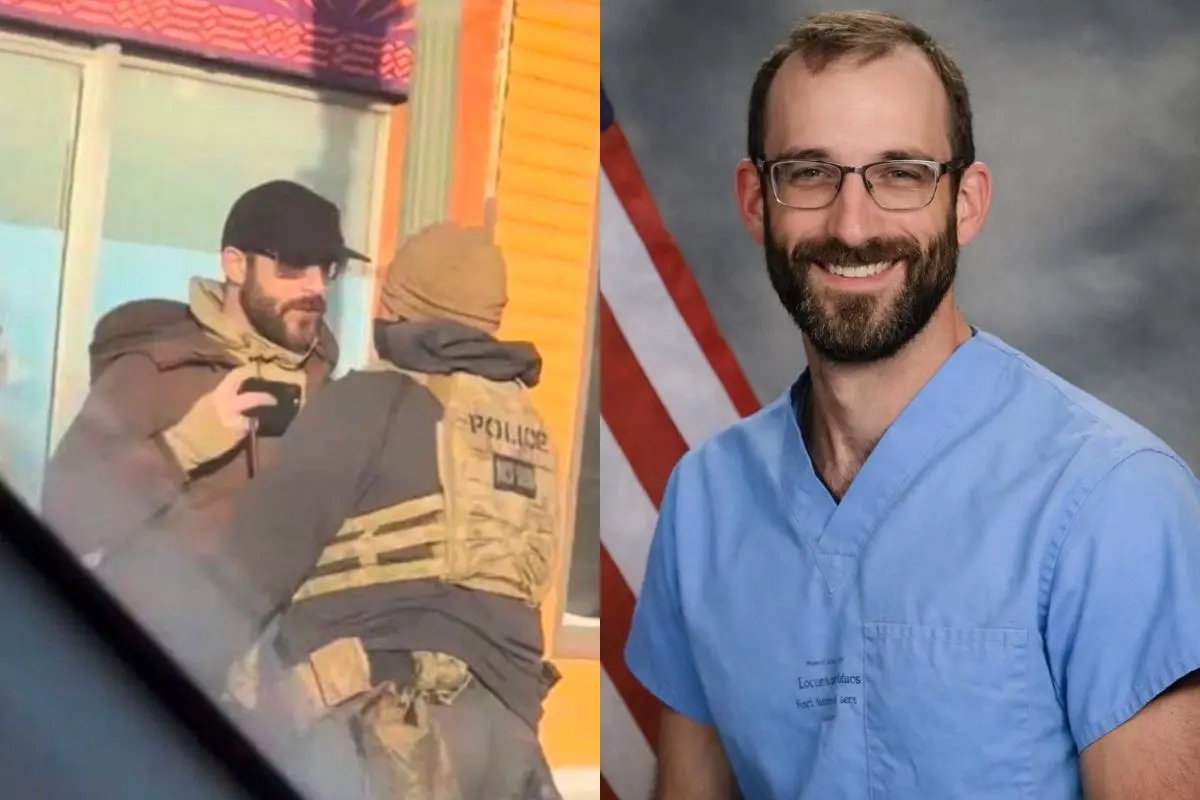
Alex Pretti was pronounced dead at the scene following an encounter with federal agents during a protest-related incident in Minneapolis. His death occurred just weeks after another fatal shooting involving federal officers, intensifying existing tensions and prompting renewed scrutiny of enforcement practices.
Footage shared across social media platforms appears to show Pretti attempting to assist a woman who had been pushed into the snow during a confrontation. Moments later, he is seen being subdued by agents. The videos have been viewed millions of times, becoming a focal point of public discussion and protest.
Family members and witnesses have strongly disputed official accounts of the incident, calling for transparency and an independent review.
Conflicting Accounts and Unanswered Questions
According to early reports, Pretti was legally carrying a firearm at the time of the incident. Authorities have suggested that the presence of a weapon contributed to the agents’ perception of risk.
However, multiple witnesses and video angles have raised questions about whether Pretti was disarmed before the fatal shots were fired. His family has firmly rejected claims that he posed a threat to agents or bystanders.
They have emphasized that Pretti was a healthcare professional known for his commitment to helping others, both in his work and personal life.
A Father’s Defense of His Son

Pretti’s father issued a public statement expressing grief and frustration over the narrative surrounding his son’s death. He described Alex as deeply compassionate and troubled by what he viewed as injustice in immigration enforcement practices.
According to his father, Pretti was motivated by concern for others rather than confrontation. He rejected any suggestion that his son engaged in violent behavior or intended to harm law enforcement officers.
The family’s statements have resonated with many supporters, who argue that Pretti’s actions reflected civic concern rather than aggression.
Border Patrol Commander Praises Agents
In a televised interview, Border Patrol Commander Gregory Bovino defended the agents involved, stating that they acted appropriately under the circumstances.
He asserted that the situation was the result of Pretti’s own actions, framing the agents as the victims of a potentially dangerous encounter. Bovino credited what he described as extensive law enforcement training for preventing further harm.
His remarks, including praise for the agents’ response, have drawn significant criticism from those who believe such statements pre-judge the outcome of an ongoing investigation.
Debate Over Public Statements During Investigations

During the interview, Bovino was questioned about whether his comments conflicted with the principle of allowing investigators to determine the facts without influence.
He responded by emphasizing the uncertainty surrounding key details, including whether Pretti was unarmed at the moment he was shot. Bovino cautioned against what he described as drawing conclusions from still images or partial video clips, arguing that only a full investigation can establish an accurate timeline.
The exchange highlighted a broader tension between public communication by officials and the need for impartial inquiry.
Video Evidence and Public Skepticism
Despite calls for patience, many members of the public remain skeptical, citing video footage that appears to show Pretti restrained or subdued before shots were fired.
Legal experts and civil rights advocates have noted that video evidence has become a central factor in shaping public perception of law enforcement incidents, often prompting demands for accountability even before investigations are completed.
The presence of multiple camera angles has intensified scrutiny, making it difficult for authorities to control the narrative.
Political Reactions and Federal Oversight
The incident has drawn attention at the highest levels of government. President Donald Trump commented cautiously on the case, stating that he does not support shootings but also expressed concern about individuals bringing firearms to protest environments.
He indicated that the administration is reviewing the incident and pledged that a determination would be made following further examination.
Trump also announced that a senior White House official focused on border and immigration enforcement would be sent to Minnesota to oversee developments related to the shooting and subsequent protests.
Protests and Rising Tensions
Demonstrations in response to Pretti’s death have taken place in Minneapolis and other cities nationwide. Protesters have called for accountability, transparency, and changes to federal enforcement practices.
At several protests, federal buildings have been surrounded by demonstrators demanding independent investigations and clearer use-of-force standards.
The protests reflect broader frustration with law enforcement actions, particularly those involving federal agencies operating in local jurisdictions.
The Role of Federal Agents in Civil Unrest

The presence of federal agents at protest sites has been a recurring source of controversy in recent years. Supporters argue that their involvement is necessary to maintain order and protect federal property.
Critics contend that federal intervention can escalate tensions, especially when communities already feel distrustful of law enforcement.
The shooting of Alex Pretti has become a flashpoint in this ongoing debate, raising questions about when and how federal agents should engage with civilians during demonstrations.
Calls for an Independent Investigation
Civil rights groups, community leaders, and some lawmakers have called for an independent federal investigation into the shooting.
They argue that transparency is essential to maintaining public trust, particularly when law enforcement officials publicly defend their agents before all facts are established.
Such investigations, advocates say, are not about assigning blame prematurely, but about ensuring accountability and preventing similar incidents in the future.
The Challenge of Public Trust
Incidents like the death of Alex Pretti underscore the fragile relationship between law enforcement agencies and the communities they serve.
Public trust is often shaped not only by actions on the ground, but by how officials communicate afterward. Statements perceived as dismissive or biased can deepen skepticism, even among those willing to wait for investigative findings.
This dynamic places added pressure on officials to balance transparency, caution, and empathy in their public remarks.
Waiting for Answers
As investigations continue, many questions remain unresolved. Determining whether Pretti was disarmed, whether the use of force was justified, and whether policies were followed will be central to official findings.
For Pretti’s family, supporters, and critics of federal enforcement alike, the outcome of the investigation will likely influence broader discussions about law enforcement accountability.
A Case That Reflects a Larger Debate
The death of Alex Pretti is not an isolated event. It has become part of a wider national conversation about policing, protest, and the appropriate use of force.
Regardless of the investigation’s conclusion, the incident has already left a lasting impact, shaping public discourse and prompting renewed examination of how law enforcement operates during moments of civil unrest.
As the nation waits for answers, the case stands as a reminder of the stakes involved when authority, public protest, and human lives intersect.