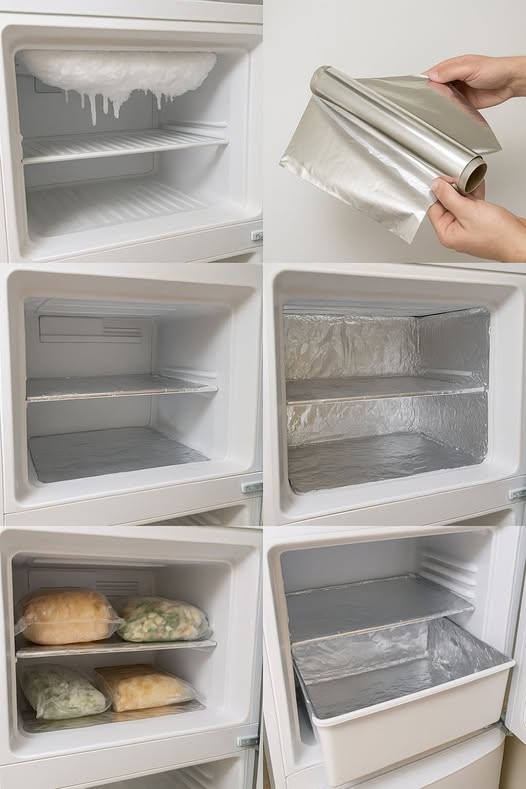
Opening a freezer and finding a thick blanket of frost is one of those small household frustrations that can quickly become a major chore.
At first, the ice may appear harmless. A thin white layer forms along the back wall or around the edges of a drawer, barely noticeable among bags of frozen vegetables and containers of leftovers. Then, almost without warning, that thin layer becomes a thick coating.
Drawers become harder to open. Food takes up more room than it should. The freezer looks increasingly crowded, even when you have not added much to it.
Eventually, defrosting becomes unavoidable.
The good news is that frost buildup is not simply something you have to accept. Understanding why frost forms in a freezer and developing a few simple habits can help reduce accumulation and keep the appliance easier to use.
Why Does Frost Build Up in a Freezer?
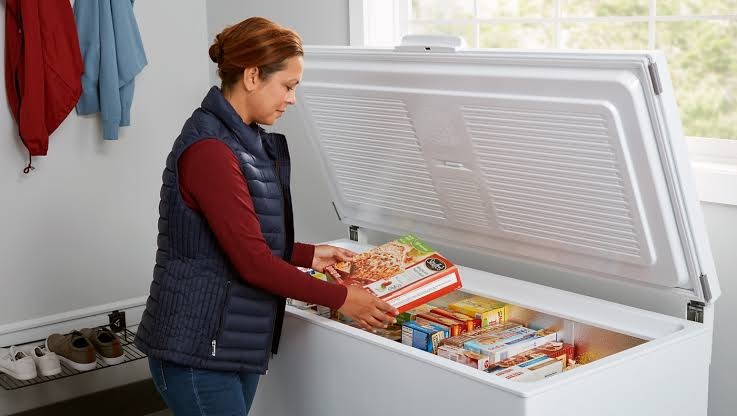
Frost forms when moisture gets inside the freezer and comes into contact with very cold surfaces.
Every time the freezer door opens, warmer and more humid air from the surrounding room can enter. That moisture can eventually freeze on the interior walls, shelves, drawers, or food containers.
The process may be especially noticeable when the freezer is opened frequently or left open for extended periods.
Moisture can also enter when warm or uncovered food is placed inside. As the food cools, moisture released into the surrounding air can contribute to frost formation.
A freezer with a damaged or poorly sealing door gasket can have an even greater moisture problem because outside air may continuously enter around the door.
This is why frost buildup is often less about a single mistake and more about repeated small sources of moisture.
Why Too Much Frost Is More Than a Cosmetic Problem
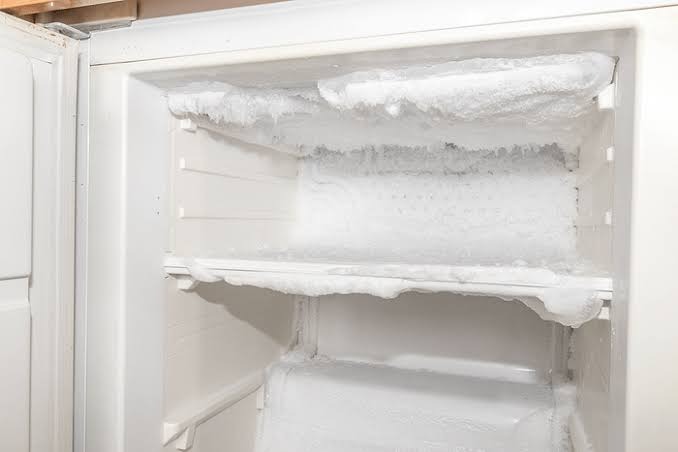
A little frost may not seem important, but significant buildup can interfere with how conveniently the freezer operates.
Thick ice takes up physical space. That means some of the room intended for food is gradually being occupied by frozen water.
Frost can also interfere with drawers and shelves. What once slid smoothly may eventually become difficult to move.
Another concern is the freezer door seal.
If frost accumulates around the door or prevents it from closing completely, the appliance may have difficulty maintaining its intended temperature. A door that does not seal properly can allow more warm air to enter, creating additional moisture and potentially making the frost problem worse.
This can create a frustrating cycle:
More moisture → more frost → poorer sealing or reduced usable space → more difficulty maintaining the freezer properly.
Can Frost Make a Freezer Use More Energy?
Excessive frost can contribute to reduced efficiency in some freezer designs, particularly when ice buildup interferes with normal operation or airflow.
The appliance may need to work harder to maintain its target temperature when warm air is entering frequently or when components are obstructed by excessive ice.
However, it is important not to assume that every freezer with a layer of frost is automatically consuming dramatically more electricity. Energy use depends on the appliance design, condition, temperature setting, room temperature, door-opening habits, and other factors.
If you notice that your freezer is unusually noisy, running for long periods, struggling to maintain temperature, or developing frost unusually quickly, the issue may deserve more attention than simply removing the ice.
The Most Important Habit: Keep Moisture Out
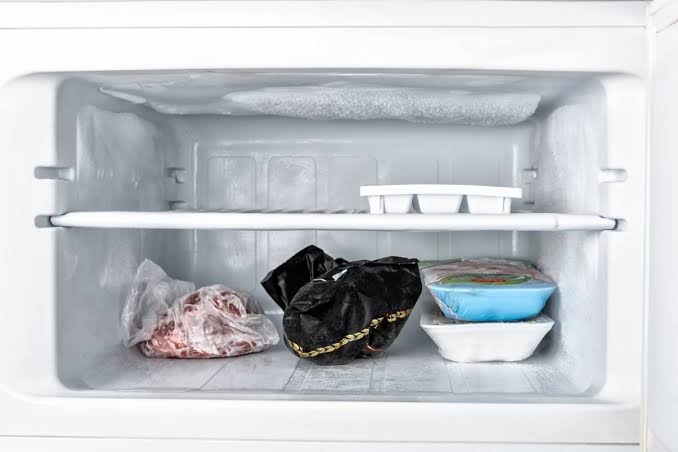
If you want to reduce frost, one of the simplest strategies is to minimize the amount of moisture entering the freezer.
That starts with how you store food.
Use properly sealed containers or freezer bags whenever possible. Remove excess air from freezer bags and make sure containers are securely closed.
When freezing leftovers, allow them to cool appropriately before placing them in the freezer rather than putting very hot food directly inside.
Labeling containers also helps. The less time you spend searching through the freezer with the door open, the less warm, humid air enters.
It is a surprisingly simple change that can make everyday freezer use more efficient.
Avoid Leaving the Door Open
Freezer doors are easy to leave open while searching for a particular item.
You open the door, move one container, discover that the item is behind another container, and suddenly several minutes have passed.
During that time, warm room air continues entering.
Try organizing frequently used foods so they are easy to locate. Keep similar foods together and avoid creating piles that require extensive rearranging.
A well-organized freezer is not only easier to use—it can also help reduce unnecessary door-opening time.
Check the Door Seal
The rubber gasket around the freezer door plays an important role in keeping outside air out.
Over time, gaskets can become dirty, stiff, damaged, or poorly aligned.
Inspect the seal periodically. Look for cracks, gaps, sections that appear loose, or areas where the gasket is not making consistent contact with the freezer frame.
Cleaning the gasket according to the manufacturer’s instructions can also help maintain a good seal.
If the door still does not close properly after cleaning and checking the alignment, the gasket may need replacement or the appliance may require service.
A simple seal problem can otherwise allow moisture to enter continuously.
Do Not Overlook the Freezer Temperature
Keeping the freezer at the temperature recommended by the manufacturer is another important part of proper operation.
For food safety, the U.S. Food and Drug Administration generally recommends keeping a freezer at 0°F (-18°C).
A reliable appliance thermometer can help you check the actual temperature rather than relying entirely on the dial or digital setting.
Avoid making large temperature adjustments simply because you notice frost. Instead, investigate the underlying cause, particularly if frost returns quickly after removal.
What About the Popular “Defrosting Trick”?
There are countless household tips promising to eliminate freezer frost almost instantly.
Some involve placing containers of hot water inside the freezer, using fans, or scraping the ice aggressively.
While certain methods may speed up melting, caution is important.
Never use a knife, screwdriver, or other sharp object to chip away thick ice. Accidentally puncturing an internal component can cause expensive damage and potentially make the appliance unsafe to operate.
Likewise, avoid using improvised heating devices unless the appliance manufacturer specifically recommends the method.
The safest approach is to follow the defrosting instructions supplied for your particular freezer.
How to Defrost a Freezer Safely
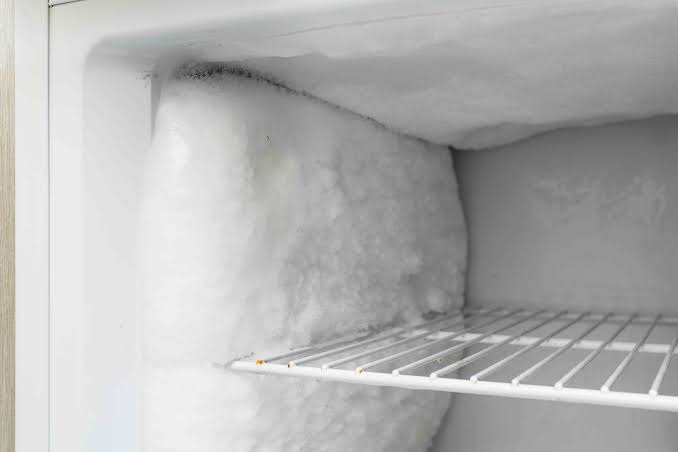
When frost becomes excessive, sometimes a proper defrost is the best solution.
Start by checking the manufacturer’s instructions. Some modern freezers are frost-free and are not designed to require manual defrosting under normal conditions.
For a freezer that does require manual defrosting, generally begin by unplugging the appliance if the manufacturer’s instructions call for it.
Remove the frozen food and keep it cold in an appropriate temporary storage area.
Place towels or suitable containers around the appliance to manage melting water.
Allow the frost to soften naturally rather than attacking it with sharp tools.
Once the ice has melted, clean the interior using an appropriate cleaning method recommended by the manufacturer. Dry the interior thoroughly before restoring power and returning food.
The exact procedure can vary between models, so the appliance manual should always take priority over generic internet tips.
Make Defrosting Less Overwhelming
One reason people postpone defrosting is that the task feels enormous.
The freezer has to be emptied. Food needs somewhere to go. Ice needs time to melt. Water has to be cleaned up. Everything needs to be dried and reorganized.
One way to make the process easier is to avoid waiting until the freezer is completely covered in ice.
If your appliance requires periodic manual defrosting, incorporating it into a broader kitchen-maintenance routine can prevent the task from becoming overwhelming.
Before beginning, prepare towels, storage containers, cleaning supplies, and a place to temporarily keep frozen food.
Preparation turns an unpleasant surprise into a manageable household task.
A Simple Freezer Maintenance Routine
You do not need to spend hours maintaining your freezer.
A few small checks can make a meaningful difference.
Every week:
Quickly check whether food containers are properly sealed and whether anything is blocking the door.
Every few weeks:
Inspect the door gasket and wipe away crumbs, spills, or debris that could interfere with the seal.
Periodically:
Check the freezer temperature and look for unusual frost patterns.
When frost begins accumulating:
Investigate the cause rather than simply removing the ice and waiting for it to return.
This last step is particularly important.
If frost comes back unusually quickly, removing it without addressing the underlying problem may only provide temporary relief.
When Frost Could Signal a Bigger Problem
Occasional frost can be normal in some freezer designs.
But unusually rapid or excessive frost deserves attention.
If you repeatedly notice heavy ice buildup despite keeping the door closed, check the gasket first. Also consider whether the freezer is being opened frequently or whether uncovered food is introducing excess moisture.
If those explanations do not fit the situation, there could be an issue with the appliance itself.
Other warning signs include unusual noises, inconsistent temperatures, persistent condensation, a door that will not close properly, or food that is not staying adequately frozen.
In those situations, consulting the manufacturer’s troubleshooting information or contacting a qualified appliance professional may be more useful than repeatedly defrosting the freezer.
The Small Habit That Can Make the Biggest Difference
Ultimately, preventing freezer frost is less about finding a magical trick and more about controlling moisture.
Keep food properly covered.
Avoid leaving the door open.
Check the gasket.
Maintain the recommended temperature.
Organize the contents so frequently used items are easy to reach.
And when a manual defrost is necessary, follow the manufacturer’s instructions rather than relying on risky shortcuts.
These habits may sound almost too simple to matter, but household maintenance often works that way. Small actions performed consistently can prevent a minor problem from becoming a major chore.
A Frost-Free Future Starts With Prevention
A freezer should make everyday life easier, not feel like another project waiting to be tackled.
When thick frost starts stealing storage space and making drawers difficult to open, it is tempting to look for a quick fix. But the most effective long-term approach is understanding where the moisture comes from and reducing the opportunities for it to accumulate.
For many households, that means paying closer attention to door-opening habits, food packaging, the condition of the door seal, and the freezer’s temperature.
And when defrosting is eventually necessary, doing it safely and according to the appliance manufacturer’s instructions can make the process much less stressful.
That thin layer of frost may seem insignificant when it first appears. But catching the problem early—and building a few simple habits around freezer care—can help keep the appliance cleaner, more spacious, and easier to use for much longer.