Fictional Story: This dramatized work is written for entertainment. The names, characters, events, and circumstances are fictional. Any resemblance to real people, organizations, or events is coincidental.

A Missing Answer at the Library Display
The answer flap hung open on the picture board, revealing nothing but a clean white rectangle beneath it. Ellen held the board against the meeting room wall while Daniel knelt beside an envelope on the floor, checking each corner as though the missing card might be tucked into a fold.
“Is there a card in there?” Ellen asked.
Daniel turned the envelope upside down over the long library table. A small strip of tape, a paper clip, and a few crumbs of eraser dust fell out. There was no answer card.
“Not in this one,” he said. “Could you hold your side a little higher?”
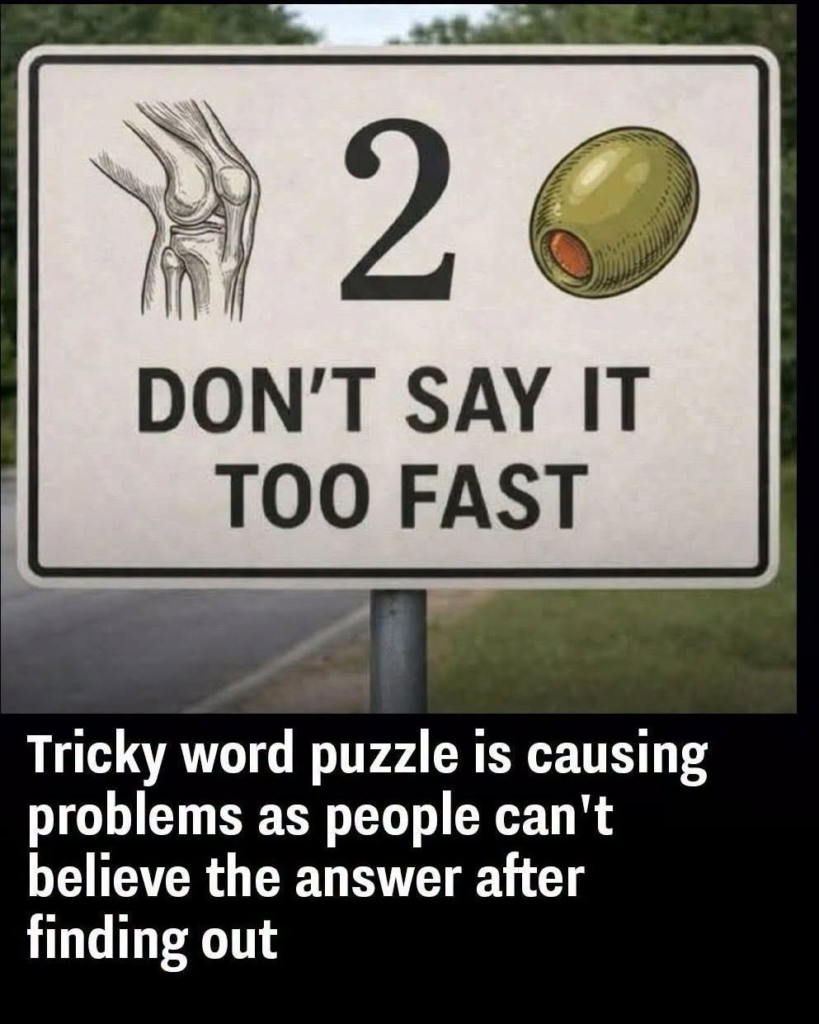
Ellen raised the left corner of the board. Under the printed instruction, DON’T SAY IT TOO FAST, three images sat in a row: a knee joint, the number two, and a green olive with a red center. The pictures were simple, brightly colored, and large enough to be seen from the doorway.
Daniel stepped back to assess the arrangement. “The olive looks good enough to eat.”
“It also looks bigger than the knee,” Ellen replied.
“That might be useful,” Daniel said. “Some visitors will be looking at it from several feet away.”
Their task appeared small: attach a word-puzzle board to the wall before the library opened its community activities for the day. Yet the empty flap changed the assignment. The display was intended to invite people to study the images, discuss possible answers, and lift the flap only after they had made a guess. Without the answer card, the board could frustrate visitors rather than encourage them.
Why Clear Instructions Matter in Community Activities
The library meeting room clock read nine. The room still carried a faint scent of coffee from the volunteer gathering held the previous afternoon. Chairs were arranged in a semicircle, and a box of large-print word games sat beside the door. The display was part of a broader effort to offer low-pressure activities for visitors who enjoyed puzzles, conversation, and informal learning.
Daniel secured the top edge of the board with tape while Ellen checked the printed form that had accompanied it. The form listed the display title, its dimensions, and a line for the volunteer responsible for setup. It also stated that the answer would be supplied on cards, allowing participants to try the puzzle before checking their response.
“Those are the cards you mean?” Ellen asked, pointing to the note.
“Yes,” Daniel said. “We do not want people lifting the flap before they have had a turn. The point is to give them time to think, not to make them feel tested.”
Ellen nodded. She had volunteered at the library long enough to know that the most successful activities were often the ones that looked easiest. A clear sign, readable lettering, a chair nearby, and simple instructions could determine whether someone joined in or quietly walked past. For people with limited vision, hearing differences, memory concerns, or anxiety about getting an answer wrong, the design of an activity mattered as much as the activity itself.
She initialed the approval form. Daniel placed it in a clear sleeve attached to the back of the board, where its dark ink showed faintly through the paper.
“Does that stay there?” Ellen asked.
“Only until Victor sees it,” Daniel answered. “He asked for the approval before the morning program begins.”
A Puzzle Designed for Conversation
The three pictures were meant to suggest a familiar phrase through sound rather than literal meaning. Picture puzzles such as rebuses have long been used in classrooms, newspapers, activity books, and community programs because they encourage people to connect visual clues with language. They can be enjoyed independently, but they also create easy opportunities for conversation.
Ellen studied the images again. “A knee, two, and an olive,” she said quietly. “It could be a sentence, or it could be a name. The warning says not to say it too fast, so perhaps it sounds different when spoken quickly.”
Daniel smiled. “That is exactly why I wanted the answer card. If we guess wrong, we could spend the whole morning confidently explaining something that was never intended.”
Neither volunteer wanted to invent an answer. The handout had been loaned by someone who had attended a previous activity session, and the original correspondence was supposed to identify both the source and the intended solution. Ellen believed that acknowledging uncertainty was better than pretending to know. In a public setting, she thought, clarity was a form of respect.
They decided to leave the flap closed until they could confirm the source material. Daniel wrote a temporary note in large letters: “Can you solve this picture phrase? Answer card arriving soon.” The wording was welcoming and honest. It allowed visitors to participate without implying that the display was incomplete because someone had made a careless mistake.
Finding the Original Handout
Daniel opened a folder labeled “Community Displays” and sorted through its contents. Inside were volunteer schedules, old flyers, a note about the previous week’s book discussion, and several photocopied activity sheets. Ellen checked the filing tray near the library office door, where donated materials were usually placed before being reviewed.
After several minutes, she found a thin stack of papers tucked inside a folder marked “Language Games.” The top sheet showed the same sequence of pictures: the knee, the number two, and the olive. In the bottom corner was a brief note explaining that the puzzle was intended as a playful sound-alike exercise and should be presented with an answer card available after participants had discussed their ideas.
The sheet did not identify a commercial publisher or a named author. Instead, it appeared to be a locally assembled activity handout, copied years earlier for a neighborhood gathering. The absence of an attribution made Ellen more cautious. She suggested that the library not reproduce or distribute additional copies until staff members could determine whether the material was original, licensed, or suitable for reuse.
That decision reflected a practical principle for community organizations: borrowed materials should be handled responsibly. Even simple worksheets, illustrations, and games may be protected by copyright or linked to a creator who deserves credit. Libraries often provide guidance on fair use, permissions, and responsible sharing, but volunteers should ask staff when the origin of a resource is unclear.
“We can still use the board today,” Daniel said, “as long as we describe it accurately and do not make more copies.”
“And we should tell Victor where we found it,” Ellen added. “He may know who brought it in.”
Making the Display More Accessible
While they waited for Victor to arrive, Ellen proposed a few improvements. The images were bright, but the text above them was smaller than it needed to be. Daniel found a marker and made a new heading on a separate card: “LOOK AT THE PICTURES. WHAT DO THEY SOUND LIKE TOGETHER?” He placed it beneath the existing title in lettering large enough to be read from across the room.
They also moved the board slightly lower on the wall. A display positioned at a more accessible height could be easier to view for children, people using wheelchairs, and visitors who preferred to examine the pictures closely. The change took less than a minute, but it made the board feel less like a notice posted out of reach and more like an invitation.
Accessibility is often achieved through practical details rather than elaborate equipment. Good contrast, readable text, plain-language instructions, uncluttered layouts, and seating nearby can help a wide range of people take part. These choices are particularly valuable in public spaces such as libraries, where visitors have varied needs and may not wish to ask for additional help.
Daniel added a small basket beneath the display with pencils and blank cards. “People can write their guesses if they do not want to say them aloud,” he said.
Ellen approved. The option created another way to participate and avoided putting anyone on the spot. A person could work privately, compare answers with a companion, or leave a question for the volunteers. The board had become more than a puzzle; it was now a modest example of how thoughtful planning can make a community activity feel open to more people.
A Volunteer Lesson in Patience and Accuracy
Victor arrived shortly after nine-thirty, carrying a clipboard and a cup of tea. He listened as Ellen and Daniel explained the missing answer card, the recovered handout, and their decision not to claim a solution they could not verify.
“You did the right thing,” he said. “If we are not certain, we say so. That is especially important in a library. People come here because they expect information to be handled carefully.”
He approved the display, provided that the temporary note remained in place until the source could be confirmed. He also suggested adding a small label that identified the activity as a word-and-picture puzzle rather than presenting it as a factual educational resource.
Throughout the morning, several visitors stopped to consider the images. Some offered quick guesses. Others lingered over the clue and laughed at their own attempts to say the pictures aloud. A parent and child worked through the sequence together. An older visitor wrote a possible answer on one of the blank cards and placed it in the basket without revealing it to anyone else.
No one seemed troubled by the temporary note. If anything, it encouraged people to treat the display as a shared mystery. Ellen noticed that participants often began by discussing the olive, perhaps because it was the most vivid image, then returned to the knee and number as they tried different sounds.
The missing answer card had not ruined the activity. It had reminded the volunteers that participation was not always about reaching a perfect conclusion. It could also be about curiosity, patience, and the confidence to ask questions when information was incomplete.
Community Libraries as Spaces for Learning and Connection
Libraries are widely recognized as places where people can access books, information, technology, and community programs. Beyond their collections, many libraries provide meeting spaces, literacy activities, study support, events for children and adults, and opportunities for social connection. These services can be especially meaningful for people seeking welcoming public spaces without pressure to spend money.
Small volunteer-led activities, including puzzles and conversation prompts, can support this role when they are thoughtfully organized. They may help visitors start a conversation, exercise language skills, or simply enjoy a quiet moment of mental challenge. The key is to provide accurate information, respect participants’ privacy, and design activities that are inclusive rather than intimidating.
For Ellen and Daniel, the day ended with a practical list for the next volunteer meeting: confirm the origin of every display item, keep answer cards with their matching materials, use larger text where possible, and create clear labels that explain how visitors can participate. The list was not dramatic, but it was useful.
As Daniel removed the board at closing time, he found several guess cards in the basket. Some answers were playful, some were uncertain, and one simply read, “I like the olive.” He showed it to Ellen, and they both laughed.
“Maybe that is the best response,” she said.
Daniel placed the cards in the folder for Victor to review. The answer flap remained closed, waiting for verified information. In the meantime, the puzzle had done what a good library activity often does: it had given people a reason to pause, look closely, and think together.
Related Life Stories

Curious Guest By The Light
A related life story about observing a familiar visitor and learning more about the natural world.

Mary Brings the Buick Manual to Friday’s Driving Meeting

Mary Left the Pumpkin Pie on the Counter Overnight
Sources
This article is fictional. The following official and educational sources offer general information about libraries, accessibility, copyright, and inclusive public services.
Disclaimer: This content is intended for entertainment purposes only and is not based on real events.