Experience at 30,000 Feet: A Lesson in Respect and Shared Spaces
Introduction: The Reality of Sharing Public Space
Air travel has become a cornerstone of modern life, offering convenience for both business and leisure travelers. However, the experience also brings together a diverse group of strangers into confined quarters for prolonged periods, making social etiquette and mutual respect crucial. This article recounts a vivid personal encounter aboard a full flight and analyzes the lessons learned about personal boundaries, self-awareness, and the broader implications for travel behavior.
Such stories resonate with many passengers; surveys and reports from travel organizations routinely highlight social conflicts and unforgettable moments that occur mid-air. Beyond entertainment, these encounters serve as educational examples of how actions and attitudes impact others in shared environments.
The Incident: An Unwanted Encounter
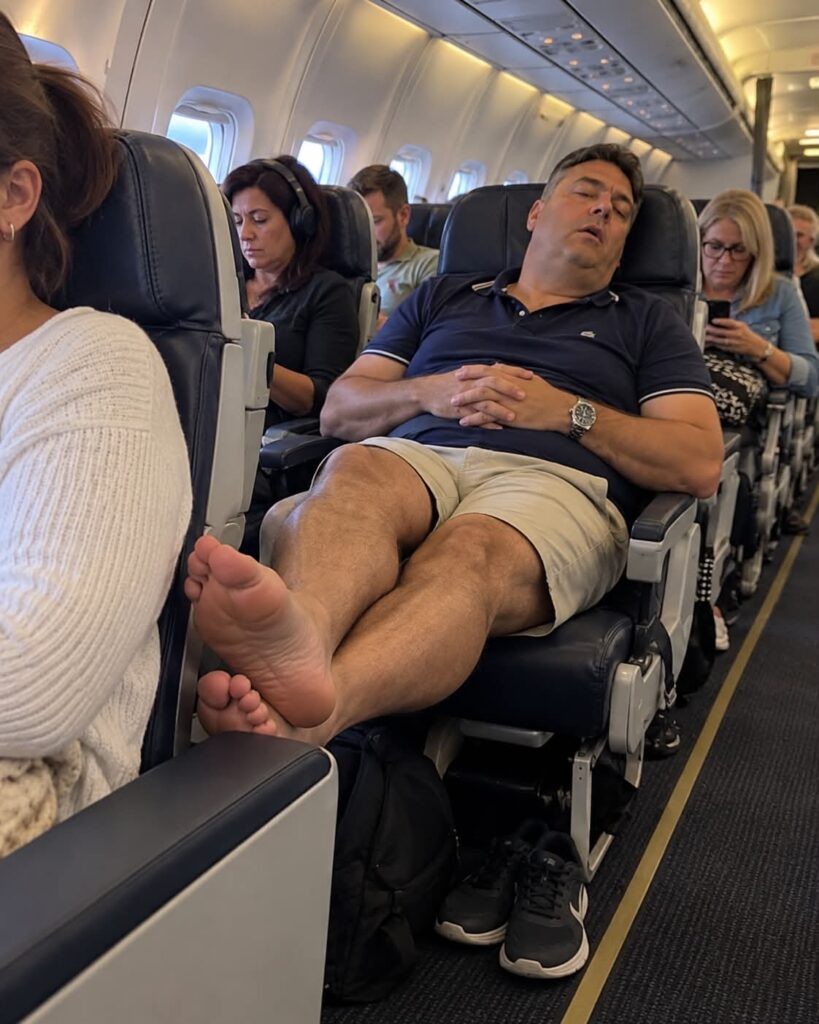
Four hours into a crowded flight, the routine was interrupted when something wet and warm touched the narrator’s elbow. A quick glance revealed five bare toes stretching across the armrest. The intrusive act was accompanied by an unpleasant smell, marking the start of a confrontation. The passenger behind—a man in his mid-forties adorned with a nice watch and large headphones—had slipped off his shoes and placed his feet on the narrator’s armrest.
Attempts to politely request that he move his foot were met with resistance. The man insisted, “Let them breathe,” suggesting that the confines of an airplane required shared tolerance. However, the reality is that airlines design seats to provide personal space meant for each individual, and such actions can be interpreted as a breach of etiquette and hygiene.
Turbulence only heightened the discomfort, and repeated requests did little to change the behavior. The situation drew the attention and irritation of other passengers, including Diane—the narrator’s seatmate—who openly expressed disgust. This exchange was not just about physical boundaries; it highlighted the importance of mutual respect and the need for greater awareness of others in close quarters.
Creative Response: Turning Frustration into Humor
The man eventually fell asleep, leaving his bare feet inches from the narrator’s arm. Desperate for relief and inspired by a touch of mischief, the narrator and Diane devised a playful yet unconventional response. From the narrator’s carry-on bag emerged a Barbie beauty kit intended as a gift for her eight-year-old daughter. The kit included bright pink polishes and oversized plastic diamond rings.
Acting as a lookout, Diane shielded the narrator, who carefully applied hot pink polish to the sleeping man’s toenails—each toe with a different shade—and adorned his feet with large plastic rings. The scene was both a testament to human creativity in stressful situations and a commentary on how humor can serve as a coping mechanism in uncomfortable circumstances.
The possibility of such acts, while extreme, underscores the need for passengers to remain mindful of how their behaviors impact those around them. Airlines and travel organizations continuously stress the importance of “personal conduct codes,” and experts in travel etiquette advise passengers to avoid actions that might be perceived as intrusive or unpleasant by their neighbors.

Reactions: The Cabin Community and Social Dynamics
Upon awakening and walking down the aisle barefoot, the man became the center of attention. The cabin lights reflected off the plastic jewels and freshly painted toes, eliciting laughter from fellow passengers. Social media and travel blogs have documented similar incidents, where outlandish behavior leads to collective amusement or outrage, reinforcing the notion that public opinion is shaped by how individuals respect shared environments.
The man’s annoyance was palpable when he realized the prank, demanding an explanation and calling for airline staff. A flight attendant professionally intervened, advising the passenger to wear his shoes and keep his feet within his own space. This response aligns with airline policy and industry standards, which prioritize passenger comfort and safety while discouraging conduct that disrupts harmony.
The episode concluded with the man attempting to remove the rings and returning to his seat visibly embarrassed. The situation transformed from awkward confrontation to communal laughter, reflecting how group dynamics on flights can influence individual behavior and resolution. Passengers agreed that such breaches of etiquette are best addressed directly and with guidance from crew members.
At Home: Sharing the Experience
Back home, the narrator shared the story with her daughter, Megan, who found the account hilarious. The Barbie kit’s unintended use on the flight highlighted the unpredictable nature of travel experiences and the emotional value of sharing stories with loved ones. These moments can become lessons in resilience, creativity, and humor in the face of adversity.
Experts in child development often recommend open communication with children about unusual events. Narratives such as this can teach empathy, boundaries, and appropriate ways to address conflict, especially when the line between acceptable behavior and discomfort is crossed.
The Office: A Surprising Reunion
The following day, the narrator returned to her workplace for an important meeting. As she approached the conference room, she overheard the same passenger from the flight recounting the incident to his colleagues. He described the nail-painting episode as an affront and expressed frustration about his perceived lack of control.
Ironically, the man was soon to become the narrator’s subordinate, as she was introduced as the new regional director. The reveal was dramatic, and his reaction was a mix of surprise and embarrassment. The narrator greeted him warmly, referencing their previous encounter and highlighting the lesson learned about boundaries and respect.
Workplace etiquette shares the same fundamentals as travel conduct—respect, consideration, and honest communication. The narrator’s decision to address the incident openly in front of colleagues served as an educational moment, illustrating how past behavior can shape professional relationships and reputations.
The man later apologized, acknowledging the discomfort caused during the flight. The narrator accepted his apology and reminded him that professional advancement depends on skill and respect, not bravado. The encounter ended on a positive note, with the narrator noting a faint pink stain near his ankle—a lasting reminder of the lesson learned.
Expert Insights: Etiquette in Shared Spaces
Airline travel etiquette is a topic of ongoing debate among passengers, travel consultants, and psychological experts. The International Air Transport Association (IATA) and leading travel guides emphasize that passengers must remain conscious of their impact on others. Common recommendations include keeping feet off armrests, refraining from strong odors, respecting personal space, and using headphones or screens responsibly.
Travel experts suggest that addressing conflicts politely and directly—rather than resorting to pranks or public shaming—often achieves the best outcomes. Crew intervention should be sought in cases of persistent discomfort. Many airlines provide training to cabin staff in conflict resolution and maintaining a welcoming atmosphere.
Societal reactions to breaches of etiquette are broadly critical, as seen in online forums and passenger satisfaction surveys published by airlines and consumer groups. Incidents of passenger misconduct sometimes go viral and are used as cautionary tales, sparking public discourse on acceptable norms and the importance of empathy in shared environments.
Ultimately, the principles of respect, self-awareness, and consideration apply to all communal settings, whether in the air or on the ground. The story recounted here serves not only as entertaining reading but also as a guide to responsible conduct, supporting safer and more pleasant experiences for all travelers.
Conclusion: Lessons for Modern Travelers
The journey described in this article illustrates the complex dynamics at play in public spaces such as airplanes. Personal boundaries should be respected, and when conflicts arise, humor and direct communication can help resolve them without escalating tensions. The experience also underscores the lasting impact that memorable encounters can have, both personally and professionally.
As air travel continues to grow, passengers are encouraged to observe airline etiquette, appreciate individual comfort, and remember the shared nature of the space. By maintaining respect for all, travelers contribute to a more harmonious and enjoyable journey.

Sources
Disclaimer: This content is intended for entertainment purposes only and is not based on real events.