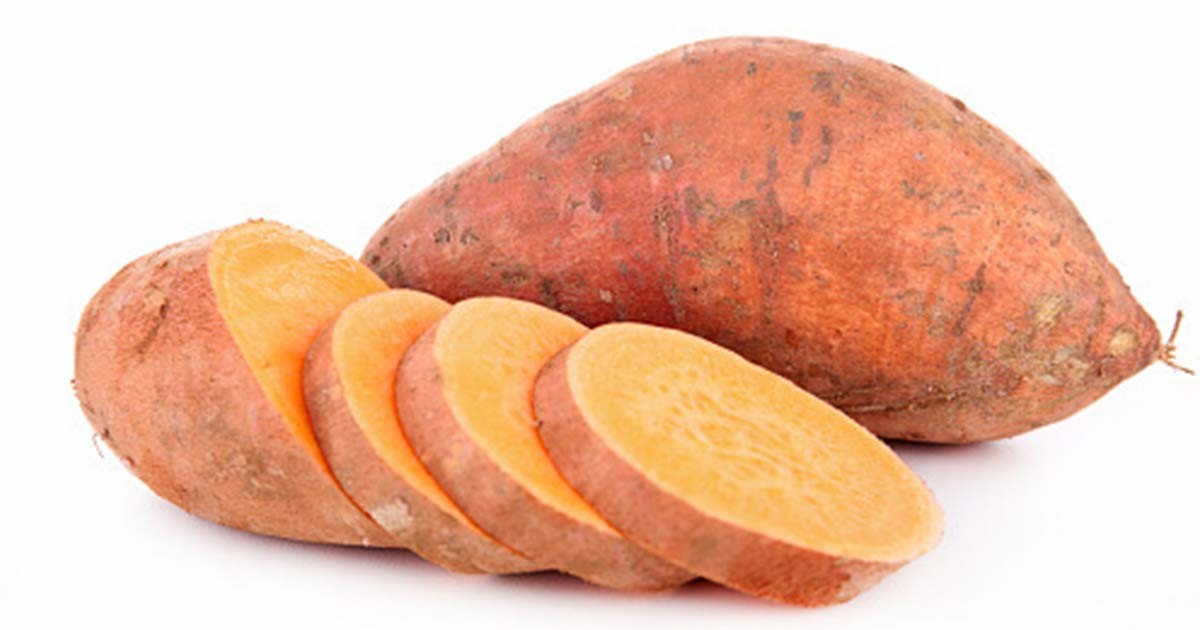
Sweet potatoes have been enjoyed for thousands of years, and it’s easy to understand why they remain a favorite around the world.
These naturally sweet root vegetables are versatile, filling, and available in a wide range of colors. They can be roasted, baked, steamed, mashed, or incorporated into everything from soups and salads to hearty main dishes.
Sweet potatoes belong to the Convolvulaceae family and are believed to have originated in South and Central America. Today, hundreds of varieties are cultivated worldwide, ranging from familiar orange-fleshed potatoes to purple, yellow, and white varieties.
Beyond their pleasant flavor and versatility, sweet potatoes also provide a variety of important nutrients. Here are some reasons they can be a nutritious addition to a balanced diet.
May Help Support a Healthy Inflammatory Response

One reason sweet potatoes attract nutritional interest is their variety of naturally occurring plant compounds.
Purple sweet potatoes, in particular, contain anthocyanins, antioxidant compounds responsible for their deep purple color. Research has investigated these compounds for their potential role in supporting the body’s natural defenses against oxidative stress and inflammation.
Orange-fleshed sweet potatoes offer a different nutritional advantage. They are particularly rich in beta-carotene, a carotenoid that the body can convert into vitamin A.
Vitamin A plays several important roles in normal health, including supporting vision and immune function.
Because beta-carotene is fat-soluble, pairing orange sweet potatoes with a small amount of healthy fat, such as olive oil, may help the body absorb these carotenoids more efficiently.
A Great Source of Beta-Carotene

The vibrant orange color of many sweet potatoes comes from beta-carotene.
Once consumed, the body can convert beta-carotene into vitamin A as needed. This nutrient is essential for maintaining normal vision, supporting the immune system, and helping maintain healthy skin and other tissues.
The amount of beta-carotene can vary considerably between sweet potato varieties, so the nutritional profile isn’t identical across every type.
Still, orange-fleshed varieties are an especially convenient way to add more provitamin A carotenoids to your meals.
Naturally Rich in Nutrients
Sweet potatoes provide more than just beta-carotene.
They contain carbohydrates that provide energy, along with dietary fiber and several vitamins and minerals. They can therefore be a satisfying component of a balanced meal.
Their fiber content can also contribute to feelings of fullness, particularly when sweet potatoes are eaten alongside protein, vegetables, and healthy fats.
Rather than treating them as a standalone “superfood,” it’s best to think of sweet potatoes as one nutritious option among many plant foods.
Different Colors, Different Plant Compounds
Not all sweet potatoes look or taste the same.
Orange varieties are known for their beta-carotene content, while purple varieties contain anthocyanins. White and yellow varieties have their own nutritional profiles as well.
This variety makes sweet potatoes particularly interesting for anyone who enjoys experimenting with different ingredients.
Adding different colors of fruits and vegetables to your meals is also a simple way to increase the range of plant compounds in your overall diet.
An Easy Ingredient for Everyday Meals
Perhaps one of the biggest advantages of sweet potatoes is how easy they are to prepare.
You can roast cubes of sweet potato with olive oil and herbs for a simple side dish, mash them as an alternative to traditional potatoes, or add them to soups and stews.
They can also be combined with beans, lentils, leafy greens, eggs, chicken, or fish to create a more complete meal.
Their natural sweetness works well with both savory and mildly sweet flavors, making them remarkably versatile in the kitchen.
How to Enjoy Sweet Potatoes as Part of a Balanced Diet


Sweet potatoes can certainly be part of a healthy eating pattern, but preparation matters.
A baked or roasted sweet potato paired with vegetables and a protein source is very different nutritionally from a heavily sweetened sweet potato casserole or a preparation loaded with butter and added sugar.
For an everyday option, try keeping the preparation simple. Roasting or steaming sweet potatoes preserves their naturally appealing flavor while allowing you to control how much added fat, salt, or sugar goes into the dish.
Ultimately, there is no need to rely on one food for a specific health outcome.
Sweet potatoes are simply a nutrient-rich, versatile vegetable that can add color, flavor, fiber, and important vitamins to a varied diet.
Whether you prefer bright orange, deep purple, creamy white, or golden-yellow varieties, adding sweet potatoes to your meals can be a delicious way to enjoy more plant-based foods.