There is something easy to forget about the liver: it rarely asks for attention.
Unlike the heart or lungs, you do not normally notice your liver working throughout the day. Yet this large organ is involved in processing nutrients, supporting metabolism, helping manage substances in the bloodstream, and carrying out many other essential tasks.
That quiet role has contributed to plenty of myths about “liver cleansing” foods and supposedly harmful ingredients. Some traditional health practices have even portrayed certain foods as either completely good or completely bad for the liver.
The scientific picture is more nuanced.
There is no single ordinary food that automatically “damages” a healthy liver simply because you eat it once. Instead, researchers and health organizations generally focus on overall dietary patterns, portion sizes, metabolic health, and how frequently certain foods are consumed.
For people concerned about liver health, the goal is therefore not to fear individual ingredients. It is to build eating habits that support a healthy weight, balanced nutrition, and good metabolic health.
Here are three categories worth paying closer attention to, along with what science actually says about them.
1. Processed and Fatty Meats
Bacon, sausages, salami, hot dogs, and similar processed meats can be convenient and flavorful, but they may contain substantial amounts of saturated fat and sodium.
The concern is not that eating a sandwich containing processed meat will suddenly harm your liver. The bigger issue is what happens when these foods become a regular part of a diet that is also high in calories and low in fiber-rich foods.
The World Health Organization recommends limiting foods high in saturated fat and emphasizes replacing less healthy fats with unsaturated fats where possible. It also recommends limiting processed meat as part of a balanced eating pattern.
Why Does This Matter for the Liver?
One important condition associated with metabolic health is metabolic dysfunction-associated steatotic liver disease, commonly abbreviated as MASLD.
MASLD involves excess fat accumulating in the liver and is closely connected with factors such as excess body weight and metabolic problems.
According to the U.S. National Institute of Diabetes and Digestive and Kidney Diseases, healthy eating, appropriate portion sizes, maintaining a healthy weight, and regular physical activity can help prevent or improve this condition.
That means the concern with fatty or processed meats is usually indirect rather than immediate.
A meal containing bacon is not automatically a liver problem. But regularly eating large portions of energy-dense foods can make it more difficult to maintain a healthy overall diet.
A More Balanced Approach
You do not necessarily have to eliminate processed meat completely.
Instead, consider treating it as an occasional food rather than the main protein source at every meal.
You can alternate with fish, beans, lentils, eggs, poultry, nuts, or other minimally processed protein sources. This approach also adds variety to your diet.
2. Foods and Drinks High in Added Sugar
Sugar is another area where context matters.
A piece of fruit and a sugar-sweetened soft drink should not automatically be treated as nutritionally identical simply because both contain carbohydrates or naturally occurring sugars.
The World Health Organization recommends limiting free sugars to less than 10% of total daily energy intake, with additional benefits potentially available at lower levels. Free sugars include sugars added to foods and beverages as well as those naturally present in honey, syrups, and fruit juices.
Common sources include soft drinks, sweetened beverages, candy, pastries, desserts, and many packaged snacks.
How Can Excess Sugar Fit Into the Bigger Picture?
Foods and drinks containing large amounts of free sugar can provide substantial energy without necessarily providing many nutrients or much dietary fiber.
When consumed frequently, excess energy can contribute to unhealthy weight gain. This matters because body weight and metabolic health are closely connected to fatty liver conditions.
This is one reason replacing sugary beverages with water or unsweetened drinks can be a simple dietary change.
You do not need to view every sweet food as a threat.
A birthday dessert, occasional pastry, or favorite treat can fit into an otherwise balanced diet. The bigger question is whether sugary products have quietly become everyday staples.
What About Fruit?
This is where simplistic “sugar is bad” messages can become misleading.
Whole fruits contain naturally occurring sugars but also provide fiber, vitamins, minerals, and other beneficial compounds. WHO recommends including fruits and vegetables as part of a varied diet.
Fruit juice is different because the processing can make it easier to consume a larger amount of sugar quickly, even when no additional sugar has been added. WHO therefore recommends limiting free sugars, including those naturally present in fruit juices.
For everyday meals, whole fruit is generally a more nutritious choice than relying heavily on sweetened beverages.
3. Highly Processed and Fried Foods
Few foods are as closely associated with convenience as fried snacks.
French fries, fried appetizers, packaged snacks, and other heavily processed foods can be enjoyable, but frequent consumption may make it easier to consume excessive calories, saturated fat, sodium, and other nutrients that health organizations recommend limiting.
WHO specifically recommends limiting foods high in unhealthy fats, free sugars, and sodium and encourages people to reduce their intake of highly processed foods.
Again, the important word is pattern.
Eating fries occasionally does not mean you are harming your liver.
The concern becomes greater when fried foods regularly replace vegetables, whole grains, legumes, fish, and other nutrient-rich foods.
Cooking Method Matters Too
You don’t have to completely change the foods you enjoy.
Sometimes changing how food is prepared can make a meaningful difference.
WHO recommends methods such as steaming or boiling instead of frying when appropriate and suggests replacing sources of saturated fat with healthier unsaturated fats.
For example, roasted potatoes can provide a different nutritional profile from heavily fried potatoes, especially when portion sizes and added fats are considered.
Small changes can therefore be more sustainable than attempting to completely redesign your diet overnight.
The Bigger Myth: Is There One “Worst” Food for Your Liver?
This is where many online health stories become unnecessarily dramatic.
There is no universally recognized single food that should be labeled the “worst food for your liver.”
Your liver does not evaluate one meal in isolation.
Your overall dietary pattern, physical activity, body weight, metabolic health, and other lifestyle factors all matter.
NIDDK explains that preventing or managing fatty liver disease can involve healthy food choices, appropriate portions, maintaining a healthy weight, and physical activity.
This is very different from the idea that eating one particular food occasionally will automatically create a liver problem.
In other words, frequency and overall pattern matter more than fear.
What Foods Support a Liver-Friendly Diet?
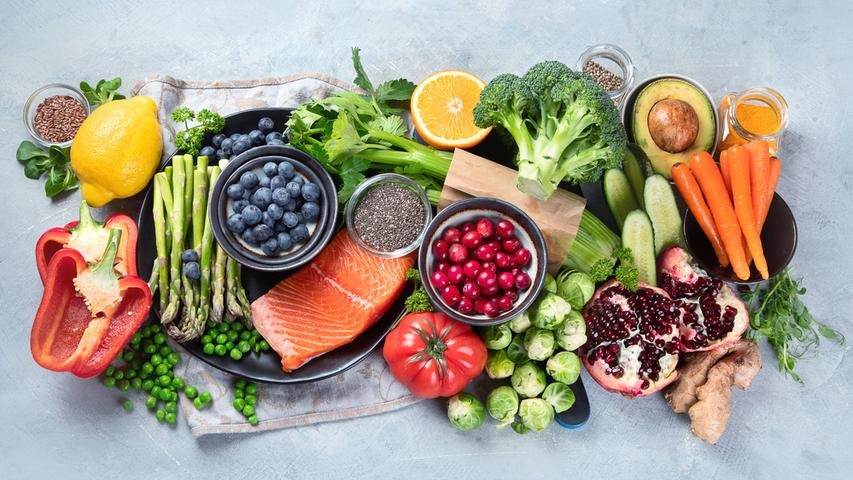
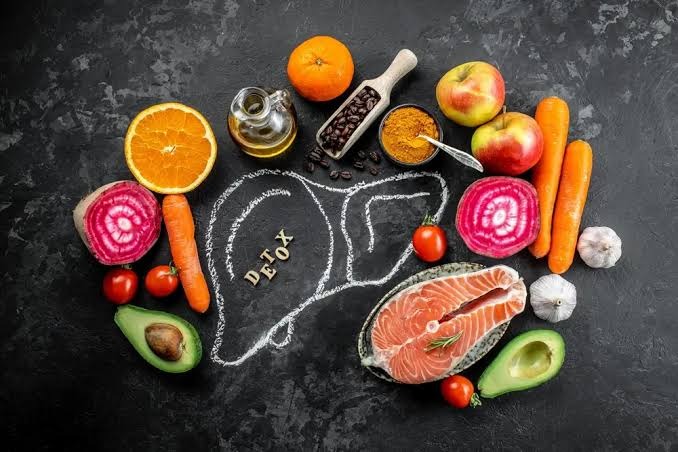
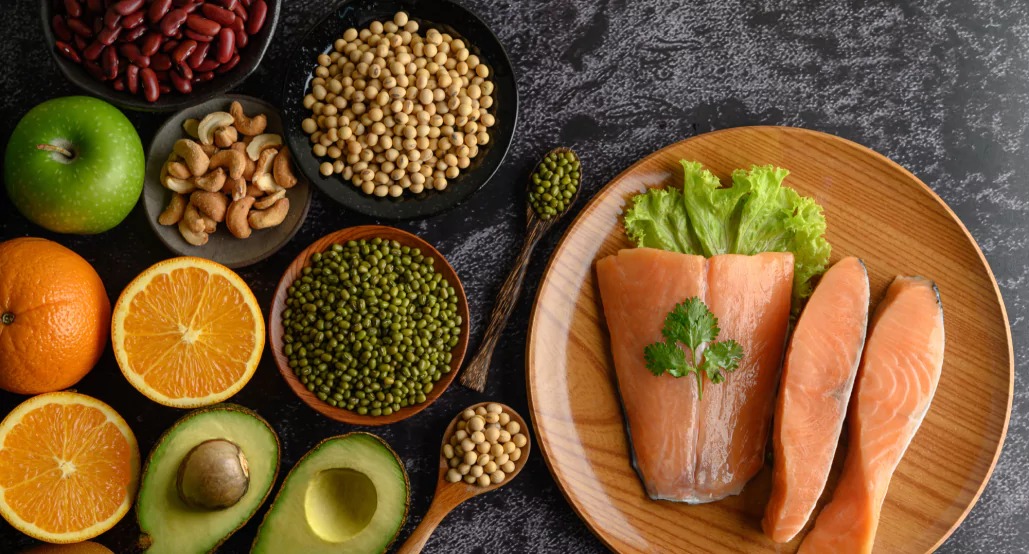
Rather than focusing entirely on foods to remove, it can be more helpful to think about what you can add.
A balanced eating pattern can include:
Vegetables and leafy greens
Whole fruits
Beans and lentils
Whole grains
Nuts and seeds
Fish
Lean protein sources
Unsaturated plant oils
Minimally processed foods
These recommendations are consistent with broader healthy-diet guidance from WHO, which emphasizes variety, fruits and vegetables, whole grains, legumes, nuts, and healthier sources of fat.
A diverse diet also makes it easier to obtain different vitamins, minerals, fiber, and other nutrients.
Water Can Be an Easy Upgrade
One of the simplest changes may be sitting right beside you.
If you regularly drink soda, sweetened tea, flavored drinks, or other beverages containing substantial amounts of free sugar, replacing some of them with water can reduce your sugar intake without requiring you to completely change your meals.
Unsweetened tea or other unsweetened beverages can also provide variety.
The goal isn’t perfection.
It’s about making healthier choices more often.
What About Alcohol and Liver Health?
Alcohol deserves separate consideration because it affects the liver through a different pathway from the dietary issues discussed above.
If you drink alcohol, moderation is important, and people with certain liver conditions may need to avoid it entirely depending on their healthcare professional’s advice.
Because individual circumstances vary, someone who already has liver disease should discuss alcohol consumption with their healthcare provider rather than relying on general online guidance.
Can Exercise Help Your Liver?
Diet is only one part of the picture.
Physical activity can support overall metabolic health and can be beneficial for people with fatty liver disease. NIDDK notes that physical activity can help even when it does not result in weight loss.
For someone who spends much of the day sitting, adding regular movement may therefore be a useful part of a broader healthy lifestyle.
It does not have to mean an extreme exercise program.
Walking, cycling, swimming, strength training, recreational activities, or other forms of movement can all contribute to an active lifestyle.
When Should You Talk to a Healthcare Professional?
If you have been told that your liver tests are abnormal, or if you have already been diagnosed with a liver condition, dietary advice should be personalized.
Different liver conditions have different causes and nutritional considerations.
It is also important to be cautious about products marketed as “liver cleanses” or supplements promising to remove toxins. NIDDK specifically advises discussing dietary supplements with a doctor because some herbal products can themselves cause liver problems.
Rather than trying an unproven cleanse, a healthcare professional can help determine why liver tests are abnormal and what changes are appropriate.
A Healthier Way to Think About Food and the Liver
The most useful lesson is surprisingly simple.
You don’t need to be afraid of individual foods.
You don’t need to completely eliminate every food that contains fat or sugar.
And you don’t need an extreme “detox” routine to support your liver.
Instead, focus on the overall pattern.
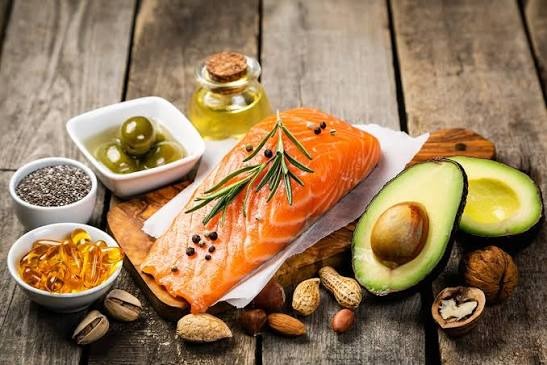
Eat more vegetables, fruits, whole grains, legumes, nuts, and other minimally processed foods. Choose healthier sources of fat. Limit foods and drinks high in free sugars. Keep highly processed and fried foods as occasional choices rather than everyday staples. Pay attention to portions and stay physically active.
These habits are consistent with recommendations from major health organizations and can support not only liver health but overall metabolic well-being.
Final Thoughts
The liver is one of the body’s quiet workhorses, performing important tasks without demanding much attention in return. Perhaps that is why people have created so many myths around protecting it.
From traditional ideas about cleansing foods to modern claims about “miracle” diets, humans have always searched for simple answers to complicated questions.
Science tells us that the reality is more balanced.
No single ordinary food determines the fate of your liver. What matters far more is the pattern you create over time.
The occasional dessert, serving of fries, or processed-meat meal does not define your health. What you repeatedly choose, how much you consume, and what those foods replace in your diet can matter considerably more.
In the end, caring for your liver is less about searching for one magical food and more about building sustainable habits.
And perhaps that is one of the most interesting things about nutrition: the answer is rarely hidden in one ingredient. It is found in the bigger picture.