The Role of Nutrition and Lifestyle in Supporting Healthy Blood Flow and Clot Prevention
Understanding the Circulatory System and Blood Clotting
The human circulatory system plays a central role in maintaining life and health. Through a network of blood vessels, it continuously delivers oxygen and essential nutrients to organs, tissues, and cells while enabling the removal of waste products. The heart functions as the system’s pump, ensuring that blood is circulated effectively at all times.
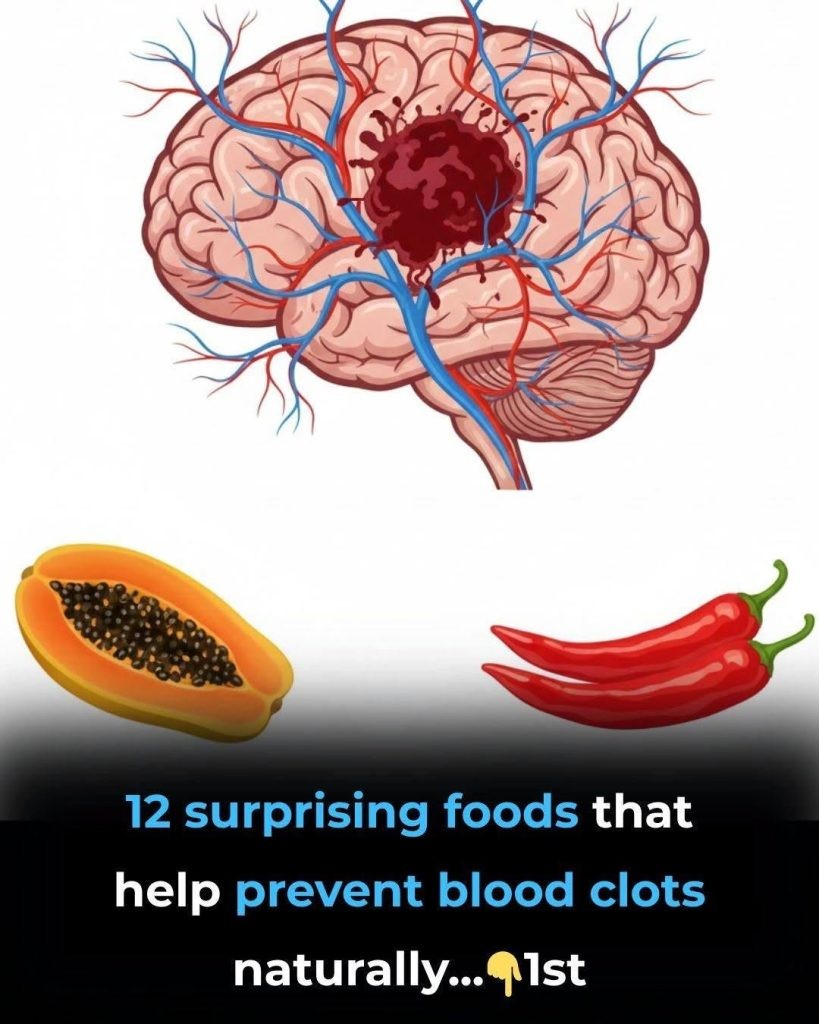
Blood clotting, medically known as coagulation, is a highly regulated and vital process. When an injury occurs, the body initiates a cascade of events to form clots, preventing excessive blood loss. However, when blood clots develop within intact vessels—especially in veins or arteries—serious complications can arise. These unwanted clots, called thrombi, may disrupt blood flow and increase the risk of conditions such as deep vein thrombosis, pulmonary embolism, heart attack, or stroke.
What Determines Blood Flow and Clot Risk?
Everything from genetics to activity level to dietary habits affects blood flow and the tendency of blood to clot. Medical authorities, including the Centers for Disease Control and Prevention (CDC) and the World Health Organization (WHO), emphasize that healthy lifestyle choices are crucial for preventing cardiovascular diseases and supporting circulatory health.
While some medications are prescribed for blood thinning or clot prevention, no single food can thin the blood or dissolve existing clots. Diet, however, can play a significant supportive role in promoting healthy circulation and vascular function, as well as reducing the factors associated with clot formation.
Nutritional Strategies to Support Circulatory Health
Research in nutritional science continues to uncover how specific foods and nutrients can influence cardiovascular wellness and help maintain proper blood flow. The following foods are commonly recognized for their beneficial effects according to experts:
Fatty Fish and Omega-3 Fatty Acids
Fatty fish, including salmon, sardines, mackerel, and herring, are rich in omega-3 fatty acids. Numerous studies have demonstrated that these essential fats help lower triglycerides, decrease inflammation, and support normal blood vessel function. Omega-3s may also contribute to reduced platelet aggregation, a process involved in clot formation, thus aiding overall heart health. For these reasons, the Mayo Clinic recommends regular consumption of oily fish as part of a balanced diet.
Berries and Antioxidants
Berries such as blueberries, strawberries, and raspberries are packed with antioxidants, fiber, and vitamins. These compounds protect blood vessels from oxidative stress and damage, which, if unchecked, can lead to inflammation and increased clot risk. The high levels of vitamin C in berries also contribute to maintaining healthy blood vessel walls.
Garlic and its Cardiovascular Benefits
Garlic has a long history of use in traditional diets and is renowned for its health-promoting properties. The compound allicin, found in fresh garlic, is studied for its potential to support vascular health by promoting normal blood pressure and possibly reducing the tendency of platelets to clump together. Several clinical studies are ongoing to further clarify garlic’s role in cardiovascular support.
Leafy Greens and Essential Nutrients
Leafy green vegetables like spinach, kale, and Swiss chard are excellent sources of vitamins (such as vitamin K, which helps regulate clotting), minerals, and plant compounds. They deliver antioxidants that protect the vascular lining and support overall circulatory wellness. By providing potassium, leafy greens also support healthy blood pressure levels and reduce the workload on the heart.
Nuts, Olive Oil, and Healthy Fats
Walnuts, almonds, and other nuts contain healthy monounsaturated and polyunsaturated fats as well as vitamin E. Olive oil is a staple of the Mediterranean diet, which is widely recognized for its cardiovascular benefits. These fats help lower LDL (“bad”) cholesterol, improve blood vessel flexibility, and support vascular function.
Tomatoes and Lycopene
Tomatoes are rich in lycopene, a powerful antioxidant associated with reduced risk of heart disease. Lycopene helps prevent oxidative damage to blood vessels and may assist in maintaining healthy blood flow.
Dark Chocolate and Flavanols
When consumed in moderation, dark chocolate provides flavanols—plant compounds that encourage healthy blood vessel function and improve circulation. It is important, however, to choose chocolate with high cocoa content and low added sugar for maximal benefit.
Citrus Fruits and Vitamin C
Citrus fruits such as oranges, grapefruits, lemons, and limes offer vitamin C, fiber, and phytonutrients. These support blood vessel integrity and may help lower blood pressure. A diet abundant in citrus also provides folate and potassium, which contribute to vascular health.
Avocados and Blood Pressure Regulation
Avocados are a source of potassium, healthy fats, and fiber—a combination which supports the regulation of blood pressure and promotes satiety. Their nutrient profile is linked to improved cholesterol levels and reduced cardiovascular risk.
Green Tea and Turmeric
Green tea contains catechins, antioxidants linked to healthy blood vessel activity and reduced plaque formation. Turmeric offers curcumin, a compound with anti-inflammatory and antioxidant effects that continues to be studied for its potential to support vascular health.
Hydration and Its Impact on Circulatory Health
Maintaining proper hydration is essential for optimal circulatory function. Dehydration can thicken the blood, potentially increasing the risk of clot formation and making it harder for the heart to pump blood efficiently. Drinking enough water aids in smooth blood flow and supports the health of blood vessels.
Lifestyle Habits That Protect the Circulatory System
Nutrition is only one component of cardiovascular wellness. Medical experts agree that daily lifestyle choices profoundly influence blood flow, clotting risk, and overall heart health:
- Regular Exercise: Physical activity strengthens the heart, keeps blood vessels flexible, and reduces clotting risk. The CDC recommends at least 150 minutes of moderate exercise per week for most adults.
- Quality Sleep: Adequate sleep enables the body to repair tissues, regulate hormones, and manage inflammatory processes. Poor sleep is linked to increased cardiovascular risk.
- Stress Management: Chronic stress causes blood vessels to constrict and blood pressure to rise. Mindfulness, meditation, and relaxation strategies help mitigate these effects.
- Avoiding Smoking: Tobacco smoke damages blood vessels and significantly raises the risk of clot formation and cardiovascular disease. Quitting smoking is one of the most important steps for circulatory health.
- Healthy Weight:** Maintaining a healthy weight reduces strain on the heart and blood vessels, preventing many risk factors for clot formation.
Expert Views and Societal Reactions
International organizations such as the WHO, CDC, and BBC Health consistently advocate for comprehensive strategies in managing cardiovascular health. The Mediterranean diet, which focuses on whole grains, fruits, vegetables, nuts, and olive oil, is frequently lauded for its positive impact on circulation and reduction of clot risk. Public health campaigns worldwide underscore the importance of educational outreach, routine screenings, and access to healthy foods.
Medical professionals urge individuals to consult healthcare providers before making significant changes to diet or taking supplements, particularly if they have existing health concerns or take medications affecting clotting or blood pressure. The integration of dietary choices with other lifestyle modifications is seen as the most reliable path to long-term circulatory wellness.
Realistic Expectations and Final Recommendations
No single food item or supplement can guarantee thin blood or prevent dangerous clots. However, adopting a diet rich in the foods mentioned above, combined with healthy daily habits and medical guidance, creates a powerful foundation for optimal circulation and cardiovascular function.
Studies show that consistency, variety, and moderation are key elements for success. Focusing on whole foods, regular activity, and stress management elevates both heart health and quality of life. The ongoing global effort to educate and promote healthy circulatory practices continues to have a positive effect on populations worldwide.
Conclusion
Supporting a healthy circulatory system and reducing clot risks requires a holistic strategy rooted in science-backed nutrition and lifestyle approaches. Foods that supply omega-3 fatty acids, antioxidants, fiber, vitamins, and healthy fats all play a complementary role in protecting blood vessels and promoting healthy blood flow. When paired with hydration, exercise, stress management, and avoidance of harmful habits, these choices collectively underlie cardiovascular wellness. For best results, regular check-ups and guidance from medical professionals are advised.
Sources
- Centers for Disease Control and Prevention (CDC)
- World Health Organization (WHO)
- Mayo Clinic
- Reuters Health
- BBC Health
- National Institutes of Health (NIH)
- The Guardian Health
Disclaimer: This content is intended for entertainment purposes only and is not based on real events.