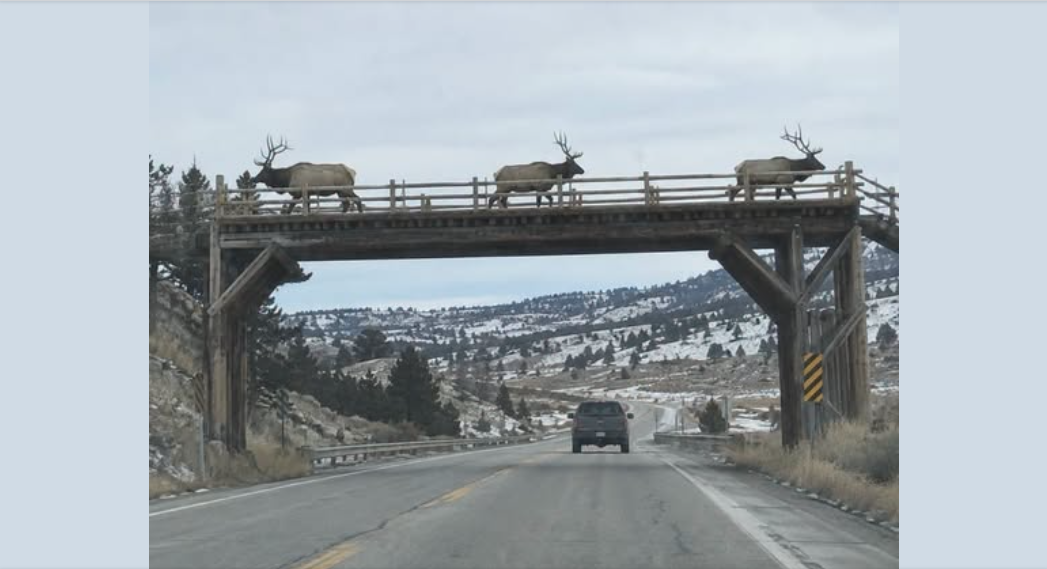
Hire this guy to build more.
The Challenge of Roads for Wildlife
Wildlife around the globe face an ever-increasing challenge as landscapes are transformed by development, with highways and busy roads splintering their natural habitats. Every year, countless deer, elk, bears, mountain lions, and other animals risk their lives traversing these dangerous barriers while seeking food, water, and shelter. These crossings not only endanger animals but also raise the risk of vehicle accidents for motorists, resulting in property damage, injuries, and in some instances, fatalities.
Ecologists and transportation experts have documented how roads fragment migration routes and reduce the genetic diversity of animal populations. According to the U.S. Department of Transportation, animal-vehicle collisions cause over one million accidents annually just in the United States, highlighting the magnitude of this issue. Navigating these human-constructed barriers is an unintended and often perilous consequence of modern infrastructure expansion.
A Homemade Solution: The Story of a Wyoming Man
In rural Wyoming, one resident became so frustrated by repeated delays caused by elk crossing the highway near his property that he took matters into his own hands. During winter, he found himself consistently late for work as herds of elk ambled across the roadway, creating traffic jams and posing risks both to themselves and passing vehicles.
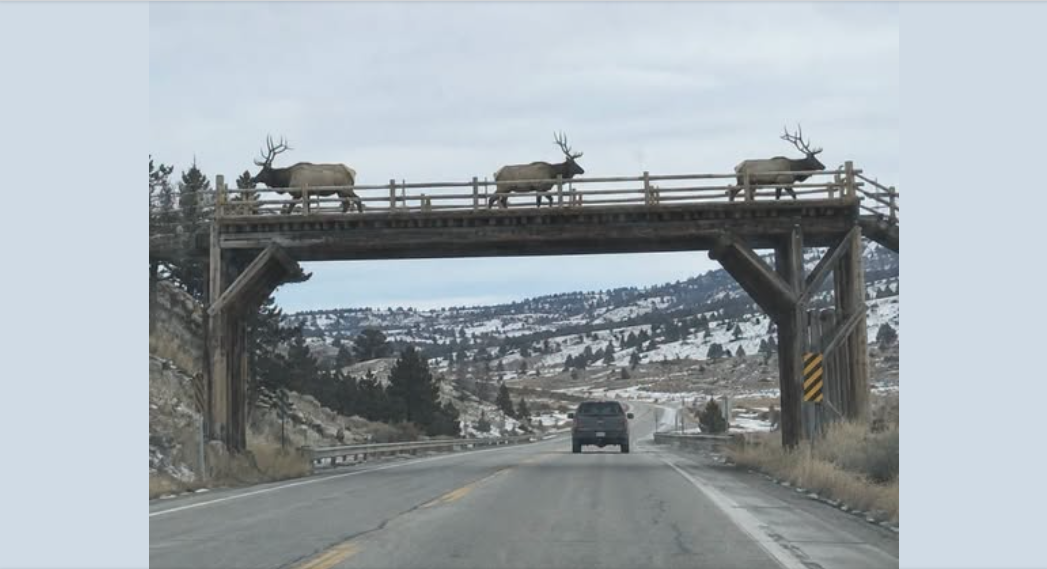
Without waiting for a governmental solution, the man devoted three months of his summer constructing a narrow, wooden bridge approximately 14 feet above the rural highway near his home. The project, which cost him around $4,700 and used more lumber than he initially anticipated, was designed to allow elk a safe passage without interfering with daily traffic flow.
At first, state wildlife officials thought the new structure was part of an unfinished utility installation. Their curiosity was piqued after local trail cameras revealed several elk utilizing the bridge. The man reported that his commute time improved by almost seven minutes since the bridge had been operational—demonstrating the surprising effectiveness of his homemade wildlife crossing.
Legal Complications: The Permit Dilemma
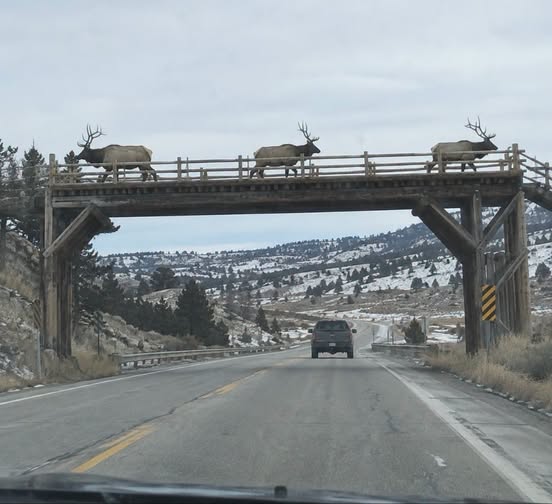
Despite his good intentions and immediate local benefits, the man was soon asked by authorities to remove the crossing. The reason: he had not obtained the necessary permits required for building over a public highway. Permit laws are designed to ensure that structures over public roads meet safety standards and account for broader community interests. The man appealed the request, humorously pointing out that the elk did not require permits for using the crossing. During the official inspection, three elk were actually observed standing on the bridge, exemplifying its practical success.
This situation highlights a tension frequently faced in conservation and infrastructure management. Grassroots solutions often quickly address real-world problems but can come into conflict with regulations and established planning practices. The incident sparked a debate: should homeowners be allowed more flexibility in protecting wildlife, or do public safety and systemic management always take precedence?
The Importance and Effectiveness of Wildlife Crossings
Wildlife crossings—ranging from underpasses and bridges to tunnels and green corridors—have become a widely supported strategy in modern transportation planning. Their primary function is to reconnect fragmented habitats, allowing for safe migration and movement of wildlife. These crossings are carefully engineered based on species behavior and local ecosystem needs and are often accompanied by fencing to direct animals toward safer routes.
Scientific studies indicate that properly designed wildlife crossings significantly reduce collisions between vehicles and animals. In Banff National Park, for example, the implementation of overpasses and underpasses has reduced wildlife-vehicle collisions by more than 80%, according to research published in the journal Biological Conservation. In Europe, countries like the Netherlands have built “ecoducts”—vegetated bridges specifically designed for mammals, amphibians, and insects—demonstrating global recognition of the value of these approaches.
Expert Views on Grassroots Initiatives
Ecologists and transportation planners agree that grassroots initiatives can play an important role in sparking innovation and public support. Dr. Tony Clevenger, a leading expert on wildlife crossings, has spent decades studying their efficacy and states, “Community-driven projects highlight both the demand for and feasibility of wildlife crossings, but must be integrated into broader transportation planning to ensure safety.”
While enthusiasm is high for any effort that successfully protects wildlife, ensuring bridge stability, visibility for motorists, load-bearing specifications, and impact on road integrity are all critical considerations. Local and state departments of transportation typically require permits to assess these criteria. Dr. Clevenger adds, “Homemade solutions are a testament to public commitment but should work in tandem with regulatory agencies for the greatest benefit to all.”
Balancing Conservation and Regulation
This Wyoming story reflects a growing sentiment that more must be done to integrate wildlife and human needs in landscape planning. While individual action is admirable, official support, public-private cooperation, and strategic funding are essential for widespread adoption of wildlife crossings. Government agencies and wildlife organizations emphasize the importance of community involvement alongside professional assessments to ensure projects are sustainable, effective, and legally compliant.
In the Wyoming case, the man’s appeal to keep the crossing active while a permit solution is found demonstrates a collaborative spirit. Official responses may include evaluating the bridge’s safety and working with the individual to retrofit or redesign it according to code, potentially setting a precedent for streamlined community-led conservation efforts.
International Perspectives and Societal Reactions
Internationally, wildlife crossings are considered an essential element of coexistence between human activities and natural ecosystems. In Canada, the United States, and across Europe, multi-million-dollar infrastructure projects now routinely include animal corridors and overpasses to minimize ecological disruption. Public support for such measures is high, reflecting a shift in societal values toward greater environmental stewardship.
Social media and public forums responded enthusiastically to the Wyoming man’s homemade bridge, with some calling for exemptions or waivers to regulatory hurdles. “He just proved the elk will and do use bridges,” one commentator noted, urging authorities to build more crossings rather than remove the existing one. Many also offered thanks and praise for an individual taking direct action to save wildlife.
Nonetheless, experts caution that permitting processes exist for good reasons. A balanced approach ensures animal crossings are effective, durable, do not endanger motorists, and complement larger conservation strategies.
Future Trends: Supporting Safe Migration for All Species
The Wyoming case, and its outpouring of public interest, is part of a broader trend urging investment in infrastructure that accommodates both wildlife and transportation needs. With the continuing expansion of highways and urban areas, experts recommend increased funding for wildlife crossing research, updated regulatory frameworks to accommodate innovative solutions, and education campaigns that raise awareness about the need for shared landscapes.
Communities wishing to replicate these successes can get involved by supporting local conservation groups, advocating for wildlife-friendly infrastructure, and encouraging policymakers to prioritize coexistence initiatives. As experience in Canada, Europe, and the United States shows, the combination of individual tenacity, scientific design, and governmental leadership is key to reconnecting migration routes and making roads safer for everyone.
Conclusion: Bridging the Gap Between People and Nature
In conclusion, the Wyoming man’s homemade wildlife bridge demonstrates both the challenges and potential of grassroots conservational solutions. While legal frameworks and public safety cannot be ignored, the episode has catalyzed discussion about how best to build a future where animals and people safely share the landscape. The evidence shows that wildlife crossings—when well-designed and properly regulated—significantly benefit both human and animal populations. Forums, communities, and policymakers continue to examine this case for insights into how best to streamline approvals for ecological infrastructure, inviting ongoing innovation and stewardship for generations to come.
Sources
- Reuters
- BBC
- The Guardian
- Al Jazeera
- World Health Organization (WHO)
- United States Department of Transportation
- National Park Service (NPS)
Disclaimer: This content is intended for entertainment purposes only and is not based on real events.