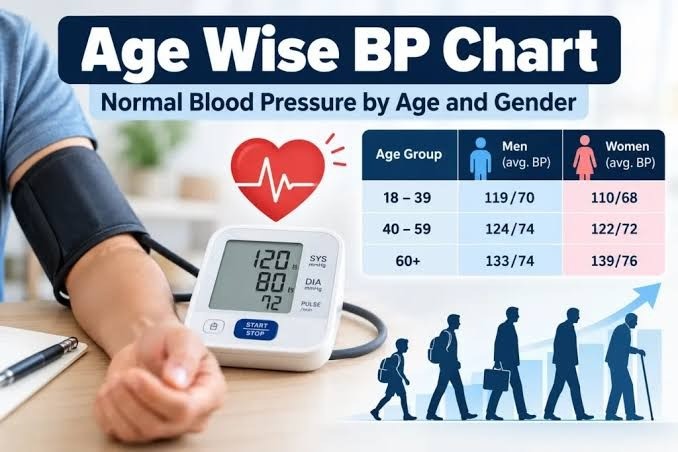
Blood pressure is one of the most important indicators of cardiovascular health. It measures the force of blood pushing against the walls of your arteries as your heart pumps blood throughout your body. Understanding your blood pressure readings can help you identify potential health concerns, protect your heart, and reduce your risk of serious complications as you get older.
Many people assume that blood pressure naturally becomes higher with age and that elevated readings are simply part of getting older. Although changes in blood vessels can contribute to rising blood pressure over time, high blood pressure is not an inevitable consequence of aging.
A reading of 120/80 mmHg is commonly used as a familiar reference point, but current medical guidelines classify normal adult blood pressure as below 120/80 mmHg. The appropriate blood pressure goal can vary depending on a person’s overall health, medical history, cardiovascular risk, and treatment tolerance.
So, what is considered normal blood pressure by age? How should you interpret the two numbers on your monitor? And when should you speak with a healthcare professional? Understanding these questions can help you make informed decisions about your long-term health.
Understanding Blood Pressure Readings
A blood pressure reading consists of two numbers, written as systolic pressure over diastolic pressure. Both measurements provide important information about how your cardiovascular system is functioning.
- Systolic pressure (top number): Measures the pressure in your arteries when your heart contracts and pumps blood.
- Diastolic pressure (bottom number): Measures the pressure in your arteries while your heart relaxes between beats.
For example, a reading of 120/80 mmHg means that your systolic pressure is 120 millimeters of mercury and your diastolic pressure is 80 millimeters of mercury.
Neither number should be considered in isolation. A person may have an elevated systolic reading even when their diastolic pressure is within the normal range. Similarly, an elevated diastolic reading can be important even if the systolic number appears acceptable.
Healthcare professionals consider both numbers when evaluating blood pressure and determining whether further monitoring, lifestyle changes, or treatment may be appropriate.
Normal Blood Pressure Ranges for Adults
For most adults, blood pressure is classified using established clinical thresholds rather than a separate normal range for every age group. The following categories reflect the American Heart Association’s commonly used adult classification system.
| Blood Pressure Category | Systolic Pressure | Diastolic Pressure |
|---|---|---|
| Normal | Below 120 | And below 80 |
| Elevated | 120–129 | And below 80 |
| High Blood Pressure, Stage 1 | 130–139 | Or 80–89 |
| High Blood Pressure, Stage 2 | 140 or higher | Or 90 or higher |
| Severely Elevated Blood Pressure | Higher than 180 | And/or higher than 120 |
All measurements are expressed in mmHg. When systolic and diastolic readings fall into different categories, the higher category generally determines the classification.
What Does Each Category Mean?
Normal blood pressure: A reading below 120/80 mmHg is generally considered healthy for adults. Maintaining this range can help reduce long-term cardiovascular risk.
Elevated blood pressure: Systolic readings between 120 and 129, with diastolic readings below 80, indicate that blood pressure is above the normal range. This is an opportunity to review lifestyle habits and monitor readings regularly.
Stage 1 hypertension: Readings between 130–139 systolic or 80–89 diastolic fall into this category. A healthcare professional may recommend lifestyle changes and, depending on overall cardiovascular risk, medication.
Stage 2 hypertension: Readings of 140 or higher systolic or 90 or higher diastolic indicate more significant elevation. Medical evaluation and an individualized treatment plan are important.
Severely elevated blood pressure: A reading above 180 systolic and/or above 120 diastolic requires prompt attention. If you obtain such a reading, wait at least one minute and measure again. If it remains severely elevated, contact a healthcare professional immediately. If it occurs alongside chest pain, shortness of breath, weakness, numbness, vision changes, difficulty speaking, or other concerning symptoms, call emergency services.
Normal Blood Pressure in Children and Teenagers
Blood pressure is interpreted differently in children and adolescents than in adults. A single set of fixed numbers cannot accurately describe a healthy range for every child because blood pressure changes as the body grows and develops.
Pediatric healthcare professionals consider several factors when evaluating a child’s blood pressure, including:
- Age
- Sex
- Height and growth patterns
- Repeated blood pressure measurements
For younger children, clinical guidelines generally use percentile-based charts to determine whether a reading is normal or elevated. These charts compare a child’s measurement with those of other children of similar age, sex, and height.
For adolescents aged 13 and older, adult-style blood pressure thresholds are generally used in U.S. pediatric guidelines. However, individual circumstances still matter.
A single elevated reading does not necessarily mean that a child has hypertension. Anxiety, recent physical activity, an incorrectly sized cuff, and other temporary factors can affect measurements. Healthcare professionals may recommend repeat measurements and additional evaluation before making a diagnosis.
Parents should discuss consistently elevated readings with their child’s healthcare provider rather than relying on general age-based averages found online.
How Blood Pressure Changes With Age
Blood pressure patterns can change throughout adulthood. However, there is an important distinction between average population readings and an individual’s healthy blood pressure target.
As people age, their arteries may gradually become stiffer and less elastic. This can contribute to higher systolic pressure and a wider difference between systolic and diastolic readings. These changes help explain why hypertension becomes more common among older adults.
Blood Pressure in Adults Aged 18–39
During early adulthood, healthy blood pressure is generally below 120/80 mmHg. However, elevated blood pressure can occur even in younger people, particularly when lifestyle factors or underlying medical conditions increase cardiovascular risk.
Factors such as excessive sodium consumption, limited physical activity, poor sleep, excess body weight, and family history can influence blood pressure during this stage of life.
Blood Pressure in Adults Aged 40–59
Middle adulthood is a period when blood pressure may begin to rise more noticeably. Changes in artery flexibility, weight fluctuations, hormonal changes, and long-term lifestyle habits can all contribute.
Women may experience changes in cardiovascular risk during the menopausal transition. Men and women can both develop hypertension during this stage, even when they previously had normal readings.
Regular health checkups and consistent monitoring can help identify changes before they contribute to more serious health problems.
Blood Pressure in Adults Aged 60 and Older
High blood pressure is more common among older adults, partly because arteries tend to become stiffer over time. Isolated systolic hypertension, in which the systolic number is elevated while the diastolic number remains below 90, is also more frequently seen in this age group.
However, older adults should not assume that higher readings are automatically normal or harmless. Blood pressure goals should be determined individually, taking into account overall health, kidney function, cardiovascular disease, medication use, frailty, and the possibility of dizziness or falls.
In other words, age can influence blood pressure, but it does not replace the need for appropriate clinical assessment. There is no universal rule that makes a higher blood pressure reading healthy simply because someone is older.
Why Does Blood Pressure Often Increase With Age?
Several biological and lifestyle-related factors can contribute to higher blood pressure over time. Understanding these influences can help people identify changes they may be able to address.
1. Reduced Artery Elasticity
Healthy arteries expand and contract as blood moves through the circulatory system. As people age, the walls of larger arteries can become stiffer. This makes it harder for the arteries to accommodate each heartbeat and can increase systolic pressure.
2. Changes in Blood Vessel Health
Long-term exposure to high cholesterol, smoking, diabetes, and other cardiovascular risk factors can affect blood vessel function. These changes may contribute to reduced vascular flexibility and increased cardiovascular risk.
3. Hormonal Changes
Hormonal changes associated with aging, including menopause, can influence cardiovascular health. Blood pressure may also be affected by hormonal disorders and certain medications.
4. Excess Body Weight
Carrying excess body weight can increase the workload on the heart and contribute to higher blood pressure. Weight management may improve blood pressure in people for whom excess weight is a contributing factor.
5. Dietary Habits and Sodium Intake
Eating too much sodium can increase blood pressure in many people. Highly processed foods, packaged meals, restaurant dishes, and salty snacks are common sources of sodium.
6. Physical Inactivity and Chronic Stress
A sedentary lifestyle can contribute to weight gain and reduced cardiovascular fitness. Chronic stress may also influence blood pressure through physiological responses and associated behaviors, such as poor sleep or unhealthy eating patterns.
Other medical conditions, including kidney disease, diabetes, and sleep apnea, may also contribute to hypertension.
How to Maintain Healthy Blood Pressure at Any Age
Healthy daily habits can make a meaningful difference in blood pressure management. Although lifestyle changes do not replace necessary medical treatment, they can support cardiovascular health throughout adulthood.
1. Follow a Heart-Healthy Diet
Dietary patterns such as the DASH (Dietary Approaches to Stop Hypertension) diet and the Mediterranean diet are widely recommended for cardiovascular health.
These eating patterns emphasize:
- Fresh fruits and vegetables
- Whole grains
- Beans, lentils, and other legumes
- Nuts and seeds
- Fish and other nutritious protein sources
- Low-fat dairy products, when appropriate
- Unsaturated fats, including olive oil
Reducing sodium intake can also help. The American Heart Association recommends no more than 2,300 milligrams of sodium daily for most adults, with an ideal limit of 1,500 milligrams for many people, particularly those with high blood pressure.
Potassium-rich foods, such as leafy greens, beans, bananas, and potatoes, may help support healthy blood pressure. However, people with kidney disease or those taking certain medications should consult a healthcare professional before significantly increasing potassium intake.
2. Exercise Regularly
Regular physical activity strengthens the cardiovascular system and can help improve blood pressure, circulation, and overall fitness.
For most adults, health authorities recommend at least 150 minutes of moderate-intensity aerobic activity each week or 75 minutes of vigorous-intensity activity, together with muscle-strengthening exercises on at least two days per week.
Examples of moderate-intensity activities include:
- Brisk walking
- Cycling
- Swimming
- Dancing
- Gardening and other active recreational activities
People who have existing medical conditions or have been inactive for a long time should discuss an appropriate exercise plan with their healthcare provider.
3. Maintain a Healthy Weight
For people carrying excess body weight, gradual and sustainable weight loss may help lower blood pressure. Even modest changes can improve cardiovascular health and reduce strain on the heart.
Rather than following restrictive diets, focus on balanced meals, regular activity, adequate sleep, and long-term habits that are realistic to maintain.
4. Limit Alcohol and Avoid Tobacco
Smoking damages blood vessels and increases the risk of heart disease and stroke. Quitting tobacco is one of the most important steps a person can take to improve cardiovascular health.
Alcohol can also contribute to higher blood pressure, particularly when consumed in larger quantities. Limiting or avoiding alcohol may support better blood pressure control.
5. Manage Stress and Prioritize Sleep
Long-term stress can influence blood pressure and encourage behaviors that negatively affect cardiovascular health. Developing healthy ways to manage stress may support overall well-being.
Helpful approaches include:
- Practicing slow, controlled breathing
- Trying meditation or gentle yoga
- Spending time outdoors
- Maintaining supportive social relationships
- Establishing a consistent sleep schedule
- Seeking professional support when stress becomes difficult to manage
Most adults benefit from getting at least seven hours of sleep each night. Persistent sleep problems, particularly symptoms associated with sleep apnea, should be discussed with a healthcare professional.
6. Monitor Blood Pressure at Home
Home monitoring can help identify blood pressure patterns that may not appear during an occasional doctor’s appointment. It can also help healthcare professionals evaluate whether a treatment plan is working.
For reliable readings, follow these measurement guidelines:
- Use a validated automatic upper-arm blood pressure monitor with an appropriately sized cuff.
- Avoid caffeine, smoking, and exercise for at least 30 minutes before measuring.
- Empty your bladder before taking a reading.
- Sit quietly for at least five minutes.
- Keep your back supported and both feet flat on the floor.
- Rest your arm on a surface so the cuff is positioned at heart level.
- Do not talk or use your phone during the measurement.
- Take two readings approximately one minute apart and record the results.
Keeping a written or digital record of your readings can help reveal trends over time. Follow your healthcare provider’s instructions about how frequently to measure your blood pressure.
When Should You See a Doctor About Blood Pressure?
High blood pressure often develops without noticeable symptoms. This is why regular screening is important, even when you feel healthy.
Consider scheduling a medical evaluation if:
- Your blood pressure readings repeatedly reach 130/80 mmHg or higher.
- Your home measurements are consistently above your recommended target.
- You have diabetes, kidney disease, cardiovascular disease, or other conditions that increase your risk.
- You experience recurring dizziness or other symptoms that may be related to your blood pressure or medication.
- You are concerned about changes in your readings or the effectiveness of your treatment.
A healthcare professional can review your measurements, medical history, and other risk factors to determine whether additional testing or treatment is necessary.
When Is High Blood Pressure an Emergency?
A blood pressure reading higher than 180 systolic and/or 120 diastolic is considered severely elevated and should not be ignored.
If you obtain a reading in this range, wait at least one minute and measure again. If the repeat measurement remains severely elevated but you have no concerning symptoms, contact a healthcare professional immediately for guidance.
If severely elevated blood pressure occurs with chest pain, shortness of breath, weakness, numbness, changes in vision, difficulty speaking, or other symptoms suggesting acute organ damage, call emergency services immediately. Do not wait for the blood pressure to return to normal on its own.
The Bottom Line
Blood pressure can change throughout life, and aging may increase the likelihood of developing hypertension. However, high blood pressure is not an unavoidable part of getting older, and an elevated reading should never be dismissed simply because of someone’s age.
For most adults, a blood pressure reading below 120/80 mmHg is considered normal. Nevertheless, the best target for an individual depends on their overall health, medical history, and treatment needs. Children and teenagers require age-appropriate assessments rather than adult thresholds in every situation.
Eating a balanced diet, staying physically active, maintaining a healthy weight, avoiding tobacco, managing stress, getting sufficient sleep, and checking blood pressure regularly can all contribute to better cardiovascular health.
Most importantly, consistent monitoring and routine medical checkups can help identify potential problems early. Understanding what your numbers mean is a practical step toward protecting your heart, brain, kidneys, and blood vessels for years to come.
Your age may influence your blood pressure, but it does not determine your future cardiovascular health. Healthy habits and appropriate medical care matter at every stage of life.
Sources
The following authoritative medical organizations provide evidence-based information about blood pressure categories, cardiovascular health, hypertension prevention, and accurate blood pressure monitoring.
- American Heart Association – Understanding Blood Pressure Readings
- American Heart Association – Home Blood Pressure Monitoring
- American College of Cardiology and American Heart Association – 2025 High Blood Pressure Guideline
- Centers for Disease Control and Prevention – Measuring Your Blood Pressure
- Centers for Disease Control and Prevention – Physical Activity Guidelines for Adults
- National Heart, Lung, and Blood Institute – High Blood Pressure
Disclaimer: This content is intended for entertainment purposes only and is not based on real events.