
I Invited My Mother to Prom to Honor Her Sacrifices, but My Stepsister’s Cruel Remark Changed the Evening
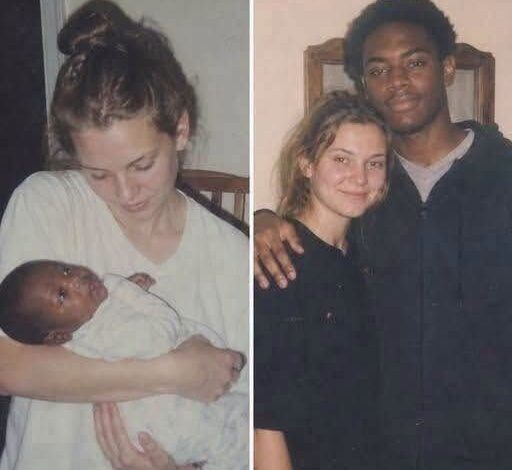
For many students, prom is one of the most memorable milestones of high school. It is an evening associated with formal clothing, photographs, music, friendships, and the excitement of celebrating the end of an important chapter. For one young man, however, prom represented something much deeper. Rather than inviting a classmate or romantic partner, he chose to bring the person who had shaped his life more than anyone else: his mother.
His decision came from years of appreciation for a parent who had consistently placed his needs ahead of her own. For seventeen years, she had worked to provide him with opportunities, stability, and encouragement, often putting aside personal experiences and ambitions along the way. She had even missed her own prom as a teenager because of the responsibilities that came with raising a child.
When he invited her to attend his prom, her emotional acceptance showed just how meaningful the gesture was. What began as an opportunity to create a special family memory, however, became an unexpectedly difficult evening when his stepsister, Brianna, made an insulting remark about their arrival. Fortunately, the young man’s stepfather, Mike, intervened, helping the family address the situation before the celebration could be overshadowed entirely.
Ultimately, the evening became a reminder that appreciation, family support, and thoughtful gestures can carry far more significance than appearances or social expectations.
A Prom Invitation That Recognized Seventeen Years of Sacrifice
Prom is traditionally viewed as a social event centered on teenage friendships and relationships. Students often spend weeks choosing outfits, arranging transportation, coordinating photographs, and deciding who they will accompany. Yet traditions do not have to determine what makes an occasion meaningful.
For this young man, inviting his mother was a deliberate way to recognize the person who had supported him throughout his childhood. Her contribution to his upbringing was not limited to providing everyday necessities. It also involved countless decisions that required patience, commitment, and personal sacrifice.
Parents frequently make adjustments to their own lives to support their children. These decisions may include postponing education, changing career plans, reducing personal expenses, or missing social opportunities. Although such sacrifices are often made without expecting recognition, they can have a lasting influence on family relationships.
His mother’s missed prom represented one of those experiences. While many teenagers remember their school celebrations as important social milestones, she had not been able to participate in hers. The responsibilities she faced at the time had taken priority over the opportunity to enjoy that particular stage of adolescence.
Her son’s invitation offered a different kind of experience. It could not recreate the teenage years she had missed, but it allowed her to participate in a celebration that was important to him. More importantly, it communicated that her efforts had not gone unnoticed.
Her tearful acceptance suggested that the invitation meant much more than attending a formal dance. It was an acknowledgment of her identity beyond the responsibilities of motherhood. For one evening, she could simply enjoy being celebrated by someone she had spent years supporting.
Why the Invitation Meant More Than an Ordinary School Dance
Family celebrations often become especially meaningful when they recognize experiences that were previously missed or postponed. Birthdays, graduations, anniversaries, and school events can provide opportunities for relatives to reconnect and express appreciation.
In this situation, the prom invitation represented a reversal of the usual parent-child relationship. Throughout his childhood, his mother had been the person arranging celebrations, providing encouragement, and making sure his needs were met. This time, her son took responsibility for making her feel special.
Such gestures can strengthen relationships because they communicate appreciation through action rather than words alone. A simple invitation may demonstrate that someone has paid attention to another person’s history, understood what matters to them, and made an effort to create a positive experience.
It also challenged the assumption that school traditions must follow a single social pattern. A prom date does not necessarily have to be a romantic partner. Depending on school policies and event arrangements, students may choose to celebrate with family members or other important people in their lives.
For this mother and son, the arrangement reflected a relationship built on mutual respect and affection. Their decision demonstrated that meaningful celebrations are ultimately defined by the people involved rather than by conventional expectations.
Brianna’s Remark Turned a Happy Arrival Into an Uncomfortable Moment
Despite the emotional significance of the invitation, the evening did not begin as smoothly as the mother and son had hoped. When they arrived outside the dance, Brianna, the young man’s stepsister, made a mocking comment about her appearance.
The remark focused on her dress, but its impact extended beyond clothing. The mother had accepted the invitation with excitement and had entered the occasion expecting to share a special memory with her son. Instead, she suddenly found herself facing public embarrassment.
Social criticism can be particularly painful when it occurs during an event that carries personal meaning. Someone who is already stepping outside familiar social expectations may feel especially vulnerable to judgment. In this case, the mother was attending a school celebration in an unconventional role, and Brianna’s comment made an already unusual situation more uncomfortable.
It is important to distinguish between expressing an opinion and deliberately humiliating someone. People may have different preferences concerning clothing, fashion, and formal events. However, those differences do not justify personal insults, particularly when someone is participating in a celebration with sincere intentions.
The timing also mattered. The mother had made an effort to attend an event that she had missed during her own adolescence. Rather than welcoming her, Brianna’s behavior threatened to make her feel that she did not belong.
For her son, witnessing the remark created an immediate opportunity to demonstrate whether the appreciation behind his invitation would remain meaningful when the situation became difficult.
Mike Intervened and Made It Clear That Disrespect Was Not Acceptable
Before the young man could respond, his stepfather, Mike, stepped in. Rather than allowing the remark to pass as harmless teasing, he directly addressed Brianna’s behavior.
Mike told her to apologize and leave, emphasizing the importance of recognizing what the mother had contributed to the family. His response established a clear boundary: a family celebration should not become an opportunity to embarrass or demean another person.
His intervention was significant because it demonstrated that family relationships involve responsibilities as well as emotional connections. Being part of a household does not give anyone permission to disregard another person’s dignity.
In family situations, ignoring disrespect can sometimes leave the person targeted feeling unsupported. When inappropriate comments are dismissed, the individual may conclude that maintaining social comfort is more important to others than acknowledging their feelings.
Mike took a different approach. He addressed the behavior directly and expected Brianna to take responsibility for her words. His response did not require a lengthy argument or an escalation of the disagreement. Instead, he communicated that an apology was appropriate and that the celebration should remain respectful.
Brianna eventually offered a subdued apology before withdrawing from the situation. Although a brief apology cannot automatically repair every emotional consequence of an insult, acknowledging wrongdoing is an important first step toward restoring respectful communication.
The Son Reassured His Mother When She Needed Support
Even after Brianna had apologized, the mother remained visibly shaken. Public embarrassment does not necessarily disappear simply because the person responsible has acknowledged their mistake.
Her son recognized that she needed reassurance. He reached for her hand and told her that she was not an embarrassment. Instead, he reminded her that she was the reason they had made it as far as they had.
Those words directly addressed the emotional impact of the situation. Rather than focusing on the argument or attempting to prove that Brianna was wrong, he returned attention to the reason his mother had been invited in the first place.
His response also demonstrated an important aspect of emotional support: listening to the situation through the perspective of the person affected. When someone experiences public criticism, reassurance can help restore a sense of security and belonging.
For his mother, knowing that her son genuinely wanted her there was likely more meaningful than any explanation about the disagreement. She did not need to justify her clothing, defend her decision to attend, or convince anyone that she deserved a place at the event.
Her son had already made that decision. By holding her hand and standing beside her, he reinforced it through his actions.
Entering the Ballroom Together Became the Turning Point
After the difficult encounter outside, the mother and son made their way into the ballroom together. This seemingly simple decision represented a turning point in the evening.
They could have allowed the uncomfortable interaction to determine the rest of their experience. Instead, they chose to continue with the celebration they had planned.
Inside, the atmosphere offered an opportunity to shift attention away from the disagreement. Music, decorations, and the presence of other students created the setting for the experience they had originally wanted to share.
As they began dancing, the mother gradually relaxed. Her earlier distress gave way to happiness, allowing her to enjoy the evening rather than remain focused on the criticism she had experienced.
The dance was especially meaningful because it represented an opportunity she had not experienced during her own teenage years. Although the circumstances were different, she was now able to share a version of that celebration with her child.
For her son, watching her shoulders relax and seeing her happiness return offered a different kind of reward. The purpose of his invitation had never been to attract attention or challenge anyone else’s expectations. He simply wanted his mother to feel appreciated.
The Importance of Recognizing Parents Beyond Their Everyday Roles
The story also highlights a broader issue in family relationships: parents are often recognized primarily through the responsibilities they perform for others.
Mothers and fathers may become so closely associated with caregiving, financial support, and household responsibilities that their individual experiences receive less attention. Their personal ambitions, friendships, interests, and missed opportunities can become secondary to the needs of their children.
Recognizing parents as individuals can help create healthier and more balanced family relationships. Children do not need to organize elaborate celebrations to demonstrate appreciation. Thoughtful conversations, shared activities, and expressions of gratitude can communicate that a parent’s efforts are valued.
In this case, the prom invitation was particularly effective because it connected directly with something meaningful from the mother’s past. Her son understood that she had missed an important experience and created an opportunity for them to share a related memory.
It also demonstrated that appreciation does not have to wait for a major anniversary or special family occasion. Small decisions can carry lasting emotional significance when they reflect genuine understanding.
What the Evening Reveals About Respect and Family Support
Several lessons emerge from the experience, particularly concerning how families respond when disagreements or hurtful comments arise.
First, respect should not depend on whether someone fits conventional expectations. A mother attending her son’s prom may be an unusual choice in some communities, but that does not make her presence inappropriate or deserving of ridicule.
Second, family members should be able to establish reasonable boundaries. Mike’s response demonstrated that addressing disrespect directly can help prevent an uncomfortable interaction from becoming the defining feature of a family gathering.
Third, emotional support often comes through simple, sincere actions. The son’s decision to hold his mother’s hand and continue into the ballroom communicated reassurance without requiring a public confrontation.
Finally, meaningful family memories are not always created under perfect circumstances. Sometimes, an experience becomes memorable because people choose to respond with kindness and understanding when an unexpected difficulty occurs.
A Shared Memory That Celebrated Gratitude and Belonging
The evening did not erase the challenges the mother had faced throughout her life, nor could it return the teenage experience she had missed. Nevertheless, it offered something valuable: a chance to be appreciated in a way that was personal, visible, and meaningful.
Her son had spent much of his childhood receiving her care and encouragement. By inviting her to prom, he found an opportunity to express how deeply he valued those years of commitment. The invitation itself was meaningful, but the way he supported her after Brianna’s remark made the gesture even more significant.
Mike’s intervention also helped reinforce the importance of treating family members with consideration. Brianna’s apology provided an opportunity to acknowledge the hurtful nature of her comment, while the mother and son were able to return their attention to the celebration.
In the end, the most important part of the evening was not the dress, the disagreement, or the expectations associated with prom. It was the moment when a mother and her son entered the ballroom together and shared a dance.
For a woman who had spent seventeen years prioritizing her child’s future, that dance represented a meaningful expression of gratitude. It showed that the care she had given had helped build a relationship in which appreciation could be returned.
The experience serves as a reminder that family celebrations do not have to follow traditional formulas to become meaningful. Sometimes, the most memorable gift is simply making someone feel that they belong, that their sacrifices matter, and that they are genuinely wanted by the people they love.
Sources
This article is based on the personal narrative provided in the original draft. The family events and individual statements have not been independently verified. The following established organizations offer additional background on family relationships, emotional well-being, and respectful communication:
- American Psychological Association (APA) – Research and educational resources concerning relationships, emotional well-being, and family dynamics.
- Child Welfare Information Gateway – Resources concerning family relationships, parenting, and supportive home environments.
- Centers for Disease Control and Prevention (CDC) – Information about adolescent well-being, supportive relationships, and healthy development.
- World Health Organization (WHO) – Educational information about mental health and emotional well-being.
Disclaimer: This content is intended for entertainment purposes only and is not based on real events.