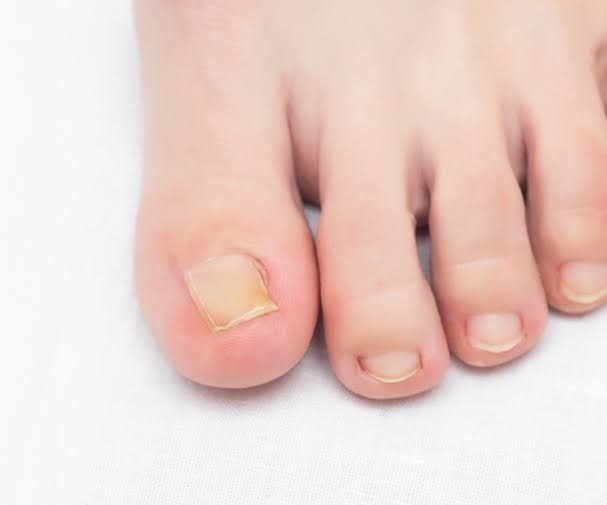
Thick toenails are a common concern, particularly as people get older. They can become harder to trim, develop a yellowish or white appearance, and sometimes feel uncomfortable inside everyday footwear. For some people, the changes happen gradually over several years. For others, thickening may be related to a fungal infection, repeated pressure from shoes, or an underlying skin condition.
My nana always believed that looking after your feet did not have to involve expensive products or complicated routines. Her simple approach focused on softening the nails, cleaning the feet carefully, and taking time to maintain them without causing damage.
Although this traditional approach can make everyday nail care more manageable, there is an important distinction between maintaining thick toenails and treating the condition responsible for them. A warm-water soak and gentle filing may improve comfort, but they cannot eliminate a fungal infection or correct every underlying nail problem.
Understanding why toenails become thick is the best place to start. With the right information, you can establish a sensible foot-care routine, recognize warning signs, and decide when professional advice is necessary.
Why Do Toenails Become Thick?
Toenails can change in thickness, colour, and texture for several reasons. Some changes are associated with the natural ageing process, while others develop because of infections, injuries, or medical conditions.
According to the Mayo Clinic, ageing is one of the most common reasons toenails become thicker. However, fungal infections and repeated physical pressure are also important contributing factors.
Here are five common explanations for thickened toenails.
1. Natural Ageing
Toenails often become thicker, harder, and more brittle with age. Their growth rate may slow, and changes in the nail structure can make routine trimming more difficult.
These changes do not automatically indicate an infection. However, a noticeable or sudden change in nail appearance should not simply be attributed to getting older.
2. Fungal Nail Infections
A fungal nail infection, medically known as onychomycosis, is another common cause of thick toenails.
Fungi thrive in warm, moist environments and can enter through tiny openings in the nail or surrounding skin. Once established, an infection may gradually change the appearance of the nail.
Common symptoms include:
- Yellow, white, brown, or discoloured areas.
- Nails that become noticeably thicker.
- Brittle edges that crack or crumble.
- Debris collecting underneath the nail.
- Nails that become misshapen or begin separating from the nail bed.
Fungal infections often develop gradually, and several nails may eventually become affected. Importantly, not every thick or discoloured toenail is caused by fungus. A healthcare professional may need to examine the nail or take a sample before recommending treatment.
3. Repeated Pressure and Toenail Injuries
Footwear that squeezes the toes can place repeated pressure on the nail. Activities involving frequent running, walking, or other repetitive movements may also contribute to nail damage.
Previous injuries can affect the way a toenail grows, sometimes leaving it thicker or irregular in appearance long after the original injury has healed.
Choosing comfortable shoes with sufficient room around the toes can help reduce unnecessary pressure and support healthier nail growth.
4. Skin Conditions Such as Psoriasis
Psoriasis is an inflammatory skin condition that can also affect the nails. Nail psoriasis may cause thickening, discolouration, surface irregularities, and separation from the nail bed.
Because these symptoms can resemble a fungal infection, an accurate assessment is important. Treating a nail condition without identifying its cause may lead to unnecessary products or ineffective remedies.
5. Circulation and Other Health Concerns
Changes in foot and nail health may sometimes occur alongside broader health concerns. Diabetes, circulation problems, and conditions affecting the nerves can increase the importance of regular foot examinations.
People with reduced sensation may not notice minor injuries, while poor circulation can make some foot problems more difficult to manage.
If you have diabetes, peripheral artery disease, or reduced feeling in your feet, professional guidance is particularly important before attempting to cut or file thick toenails yourself.
Nana’s Simple Approach to Managing Thick Toenails
The main idea behind nana’s traditional approach was straightforward: make the nails easier to manage before attempting any trimming or filing.
Hard, thickened toenails can be difficult to cut when completely dry. Softening them with comfortably warm water may make routine maintenance easier, provided that soaking is appropriate for your individual health circumstances.
This approach is intended to support basic nail hygiene and comfort. It is not a guaranteed treatment for fungal infections or other medical causes of nail thickening.
What You Will Need
You do not need an elaborate collection of foot-care products. A few basic items are generally sufficient for ordinary nail maintenance.
- A clean basin containing comfortably warm water.
- A soft-bristled nail brush.
- A clean, dry towel.
- A suitable toenail file.
- Clean toenail clippers, if trimming is appropriate.
- A gentle moisturising lotion for the surrounding skin.
Keep your nail-care equipment clean and avoid sharing personal grooming tools. If you suspect a fungal infection, sharing contaminated equipment may contribute to its spread.
Step 1: Soften the Toenails Carefully
For people without medical conditions that make soaking unsuitable, a short soak in comfortably warm water may help soften hard toenails.
Around five to ten minutes is a reasonable starting point for routine nail preparation. The water should never be uncomfortably hot.
Some people prefer to perform this step after a warm shower because their nails may already be softer.
However, soaking is not appropriate for everyone. The National Institute of Diabetes and Digestive and Kidney Diseases advises people with diabetes to avoid soaking their feet because it can dry out the skin. Anyone with reduced sensation, circulation problems, or a history of foot complications should follow professional advice instead.
Step 2: Clean Around the Nails Gently
Once the feet have been washed, use a soft nail brush to remove visible dirt from the nail surface and surrounding skin.
Work gently, particularly around the corners and edges of the toenails. Avoid inserting sharp objects underneath the nail or aggressively removing material that has become trapped beneath it.
Damaging the skin can create an opportunity for infection, so gentle cleaning is preferable to trying to make the nails look perfectly clean in one session.
Step 3: Dry Your Feet Thoroughly
Drying is an important part of maintaining healthy feet. Use a clean towel and pay particular attention to the spaces between your toes.
Excess moisture can create an environment in which certain fungi thrive. Keeping the feet dry, especially after washing or exercise, is therefore a useful everyday habit.
If your socks become damp during the day, changing into a clean, dry pair can also help.
Step 4: File Thick Toenails With Care
For mildly thickened nails that can be safely managed at home, a clean nail file may help smooth uneven edges.
Work gradually rather than attempting to remove a large amount of nail material at once. Avoid filing deeply into the nail or damaging the surrounding skin.
If the nail is extremely thick, painful, curved, or difficult to reach, a podiatrist can assess it and provide appropriate nail reduction.
Filing can improve the nail’s shape and make it easier to manage, but it does not remove a fungal infection. Fungi can remain within the nail and the tissue underneath it.
Step 5: Moisturise the Surrounding Skin
After cleaning and drying your feet, apply a suitable moisturiser to areas of dry skin.
Pay attention to the tops and bottoms of your feet, as well as the skin around your toenails. Avoid applying excessive cream between the toes because trapped moisture may encourage fungal growth.
If the nails themselves are particularly hard or thick, ask a pharmacist or podiatrist whether a nail-softening preparation, such as an appropriately formulated urea product, would be suitable.
Do Vinegar and Baking Soda Help Thick Toenails?
Vinegar and baking soda frequently appear in traditional foot-care advice. Some people recommend soaking affected toenails in vinegar, while others suggest applying baking soda or combining the two ingredients.
However, there is insufficient reliable clinical evidence to establish that these household ingredients can cure fungal nail infections or reliably reverse nail thickening.
Vinegar is acidic, whereas baking soda is alkaline. Combining them produces a chemical reaction, but this does not create a proven antifungal treatment.
Homemade mixtures may also irritate sensitive skin, particularly when applied repeatedly or at high concentrations.
For basic foot hygiene, ordinary washing with warm water and gentle cleaning are more sensible options. If you suspect a fungal infection, a pharmacist or healthcare professional can explain which treatments have evidence supporting their use.
Everyday Habits That Support Healthier Toenails
Maintaining healthy toenails is not just about trimming and filing. Everyday habits can also help reduce exposure to fungal infections, prevent unnecessary nail damage, and keep the feet comfortable.
Keep Your Feet Clean and Dry
Wash your feet regularly using mild soap and comfortably warm water. Dry them carefully, particularly between the toes.
People who exercise frequently or experience sweaty feet may benefit from changing their socks when they become damp.
Choose Comfortable, Well-Fitting Shoes
Footwear should provide enough room for the toes to move naturally. Shoes that are too narrow can place repeated pressure on the toenails and contribute to damage.
When purchasing new shoes, check that the toe area is comfortable and that the footwear does not rub against the nails.
Trim Toenails Correctly
When trimming is safe and appropriate, cut toenails relatively straight across rather than cutting deeply into the corners.
Avoid cutting them excessively short. Sharp edges can be gently smoothed with a clean nail file.
Keep Nail-Care Tools Clean
Toenail clippers, files, and other grooming equipment should be cleaned appropriately after use.
Never share personal nail-care tools without proper disinfection. This is particularly important because fungal infections can spread through contaminated grooming equipment.
Wear Clean, Breathable Socks
Change your socks regularly and avoid remaining in damp footwear for extended periods.
Breathable materials and shoes that allow adequate ventilation can help reduce excessive moisture around the feet.
Check Your Feet Regularly
Make a habit of examining your toenails and surrounding skin. Look for changes in thickness, colour, shape, or texture.
Early attention to unusual changes can help identify problems before they become more difficult to manage.
When Should You Seek Professional Help?
Although gentle home care can make everyday nail maintenance easier, certain symptoms deserve professional attention.
Consider arranging an appointment with a GP, dermatologist, pharmacist, or podiatrist if you notice:
- Toenails becoming increasingly thick or difficult to trim.
- Persistent yellow, white, brown, or unusual discolouration.
- Nails that become brittle, crumbly, or misshapen.
- Nails separating from the underlying nail bed.
- Recurring discomfort when wearing ordinary footwear.
- Changes affecting several toenails.
Seek prompt medical advice if you develop significant pain, redness, swelling, warmth, or discharge around a toenail. These symptoms may indicate an infection or another condition requiring treatment.
People with diabetes, weakened immune systems, or circulation problems should be especially careful. Even a relatively small foot injury may require additional attention in these circumstances.
How Are Thick Toenails Diagnosed and Treated?
The appropriate treatment depends on what is causing the nail to become thick.
A healthcare professional may examine the affected toenail and ask about previous injuries, footwear, medical conditions, and how long the changes have been present.
If a fungal infection is suspected, a nail clipping or sample of material from beneath the nail may be sent for laboratory testing. This helps distinguish fungal infections from other conditions, including nail psoriasis.
Antifungal Treatments
If testing confirms a fungal infection, treatment may involve an antifungal preparation applied directly to the nail or prescription medication taken by mouth.
Topical treatments may be suitable for some mild infections, although they generally need to be used consistently over an extended period.
Oral antifungal medication may be recommended for more extensive infections. These medicines are not suitable for everyone and may require medical assessment and monitoring because of potential side effects and interactions with other medications.
Professional Nail Reduction
When toenails become particularly thick, a podiatrist or dermatologist may recommend professional nail reduction, sometimes called nail debridement.
This procedure reduces excess nail thickness using appropriate instruments. It can make the nail easier to manage and may improve comfort when walking or wearing shoes.
For people who cannot safely reach or trim their toenails, professional nail care can be particularly helpful.
Why Patience Matters
Toenails grow slowly, so improvements may take considerable time to become visible.
Even when an appropriate fungal treatment successfully controls an infection, the damaged portion of the nail must gradually grow out. A big toenail may take a year or longer to develop a completely healthy-looking appearance.
This is why consistency and realistic expectations are important. A treatment that requires several months should not automatically be considered unsuccessful simply because the nail does not look different after a few days.
The Takeaway: Simple Foot Care Can Make a Difference
Thick toenails can be inconvenient, especially when they become difficult to trim or uncomfortable inside shoes. However, managing them does not always require complicated routines or expensive products.
My nana’s simple advice offers a useful starting point: take your time, keep your feet clean, avoid damaging the nails, and make regular foot care part of your routine.
For people who can safely manage their own nail care, gentle cleaning, appropriate softening, careful filing, and moisturising the surrounding skin may help improve everyday comfort.
Nevertheless, there is no single household trick that works for every type of thick toenail. Vinegar, baking soda, and other traditional remedies should not replace proven treatment when an underlying infection or medical condition is present.
If your toenails continue to thicken, change colour, become painful, or develop an unusual appearance, seek professional advice rather than relying entirely on home remedies.
Healthy feet are supported by consistent care, suitable footwear, and attention to changes that may need medical assessment. Sometimes, the most useful lesson from traditional advice is simply to be patient, gentle, and consistent.
Sources
The following medical and public health resources provide additional information about thick toenails, fungal nail infections, diagnosis, treatment, and everyday foot care.
- Mayo Clinic – How to Trim Thickened Toenails
- NHS – Fungal Nail Infection
- Mayo Clinic – Nail Fungus: Diagnosis and Treatment
- American Academy of Dermatology – Nail Fungus: Treatment
- American Academy of Dermatology – Causes of Nail Fungus
- National Institute of Diabetes and Digestive and Kidney Diseases – Diabetes and Foot Problems
- Centers for Disease Control and Prevention – Your Feet and Diabetes
Disclaimer: This content is intended for entertainment purposes only and is not based on real events.