This is a fictionalized family narrative. It explores grief, family conflict, heirlooms, and inheritance expectations. It should not be interpreted as legal advice; estate laws and inheritance rights differ by jurisdiction.
A Family Heirloom Becomes the Center of Grief
When Harper’s mother died after a prolonged illness, the loss left her struggling to process the absence of the person who had been her greatest source of comfort. At 32, Harper understood intellectually that her mother’s illness had been serious, but knowledge did little to soften the reality of an empty room, a silent phone, and a home that still held familiar scents and routines.
For months before her mother’s death, Harper had spent many nights beside a hospice bed. She remembered the quiet details most clearly: adjusting a blanket, bringing water, listening to memories that arrived in fragments, and holding a hand that had once seemed impossibly strong. Her mother’s condition changed gradually, but her care for her children never disappeared. Even when exhausted, she worried about whether her son Brian was eating properly and reminded Harper to water the basil plant by the kitchen window.
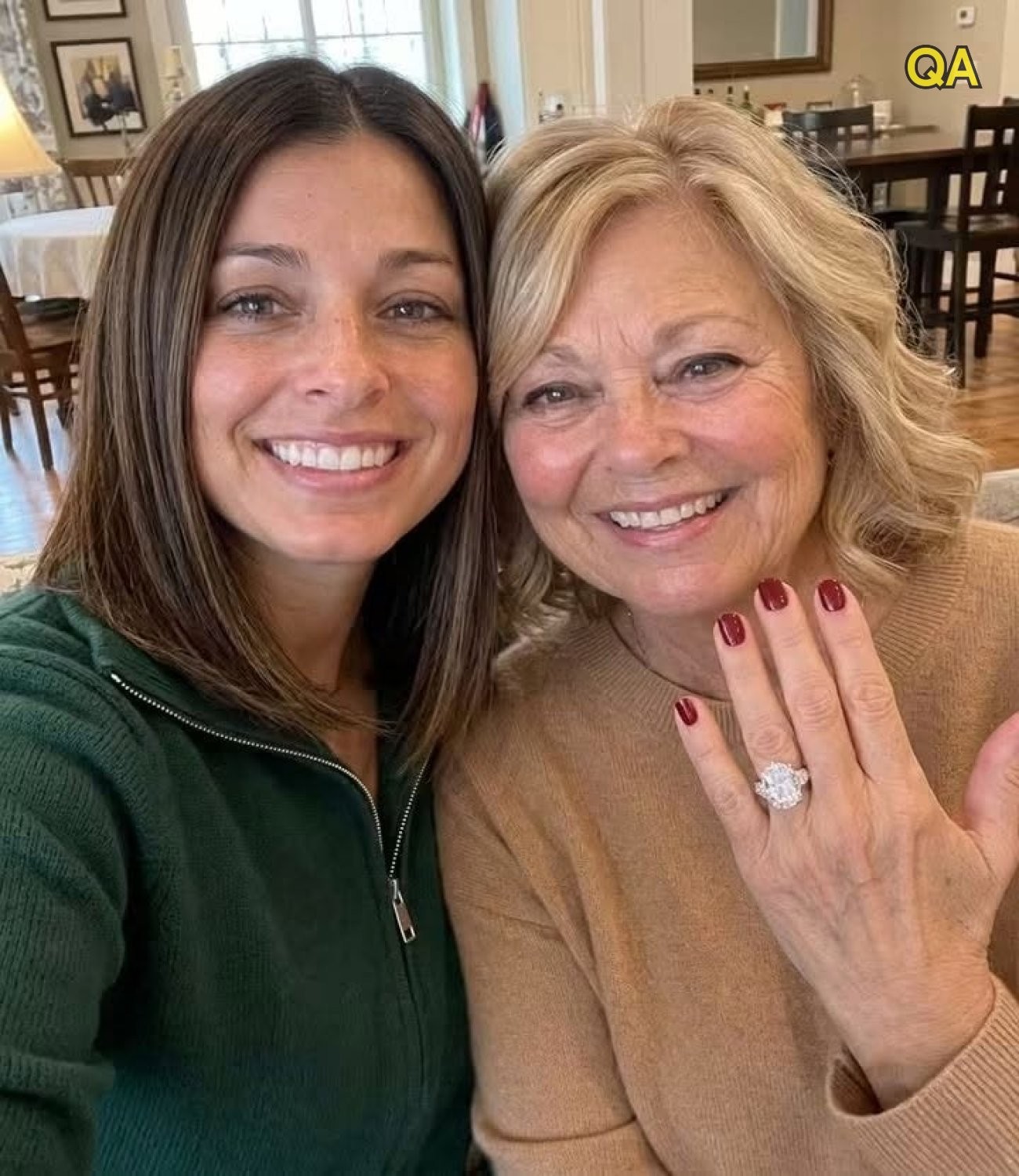
During that period, one object took on unusual significance within the family: a vintage diamond ring. The ring had belonged to Harper’s grandmother before it was passed to her mother. Its gold band and central stone had monetary value, but for Harper, it represented family history. As a child, she had watched her mother wear it every day. She associated it with stories about marriage, resilience, traditions, and the importance of keeping promises.
To another relative, however, the ring appeared to represent something very different. Chloe, Brian’s wife, repeatedly asked who would receive it. Her questions came at painful times: in a hospice corridor, after difficult conversations with medical staff, and while the family prepared for the funeral. Harper found the focus on jewelry unsettling. Her mother was still alive, and the family had barely begun to confront the emotional reality of losing her.
Why Inheritance Conversations Can Be So Difficult After a Death
Family disagreements about possessions are not unusual after a death. Personal items can carry emotional, financial, and symbolic meaning all at once. A ring, photograph, watch, piece of furniture, or handwritten recipe may seem small to one person and irreplaceable to another. When relatives have different memories or expectations, conflict can develop quickly.
Grief can also affect communication. People may become withdrawn, defensive, overwhelmed, or unusually focused on practical concerns. Those responses do not automatically mean someone is uncaring, but they can make a difficult situation worse when empathy is missing. In Harper’s case, Chloe’s repeated questions about the ring made her feel that her mother’s life was being reduced to the value of a single object.
Brian did not fully intervene. He occasionally asked Chloe to stop, but he avoided a direct confrontation. His reluctance created more tension. In many families, silence is used to avoid arguments, especially during funerals or periods of mourning. Yet avoiding a problem can leave the person who is grieving most deeply feeling unsupported.
Harper’s mother had reportedly said that she wanted the ring to remain in the family, but she had not discussed the matter openly with everyone. This lack of clarity gave Chloe room to claim that the ring had been promised to her. Whether or not a verbal promise has legal effect depends on local law and the broader circumstances. In practical terms, written estate plans and clearly documented wishes can help families avoid uncertainty later.
The Funeral Gathering and an Unexpected Demand
After the funeral service, relatives and friends gathered at Harper’s mother’s home. The atmosphere was subdued. Guests offered condolences, brought food, shared memories, and tried to provide comfort in the limited ways available after a major loss. Harper moved through the day in a haze, listening politely while feeling detached from everything around her.
Her mother’s bedroom was especially difficult to face. The room still carried the faint scent of lavender lotion. Slippers rested near the bed. Everyday details that once seemed ordinary now felt permanent and heartbreaking.
In the middle of the gathering, Chloe approached Harper and publicly demanded the ring. She said that Harper’s mother had promised it to her because she was married to the family’s only son. The statement stunned those nearby. Harper knew her mother had not made such a promise, particularly because her mother had been unable to speak clearly for weeks before her death.
Brian looked uncomfortable but initially avoided taking a firm position. Chloe insisted that the ring belonged to her and framed the issue as a matter of family tradition. Harper felt anger rising, but she also knew that a heated argument in front of mourners would not honor her mother’s memory.
Instead of responding with a public accusation, Harper reached into her pocket and handed Chloe a small black velvet box. Chloe accepted it with visible confidence, apparently assuming that she had won the argument.
What Was Inside the Velvet Box
When Chloe opened the box, she did not find the valuable vintage ring. Inside was a folded handwritten note and a simple plastic costume ring. The contrast was unmistakable. The inexpensive ring was not meant to humiliate anyone for entertainment; within the story, it served as a symbol of the difference between material value and personal loyalty.
Harper asked Chloe to read the note. Chloe hesitated, and Brian eventually took the paper and read it aloud. The message had been written by their mother months earlier, before her illness had made writing difficult.
The note explained that the true treasure in the family was not a diamond but the love, loyalty, and presence relatives offered one another in hard times. It stated that the real ring was intended for Harper. The note also addressed Brian, encouraging him to understand the difference between maintaining peace and remaining silent when someone needed support.
The room fell quiet. For Harper, the message was emotional because it reflected the relationship she had shared with her mother. She had not cared for her mother in order to receive an heirloom. Still, the note gave her reassurance that her mother had recognized her devotion and had made her wishes clear.
Brian apologized to his sister. He acknowledged that he had failed to speak up when Chloe made an untrue claim. Chloe, embarrassed and angry, left the gathering. The family did not celebrate the moment; they were still grieving. Instead, the revelation forced them to confront the emotional damage created by assumptions, avoidance, and a lack of respect during a vulnerable time.
Family Heirlooms Are About Meaning, Not Only Money
Heirlooms often become powerful symbols because they connect generations. A piece of jewelry can reflect a grandmother’s marriage, a parent’s values, family celebrations, or childhood memories. Its market price may be important for estate purposes, but its emotional value may be impossible to measure.
In this story, Harper eventually placed the ring on her finger. It felt heavier than she expected, not because of the diamond, but because it carried the memory of her mother and grandmother. The ring became a reminder that love is demonstrated through care, patience, and showing up for people when they need help.
The narrative also highlights an important distinction: no family member should be judged solely by whether they receive a possession. Grief affects people differently, and relationships are complex. However, claims about a deceased person’s wishes should be handled carefully, respectfully, and transparently. Pressuring relatives at a funeral or during immediate mourning can intensify distress and leave lasting harm.
Practical Lessons About Estate Planning and Family Communication
Although this story is fictional, it reflects real issues that can arise after a death. Estate planning professionals commonly encourage people to make their wishes clear while they are able to do so. A will can identify beneficiaries and provide instructions for distributing assets. Depending on the circumstances and location, additional documents may also be useful.
For items with significant financial or sentimental value, families may benefit from a written personal-property memorandum, an inventory, photographs, or direct conversations with intended recipients. These steps cannot remove all grief or family disagreement, but they can reduce confusion.
It is also useful to distinguish between legal ownership and emotional expectations. A relative may strongly feel that they deserve an item, but feelings alone do not necessarily establish legal entitlement. When uncertainty exists, families should consider consulting a qualified local lawyer, executor, or estate professional rather than relying on pressure or informal claims.
Communication matters before and after a loss. A parent who discusses meaningful belongings with adult children may prevent misunderstandings. Relatives who listen without competing for recognition can create a more supportive environment. If tensions become severe, mediation or grief counseling may help family members address conflict without causing further emotional damage.
Grief, Boundaries, and the Courage to Speak
After guests left, Brian sat with Harper and asked whether she hated him. Harper said she did not, but she was hurt. His failure had not been a lack of love alone; it had been an unwillingness to act when his sister needed him. He admitted that he had forgotten how to be the brother she needed.
The exchange did not solve every problem, but it created an opening for accountability. Apologies cannot erase painful experiences, yet they can be an important first step when they are followed by changed behavior.
Harper’s response also reflects a broader lesson about boundaries. Grief does not require a person to accept disrespect in order to keep the peace. It is possible to remain composed while also being clear about what is unacceptable. Speaking honestly, preserving evidence of a loved one’s wishes, and seeking appropriate support can protect both emotional well-being and family relationships.
Ultimately, the velvet box contained more than a surprise. It contained a final message from a mother who wanted her children to remember what mattered most. The diamond ring remained meaningful, but it was not the most valuable legacy she left behind. Her deeper legacy was the reminder that loyalty is demonstrated through compassion, presence, and the courage to defend the truth with dignity.
Sources
Disclaimer: This content is intended for entertainment purposes only and is not based on real events.