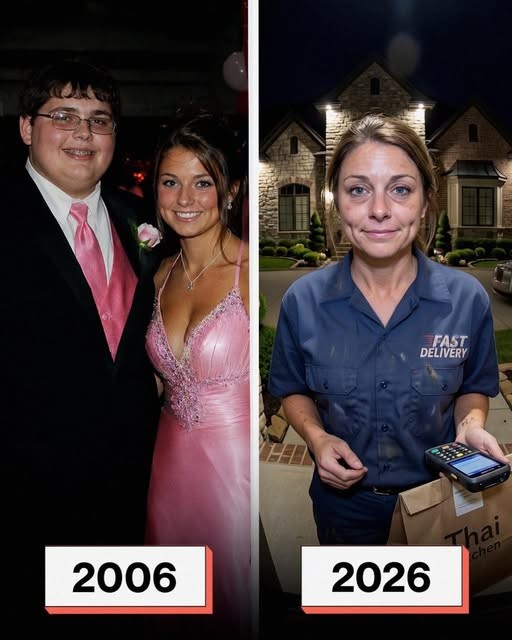
Editor’s note: No original headline was included with the supplied draft. The account below contains no named location, publication records, court documents, interviews, or other evidence that would allow its specific events to be independently verified. It should therefore be treated as an unverified inspirational narrative rather than a reported news story.
An Emotional Narrative That Raises Important Real-World Issues
Stories about a person overcoming grief, social exclusion, illness, financial pressure, or caregiving responsibilities often spread quickly online. They can be compelling because they focus on experiences that many people recognize: the loss of family, the loneliness of being bullied, the burden of caring for a relative, and the lasting importance of compassion. The draft presented here uses each of those themes in a dramatic account involving two former classmates, Ethan and Charlotte.
According to the narrative, Ethan survived a car crash as a teenager in 2005 but lost both parents. He then faced a difficult recovery and felt increasingly isolated at school. The story says that Charlotte, a popular student, invited him to prom after recognizing the pain caused by exclusion. Years later, Ethan allegedly became successful and encountered Charlotte again while she was working as a food-delivery driver and caring for her brother. The account concludes with Ethan arranging practical support and offering her work through a charitable foundation.
Although such a plot is emotionally effective, the supplied text does not provide the essential details needed to establish that it happened. There is no identified school, city, company, charitable organization, medical provider, date of publication, direct interview, or independently attributable source. Responsible readers should avoid sharing the story as confirmed fact unless credible reporting supplies that evidence.
Why Verification Matters for Human-Interest Stories
Human-interest reporting can be valuable. It can draw attention to grief support, disability inclusion, school bullying, caregiving, and economic hardship. However, the emotional power of a story does not verify its accuracy. Details that appear vivid or specific—such as a prom photograph, a delivery shift, a handwritten note, or a dramatic reunion—are not substitutes for independently checkable evidence.
Verification protects both audiences and the people whose experiences may be represented. If a story is fabricated, embellished, or copied from an earlier fictional post, presenting it as news can mislead readers and weaken trust in legitimate reporting. It may also create unrealistic expectations around charitable giving, health care, recovery after trauma, or the circumstances of unpaid family caregivers.
Reliable journalism generally distinguishes between what is known, what is alleged, and what cannot be independently confirmed. Reputable outlets identify their sources whenever possible, seek comment from central participants, check documents and public records, and correct material errors. Where privacy limits disclosure—especially in cases involving health, bereavement, or disability—responsible reporting still explains what has been verified and what remains unknown.
How Readers Can Evaluate a Viral Story
Before sharing a highly emotional account, readers can take several practical steps. First, look for the original publisher and date. A trustworthy article should identify the outlet that published it, not merely reproduce text on a social-media page, content farm, or anonymous website. Check whether the publisher has a visible editorial policy, named staff, contact information, correction procedures, and a record of transparent reporting.
Second, search for independent coverage. If a story claims that someone founded a major technology company, created a charitable foundation, paid substantial debts, or arranged medical care, there may be evidence through company records, official foundation websites, credible local reporting, or interviews from established news organizations. One website repeating another is not independent confirmation.
Third, assess whether the account contains verifiable details. Names alone are often insufficient, particularly when they are common. Useful details might include the name of a registered organization, the location of a school, a public statement from a spokesperson, an event date, or reporting by a credible outlet that has interviewed relevant people. The absence of such information does not automatically prove a story false, but it should limit the certainty with which it is shared.
Fourth, watch for storytelling patterns that may signal fictional or heavily dramatized content. These can include perfectly timed reunions, dialogue presented without attribution, major financial help arranged immediately, and conclusions in which every hardship is resolved at once. Real lives can contain extraordinary events, but narratives shaped around a dramatic reversal deserve careful sourcing.
The Real Issues Behind the Narrative
Even when an individual story cannot be verified, its themes can still lead to important evidence-based discussion. Bereavement during adolescence can affect a young person’s emotional well-being, education, relationships, and sense of safety. Grief does not follow a universal timetable, and people respond differently after the death of a parent or another close family member. Support from trusted adults, school counselors, health professionals, peer networks, and community organizations can be important.
The story also describes exclusion based on changes in a student’s appearance and health. Bullying can have serious effects on mental health, attendance, self-esteem, and academic engagement. Schools have a responsibility to promote respectful learning environments, respond to reports of harassment, and provide appropriate support. Parents and students who are concerned about bullying can contact school leadership, a counselor, or local support services. In an immediate crisis, emergency services or a local crisis line may be appropriate.
Charlotte’s stated concern for her brother reflects another significant issue: disability inclusion. People with disabilities should be treated with dignity, autonomy, and equal respect. The World Health Organization emphasizes that disability is shaped not only by an individual’s health condition but also by barriers in society, including inaccessible services, discrimination, and exclusion. Language and policies that recognize individual rights, access needs, and personal agency are more constructive than narratives that frame disabled people solely as objects of pity or inspiration.
Family caregiving can also be demanding. Many unpaid caregivers balance work, transportation, appointments, household tasks, financial decisions, and the emotional responsibility of supporting a loved one. Their needs may be overlooked, particularly when they do not have reliable respite care, flexible employment, or access to local services. Government agencies, health systems, disability organizations, and caregiver support groups may offer information about benefits, respite options, advocacy, and planning resources.
Compassion Should Not Depend on a Dramatic Ending
The central message of the draft is that a small act of kindness can matter for years. That idea is plausible and meaningful without requiring readers to accept every unverified detail. Inclusive behavior at school, in workplaces, in public spaces, and online can reduce isolation. Checking in with someone who appears withdrawn, using respectful language, including people in ordinary social activities, and challenging cruel behavior can all make a difference.
At the same time, real support should not rely on a wealthy stranger appearing at exactly the right moment. People facing grief, disability-related barriers, debt, or caregiver stress deserve dependable systems of support. Communities can help by funding accessible health care, mental-health services, anti-bullying initiatives, disability accommodations, caregiver programs, and social protections. Individual generosity is valuable, but it cannot replace public services and fair access to opportunities.
There is also a useful distinction between compassion and savior narratives. Compassion respects the choices and capabilities of the person receiving support. It asks what assistance is wanted, protects privacy, avoids assumptions, and recognizes that people are more than the difficulties they currently face. Ethical charitable work is transparent about how funds are used and avoids exploiting someone’s hardship for attention or emotional engagement.
Responsible Sharing and Media Literacy
Before reposting an emotional story, readers can pause and ask: Who is reporting this? What evidence is offered? Has another credible source confirmed it? Does the post ask for money, personal data, or immediate action? Is the wording designed primarily to provoke shock, sadness, or outrage? These questions do not make a person cynical. They are part of responsible digital citizenship.
It is also helpful to share verified resources alongside inspirational content. An article about bereavement can link to grief support. A discussion of disability can point readers to rights-based organizations and accessible services. A post about bullying can include school and public-health guidance. This approach directs attention toward information that may be useful to people experiencing similar circumstances in real life.
When an account cannot be confirmed, accurate wording matters. Rather than stating that it “happened,” a reader might say that it is “an unverified story circulating online” or “a narrative that highlights the importance of kindness.” That preserves the broader discussion without turning uncertain claims into facts.
Conclusion
The supplied story presents a moving lesson about empathy, memory, and the possible long-term impact of treating another person with respect. However, its specific claims cannot be confirmed from the information provided. Readers should not present the account as established news without credible evidence.
Its underlying themes remain worth considering: young people need protection from bullying, grieving families deserve compassionate support, people with disabilities deserve inclusion and respect, and unpaid caregivers often need practical assistance. Reliable information, thoughtful language, and evidence-based resources are the strongest way to turn an emotional story into constructive public understanding.

Sources
Disclaimer: This content is intended for entertainment purposes only and is not based on real events.