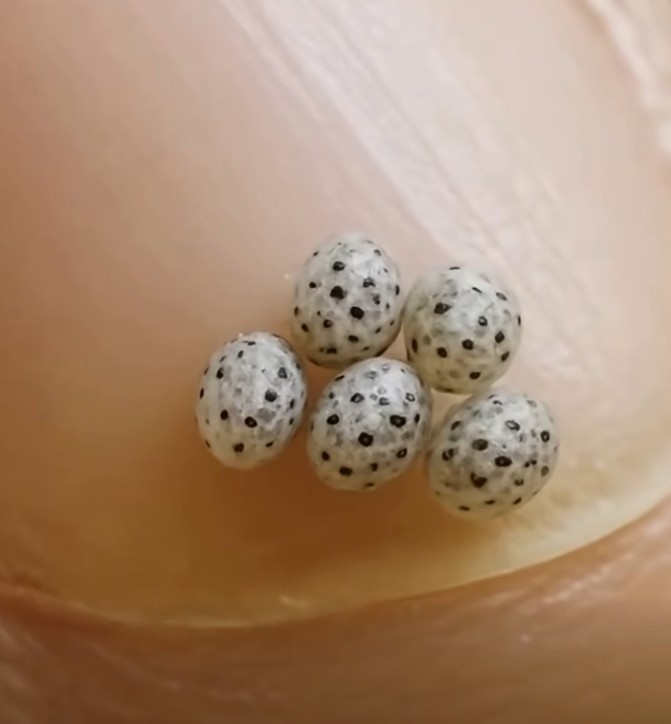
Found Something Unusual in Your Restaurant Meal? Here’s What to Do
Discovering something unexpected in a restaurant meal can be unsettling, whether it appears to be a piece of plant material, an unfamiliar ingredient, or an object that does not seem to belong in food. In many cases, the item may be harmless, such as a stem, seed, herb fragment, or piece of packaging that was missed during preparation. In other cases, it may require the restaurant to investigate its ingredients, equipment, or food-handling procedures.
The most useful first step is simple: stop eating the dish, set it aside, and calmly tell a server or manager what you found. This allows restaurant staff to examine the meal, identify the item where possible, and decide whether other portions or ingredients need to be checked. If you feel unwell, believe you may have swallowed a sharp object, or experience signs of a serious allergic reaction, your health should take priority over resolving the restaurant complaint.
Food safety is a shared concern for diners, restaurants, suppliers, and public-health authorities. Knowing how to describe an issue clearly and when to seek medical or regulatory support can help protect you and may also help prevent a similar problem from affecting other customers.
Stop Eating the Dish and Notify Restaurant Staff
If you notice an unfamiliar item in your food, stop eating that portion immediately. Keep the plate, bowl, or serving container where it is if possible, rather than discarding it or moving the item repeatedly. Let your server know what you found and ask to speak with a manager if the concern appears significant.
You do not need to identify the object with certainty before reporting it. A useful explanation can be as straightforward as: “I found this item in my salad,” or “There is something hard in this sauce that I do not recognize.” Point out where it was found, describe its appearance, and mention whether you bit into it or swallowed any part of it.
The location can help restaurant staff investigate. For example, an unusual item mixed throughout a salad may lead the kitchen to inspect the produce, garnish, preparation containers, or serving utensils. An item found in a sauce, baked dish, or beverage may involve a different set of ingredients and preparation steps.
If the object appears sharp or potentially hazardous, avoid handling it more than necessary. Restaurant staff may need to preserve the meal and item for review. Taking a clear photograph before the plate is removed can also be helpful, especially if you later need to provide details to the restaurant, a health department, or a medical professional.
Understand the Difference Between an Unfamiliar Ingredient and a Food Safety Concern
Not every unexpected item is necessarily a food safety hazard. Some dishes contain ingredients that diners may not recognize at first glance. Seeds, whole spices, herb stems, edible flowers, vegetable skins, shell fragments, or pieces of bone can occasionally be present depending on the recipe and preparation style. While these items may be unpleasant or unexpected, they can sometimes be explained by the ingredients used in the dish.
However, certain objects warrant greater caution. Materials such as glass, metal, hard plastic, wood splinters, pieces of packaging, or components that may have come from kitchen equipment should be reported promptly. These can be classified as physical hazards, a category used by food-safety professionals for foreign objects that may pose a risk of injury.
Food safety agencies commonly describe hazards in three broad categories:
- Biological hazards: These include bacteria, viruses, parasites, and other microorganisms that can cause foodborne illness.
- Chemical hazards: These may include cleaning-product residues, allergens that were not declared or communicated, or other chemical contaminants.
- Physical hazards: These include foreign objects such as glass, metal, plastic, stones, or fragments from food-processing or kitchen materials.
A visible object is often easier to notice than a biological or chemical hazard. Food can look and smell normal even when it contains an allergen, has been exposed to cross-contact, or was handled at an unsafe temperature. For that reason, a diner’s question may involve more than what is visible on the plate.

Take Extra Care if You Have a Food Allergy
For people with food allergies, an unfamiliar ingredient can create an urgent concern. The U.S. Food and Drug Administration identifies nine major food allergens recognized under U.S. food-labeling law: milk, eggs, fish, crustacean shellfish, tree nuts, peanuts, wheat, soybeans, and sesame. Restaurant meals may also involve other ingredients that individual diners need to avoid.
If you have an allergy, it is best to tell the restaurant when ordering. Ask whether the dish contains the ingredient you need to avoid and whether staff can check for possible cross-contact during storage, cooking, or plating. A server may not always know the full preparation process, so it is reasonable to ask that the kitchen or manager confirm the information.
If you find something unfamiliar in the meal, do not assume it is harmless. Set the dish aside and explain that you are asking because of an allergy. Restaurant staff should then focus on identifying the item and checking the relevant ingredients or preparation procedures.
Symptoms of a severe allergic reaction can include trouble breathing, swelling of the throat or tongue, widespread hives, dizziness, or fainting. These symptoms require emergency medical care. People who have been prescribed epinephrine for anaphylaxis should follow their individual emergency action plan and seek emergency assistance after using it, as advised by their clinician.
When to Seek Medical Advice After Finding an Object in Food
Most restaurant complaints can be handled directly with the establishment, but there are circumstances in which medical guidance is more important. Contact a healthcare professional, urgent care service, poison center, or emergency service as appropriate if you believe you swallowed a sharp or potentially harmful object, develop symptoms after eating, or are concerned about an allergic reaction.
Seek urgent medical attention for serious symptoms such as difficulty breathing, chest pain, severe abdominal pain, persistent vomiting, fainting, confusion, or signs of a severe allergic reaction. If you are unsure whether a symptom is serious, contacting a qualified medical professional can help you make an informed decision.
It is generally helpful to retain information about the meal, including the restaurant name, date and time, dish ordered, ingredients if known, and any photographs. This information may assist a clinician if medical assessment is needed. It can also be relevant if public-health officials investigate a food safety complaint.
A person who feels ill after dining out should remember that timing alone does not establish the cause of an illness. Symptoms may result from many conditions, and foodborne illnesses can have different incubation periods. Public-health authorities and healthcare professionals use symptom details, timing, laboratory evidence, and reports from other people to assess possible links to food.
How to Report a Restaurant Food Safety Concern
Start by giving the restaurant a fair opportunity to respond. A manager can examine the meal, speak with kitchen staff, check the ingredients used, and explain what steps will be taken. Many restaurants will replace the dish, remove it from the bill, or offer another practical resolution. For a potentially serious concern, a responsible establishment may also remove or inspect related ingredients while it investigates.
Documenting the issue can make any follow-up clearer. Consider noting:
- The restaurant’s name and location
- The date and approximate time of the meal
- The name and description of the dish
- Where the item was found in the food
- What the item looked like and whether it was touched, bitten, or swallowed
- Any symptoms experienced after the meal
- Photos of the plate, item, receipt, or menu description when available
If the matter involves a suspected physical hazard, a significant allergy concern, or possible unsafe food handling, you may contact the local or state health department. In the United States, local health departments commonly inspect restaurants and respond to food-service complaints. Procedures vary by location, but many agencies provide online reporting forms or phone numbers for reporting concerns.
Health departments may use consumer reports to identify patterns, prioritize inspections, or assess whether a broader issue needs attention. One report does not necessarily mean a restaurant has committed a violation, but detailed and factual reporting can help officials evaluate the concern appropriately.
How Unexpected Objects Can Reach a Restaurant Plate
Restaurant food often moves through a long supply chain before it reaches a table. Fresh vegetables, herbs, grains, meat, seafood, and packaged goods may be grown or produced, processed, sorted, transported, stored, and prepared by multiple businesses. At each stage, quality-control practices are intended to reduce the chance that unsuitable materials enter food.
For produce, the process can include harvesting, washing, sorting, packaging, distribution, receiving, and kitchen preparation. A small stem, leaf, seed, or other piece of plant material can occasionally remain despite these steps. While such material may not always present a health risk, restaurants should still respond respectfully when a diner raises a concern.
Restaurants also rely on their own controls. These may include inspecting deliveries, storing food safely, washing and preparing produce, maintaining equipment, using food-safe containers, training employees, and checking dishes before service. Good food-safety systems are designed to prevent problems rather than simply react to them after a guest makes a complaint.
When an item appears to be non-food material, managers may review a wider range of possibilities. They may inspect utensils, food containers, packaging, preparation equipment, supplier products, and the specific work area where the dish was made. This kind of review can help determine whether the issue was isolated or whether additional corrective action is appropriate.

What a Good Restaurant Response Looks Like
A constructive response begins with listening. Staff should take the concern seriously without making assumptions about what the item is or dismissing the diner’s experience. A manager should be able to explain the immediate steps the restaurant will take, such as reviewing the plate, speaking with the kitchen, checking ingredients, or preparing a replacement meal.
Clear communication is especially important when allergens may be involved. The restaurant should avoid guessing about ingredients or cross-contact. If staff cannot confirm whether a dish is safe for a particular allergy, the most responsible answer is to say so and help the customer consider another option.
Restaurants can also learn from complaints. Recording incidents, reviewing supplier concerns, retraining staff where necessary, and checking equipment can reduce the likelihood of repeat problems. For diners, the response itself can provide useful information about whether the business treats food safety and customer concerns with appropriate care.
Check Restaurant Inspection Information When Available
In many communities, local health departments publish restaurant inspection reports online. These records can provide information that is not visible from a dining room or a menu, such as whether an establishment has recently been cited for temperature control, handwashing, sanitation, pest control, or other food-safety issues.
Inspection reports should be read with context. A single violation does not always indicate an ongoing danger, and inspection scoring systems differ between jurisdictions. Look for patterns, follow-up inspections, and whether violations were corrected. Restaurants are inspected at specific points in time, so reports are one useful source of information rather than a complete picture of every meal served.
Practical Steps for Diners
If you find something unusual in a restaurant meal, focus on a calm, evidence-based response. Stop eating the affected dish, preserve the plate if practical, notify staff, and describe exactly what you observed. Ask the restaurant to identify the item and explain what it plans to check.
For an unfamiliar food ingredient, the answer may be straightforward. For a possible foreign object, allergy issue, or health concern, more follow-up may be appropriate. Take photographs if you can do so safely, retain your receipt, and contact your local health department when the situation appears significant. Above all, seek medical care promptly if you have serious symptoms or believe you have swallowed something dangerous.
Speaking up is not merely about resolving one disappointing meal. It gives the restaurant an opportunity to investigate, correct a potential problem, and protect other guests. A factual report, clear communication, and timely medical attention when needed are the most effective next steps.
Sources
- U.S. Food and Drug Administration: Foodborne Illnesses
- U.S. Food and Drug Administration: Food Allergies
- Centers for Disease Control and Prevention: Food Safety
- Centers for Disease Control and Prevention: Food Poisoning Symptoms
- USDA Food Safety and Inspection Service: Food Safety Basics
- FoodSafety.gov
Disclaimer: This content is intended for entertainment purposes only and is not based on real events.