Florida Learjet Crash: What Is Known About the Reported Palm Beach County Tragedy
A reported Learjet crash in Palm Beach County, Florida, has prompted widespread concern and condolences for the people said to have been aboard. However, many of the details circulating online, including the identities of passengers, the cause of the accident, and the timeline of events, require confirmation through official aviation investigators and public records.
In the aftermath of any serious aviation accident, early reports can change quickly. The Federal Aviation Administration and the National Transportation Safety Board are the primary U.S. agencies responsible for documenting aircraft accidents and determining probable cause. Their work is methodical and can take months or, in some cases, longer than a year.
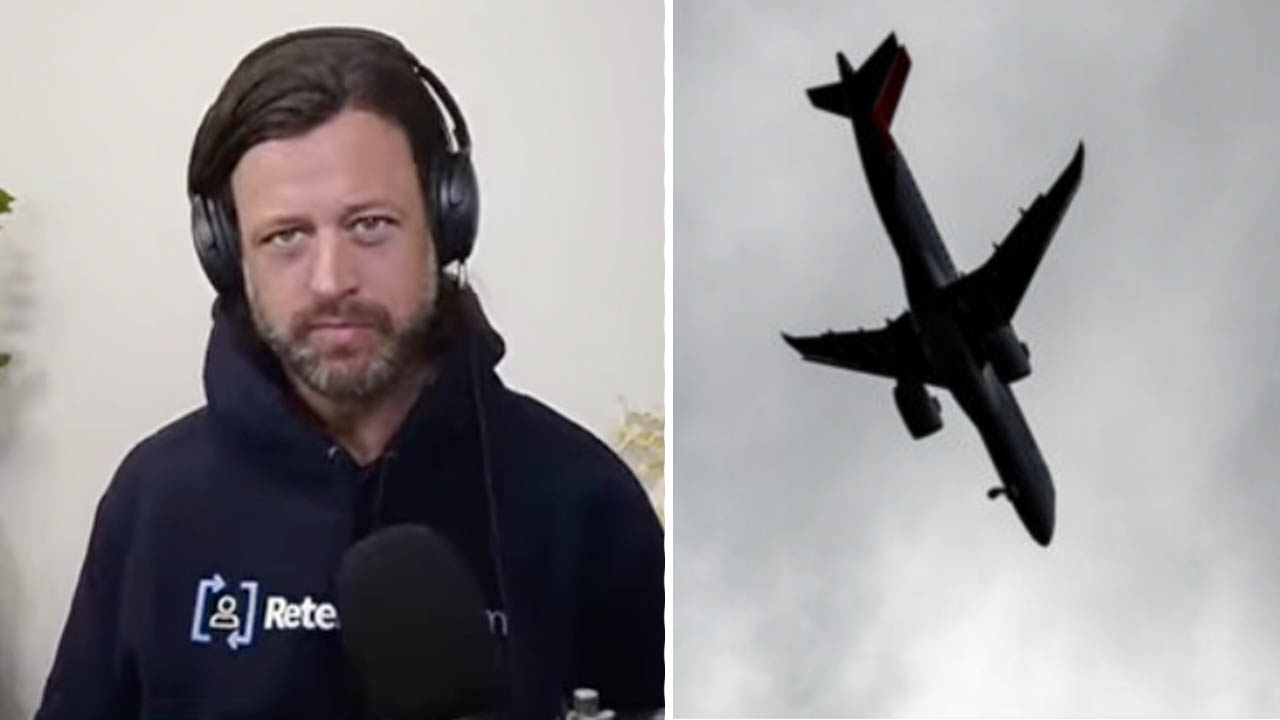
Reports connected to this incident stated that a Learjet 60 had departed Austin-Bergstrom International Airport in Texas and was scheduled to travel to North Eleuthera Airport in the Bahamas before an accident in Palm Beach County. The reported timing, location, passenger list, and other flight details should be treated cautiously unless they are confirmed in an official FAA or NTSB release.
Why Official Confirmation Matters After an Aircraft Accident
Aircraft accidents often generate intense public interest, particularly when they involve a private jet, business leaders, families, or well-known members of a community. Social media posts, preliminary news reports, and messages from friends may provide early information, but they are not a substitute for an official investigation.
The NTSB is an independent federal agency that investigates civil transportation accidents in the United States. In aviation cases, its investigators collect evidence from the crash site, examine aircraft maintenance records, review weather conditions, analyze air traffic control communications, and assess the aircraft’s operational history. When available, investigators may also review cockpit voice recorders, flight data recorders, electronic devices, and radar information.
Importantly, investigators do not determine the cause of an accident immediately. Early statements may describe factual observations, such as aircraft damage, debris location, weather conditions, or flight path information. These observations should not be interpreted as a final conclusion about why an accident occurred.
Speculation about mechanical failure, pilot decision-making, weather, icing, turbulence, or other factors can be especially harmful when families are grieving and investigators are still gathering evidence. Aviation safety experts regularly urge the public to wait for verified findings rather than draw conclusions from incomplete information.
Reported Losses and Community Tributes
The draft report identified businessman Adam Robinson, his wife Helen Sharp, their two young children, and their nanny, Anita Maria Cetina, among the people reportedly killed. It also named pilot Jeff Gregory, co-pilot Nathalia Gadelha Filgueiras, and passengers Rachael Reed and Charmi Fehr.
These names and biographical details should be confirmed through official statements from families, law enforcement authorities, or the relevant companies before publication as established fact. In situations involving a fatal accident, families may choose to release information privately, and news organizations have an important responsibility to respect their wishes.
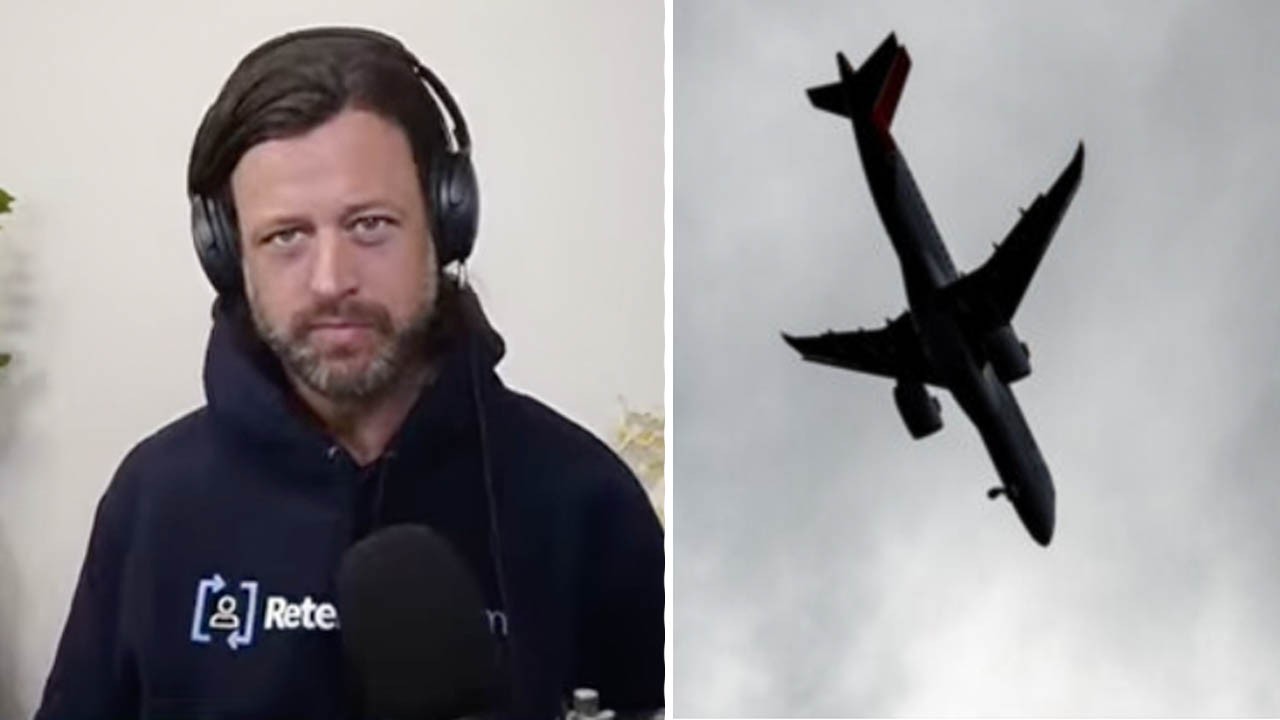
The draft also said that Robinson was a technology entrepreneur and a co-founder of Retention, while Sharp was described as a communications professional and ceramicist. A company statement included in the original material expressed grief over the reported loss and emphasized support for employees and family members.
Tributes following a tragedy often focus on a person’s character, professional impact, friendships, and family life. Such messages can offer comfort to people who knew those involved, but they should be shared with sensitivity. The central human story is not the circumstances of a flight alone; it is the loss experienced by relatives, friends, colleagues, caregivers, and communities.
Private Aviation and Learjet Operations
The Learjet 60 is a midsize business jet designed for corporate, charter, and private travel. Like other aircraft operating in U.S. airspace, it is subject to federal safety rules covering airworthiness, maintenance, flight crew qualifications, weather planning, and operational procedures.
Private and charter aviation can offer schedule flexibility and access to smaller airports, but it also requires careful planning. Flight crews evaluate fuel requirements, alternate airports, runway conditions, weather forecasts, aircraft performance, and airport services before departure. Operators must also comply with the applicable Federal Aviation Regulations, which vary according to the type of flight and operating certificate.
Aviation safety is built around multiple layers of protection. These include pilot training, aircraft maintenance inspections, weather briefings, air traffic control, airport safety systems, and standardized checklists. No single layer eliminates all risk, which is why investigators examine the interaction of many factors after an accident.
Weather is frequently discussed in the immediate aftermath of an aviation incident. Yet weather information alone does not establish cause. Pilots receive forecasts, observations, notices to air missions, and other operational information, while investigators later compare those materials with actual conditions along the route and near the accident location.
How the NTSB Investigation Process Works
The NTSB’s initial priority is to document and preserve evidence. An investigator-in-charge leads the inquiry and may be supported by specialists in aircraft structures, powerplants, operations, human performance, weather, air traffic control, and survival factors. Depending on the accident, the agency may also work with the FAA, aircraft manufacturers, operators, and other technical parties.
In the days after an accident, the NTSB may issue a preliminary report. This document usually provides basic factual information, including the flight’s planned route, the aircraft type, the location of the accident, and known damage. A preliminary report does not assign blame or identify a probable cause.
A final report is published only after the agency has completed its analysis. The report may identify a probable cause and contributing factors, while also making safety recommendations intended to prevent similar accidents. Recommendations can address training, equipment, maintenance practices, airport procedures, pilot guidance, or regulatory oversight.
This process is designed to improve safety rather than to assign criminal or civil liability. The NTSB’s mission is to determine what happened and why, then use those findings to reduce the likelihood of future tragedies.
Responsible Reporting During Breaking News Events
When an accident involves reported fatalities, responsible reporting requires precision and restraint. Journalists and readers should distinguish between confirmed facts, statements from families or companies, and unverified claims circulating online. The emotional impact of a tragedy can make dramatic headlines travel quickly, but accuracy remains essential.
Particular care is needed when reporting on children, family members, and aviation crew. Avoiding intrusive speculation, sensational language, and unconfirmed personal details helps protect the dignity of those affected. It also allows investigators to work without public pressure created by unsupported theories.
Comments that were made before a reported accident, including social media posts or interviews about flying, business, or travel, can take on a different meaning after a tragedy. Nevertheless, they should not be used to imply responsibility or predict the outcome of an investigation. A person’s past comments about private aviation do not establish the circumstances of a particular flight.
Support for Families and Communities After Aviation Tragedies
Fatal accidents can affect far more people than those directly involved. Family members, friends, co-workers, first responders, airport staff, and local residents may all experience grief, distress, or uncertainty. Mental health professionals often encourage people affected by traumatic news to seek support from trusted relatives, community organizations, faith leaders, or licensed counselors.
The NTSB operates a Transportation Disaster Assistance program that helps coordinate support for victims and families after major transportation accidents. This work can include communication assistance, family briefings, coordination with other agencies, and guidance on available services.
For employers, a compassionate response may include direct outreach to staff, access to counseling resources, clear internal communication, and respect for privacy. For the public, the most meaningful response is often to avoid sharing unverified material and to allow grieving families space.
What Readers Should Watch for Next
For reliable updates on the reported Florida Learjet accident, readers should look for information published by the NTSB, FAA, local authorities, and verified statements from the families or organizations directly involved. An official accident docket, preliminary report, or agency news release can provide more dependable information than reposted social media claims.
Until investigators release findings, it is not appropriate to state that ice, turbulence, pilot actions, equipment failure, or any other factor caused the accident. The final determination, if the reported event is confirmed and investigated by the NTSB, will depend on evidence gathered through the formal investigative process.
The reported loss of multiple lives is a deeply sad event for every family, colleague, and community member affected. The most respectful approach is to recognize the human impact, avoid speculation, and rely on verified information as the investigation develops.
Sources
- National Transportation Safety Board: Aviation Investigations
- National Transportation Safety Board: Transportation Disaster Assistance
- Federal Aviation Administration: Accident and Incident Statements
- Federal Aviation Administration: Federal Aviation Regulations
- Centers for Disease Control and Prevention: Coping and Support After Stressful Events
Disclaimer: This content is intended for entertainment purposes only and is not based on real events.