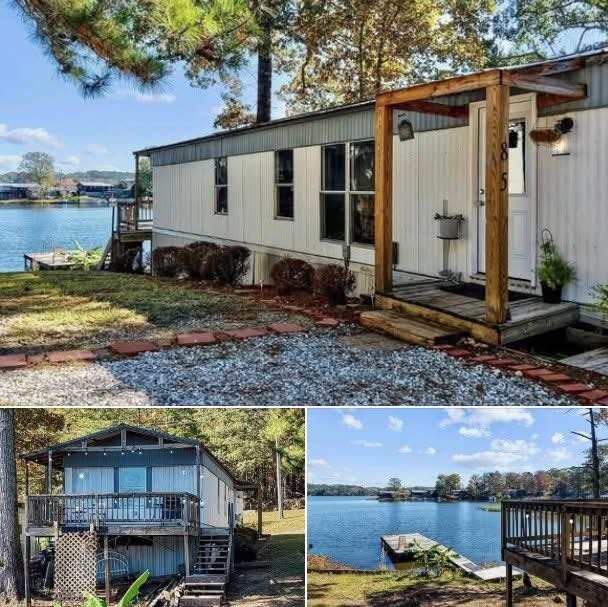
Waterfront Home in Shelby County, Alabama Offers Relaxed Lay Lake Living
A waterfront residence along Lay Lake in Shelby County, Alabama, offers a setting centered on outdoor recreation, flexible living space, and everyday access to a well-known Alabama reservoir.
A Lakeside Setting in Shelby County, Alabama
This waterfront home in Shelby County, Alabama, presents an opportunity to enjoy the quieter pace of life associated with Lay Lake. Positioned near the water, the property combines a cottage-inspired atmosphere with practical features intended for both daily living and weekend use. Its primary appeal is the direct relationship between the home, its outdoor areas, and the lake itself.
Lay Lake is part of the Coosa River system and is managed as a reservoir by Alabama Power. The lake is a familiar destination for boating, fishing, swimming, and shoreline recreation in central Alabama. For homeowners, living near a lake can provide more than scenic views: it can shape daily routines around time outdoors, seasonal gatherings, and convenient access to water-based activities.
The home’s waterfront placement makes it particularly relevant for buyers who value a retreat-like environment without necessarily seeking a remote cabin. A property of this type may serve as a primary residence, a second home, or a place for family visits and personal recreation. The best use will depend on an owner’s lifestyle, commuting needs, maintenance preferences, and long-term plans.
Open Living Areas Designed for Everyday Comfort
According to the property description, the home includes an updated open floor plan. Open layouts remain popular because they can create stronger connections between shared spaces such as the kitchen, dining area, and living room. In a waterfront setting, this approach may also help bring natural light and outdoor views into the main areas of the house.
A more open interior can make a home feel adaptable. It may support informal meals, conversations with guests while cooking, or a comfortable gathering place after a day on the water. Rather than dividing the interior into a series of enclosed rooms, the layout is described as allowing spaces to flow naturally from one area to the next.
The interior design is characterized as simple, bright, and functional. That approach fits the wider appeal of lakeside homes, where owners often prioritize durable finishes, straightforward upkeep, storage, and spaces that transition easily between relaxed private time and hosting visitors. Buyers considering a waterfront property may wish to assess how the interior will function across all seasons, particularly during periods when outdoor activities are less frequent.
Natural light can be an important consideration in a home near the water. Bright common spaces may make the most of daytime views while helping the home feel welcoming for residents and guests. Before purchasing, prospective owners should visit at different times of day when possible to understand sunlight, shade, privacy, and the relationship between indoor rooms and the shoreline.
Outdoor Deck Space Supports Lakefront Living
One of the defining elements of this property is its outdoor deck. Decks are often central to the experience of living near a lake because they provide a dedicated place to sit outside, share meals, watch changing weather conditions, or enjoy views of the shoreline. A spacious deck can extend usable living space beyond the home’s walls, especially during Alabama’s warmer months.
For entertaining, an outdoor area can provide flexibility that is difficult to duplicate indoors. It may accommodate a casual family meal, a quiet morning coffee, or a small gathering after boating or fishing. The connection between interior living areas and exterior space is a significant part of the property’s overall character.
As with any exterior feature, a deck requires regular inspection and maintenance. Prospective buyers should seek a qualified home inspection and evaluate the condition of railings, fasteners, structural supports, stairs, drainage, and surface materials. In waterfront environments, moisture, changing temperatures, and regular exposure to the elements can affect exterior building components over time.
Thoughtful use of an outdoor deck can also improve comfort. Shade structures, weather-resistant furniture, secure lighting, and clear paths between the home and dock can make the space more practical. Any proposed improvements should comply with local rules, applicable building requirements, utility easements, and shoreline-management guidelines.
Private Dock Provides Direct Access to Lay Lake
The private dock is among the property’s most notable features. Direct access to the water can be especially attractive to people interested in boating, fishing, paddling, or simply spending time beside the lake. It can reduce the need to transport equipment to a public launch and allows residents to engage with the waterfront directly from the property.
Lay Lake is part of a larger system of Alabama waterways that supports both recreation and power generation. Conditions on reservoirs can change with weather, water operations, seasonal patterns, and local regulations. For that reason, a dock should be viewed not only as a lifestyle feature but also as an asset with responsibilities.
Before completing a purchase, buyers should verify the dock’s condition, ownership status, permits, and any relevant shoreline agreements. They should also ask whether there are restrictions on repairs, additions, boat lifts, lighting, or other dock-related improvements. Alabama Power publishes information related to shoreline management and permits for properties along its reservoir system, making it a useful resource for current and prospective waterfront owners.
Water safety should remain a priority for anyone using a private dock. The U.S. Coast Guard recommends that boaters wear properly fitted life jackets, check weather conditions, carry appropriate safety equipment, and avoid operating boats while impaired. Families with children may also consider secure gates, clear supervision practices, and easily accessible flotation devices where appropriate.
Storage and Practical Features for Outdoor Equipment
In addition to its deck and dock, the home includes storage space beneath the structure. This can be useful for keeping outdoor equipment organized and out of the main living areas. Items such as fishing gear, life jackets, paddles, folding chairs, tools, and seasonal supplies can quickly accumulate in a waterfront home, making dedicated storage an important practical feature.
Buyers should evaluate below-home storage carefully during due diligence. Important questions include whether the area is enclosed or open, how it drains after rain, whether it is protected from moisture, and whether it is suitable for the intended items. Storage spaces should not be assumed to be climate-controlled or appropriate for all belongings.
Proper organization can make lake living more convenient. Durable shelving, sealed containers, wall hooks, and designated spaces for wet equipment may help preserve gear and maintain a tidy property. Owners should also keep combustible materials, fuel containers, and chemicals stored safely and in accordance with manufacturer instructions and local requirements.
An Opportunity to Customize the Primary Suite
The primary bedroom and bathroom are described as partially finished, offering a future owner an opportunity to complete and personalize these spaces. For some buyers, an unfinished or partially completed area may be appealing because it allows decisions about fixtures, flooring, lighting, storage, paint, and layout to reflect individual needs.
Customization can be valuable, but it should be approached with a realistic plan. Completing a bedroom or bathroom may involve licensed professionals, permits, inspections, electrical work, plumbing, ventilation, waterproofing, and building-code requirements. Costs can vary substantially based on material choices and the scope of work.
Prospective buyers are encouraged to request clear information about what has been completed, what remains unfinished, and whether existing work was performed with required approvals. An inspection by qualified professionals can help identify issues that may not be visible during a standard walk-through. A detailed renovation budget should include a contingency for unexpected repairs or material changes.
When planned carefully, a personalized primary suite can improve both daily comfort and the home’s usefulness over time. Features such as durable flooring, efficient ventilation, adequate closet space, accessible shower design, and moisture-resistant bathroom materials may be particularly sensible in a property used regularly by family and guests returning from the lake.
What to Consider Before Buying a Waterfront Property
Waterfront homes can offer a distinctive lifestyle, but buyers should conduct thorough due diligence before making a decision. A scenic location does not eliminate the need for careful review of insurance, maintenance, access, utilities, property boundaries, and environmental conditions.
Flood risk is one important consideration. The Federal Emergency Management Agency provides flood maps and risk information that can help buyers understand whether a property is located in a mapped flood hazard area. Flood insurance requirements and availability can differ based on the property’s location, mortgage arrangements, and insurer criteria. Buyers should speak with insurance professionals early in the process rather than waiting until closing.
It is also important to review septic systems, water supply, roads, drainage, and electrical service where applicable. A waterfront property may have different infrastructure considerations than a home in a dense subdivision. Inspection professionals can help assess the condition of major systems, while local authorities can provide information about permits and applicable regulations.
Shoreline ownership and access rights should be confirmed through title review and local records. The edge of the water, easements, utility corridors, and dock permissions may involve rules that are not immediately obvious from a listing description. Buyers should work with qualified real estate, legal, inspection, and insurance professionals to obtain property-specific advice.
Lay Lake Living and the Appeal of a Personal Retreat
The enduring appeal of a property like this lies in its balance of comfort and recreation. The home is described as having a calm setting, modernized shared spaces, an outdoor deck, storage, and private dock access. Together, these features can support an easygoing way of life centered on the lake without requiring every moment to revolve around outdoor activity.
For a full-time resident, the home may offer a different rhythm from a conventional neighborhood setting: morning views of the water, space for outdoor relaxation, and the option to enjoy the dock when conditions allow. For a second-home owner, it may function as a weekend destination that provides a clear separation from work and urban routines.
The partially finished primary suite adds another dimension. It gives a buyer the chance to create a more tailored private space while preserving the property’s existing lakeside character. Whether the goal is a modest cottage retreat or a more polished residence, the home’s future direction can be shaped by careful planning and responsible investment.
Ultimately, this Shelby County waterfront home is best understood as a flexible lakeside property with direct access to Lay Lake and room for personal customization. Its deck, dock, open living areas, and storage options create a foundation for people who value water access, outdoor time, and a comfortable home environment. Buyers should pair that lifestyle appeal with thorough inspections, permit research, insurance planning, and a clear understanding of ongoing waterfront maintenance.
Sources
Disclaimer: This content is intended for entertainment purposes only and is not based on real events.