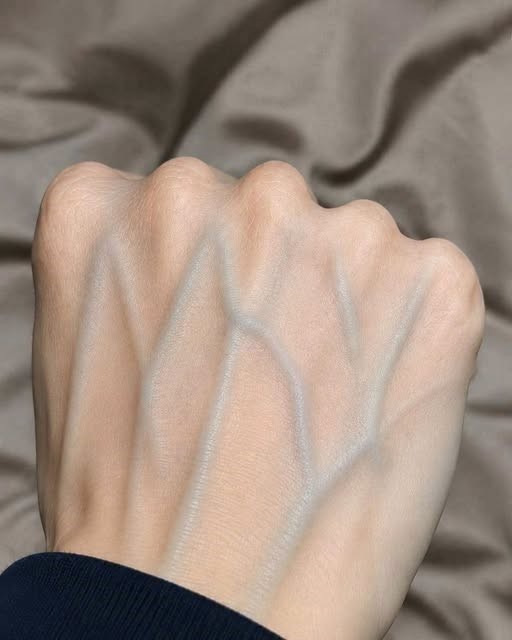
Visible veins can be surprising, particularly when they appear darker, more raised, or more noticeable than usual. For many people, however, prominent veins are a normal physical feature rather than a sign of illness. Veins may stand out because of age, genetics, exercise, body composition, temperature, or changes in the skin and underlying tissue.
At the same time, a sudden or unexplained change in the appearance of veins should not be dismissed automatically. Veins that become painful, swollen, warm, tender, twisted, or associated with swelling in one limb can sometimes signal a circulation issue that deserves medical evaluation. The key is not simply whether veins can be seen, but whether their appearance has changed and whether other symptoms are present.
This guide explains common reasons for visible veins, the difference between harmless prominent veins and varicose veins, signs linked with chronic venous disease, and symptoms that require urgent care. It is intended for general education and does not replace advice from a qualified healthcare professional.
Why Veins Become More Visible
Veins carry blood back to the heart. Unlike arteries, which carry oxygen-rich blood away from the heart under relatively high pressure, veins generally operate under lower pressure and contain valves that help prevent blood from flowing backward, especially in the legs.
Veins close to the skin’s surface are known as superficial veins. These are naturally easier to see than deep veins, which lie within muscles and other tissues. Their visibility can vary from one person to another and can change over time for entirely ordinary reasons.
Genetics and Natural Body Differences
Some people naturally have more visible veins due to inherited traits. Skin tone, skin thickness, vein size, and the amount of tissue beneath the skin all influence how noticeable veins appear. A person may have visible veins on the hands, arms, feet, or legs throughout life without any circulation problem.
Family history can also influence the likelihood of developing varicose veins later in life. Having a relative with varicose veins does not mean a person will definitely develop them, but it is considered one factor that may increase risk.
Low Body Fat and Muscle Definition
People with lower levels of body fat often have veins that are easier to see, especially on the arms, shoulders, hands, calves, and feet. This is common among athletes, people who train regularly, and individuals whose bodies naturally carry less fat beneath the skin.
During and after exercise, muscles require increased blood flow. Blood vessels can temporarily expand, making superficial veins appear more prominent. This effect is often most noticeable after strength training or vigorous physical activity and typically reduces with rest.
Heat, Hydration, and Temporary Changes
Warm temperatures can cause blood vessels near the skin to widen as the body works to release heat. As a result, veins may look fuller or darker on hot days, after a warm bath, or during exercise. Dehydration can also make veins appear more prominent in some circumstances, although it is not a reliable diagnostic sign on its own.
These short-term changes are usually not concerning if they resolve and are not accompanied by pain, unusual swelling, or breathing problems.
Aging and Thinner Skin
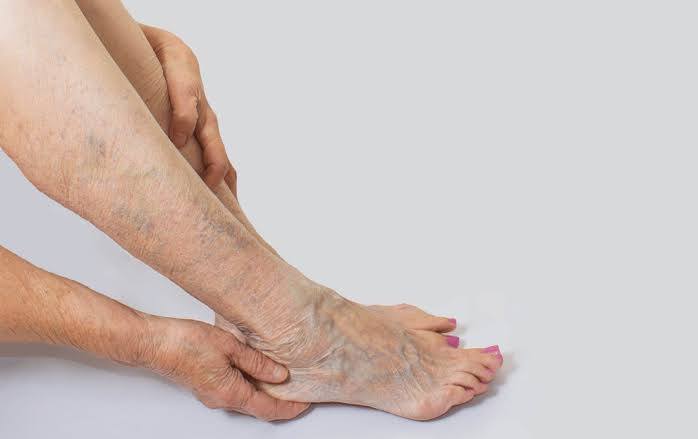
As people age, the skin often becomes thinner and loses some of its elasticity. The layer of fatty tissue beneath the skin may also decrease. These normal changes can make veins on the hands, arms, and legs easier to see. Age-related visibility alone is not necessarily a sign of poor health.
Prominent Veins Versus Varicose Veins
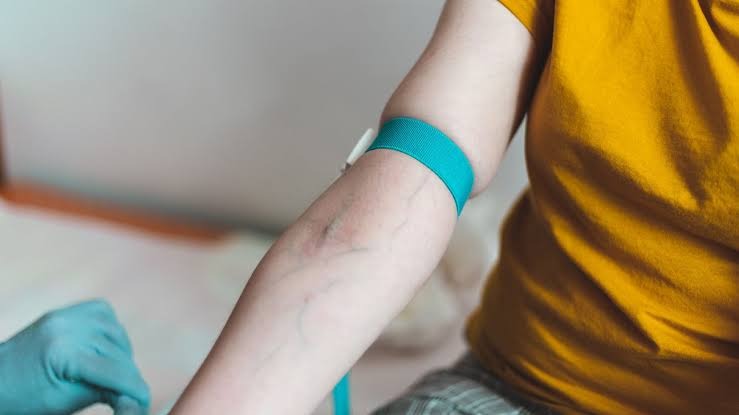
Not all visible veins are varicose veins. Healthy superficial veins may appear blue or green through the skin, especially in areas where skin is thin. They may become more noticeable after exercise or in warm conditions but do not usually cause discomfort.
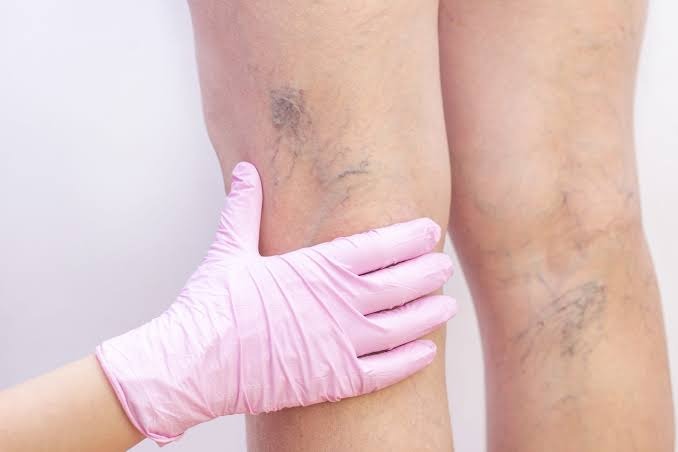
Varicose veins are enlarged, swollen veins that may look raised, bulging, twisted, or rope-like. They most often develop in the legs because standing and walking increase pressure in the veins of the lower body. The condition is common and can range from a cosmetic concern to a source of significant discomfort.
According to major health organizations, symptoms associated with varicose veins may include aching, heaviness, itching, throbbing, cramps, ankle swelling, or discomfort that becomes worse after prolonged standing. Some people have visible varicose veins without symptoms, while others experience symptoms before veins become highly noticeable.
Small red, purple, or blue vessels known as spider veins are different from varicose veins. They are usually smaller and flatter, often appearing in web-like patterns on the legs or face. Spider veins are commonly harmless, though anyone concerned about a new skin or vein change can discuss it with a healthcare professional.
Chronic Venous Insufficiency and Leg Vein Symptoms
Chronic venous insufficiency is a condition in which veins, usually in the legs, have difficulty returning blood efficiently toward the heart. It can occur when vein valves are weakened or damaged. When valves do not close effectively, blood can pool in the lower legs, increasing pressure within the veins.
Symptoms may include persistent leg swelling, a sensation of heaviness, aching, tiredness, skin itching, or discomfort after standing for extended periods. In more advanced cases, skin around the ankles may become discolored or develop changes that require medical attention.
Risk factors can include increasing age, pregnancy, a family history of vein disease, obesity, prolonged sitting or standing, and a past history of blood clots. However, risk factors do not establish a diagnosis. A clinician may assess symptoms, examine the legs, and use ultrasound testing when needed to evaluate blood flow and vein function.
Healthcare professionals may recommend measures such as regular movement, leg elevation, weight management when appropriate, and compression therapy for some people. Compression garments are not suitable for everyone, especially people with certain artery conditions, so it is sensible to seek medical advice before using them for ongoing symptoms.
When Visible Veins May Need Prompt Medical Assessment
Most prominent veins are harmless, but certain changes deserve timely medical attention. A new vein that is painful, hard, tender, or associated with redness and warmth may need assessment. Similarly, unexplained swelling in one leg, arm, or other area should not be assumed to be a minor issue.
One condition doctors consider in people with sudden limb symptoms is deep vein thrombosis, commonly called DVT. DVT occurs when a blood clot forms in a deep vein, most often in the leg. It is important because a clot can sometimes travel to the lungs and cause a pulmonary embolism, a potentially serious emergency.
Symptoms of DVT can vary. They may include swelling in one leg, pain or tenderness, warmth, redness, or a change in skin color. Some people have few noticeable symptoms, which is why a diagnosis cannot be made from appearance alone. The U.S. Centers for Disease Control and Prevention notes that medical assessment is needed when symptoms raise concern for a blood clot.
Risk factors for DVT can include recent surgery, extended periods of reduced movement, hospitalization, pregnancy and the period after delivery, certain medications, smoking, cancer, prior blood clots, and some inherited clotting conditions. Long-distance travel can contribute to risk when it involves prolonged immobility, particularly alongside other risk factors.
Symptoms That Need Emergency Help
Seek emergency medical care immediately if possible blood-clot symptoms occur together with sudden shortness of breath, chest pain that may worsen with breathing, fainting, coughing up blood, a very rapid heartbeat, or severe unexplained dizziness. These symptoms can have different causes, but they require urgent evaluation.
Emergency symptoms should never be managed by waiting to see whether they improve. Contact local emergency services or go to the nearest emergency department rather than driving yourself if you feel severely unwell.
Can Heart Problems Cause More Noticeable Veins?
In some medical situations, increased pressure in the venous system can make veins more noticeable. For example, clinicians may examine neck veins as one part of evaluating fluid balance and heart function. However, visible veins by themselves do not diagnose heart failure or another heart condition.
Heart failure is a complex medical condition diagnosed through a clinical assessment that may include medical history, physical examination, blood tests, imaging, and heart-function testing. Symptoms can include breathlessness, fatigue, swelling in the legs or abdomen, and reduced ability to perform usual activities. These symptoms have many possible causes, so evaluation by a healthcare professional is essential.
It is inaccurate and unnecessarily alarming to assume that visible arm, hand, leg, or neck veins automatically mean a person has heart disease. The timing of changes, accompanying symptoms, medical history, and examination findings are much more informative than vein visibility alone.
When to Arrange a Routine Medical Appointment
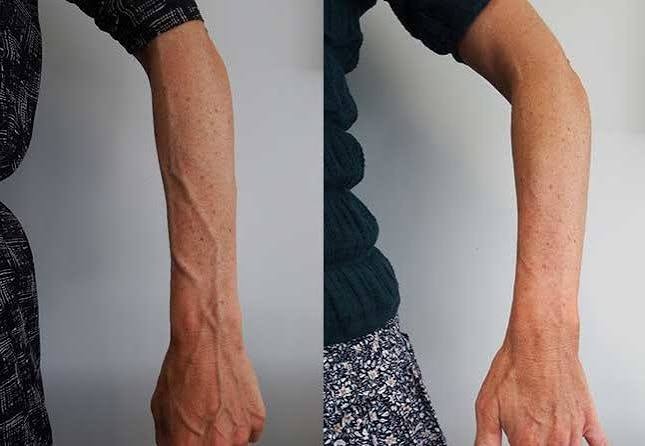
A non-emergency appointment with a doctor or qualified clinician may be useful if visible veins are new or worsening, particularly if they are accompanied by recurring aching, leg heaviness, nighttime cramps, itching, swelling around the ankles, or changes in skin color.
It is also reasonable to seek advice if varicose veins interfere with daily comfort, physical activity, sleep, or confidence. Modern assessment can identify whether symptoms are related to vein valve problems or another cause. Treatment decisions depend on the person’s symptoms, overall health, and ultrasound findings when imaging is appropriate.
For cosmetic concerns without pain or swelling, a clinician can explain safe options and help distinguish superficial cosmetic veins from veins that may require medical evaluation. Avoid attempting to puncture, massage aggressively, or use unproven home treatments on raised or painful veins.
Simple Habits That Support Leg Circulation
Daily habits cannot prevent every vein condition, but regular movement can support circulation and reduce the effects of prolonged sitting or standing. Walking, ankle movements, and taking periodic breaks to change position are practical options for many people.
During travel or desk work, getting up regularly when possible and moving the lower legs can be helpful. People with known clotting risks, a history of DVT, or medical conditions affecting circulation should ask their clinician for individualized guidance before long journeys or when considering compression stockings.
Maintaining a weight that is appropriate for an individual’s health, avoiding tobacco use, and staying physically active can support cardiovascular health more broadly. These measures are beneficial, but they do not replace medical assessment for sudden swelling, pain, warmth, or breathing symptoms.
The Bottom Line on Visible Veins
Visible veins are often a normal result of genetics, aging, exercise, warm weather, muscle definition, or lower body fat. Many healthy people have clearly visible veins on their hands, arms, legs, and feet without any underlying disease.
What matters most is whether there has been a sudden or unexplained change and whether symptoms such as pain, tenderness, warmth, swelling, skin color changes, heaviness, or shortness of breath are present. New one-sided leg swelling or symptoms of breathing difficulty require prompt medical attention.
When in doubt, it is appropriate to consult a healthcare professional. A timely assessment can provide reassurance when veins are normal and help identify circulation problems that may need treatment.
Sources
Disclaimer: This content is intended for entertainment purposes only and is not based on real events.