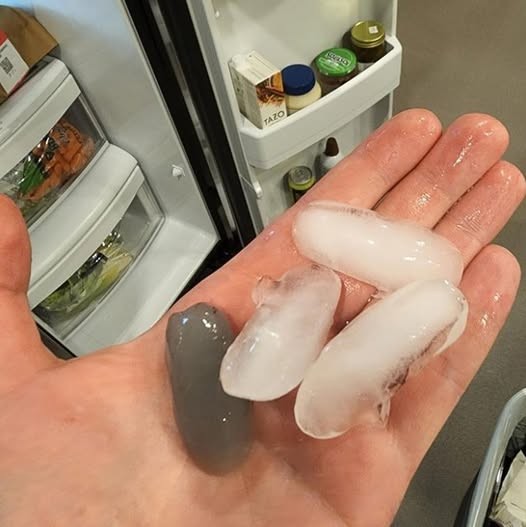
What Causes Gray Ice Cubes?
Gray ice cubes from a refrigerator ice maker can be concerning, especially when the change appears suddenly. In many cases, however, gray or dark-speckled ice has a straightforward explanation related to the refrigerator’s water filter, ice storage bin, or routine cleaning needs. Understanding the likely causes can help homeowners address the issue safely and avoid unnecessary appliance repairs.
Ice should generally appear clear, cloudy white, or slightly opaque depending on the freezing process and the minerals naturally present in the water supply. A gray color, dark flecks, or a dusty appearance is different. These changes may result from loose carbon particles in a newly installed filter, residue in the ice maker or bin, or a filter that is overdue for replacement. Less commonly, the issue may be connected to the home’s water supply or a refrigerator component that needs professional inspection.
The most useful first step is to stop using visibly discolored ice until the source has been identified. Then, inspect the refrigerator’s filter status, clean the removable ice bin, discard old ice, and flush the water system according to the appliance manufacturer’s instructions. These basic maintenance steps resolve many gray ice cube problems without requiring major service.
Why Refrigerator Ice Cubes May Turn Gray
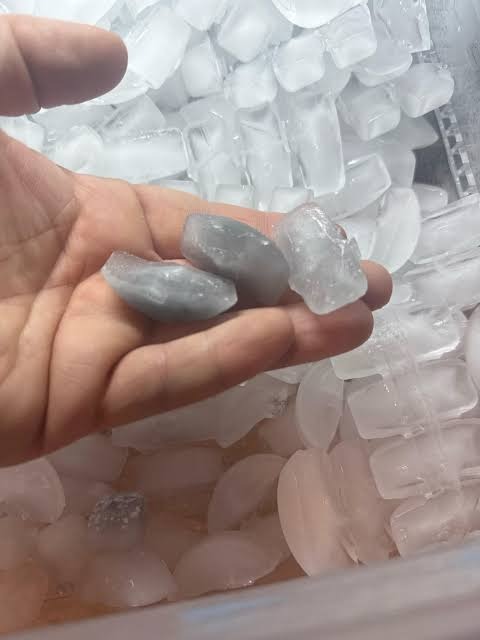
A refrigerator ice maker does not create water on its own. It receives water from a household supply line, often sends that water through a built-in filtration system, freezes it in an ice tray or mold, and drops the cubes into a storage bin. Because several parts are involved, discoloration can develop at more than one stage.
The three common explanations for gray ice cubes are residue or debris in the ice bin, carbon particles released by a new water filter, and reduced performance from an old filter. Each issue has different signs and solutions.
1. A Dirty Ice Bin or Ice Maker Area
Ice bins and freezer interiors can collect dust, food particles, packaging residue, and small amounts of debris over time. Even though a freezer is cold, it is not sterile. The bin is opened frequently, ice is scooped or dispensed, and airborne particles can settle inside. If residue is present in the storage bin, it may cling to ice cubes and make them look gray or dull.
A dirty bin is especially likely to be the cause if the discoloration is visible mainly on the outside of the cubes or if gray material appears after the ice has collected in the bin. Ice that looks normal when newly made but becomes discolored after storage may be coming into contact with residue in the container rather than a problem in the incoming water.
Cleaning the bin is an appropriate first response. Remove the ice, wash the removable bin with warm water and mild dish soap, rinse it thoroughly, and allow it to dry completely before reinstalling it. Avoid harsh chemicals, abrasive scrubbers, or cleaners not approved by the refrigerator manufacturer, as these may leave residue or damage plastic surfaces.
2. Carbon Sediment From a Newly Installed Water Filter
Many refrigerator filters use activated carbon, also called activated charcoal, as part of their filtration media. Activated carbon has a large surface area that can help reduce certain substances that affect taste, odor, and the appearance of drinking water. The exact contaminants a filter reduces depend on its certification and model, so consumers should review the specific product documentation rather than assuming all filters perform the same way.
When a new refrigerator filter is installed, a small amount of fine carbon dust may be released initially. This material can appear as black specks, gray particles, or a temporary gray tint in water and ice. Carbon sediment is a commonly reported issue after filter changes and is usually addressed by flushing the filter as instructed by the appliance manufacturer.
Flushing means running water through the dispenser for the volume recommended in the refrigerator manual. For many models, manufacturers advise dispensing several gallons of water after installing a replacement filter. The exact amount varies, so the owner’s manual remains the best source. If the refrigerator does not have a water dispenser, discarding the first few batches of ice after a filter replacement can help remove residual particles from the system.
Using the correct replacement filter also matters. Filters should be compatible with the refrigerator model and installed securely. A poorly fitted filter may not function as intended, while an unverified replacement product may not meet the same performance standards as a manufacturer-approved or independently certified filter.
3. An Old or Overdue Refrigerator Water Filter
Refrigerator water filters have a limited service life. Over time, the filter media can become less effective, and water flow may slow as the filter collects material. Manufacturers commonly recommend replacing filters at regular intervals, often around every six months, although the proper schedule depends on the model, water use, and local water conditions.
An old filter does not necessarily cause gray ice by itself, but it can contribute to changes in the appearance, taste, or smell of water and ice. If the filter replacement indicator is illuminated, the filter has been in use beyond the recommended period, or the ice and drinking water both seem unusual, replacing the filter may be a sensible maintenance step.
After replacement, remember that temporary gray or black particles may still occur if the new carbon filter has not been flushed. Follow the flushing procedure before judging whether the replacement solved the problem.
How to Clean a Refrigerator Ice Bin Safely
Cleaning the ice bin is usually simple, but it should be done carefully to protect the appliance and maintain food safety. Before removing components, consult the refrigerator’s manual for model-specific instructions. Some ice makers include sensors, augers, or electrical connections that should not be forced or immersed in water.
- Discard the existing ice. If the cubes are visibly gray, contain particles, or have an unfamiliar odor, dispose of them rather than using them in beverages.
- Turn off the ice maker if recommended. Some refrigerators have an on/off switch or control panel setting. This helps prevent new ice from being made while the bin is removed.
- Remove the ice bin. Lift it out gently according to the manufacturer’s directions. Do not pull hard on an attached auger or dispenser mechanism.
- Wash with mild soap and warm water. Clean the bin with a soft cloth or non-abrasive sponge. Pay attention to corners, seams, and the underside where residue may collect.
- Rinse thoroughly. Soap residue can affect the taste of ice, so rinse the bin until no cleaner remains.
- Dry fully before reinstalling. Excess water can freeze in the bin and cause cubes to clump together.
- Make and discard fresh ice if needed. Once the bin is back in place, allow the ice maker to cycle. If a filter was changed or the bin was heavily soiled, discard the first batch or two of new ice.
Unplugging a refrigerator is not always necessary for bin cleaning, and doing so may interrupt cooling for stored food. Follow the instructions provided by the manufacturer. If cleaning any internal ice-maker component beyond the removable bin, turn off the ice maker and use the recommended procedure.
How to Flush a Refrigerator Water Filter
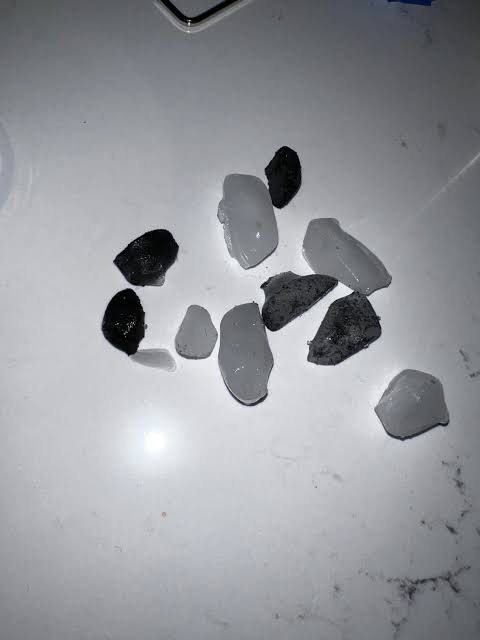
Flushing is particularly important after installing a new carbon-based filter. It removes trapped air and helps clear loose carbon fines that can cause gray water or gray ice. The process is generally easy, but the correct volume and method differ by appliance.
Most refrigerators with a water dispenser allow users to flush the system by dispensing water into a large pitcher or container. Pause periodically if the manufacturer recommends it, since this can help release air from the line. Continue until the recommended amount has been dispensed and the water runs clear. Some manuals suggest flushing in stages rather than continuously.
For refrigerators without a water dispenser, the ice maker may be the only route for flushing water through the filter. In this case, discard several rounds of ice after installing the filter. It can take time for the ice maker to produce enough cubes, but patience is preferable to using ice that still contains visible carbon particles.
If gray particles remain after the recommended flushing process, verify that the filter is correctly seated and that the replacement part matches the refrigerator model. If the problem continues, contact the appliance manufacturer, a qualified appliance technician, or the local water utility for further guidance.
Could Gray Ice Be Caused by the Household Water Supply?
While refrigerator maintenance issues are common, the water supply should not be overlooked. Municipal water systems are monitored under applicable public-health rules, while private well owners are generally responsible for testing their own water. Water conditions can vary by location, plumbing materials, and seasonal changes.
If both the refrigerator water dispenser and other taps in the home show unusual color, particles, odor, or taste, the issue may not be limited to the refrigerator. In that situation, homeowners can contact their local water provider to ask about recent maintenance work, water-quality reports, or known service issues. People who use private wells may wish to arrange testing through a certified laboratory or seek advice from a local public-health authority.
It is also useful to distinguish between water that is gray only in refrigerator ice and water that appears discolored throughout the home. A refrigerator-specific problem is more likely when regular cold tap water is clear and normal but ice from one appliance is not.
When to Contact a Professional
Most cases of gray ice improve after cleaning the bin, replacing an expired filter, or properly flushing a newly installed filter. However, professional help is appropriate when basic troubleshooting does not work.
Consider contacting an appliance service professional or the refrigerator manufacturer when gray ice continues after the bin has been cleaned and the correct filter has been replaced and flushed. Service may also be warranted if there are signs of leaking, damaged tubing, unusual noises, repeated ice-maker malfunctions, or residue coming from non-removable parts of the system.
If the household water itself appears discolored, contact the water utility or a qualified water-testing service rather than relying solely on the refrigerator filter. A refrigerator filter is designed for specific uses and is not a substitute for investigating a broader water-quality concern.
How to Prevent Gray Ice Cubes in the Future
Regular maintenance can reduce the chances of gray ice returning. Keep the freezer clean, empty and wash the ice bin periodically, and avoid storing unwrapped foods near the ice maker. Strongly scented foods may not turn ice gray, but they can affect its taste and odor if the freezer is not well organized.
Replace the water filter according to the manufacturer’s schedule or when the filter indicator signals a change is needed. Use a filter designed for the refrigerator model, and flush it fully after installation. Keeping a note of the installation date can make it easier to follow a replacement schedule.
It is also a good habit to discard old ice after long periods of nonuse, such as after a vacation or an extended power interruption. Fresh ice made after the refrigerator returns to normal operation is generally preferable to ice that has remained in an open bin for weeks or months.
Key Takeaway: Gray Ice Is Often a Maintenance Issue
Gray ice cubes are often linked to manageable refrigerator maintenance issues rather than a major appliance failure. Dirt in the ice bin, loose carbon particles from a new filter, and an aging filter are among the most likely explanations. Cleaning the bin, flushing a newly installed filter, and replacing filters on schedule are practical steps that resolve many cases.
Still, visible discoloration should not be ignored. Discard questionable ice, check the manufacturer’s instructions, and seek professional or local water-provider guidance if the problem persists or affects water elsewhere in the home. A clean ice maker and properly maintained filter can help keep refrigerator ice looking, tasting, and performing as expected.
Sources
Disclaimer: This content is intended for entertainment purposes only and is not based on real events.