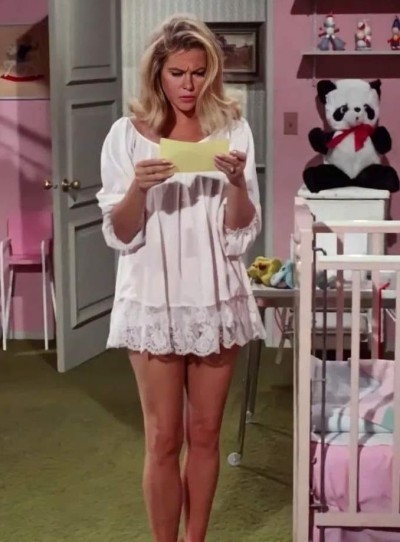
Nobody’s Perfect: Bewitched Season 3 Episode 1
Bewitched returned for its third season with “Nobody’s Perfect,” an episode that highlights the qualities that made the American sitcom a lasting television favorite: clever domestic comedy, imaginative fantasy elements, and the engaging performance of Elizabeth Montgomery as Samantha Stephens. As the series continued to build its audience in the mid-1960s, the episode offered a familiar but effective premise. Samantha wants to help her husband, Darrin Stephens, make a strong impression on an important client, but her well-intentioned efforts create complications that are anything but ordinary.
Originally broadcast during the 1966–67 television season, “Nobody’s Perfect” opens Season 3 of Bewitched with an accessible story about expectations, work pressure, marriage, and the temptation to solve everyday problems too quickly. Those themes are presented through the program’s distinctive comic framework: Samantha is a witch married to a mortal advertising executive, and she is trying to maintain a conventional suburban life without relying on magic. The result is a light, character-focused episode that remains representative of the show’s enduring appeal.
“Nobody’s Perfect” and the World of Bewitched
Bewitched premiered on ABC in 1964 and ran for eight seasons, becoming one of the most recognizable situation comedies of its era. Created by Sol Saks and produced by Screen Gems, the series centered on Samantha Stephens, a kind and capable witch who falls in love with Darrin, a human advertising professional. After their marriage, Samantha agrees to avoid using witchcraft in daily life whenever possible. That promise, however, provides the foundation for much of the show’s comedy.
The central idea was simple but flexible. Darrin wanted a predictable home life and believed that magic often made ordinary difficulties worse. Samantha, meanwhile, wanted to respect his wishes while also remaining true to herself and her unusual family background. Her attempts to balance those priorities created stories that could move easily between workplace comedy, neighborhood misunderstandings, family conflicts, and fantasy.
“Nobody’s Perfect” uses that formula effectively. The episode places Samantha in a familiar social challenge: she wants to make a positive impression on Mr. Brockway, a demanding client connected to Darrin’s work. For Darrin, pleasing a client matters because his career in advertising depends on professional relationships, confidence, and reputation. For Samantha, the situation becomes more personal. She wants to support her husband and demonstrate that she can handle an important occasion without causing embarrassment or disruption.
That desire to make everything go smoothly creates the episode’s comic tension. In the world of Bewitched, even the most ordinary social obligation can become complicated when magic enters the picture. Samantha’s efforts are motivated by care rather than selfishness, yet the show’s humor comes from the distance between a perfect plan and an unpredictable result.
Elizabeth Montgomery’s Performance as Samantha Stephens
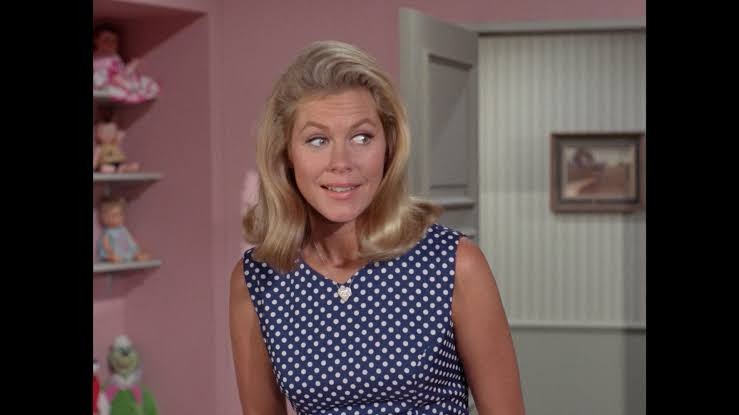
Elizabeth Montgomery was essential to the success of Bewitched. Her portrayal of Samantha combined warmth, intelligence, composure, and a subtle sense of mischief. Samantha is not simply a fantasy character with special powers; she is also a wife, mother, neighbor, daughter, and friend navigating the everyday expectations of the setting around her. Montgomery made those different sides of the character feel natural.
In “Nobody’s Perfect,” Samantha’s wish to impress Mr. Brockway reflects one of the character’s most consistent traits: she genuinely wants to help. She is often more socially aware than Darrin and frequently sees practical or emotional solutions that he misses. Yet the series also understands that good intentions do not always produce the intended outcome. Montgomery’s comic skill lies in making Samantha’s frustration and embarrassment feel sympathetic rather than exaggerated.
Her performance was especially effective because she could communicate humor with small reactions. A raised eyebrow, a brief pause, or a controlled smile often carried as much comic weight as the episode’s magical effects. This restrained style helped the show remain approachable. Even when the plot involved unusual circumstances, the emotions behind it were recognizable: concern about being judged, anxiety about a spouse’s career, and the challenge of meeting someone else’s high standards.
Montgomery also gave Samantha an important sense of independence. Although the character agrees to limit her use of magic after marrying Darrin, she is never presented as powerless. Samantha’s abilities are real, and the series repeatedly shows that she is resourceful and quick-thinking. The comedy often emerges from the fact that she has extraordinary options available to her but is trying to live within ordinary social rules.
Darrin Stephens, Work, and Social Pressure
Darrin Stephens, played in the early seasons by Dick York, provides an important contrast to Samantha. He is ambitious, skeptical of magic, and deeply concerned with the consequences of anything that might affect his work or public image. His role as an advertising executive places him in a business environment where client approval can determine success. That makes a difficult client such as Mr. Brockway a natural source of pressure.
The workplace stories in Bewitched reflect the structure of many classic American sitcoms. Darrin’s office responsibilities are often treated seriously enough to create stakes, but they are never allowed to overwhelm the show’s light tone. An account, campaign, client dinner, or professional visit can become the starting point for a domestic misunderstanding. In “Nobody’s Perfect,” the client relationship gives Samantha a reason to try harder than usual to create the ideal impression.
The episode’s title captures its central message. The pursuit of perfection can lead people to overcomplicate a situation that might otherwise be manageable. Samantha’s desire to be the perfect hostess and supportive spouse is understandable, but the episode suggests that real connection does not require flawless presentation. Like many sitcoms of the period, it resolves conflict through humor and reconciliation rather than through lasting consequences.
This premise also highlights an enduring feature of the Samantha and Darrin relationship. They love one another, but they do not always approach problems in the same way. Darrin’s instinct is usually to control a situation through planning and restraint. Samantha is more adaptable and often sees magic as a practical shortcut. Their disagreements are part of the show’s comic engine, but they are generally framed within a relationship built on affection.
Magic as a Comic Device
Magic in Bewitched is not presented as frightening or mysterious. It is a playful storytelling tool that turns small inconveniences into larger comic problems. A social visit, a work meeting, or a household task can quickly become unusual when Samantha tries to help with a twitch of her nose or a quiet spell. The special effects were created with the television techniques available at the time, including editing, practical props, visual transitions, and carefully staged performances.
“Nobody’s Perfect” benefits from this approach because the magical complications grow directly out of a recognizable situation. Viewers do not need extensive knowledge of fantasy rules to understand the episode. The key question is universal: what happens when someone tries so hard to make a good impression that the effort itself becomes the problem?
The show’s fantasy elements also allowed its writers to explore ordinary frustrations in an exaggerated but safe way. Many people have experienced anxiety before meeting a demanding employer, colleague, guest, or client. Bewitched transforms that anxiety into a comic scenario where unusual solutions are available, but still not always wise. The format makes the story entertaining while preserving an emotional connection to everyday life.
Why Season 3 Was Important for Bewitched
By its third season, Bewitched had established a strong identity. Audiences already knew Samantha and Darrin’s relationship, understood Darrin’s discomfort with magic, and recognized the potential for interruptions from Samantha’s magical relatives. The series could therefore begin a new season without spending much time explaining its premise. “Nobody’s Perfect” works as both a continuation for regular viewers and an accessible introduction for newcomers.
The show was part of a broader wave of imaginative television comedies that became popular in the 1960s. Programs such as I Dream of Jeannie, The Addams Family, and The Munsters used fantasy or unusual households to tell familiar stories about family life and social expectations. Bewitched stood out because its supernatural premise was paired with polished romantic comedy and a highly relatable central character.
Its cultural influence has continued well beyond its original broadcast run. The series has remained available through syndication, home media, and streaming-era television collections, introducing Samantha Stephens to later generations. Its visual shorthand—especially Samantha’s nose twitch—became one of the best-known gestures in American television history. The show has also been discussed in retrospectives about women’s roles on television, suburban comedy, and the development of fantasy sitcoms.
A Gentle Message About Imperfection
At its heart, “Nobody’s Perfect” is a story about the pressure people put on themselves when they want to be accepted. Samantha is not trying to deceive Mr. Brockway for personal gain. She wants to protect Darrin’s professional interests and show that she can rise to the occasion. The humor comes from the fact that trying to control every detail is rarely possible, especially in a household where magic can make small matters much bigger.
The episode’s message remains relevant because perfectionism is a familiar experience. Whether the setting is a dinner party, job interview, client meeting, school event, or family gathering, people often worry about saying or doing the wrong thing. Bewitched approaches that concern with kindness. Samantha’s mistakes do not define her; they simply create an opportunity for laughter and a reminder that sincere intentions matter more than a flawless performance.
This theme helps explain why the episode continues to be enjoyable for viewers who discover the series decades after its first broadcast. The fashion, production design, and workplace setting are rooted in the 1960s, but the emotional situation is easy to understand. The need to impress others, the wish to support a partner, and the realization that plans can go awry are not limited to one period of television history.
Why “Nobody’s Perfect” Remains a Memorable Bewitched Episode
“Nobody’s Perfect” may not rely on a major change to the series format, but it demonstrates why Bewitched was so successful. It brings together a clear comic premise, the pressure of Darrin’s professional life, Samantha’s desire to help, and the unpredictable possibilities of magic. Most importantly, it gives Elizabeth Montgomery room to show the charm and emotional intelligence that made Samantha Stephens one of television’s most beloved characters.
For longtime fans, the Season 3 premiere is a pleasant example of the series at a confident stage in its run. For new viewers, it offers a concise introduction to the relationship and comic rhythm that define the program. Samantha’s efforts to create a perfect outcome may not unfold as planned, but the episode’s warmth, humor, and gentle perspective make its conclusion satisfying.
More than half a century after it first aired, Bewitched continues to hold a place in television history because it made fantasy feel human. “Nobody’s Perfect” captures that balance especially well. Beneath the magic and misunderstandings is a simple, lasting idea: people do not need to be perfect to be caring, capable, or worthy of appreciation.
Sources
Disclaimer: This content is intended for entertainment purposes only and is not based on real events.